Executive Summary
The Plastic Bag Factory project in the industrial and manufacturing sector in Kuwait targets a promising market opportunity. With an investment of ١٨٠٬٠٠٠ KWD, it achieves a Net Present Value (NPV) of ٥٢٬٧٣٥ KWD, an Internal Rate of Return (IRR) of ٢٣٪, and a payback period of 3 years.
| Indicator | Value |
|---|---|
| Initial Investment | ١٨٠٬٠٠٠ KWD |
| First-Year Revenue | ٣٨٠٬٠٠٠ KWD |
| Annual Growth (CAGR) | ٧٪ |
| Net Margin (Y1) | ٦٪ |
| Return on Investment (Avg.) | ١٦٪ annually |
| Net Present Value (NPV) | ٥٢٬٧٣٥ KWD |
| Internal Rate of Return (IRR) | ٢٣٪ |
| Profitability Index (PI) | ١ |
| Payback Period | ٣ years |
| Break-even Year | Year ٣ |
| Expected NPV (Probability-Weighted) | ٥٥٬٨٣٩ KWD |
Assumptions and Basis
The figures in this study are based on project data, the nature of the industrial and manufacturing sector in Kuwait, and local market indicators, according to the following assumptions:
| Assumption | Value |
|---|---|
| Initial Capital | ١٨٠٬٠٠٠ KWD |
| First-Year Revenue | ٣٨٠٬٠٠٠ KWD |
| Annual Growth | ٧٪ |
| Cost of Goods Sold (COGS) | ٦٥٪ of Revenue |
| Operating Expenses | ٢٠٪ of Revenue |
| Tax/Zakat | ٠٪ |
| Discount Rate (WACC) | ١٢٪ |
| Study Horizon | ٥ years |
Basis of Assumptions: The figures are based on the average costs of establishing and operating a medium-sized plastic bag factory in Kuwait, considering local raw material prices and continuous product demand.
Project and Opportunity Description
The plastic bag factory project in Kuwait aims to meet the increasing demand for this essential product across various sectors. The significant investment opportunity in this sector includes the continuous need for bags in retail stores, supermarkets, restaurants, packaging factories, food factories, wholesale and retail sectors, and clothing stores. The business model relies on producing a variety of plastic bags in different sizes and types (e.g., shopping bags, garbage bags, packaging bags), with a focus on quality and durability. Target customers include commercial and industrial businesses and end-consumers seeking reliable and cost-effective packaging solutions. This project is a promising investment due to the high consumption of plastic bags in Kuwait.
Market and Demand Study
The Kuwaiti market shows continuous demand for plastic bags due to their widespread use in daily life and various commercial and industrial sectors. Data indicates that Kuwait consumes an estimated 6.5 billion plastic bags annually, including cooperative, bread, and garbage bags. The plastic manufacturing sector in Kuwait is considered vital, accounting for approximately 15% of the total annual industrial activity. Plastic consumption in the Gulf region is expected to grow by about 8%. Factors driving demand include population growth, expansion in the retail sector, increased commercial activities, and the development of e-commerce, which boosts demand for new types of plastic packaging. However, there is a growing trend towards environmentally friendly and biodegradable plastic bags, representing an opportunity for the factory to offer products that comply with these requirements.
Market Sizing (TAM / SAM / SOM)
The market sizing methodology relies on estimating the annual consumption of plastic bags in Kuwait, which is estimated at at least 6.5 billion bags annually. This quantity is converted into weight in tons and then into an estimated financial value based on the average selling prices per ton. The Total Addressable Market (TAM) is determined based on the total value of plastic bag consumption in the country. The Serviceable Available Market (SAM) is identified by evaluating the portion of the market that the new factory can effectively serve, considering production capacity and existing competition. Finally, the Serviceable Obtainable Market (SOM) is set as a small percentage of the SAM that can be achieved during the initial years of operation, with a plan for gradual expansion.
| Level | Annual Size | Description |
|---|---|---|
| TAM — Total Market | 250.0 million KWD | Total Addressable Demand |
| SAM — Available Market | 150.0 million KWD | Portion reachable by your model |
| SOM — Realistic Target | 20.0 million KWD | Your realistic early share |
Sizing Basis: Market sizing is based on the annual consumption of plastic bags in Kuwait (at least 6.5 billion bags annually), converted into an estimated value, considering a realistic target market share for the new factory.
Unit Economics
Measures the profitability of each unit sale/customer — the most accurate feasibility indicator:
| Unit Indicator | Value |
|---|---|
| Sales Unit | Ton of Plastic Bags |
| Average Price/Revenue per Unit | ١٬٢٥٠ KWD |
| Customer Acquisition Cost (CAC) | ٥٠ KWD |
| Customer Lifetime Value (LTV) | ٢٬٥٠٠ KWD |
| LTV/CAC Ratio | ٥٠× (Healthy) |
| Contribution Margin | ١٥٪ |
Competitive Analysis
Kuwait has several existing plastic bag factories, such as the Arab Plastic Factory, Kuwait Plastic Industries Company, Al Nawras Factory, and Green Plastic Factory. Competition in this sector is high and is affected by raw material prices and product quality. The proposed factory's sustainable advantage can be achieved by focusing on producing environmentally friendly and biodegradable plastic bags, a trend supported by environmental protection efforts in Kuwait. A competitive advantage can also be achieved by offering high-quality and highly durable products, and flexibility in meeting customized orders (sizes, thicknesses, printing). Building strong customer relationships and providing excellent customer service, along with ensuring regular and reliable supply, will contribute to customer loyalty.
Market Entry and Pricing Plan
The market entry plan relies on initially targeting specific sectors such as supermarkets and hypermarkets, packaging factories, and restaurants. Marketing will be conducted through direct channels, such as sales representatives visiting potential customers and concluding long-term supply agreements. Participation in local industrial exhibitions and building an effective online digital presence can also be utilized. Pricing will be competitive, considering product quality and production costs. Discounts for bulk quantities can be offered to attract wholesale customers. The focus can also be on providing added value by offering customized printing options and unique designs that enhance customers' brand identity.
Capacity and Operations
Production capacity starts at 350-500 kilograms per day (approximately half a ton) in a single shift and gradually expands to 1 ton per day with increased demand, allowing for an initial annual production of around 300 tons.
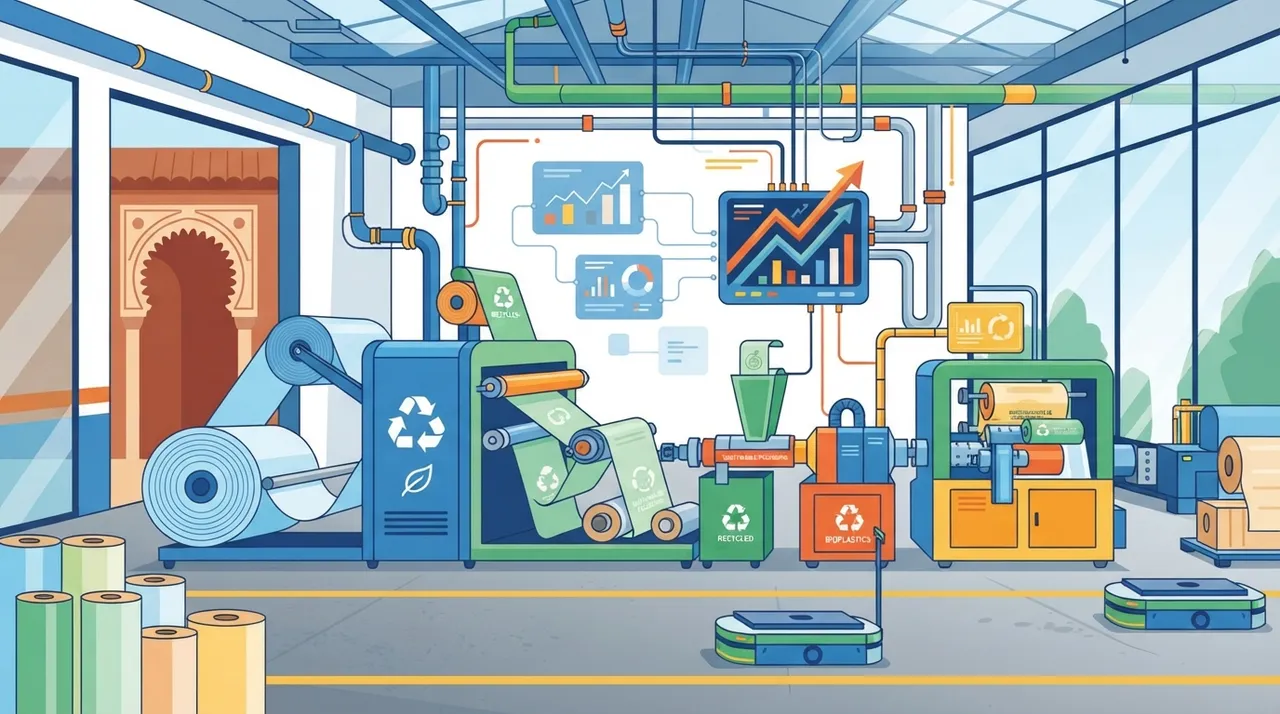
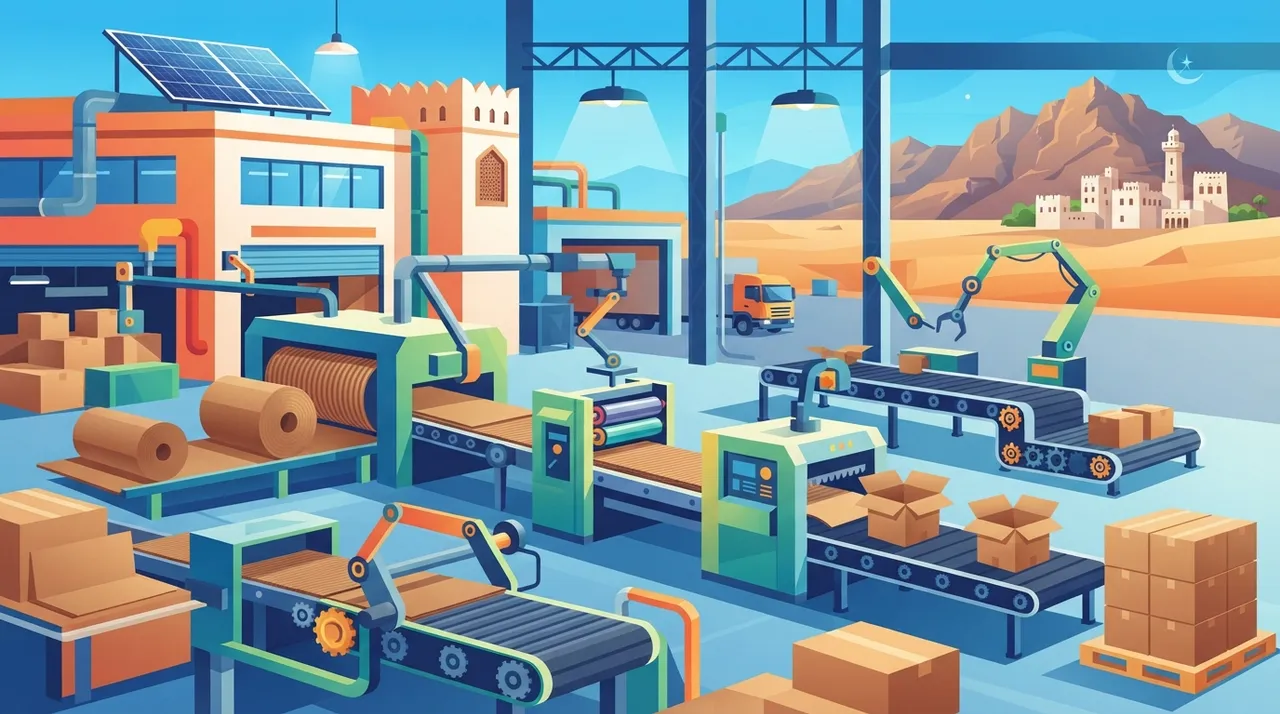
Daily operations are based on a flexible production line that allows for quick conversion between bag sizes and thicknesses. The process begins with placing raw materials (polyethylene pellets) into the hopper, then adding color (if needed), followed by plastic extrusion and conversion into rolls, then cutting, sealing, and shaping. A strict quality control system must be implemented to ensure consistent product quality in each batch and to minimize waste through precise control of melting and stretching properties. Regular maintenance of equipment is essential to ensure operational efficiency. Sufficient raw material inventory must be maintained to avoid production stoppages, and an effective inventory management system for finished products is needed.
Technical aspects of the project include selecting a location in a licensed industrial area to facilitate obtaining permits and complying with environmental requirements, with a preference for proximity to raw material sources and markets. Essential equipment includes a machine for extruding and converting plastic pellets into rolls (film machine), electric cutters, presses, welding machines, and a scale. The main raw materials are polyethylene (HDPE and LDPE), with the possibility of adding colorants or biodegradable additives. Emphasis should be placed on purchasing high-quality raw materials to ensure the quality of the final product. The price of a ton of polyethylene can range between 1500 and 1600 US dollars (approximately 460-490 Kuwaiti Dinars at an approximate exchange rate of 1 USD = 0.307 KWD).
Projected Income Statement (٥ Years)
| Item \ Year | Y1 | Y2 | Y3 | Y4 | Y5 |
|---|---|---|---|---|---|
| Revenue | ٣٨٠٬٠٠٠ KWD | ٤٠٦٬٦٠٠ KWD | ٤٣٥٬٠٦٢ KWD | ٤٦٥٬٥١٦ KWD | ٤٩٨٬١٠٢ KWD |
| Cost of Sales | (٢٤٧٬٠٠٠ KWD) | (٢٦٤٬٢٩٠ KWD) | (٢٨٢٬٧٩٠ KWD) | (٣٠٢٬٥٨٦ KWD) | (٣٢٣٬٧٦٧ KWD) |
| Gross Profit | ١٣٣٬٠٠٠ KWD | ١٤٢٬٣١٠ KWD | ١٥٢٬٢٧٢ KWD | ١٦٢٬٩٣١ KWD | ١٧٤٬٣٣٦ KWD |
| Operating Expenses | (٧٦٬٠٠٠ KWD) | (٨١٬٣٢٠ KWD) | (٨٧٬٠١٢ KWD) | (٩٣٬١٠٣ KWD) | (٩٩٬٦٢٠ KWD) |
| EBITDA | ٥٧٬٠٠٠ KWD | ٦٠٬٩٩٠ KWD | ٦٥٬٢٥٩ KWD | ٦٩٬٨٢٧ KWD | ٧٤٬٧١٥ KWD |
| Tax | (٠ KWD) | (٠ KWD) | (٠ KWD) | (٠ KWD) | (٠ KWD) |
| Net Profit | ٢١٬٠٠٠ KWD | ٢٤٬٩٩٠ KWD | ٢٩٬٢٥٩ KWD | ٣٣٬٨٢٧ KWD | ٣٨٬٧١٥ KWD |
| Net Margin | ٦٪ | ٦٪ | ٧٪ | ٧٪ | ٨٪ |
Investment Cost Structure
| Item | Cost | Percentage |
|---|---|---|
| Machinery and Equipment | ٨١٬٠٠٠ KWD | ٤٥٪ |
| Initial Raw Materials | ٤٥٬٠٠٠ KWD | ٢٥٪ |
| Factory Rent and Setup | ٢٧٬٠٠٠ KWD | ١٥٪ |
| Salaries and Wages | ١٤٬٤٠٠ KWD | ٨٪ |
| Licenses and Establishment Expenses | ١٢٬٦٠٠ KWD | ٧٪ |
Cash Flow and Break-even Point
| Year | Operating Cash Flow | Cumulative Cash Flow |
|---|---|---|
| Year ١ | ٥٧٬٠٠٠ KWD | -١٢٣٬٠٠٠ KWD |
| Year ٢ | ٦٠٬٩٩٠ KWD | -٦٢٬٠١٠ KWD |
| Year ٣ | ٦٥٬٢٥٩ KWD | ٣٬٢٤٩ KWD |
| Year ٤ | ٦٩٬٨٢٧ KWD | ٧٣٬٠٧٧ KWD |
| Year ٥ | ٧٤٬٧١٥ KWD | ١٤٧٬٧٩٢ KWD |
Estimated break-even point at annual revenue ≈ ٣٢٠٬٠٠٠ KWD (~٨٤٪ of first-year revenue), with a contribution margin of ٣٥٪. Cumulative cash break-even in Year ٣.
Funding Structure
| Funding Source | Percentage | Amount |
|---|---|---|
| Equity | ٦٠٪ | ١٠٨٬٠٠٠ KWD |
| Debt Financing (٦٪ interest) | ٤٠٪ | ٧٢٬٠٠٠ KWD |
Sensitivity Analysis (Revenue × Operations)
The impact of changes in revenue and costs together on Net Present Value:
| Revenue \ Operations | −10٪ | −5٪ | Base | +5٪ | +10٪ |
|---|---|---|---|---|---|
| −20٪ | ١٣٠٬٣١٥ KWD | ٦٨٬٢٥٢ KWD | ٦٬١٨٩ KWD | -٥٥٬٨٧٤ KWD | -١١٧٬٩٣٧ KWD |
| −10٪ | ١٦٩٬١٠٤ KWD | ٩٩٬٢٨٣ KWD | ٢٩٬٤٦٢ KWD | -٤٠٬٣٥٨ KWD | -١١٠٬١٧٩ KWD |
| Base | ٢٠٧٬٨٩٣ KWD | ١٣٠٬٣١٥ KWD | ٥٢٬٧٣٦ KWD | -٢٤٬٨٤٣ KWD | -١٠٢٬٤٢١ KWD |
| +10٪ | ٢٤٦٬٦٨٣ KWD | ١٦١٬٣٤٦ KWD | ٧٦٬٠١٠ KWD | -٩٬٣٢٧ KWD | -٩٤٬٦٦٣ KWD |
| +20٪ | ٢٨٥٬٤٧٢ KWD | ١٩٢٬٣٧٨ KWD | ٩٩٬٢٨٣ KWD | ٦٬١٨٩ KWD | -٨٦٬٩٠٦ KWD |
Scenario Analysis
| Scenario | Probability | NPV | Assessment |
|---|---|---|---|
| Pessimistic | ٢٥٪ | -١٨٬٦٣٦ KWD | Not feasible |
| Base | ٥٠٪ | ٥٢٬٧٣٦ KWD | Feasible |
| Optimistic | ٢٥٪ | ١٣٦٬٥٢١ KWD | Feasible |
Expected Present Value (Weighted): ٥٥٬٨٣٩ KWD.
Risk Management and Mitigation
| Risk | Probability | Impact | Mitigation |
|---|---|---|---|
| Fluctuations in raw material prices (polyethylene) | High | High | Signing long-term supply agreements, seeking alternative suppliers, storing sufficient raw materials. |
| Increased local and regional competition | Medium | Medium | Distinguishing through product quality, offering eco-friendly bags, building strong customer relationships, targeting niche market segments. |
| Changes in environmental regulations towards banning traditional plastic bags | Medium | High | Investing in biodegradable bag production technologies as a primary option from the outset, monitoring legislative developments. |
| Difficulty in acquiring new customers and distributing products | Medium | Medium | Developing a strong marketing and sales plan, hiring experienced sales representatives, offering competitive deals, building an efficient distribution network. |
| Equipment breakdowns and production stoppages | Medium | Medium | Regular and preventive maintenance, providing essential spare parts, training technicians, having an emergency plan. |
Organizational Structure and Team
The factory's organizational structure requires a specialized team including a factory manager, production supervisors, technical workers for operating and maintaining machines, packing and packaging workers, and sales representatives. It is preferable to employ workers with experience in the plastics industry. Non-Kuwaiti labor constitutes the largest proportion in the Kuwaiti industrial sector, with Kuwaitis making up only about 4.3% of the total labor force in the plastics sector. The production of plastic bags can attract a large percentage of the sector's workforce. Emphasis should be placed on training workers in the latest production techniques and quality and safety standards.
Legal and Regulatory Aspects
Establishing a plastic bag factory in Kuwait requires obtaining an industrial license from the Public Authority for Industry. Other procedures include obtaining a commercial registration and a tax card. Compliance with the controls, requirements, and technical specifications set by government agencies regarding the manufacturing of plastic bags is mandatory, especially those related to environmental standards, such as the use of biodegradable bags. Compliance with Kuwait's labor laws is also essential.
Expansion and Sustainability Plan
Future expansion can be achieved by increasing production capacity through adding new production lines or diversifying products to include other types of plastic products in demand in the market. Geographical expansion can target neighboring regional markets. Investment in modern printing technologies can also be made to offer customized printed bags for brands and stores. To maintain sustainability, focus should be on resource efficiency, waste reduction, and adopting environmentally friendly practices, including plastic waste recycling.
Environmental, Social, and Governance (ESG) Impact
Plastic waste is a major environmental challenge in Kuwait, estimated at about 18% of total solid waste, or approximately 200,000 tons annually. Therefore, the factory must adhere to strict environmental standards and focus on producing environmentally friendly, oxo-biodegradable plastic bags that leave no residue or waste traces. The factory can also invest in recycling lines to convert plastic waste into raw materials, reducing environmental impact and supporting the circular economy. All operations must comply with the regulations of the Environment Public Authority in Kuwait.
Conclusions and Recommendations
The plastic bag factory project in Kuwait is a feasible and promising investment opportunity, driven by continuous and significant demand for the product in the local market. With a proposed initial capital of 180,000 Kuwaiti Dinars, the factory can achieve good financial returns. The project's importance lies in meeting the needs of vital sectors, with the potential to gain a competitive advantage by focusing on quality, production flexibility, and adherence to environmental standards through the production of biodegradable bags. Careful planning, effective management, and targeted marketing will ensure the long-term success and sustainability of the project.
Frequently Asked Questions
How much does it cost to set up a plastic bag factory in Kuwait?
The cost of setting up a medium-sized plastic bag factory in Kuwait ranges between 180,000 and 300,000 Kuwaiti Dinars, and may increase for larger factories.
Is a plastic bag factory project profitable in Kuwait?
Yes, a plastic bag factory project is considered profitable in Kuwait due to continuous demand and high daily consumption of these products across various sectors.
What licenses are required to set up a plastic bag factory in Kuwait?
The project requires obtaining an industrial license from the Public Authority for Industry, in addition to a commercial registration and a tax card.
What are the main raw materials used in the manufacture of plastic bags?
The primary raw material is polyethylene pellets of various types (HDPE and LDPE), and colorants or biodegradable additives can be added.
What is Kuwait's annual consumption of plastic bags?
Kuwait consumes an estimated at least 6.5 billion plastic bags annually, including cooperative, bread, and garbage bags.
Is there a trend in Kuwait towards eco-friendly plastic bags?
Yes, there is an increasing trend in Kuwait towards using environmentally friendly and biodegradable plastic bags, and there are calls to mandate their use by cooperatives and commercial markets.
Sources and Disclaimer
- Feasibility studies for plastic bag factories in the region
- Market reports on the plastic industry in Kuwait and the Middle East
- Consumption data and environmental statistics in Kuwait
- Raw material and equipment prices from suppliers
- Interviews with experts in the Kuwaiti industrial sector
Disclaimer: This is a guiding study that provides financial analysis according to approved industry standards; verify the figures locally according to your project's reality before any investment decision.