Executive Summary
The Mineral Water Bottling Plant project in the industrial and manufacturing sector in the Sultanate of Oman targets a promising market opportunity. With an investment of ٧٥٠٬٠٠٠ OMR, it achieves a Net Present Value (NPV) of ٥٬٩١٤ OMR, an Internal Rate of Return (IRR) of ١٠٪, and a payback period of 3.9 years.
| Indicator | Value |
|---|---|
| Initial Investment | ٧٥٠٬٠٠٠ OMR |
| Year 1 Revenue | ٩٠٠٬٠٠٠ OMR |
| Annual Growth (CAGR) | ٨٪ |
| Net Margin (Y1) | ٣٪ |
| Return on Investment (Avg.) | ٧٪ annually |
| Net Present Value (NPV) | ٥٬٩١٤ OMR |
| Internal Rate of Return (IRR) | ١٠٪ |
| Profitability Index (PI) | ١ |
| Payback Period | ٤ years |
| Break-even Year | Year ٤ |
| Expected NPV (Probability-weighted) | ١٢٬٩٦٢ OMR |
Assumptions and Basis
The figures in this study are based on project data, the nature of the industrial and manufacturing sector in the Sultanate of Oman, and local market indicators, according to the following assumptions:
| Assumption | Value |
|---|---|
| Initial Capital | ٧٥٠٬٠٠٠ OMR |
| Year 1 Revenue | ٩٠٠٬٠٠٠ OMR |
| Annual Growth | ٨٪ |
| Cost of Goods Sold (COGS) | ٥٥٪ of Revenue |
| Operating Expenses | ٢٥٪ of Revenue |
| Tax/Zakat | ١٥٪ |
| Discount Rate (WACC) | ١٠٪ |
| Study Horizon | ٥ years |
Basis of Assumptions: Figures are estimates based on averages for the bottled water industrial sector in the Sultanate of Oman and the proposed investment size.
Project Description and Opportunity
The project aims to establish a modern factory for producing and bottling high-quality mineral water in the Sultanate of Oman, to meet the increasing demand for healthy and pure bottled water. The business model relies on utilizing a pure water source and treating it with the latest technologies, then bottling it in various sizes (200 ml, 330 ml, 500 ml, 1.5 liters, 5 gallons) to suit different consumer segments. The factory targets individual consumers, supermarkets, restaurants, hotels, companies, and institutions, with a focus on building a reliable and distinctive brand in the Omani market. The market opportunity is significant due to increasing health awareness and high consumption of bottled water in the Sultanate.
Market and Demand Study
The bottled water market in GCC countries, including the Sultanate of Oman, is experiencing steady growth at an annual rate of approximately 11%, driven by increased consumer health awareness and expanding investments in this sector. The market size reached about 7.55 billion USD in 2024. In Oman, there is significant demand for bottled water, and economists consider it an attractive investment sector due to the high demand for its products. Overall water demand in Oman is expected to increase further in the coming years, with total water demand estimated at 288 million cubic meters in 2018, projected to reach 338 million cubic meters by 2022. This increase in demand, along with population growth, provides wide opportunities for local investment in producing and bottling drinking water. Market competition is strong, but there is an opportunity for differentiation through product quality, effective marketing, and building a strong distribution network.
Market Sizing (TAM / SAM / SOM)
The market was qualitatively sized based on the bottled water market size in the entire GCC, then estimating Oman's share of this market based on demographic and economic factors, considering sector growth and increasing demand for bottled water. It also took into account that 24% of the Sultanate's population uses bottled water (according to a previous study), indicating a large customer base. The available market is estimated based on the Omani market's absorption capacity and current competitiveness, while the targeted market represents a realistic share that the factory can achieve in the first years of operation through a strong marketing and distribution strategy.
| Level | Annual Size | Description |
|---|---|---|
| TAM — Total Addressable Market | 288.0 million OMR | Total serviceable demand |
| SAM — Serviceable Available Market | 150.0 million OMR | The portion reachable by your model |
| SOM — Serviceable Obtainable Market | 25.0 million OMR | Your realistic early share |
Basis of Sizing: The total market size represents the total demand for water in Oman in liters (according to 2018 estimates, which are expected to increase), the serviceable available market represents a portion of this demand that bottled water can meet, while the serviceable obtainable market is a realistic share that the new factory can achieve in Omani Riyals.
Unit Economics
Measures the profitability of each unit sale/customer — the most accurate feasibility indicator:
| Unit Indicator | Value |
|---|---|
| Sales Unit | Bottle (500 ml) |
| Avg. Price/Revenue per Unit | ٠ OMR |
| Customer Acquisition Cost (CAC) | ٠ OMR |
| Customer Lifetime Value (LTV) | ١٥ OMR |
| LTV/CAC Ratio | ٣٠٠× (Healthy) |
| Contribution Margin | ٤٥٪ |
Competitive Analysis
The bottled water market in Oman is characterized by the presence of several key players such as Oasis Oman, considered the largest bottled water company in the Sultanate, and Ayoon Al-Kamil Water Company. Competition in this market is strong, with both local and imported brands. The sustainable competitive advantage for the project lies in focusing on superior water quality, adhering to strict health standards, obtaining local and international quality certifications, and building a strong brand targeting a specific segment of health and quality-conscious consumers. Competitive advantage can also be achieved through operational efficiency to reduce costs and offer competitive prices, and by developing an effective distribution network that reaches the widest segment of customers.
Market Entry and Pricing Strategy
The market entry plan includes focusing on diverse distribution channels, such as major supermarket chains, grocery stores, restaurants, hotels, companies, and government and private institutions. A competitive pricing strategy will be adopted while maintaining a good profit margin, taking into account varying market prices. Marketing activities will include digital and local advertising campaigns, participation in events and exhibitions, and offering special promotional offers to launch the product and gain market share. Focusing on building brand awareness and its added value, such as superior purity and health benefits, will be crucial.
Capacity and Operations
Initial production capacity of 50,000 bottles/day, with a plan to gradually increase production to 100,000 bottles/day within 3 years, with staggered utilization starting at 60% and reaching 90%.
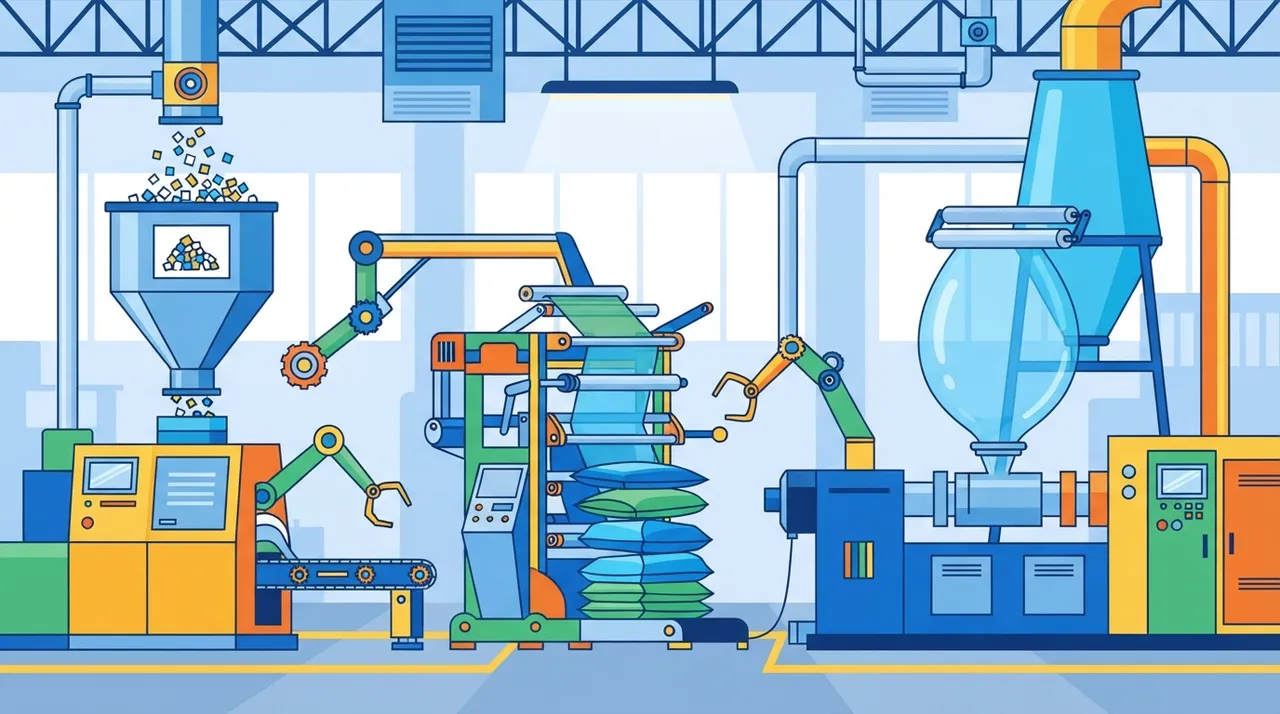
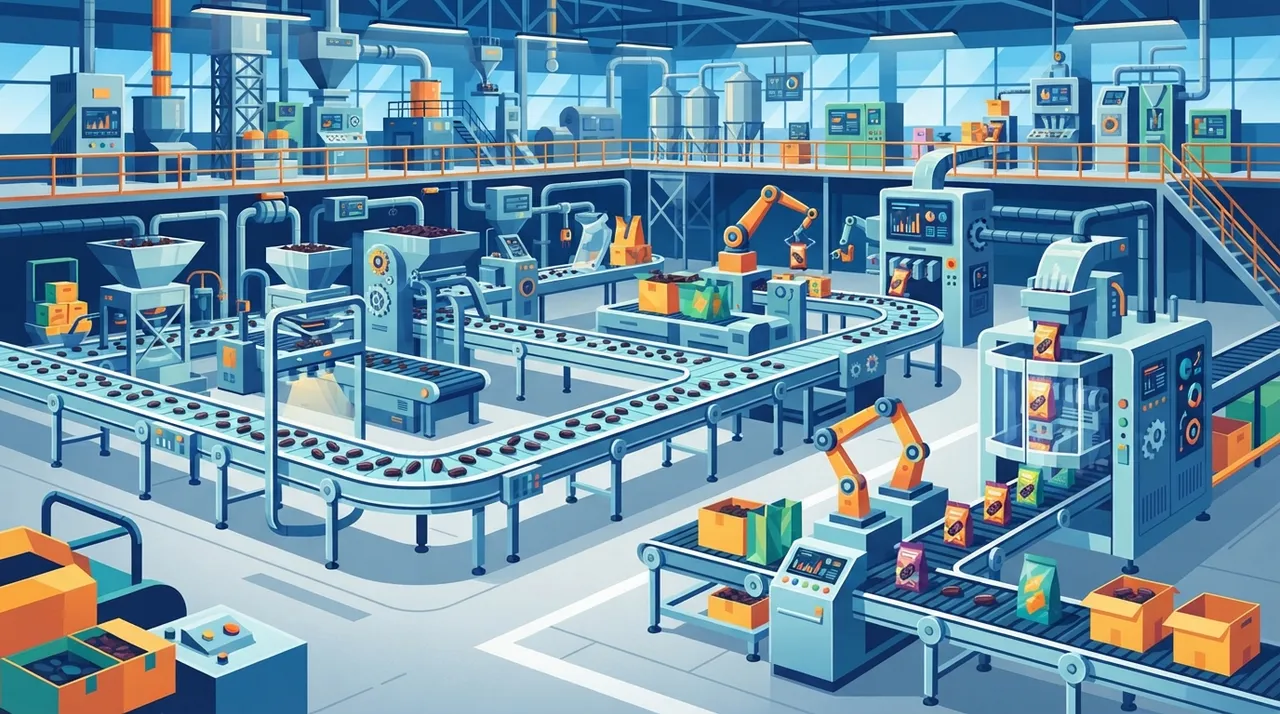
Daily operations of the factory include several stages starting from raw water intake, passing through strict purification and treatment processes to ensure compliance with the highest quality and health safety standards. Water is then bottled in various sizes using automated production lines, then packaged and stored in preparation for distribution. Strict quality control procedures will be in place at every stage of production, from raw water quality inspection to the final product, to ensure compliance with Omani and international standard specifications. This requires a trained and qualified team, including technicians, quality supervisors, and production workers.
The project requires a site in an industrial area with a minimum space of 1000 square meters to accommodate production lines, warehouses, and administrative facilities, considering future expansions. A pure and licensed water source must be secured, whether a groundwater well or relying on treated desalinated water while adhering to standard criteria. Technical aspects include selecting modern and integrated production lines for water treatment and bottling, including purification systems (such as reverse osmosis), water tanks, pumps, bottle blowing machines, filling and capping machines, labeling machines, and final packaging machines, in addition to a quality control laboratory. Reliable suppliers for raw materials such as bottles, caps, and labels will be selected to ensure the quality of the final product.
Projected Income Statement (٥ Years)
| Item \ Year | Y1 | Y2 | Y3 | Y4 | Y5 |
|---|---|---|---|---|---|
| Revenue | ٩٠٠٬٠٠٠ OMR | ٩٧٢٬٠٠٠ OMR | ١٬٠٤٩٬٧٦٠ OMR | ١٬١٣٣٬٧٤١ OMR | ١٬٢٢٤٬٤٤٠ OMR |
| Cost of Sales | (٤٩٥٬٠٠٠ OMR) | (٥٣٤٬٦٠٠ OMR) | (٥٧٧٬٣٦٨ OMR) | (٦٢٣٬٥٥٧ OMR) | (٦٧٣٬٤٤٢ OMR) |
| Gross Profit | ٤٠٥٬٠٠٠ OMR | ٤٣٧٬٤٠٠ OMR | ٤٧٢٬٣٩٢ OMR | ٥١٠٬١٨٣ OMR | ٥٥٠٬٩٩٨ OMR |
| Operating Expenses | (٢٢٥٬٠٠٠ OMR) | (٢٤٣٬٠٠٠ OMR) | (٢٦٢٬٤٤٠ OMR) | (٢٨٣٬٤٣٥ OMR) | (٣٠٦٬١١٠ OMR) |
| EBITDA | ١٨٠٬٠٠٠ OMR | ١٩٤٬٤٠٠ OMR | ٢٠٩٬٩٥٢ OMR | ٢٢٦٬٧٤٨ OMR | ٢٤٤٬٨٨٨ OMR |
| Tax | (٤٬٥٠٠ OMR) | (٦٬٦٦٠ OMR) | (٨٬٩٩٣ OMR) | (١١٬٥١٢ OMR) | (١٤٬٢٣٣ OMR) |
| Net Profit | ٢٥٬٥٠٠ OMR | ٣٧٬٧٤٠ OMR | ٥٠٬٩٥٩ OMR | ٦٥٬٢٣٦ OMR | ٨٠٬٦٥٥ OMR |
| Net Margin | ٣٪ | ٤٪ | ٥٪ | ٦٪ | ٧٪ |
Investment Cost Structure
| Item | Cost | Percentage |
|---|---|---|
| Construction and Infrastructure Development | ٢٦٢٬٥٠٠ OMR | ٣٥٪ |
| Production and Bottling Lines | ٣٠٠٬٠٠٠ OMR | ٤٠٪ |
| Raw Materials and Initial Operating Supplies | ٧٥٬٠٠٠ OMR | ١٠٪ |
| Licenses and Legal Fees | ٣٧٬٥٠٠ OMR | ٥٪ |
| Initial Marketing and Administrative Expenses | ٣٧٬٥٠٠ OMR | ٥٪ |
| Reserve Working Capital | ٣٧٬٥٠٠ OMR | ٥٪ |
Cash Flow and Break-even Point
| Year | Operating Cash Flow | Cumulative Cash Flow |
|---|---|---|
| Year ١ | ١٧٥٬٥٠٠ OMR | -٥٧٤٬٥٠٠ OMR |
| Year ٢ | ١٨٧٬٧٤٠ OMR | -٣٨٦٬٧٦٠ OMR |
| Year ٣ | ٢٠٠٬٩٥٩ OMR | -١٨٥٬٨٠١ OMR |
| Year ٤ | ٢١٥٬٢٣٦ OMR | ٢٩٬٤٣٥ OMR |
| Year ٥ | ٢٣٠٬٦٥٥ OMR | ٢٦٠٬٠٩٠ OMR |
Estimated break-even point at annual revenue ≈ ٨٣٣٬٣٣٣ OMR (~٩٣٪ of Year 1 revenue), with a contribution margin of ٤٥٪. Cumulative cash break-even in Year ٤.
Funding Structure
| Funding Source | Percentage | Amount |
|---|---|---|
| Equity | ٦٠٪ | ٤٥٠٬٠٠٠ OMR |
| Debt Financing (6% interest) | ٤٠٪ | ٣٠٠٬٠٠٠ OMR |
Sensitivity Analysis (Revenue × Operations)
Impact of simultaneous changes in revenue and costs on Net Present Value:
| Revenue \ Operations | −10٪ | −5٪ | Base | +5٪ | +10٪ |
|---|---|---|---|---|---|
| −20٪ | ١٤٠٬٠٣٨ OMR | ٥٬٩١٤ OMR | -١٢٩٬٠٢٩ OMR | -٢٧٦٬٦٢١ OMR | -٤٣٤٬٤١٤ OMR |
| −10٪ | ٢٤٠٬٦٣١ OMR | ٨٩٬٧٤١ OMR | -٦١٬١٤٨ OMR | -٢١٩٬١٨٦ OMR | -٣٩٤٬٩٦٥ OMR |
| Base | ٣٤١٬٢٢٤ OMR | ١٧٣٬٥٦٩ OMR | ٥٬٩١٤ OMR | -١٦٤٬٣٠٨ OMR | -٣٥٥٬٥١٧ OMR |
| +10٪ | ٤٤١٬٨١٧ OMR | ٢٥٧٬٣٩٧ OMR | ٧٢٬٩٧٦ OMR | -١١١٬٦٥٠ OMR | -٣١٦٬٠٦٩ OMR |
| +20٪ | ٥٤٢٬٤١٠ OMR | ٣٤١٬٢٢٤ OMR | ١٤٠٬٠٣٨ OMR | -٦١٬١٤٨ OMR | -٢٧٦٬٦٢١ OMR |
Scenario Analysis
| Scenario | Probability | NPV | Assessment |
|---|---|---|---|
| Pessimistic | ٢٥٪ | -٢٠٠٬٦١٣ OMR | Not feasible |
| Base | ٥٠٪ | ٥٬٩١٤ OMR | Feasible |
| Optimistic | ٢٥٪ | ٢٤٠٬٦٣١ OMR | Feasible |
Expected Present Value (Weighted): ١٢٬٩٦٢ OMR.
Risk Analysis and Management
| Risk | Probability | Impact | Mitigation |
|---|---|---|---|
| Fluctuations in raw material prices (bottles, caps) | Medium | High | Contracting with multiple suppliers, seeking alternatives, negotiating long-term contracts. |
| Intense market competition | High | Medium | Differentiating through product quality, effective marketing, building a strong brand, offering competitive prices, developing innovative distribution channels. |
| Operational challenges (equipment breakdown, quality issues) | Medium | High | Regular equipment maintenance, intensive staff training, implementing strict quality management systems (ISO, HACCP). |
| Regulatory and legal changes | Medium | Medium | Continuous monitoring of legal updates, engaging a specialized legal consultant, full compliance with applicable regulations. |
| Difficulty in securing a pure and sustainable water source | Medium | High | Accurate geological studies, exploring multiple sources, obtaining necessary approvals and licenses in advance. |
Organizational Structure and Team
The factory's organizational structure will consist of top management (General Manager, Operations Manager), in addition to key departments such as Production, Quality, Sales and Marketing, Human Resources, and Accounting and Finance. Technical and administrative staff with experience in the water and beverage industry will be recruited, with a focus on training and developing Omani employees.
Legal and Regulatory Aspects
The project requires obtaining numerous licenses and approvals from government entities in the Sultanate of Oman, including the commercial registration, approval from the Food and Drug Authority, quality certification from competent authorities, and licenses from the Ministry of Industry and the Ministry of Agricultural, Fisheries, and Water Resources. Compliance with environmental standards and Omani labor laws is essential, as is providing the safety and security equipment required by Civil Defense.
Expansion and Sustainability Plan
The expansion plan involves gradually increasing the factory's production capacity to meet growing demand, and introducing new production lines for different bottle sizes or other water types (such as alkaline water or flavored water). Geographical expansion can also be pursued to cover new regions in the Sultanate or even export to regional markets in the future. Sustainability will include focusing on efficient use of water and energy resources, and innovation in environmentally friendly packaging.
Environmental, Social, and Governance (ESG) Impact
The project is committed to the highest standards of Environmental, Social, and Governance (ESG) impact. Environmentally, the focus will be on sustainability in water resource use, waste management from the production process, and using recyclable packaging. Socially, the project will provide job opportunities for Omani citizens and contribute to local community development. In terms of governance, the factory will adhere to principles of transparency, accountability, and compliance with local and international laws and regulations.
Conclusions and Recommendations
The preliminary analysis shows that the mineral water bottling plant project in the Sultanate of Oman has high economic feasibility and a promising investment opportunity due to increasing demand for bottled water and population growth. Despite strong competition, focusing on quality, operational efficiency, and effective marketing can ensure a good market share and sustainable profitability for the project. It is recommended to proceed with a comprehensive detailed feasibility study covering financial, technical, and marketing aspects to determine the best implementation and operational strategies.
Frequently Asked Questions
How much does it cost to set up a mineral water bottling plant in the Sultanate of Oman?
The estimated cost to set up a medium-sized mineral water bottling plant in the Sultanate of Oman, including construction, production lines, and initial licenses, is approximately 750,000 Omani Riyals.
How profitable is a mineral water bottling plant project in Oman?
Assuming annual revenues of 900,000 Omani Riyals in the first year and a contribution margin of 45%, good profits can be achieved after covering operational and tax costs.
What licenses are required for a mineral water bottling plant in the Sultanate of Oman?
The project requires licenses from the Ministry of Agricultural, Fisheries, and Water Resources, the Food and Drug Authority, the Ministry of Industry, in addition to commercial registration and Civil Defense approvals.
Is a bottled water plant project profitable in the Sultanate of Oman?
Yes, a bottled water plant project is considered profitable in the Sultanate of Oman due to increasing demand and health awareness. The bottled water market in GCC countries is growing by 11% annually.
What are the main challenges facing water plants in Oman?
Key challenges include strong competition, fluctuations in raw material prices, high operating costs, and securing a pure and sustainable water source.
What is the daily production capacity of a medium-sized mineral water plant?
A medium-sized mineral water plant can start with a production capacity of about 50,000 bottles per day, with the possibility of expansion to increase production.
Sources and Disclaimer
- National Centre for Statistics and Information (Oman)
- Oman Tax Authority
- Specialized feasibility studies in the bottled water sector
- Bottled water market reports in GCC countries
- Data from companies operating in the sector (e.g., Oasis Oman)
Disclaimer: This is a guiding study that provides a financial analysis according to approved sector standards; verify the figures locally according to your project's reality before any investment decision.