Executive Summary
The kindergarten project in the education and training sector in Jordan targets a promising market opportunity. With an investment of 120,000 JOD, it achieves a Net Present Value (NPV) of -42,038 JOD, an Internal Rate of Return (IRR) of -0%, and a payback period of — years.
| Indicator | Value |
|---|---|
| Initial Investment | ١٢٠٬٠٠٠ د.أ |
| Year 1 Revenue | ٩٥٬٠٠٠ د.أ |
| Annual Growth (CAGR) | ١٢٪ |
| Net Margin (Y1) | -٥٪ |
| Return on Investment (Avg.) | -٠٪ annually |
| Net Present Value (NPV) | -٤٢٬٠٣٨ د.أ |
| Internal Rate of Return (IRR) | -٠٪ |
| Profitability Index (PI) | ١ |
| Payback Period | — |
| Breakeven Year | — |
| Expected NPV (Probability-Weighted) | -٤٠٬٦٤٦ د.أ |
Assumptions and Basis
The figures in this study are based on project data, the nature of the education and training sector in Jordan, and local market indicators, according to the following assumptions:
| Assumption | Value |
|---|---|
| Initial Capital | ١٢٠٬٠٠٠ د.أ |
| Year 1 Revenue | ٩٥٬٠٠٠ د.أ |
| Annual Growth | ١٢٪ |
| Cost of Goods Sold (COGS) | ٢٥٪ of Revenue |
| Operating Expenses | ٥٥٪ of Revenue |
| Tax/Zakat | ١٠٪ |
| Discount Rate (WACC) | ١٥٪ |
| Study Horizon | ٥ years |
Basis of Assumptions: Estimates based on average costs and operations of kindergartens in Jordan, taking into account high-quality standards.
Project Description and Opportunity
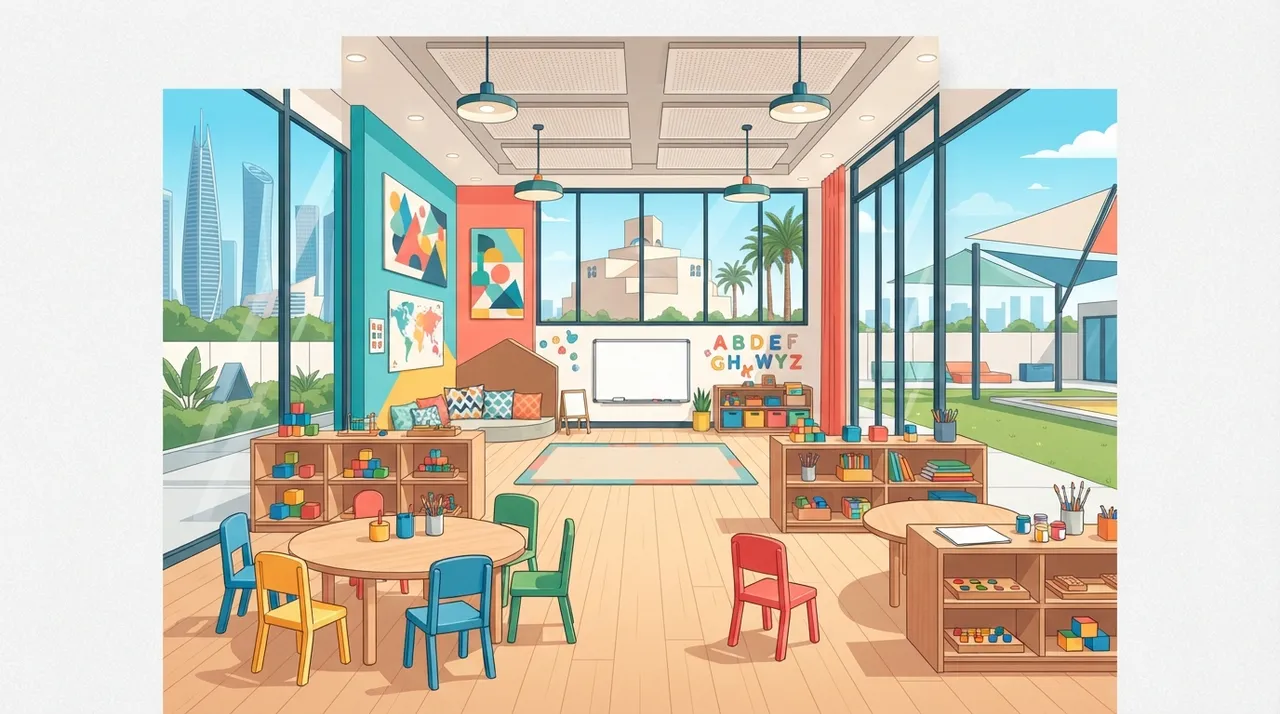
The kindergarten project aims to provide high-quality early education in Jordan, targeting families looking for a safe and stimulating educational environment for their children. The business model is characterized by offering advanced curricula focused on purposeful play and holistic development, along with additional services such as extracurricular activity programs and after-school care. The opportunity lies in demographic growth and increasing awareness of the importance of early education.
Market and Demand Study
The kindergarten market in Jordan is characterized by increasing demand, driven by high birth rates and increased female participation in the labor force, which creates an urgent need for child care and education services. Families are increasingly turning to kindergartens that offer advanced educational programs and a safe, stimulating environment, supporting the growth of the private sector. Statistics indicate that the enrollment rate in pre-school education in Jordan is on the rise, underscoring the attractiveness of this market.
Market Sizing (TAM / SAM / SOM)
The market was qualitatively sized based on population data for children in the target age group (3-5 years) in major cities such as Amman, Irbid, and Zarqa, taking into account average household income and expected spending on private education. The Total Addressable Market (TAM) was estimated based on the number of families with children in this age group who can afford private kindergartens. The Serviceable Addressable Market (SAM) was determined based on the project's capacity, taking into account a reasonable market share that can be achieved through effective marketing strategies.
| Level | Annual Size | Description |
|---|---|---|
| TAM — Total Market | 250.0 million JOD | Total serviceable demand |
| SAM — Addressable Market | 75.0 million JOD | The portion your model reaches |
| SOM — Realistic Target | 7.5 million JOD | Your realistic early share |
Sizing Basis: Market sizing relies on the number of children in the target age group (3-5 years) in major cities in Jordan, considering the purchasing power of families and the trend towards private education.
Unit Economics
Measures the profitability of each sales unit/customer — the most accurate feasibility indicator:
| Unit Indicator | Value |
|---|---|
| Sales Unit | Child/Student |
| Average Price/Revenue per Unit | ٢٥٠ د.أ |
| Customer Acquisition Cost (CAC) | ١٥٠ د.أ |
| Customer Lifetime Value (LTV) | ١٬٥٠٠ د.أ |
| LTV/CAC Ratio | ١٠× (Healthy) |
| Contribution Margin | ٧٠٪ |
Competitive Analysis
There are many kindergartens in Jordan, and competition levels range from moderate to high depending on the region. The project enjoys a sustainable competitive advantage by offering an innovative educational curriculum focused on the comprehensive development of the child, in addition to providing a safe and attractive learning environment and qualified and trained teaching staff. The focus will be on building a strong reputation through quality and results, and providing additional services that distinguish the project from competitors.
Market Entry and Pricing Plan
The market entry and marketing plan includes targeting families in neighborhoods adjacent to the proposed location, through local advertising campaigns via social media, small billboards, and community events. Marketing channels will include visits to nearby schools and community centers, in addition to special offers for early registration. Services will be priced competitively, taking into account the high quality and additional services provided.
Capacity and Operations
The initial capacity starts with 70 children in the first year, gradually increasing to 120 children by the third year, with an expected occupancy rate of 70% in the first year and 90% thereafter.
Daily operations focus on providing a comprehensive educational and pedagogical program, including classroom and extracurricular activities. A strict system will be implemented to ensure the quality of education and care, and continuous training will be provided to the teaching and administrative staff. The focus will be on effective communication with parents to ensure their participation in the educational process and monitoring their children's progress.
Technical aspects include selecting an easily accessible and suitable location, equipping the building with modern and safe classrooms, indoor and outdoor play areas, and health facilities that comply with health and safety standards. Reliable suppliers will be contracted for educational furniture, toys, and educational materials, in addition to providing advanced security and monitoring systems.
Projected Income Statement (5 Years)
| Item \ Year | Y1 | Y2 | Y3 | Y4 | Y5 |
|---|---|---|---|---|---|
| Revenues | ٩٥٬٠٠٠ د.أ | ١٠٦٬٤٠٠ د.أ | ١١٩٬١٦٨ د.أ | ١٣٣٬٤٦٨ د.أ | ١٤٩٬٤٨٤ د.أ |
| Cost of Sales | (٢٣٬٧٥٠ د.أ) | (٢٦٬٦٠٠ د.أ) | (٢٩٬٧٩٢ د.أ) | (٣٣٬٣٦٧ د.أ) | (٣٧٬٣٧١ د.أ) |
| Gross Profit | ٧١٬٢٥٠ د.أ | ٧٩٬٨٠٠ د.أ | ٨٩٬٣٧٦ د.أ | ١٠٠٬١٠١ د.أ | ١١٢٬١١٣ د.أ |
| Operating Expenses | (٥٢٬٢٥٠ د.أ) | (٥٨٬٥٢٠ د.أ) | (٦٥٬٥٤٢ د.أ) | (٧٣٬٤٠٧ د.أ) | (٨٢٬٢١٦ د.أ) |
| EBITDA | ١٩٬٠٠٠ د.أ | ٢١٬٢٨٠ د.أ | ٢٣٬٨٣٤ د.أ | ٢٦٬٦٩٤ د.أ | ٢٩٬٨٩٧ د.أ |
| Tax | (٠ د.أ) | (٠ د.أ) | (٠ د.أ) | (٢٦٩ د.أ) | (٥٩٠ د.أ) |
| Net Profit | -٥٬٠٠٠ د.أ | -٢٬٧٢٠ د.أ | -١٦٦ د.أ | ٢٬٤٢٤ د.أ | ٥٬٣٠٧ د.أ |
| Net Margin | -٥٪ | -٣٪ | -٠٪ | ٢٪ | ٤٪ |
Investment Cost Structure
| Item | Cost | Percentage |
|---|---|---|
| Building Rent and Furnishings | ٣٦٬٠٠٠ د.أ | ٣٠٪ |
| Salaries and Employee Benefits | ٤٨٬٠٠٠ د.أ | ٤٠٪ |
| Educational Materials and Toys | ١٢٬٠٠٠ د.أ | ١٠٪ |
| Marketing and Advertising | ٦٬٠٠٠ د.أ | ٥٪ |
| Other Operating Expenses | ١٨٬٠٠٠ د.أ | ١٥٪ |
Cash Flow and Breakeven Point
| Year | Operating Cash Flow | Cumulative Cash Flow |
|---|---|---|
| Year 1 | ١٩٬٠٠٠ د.أ | -١٠١٬٠٠٠ د.أ |
| Year 2 | ٢١٬٢٨٠ د.أ | -٧٩٬٧٢٠ د.أ |
| Year 3 | ٢٣٬٨٣٤ د.أ | -٥٥٬٨٨٦ د.أ |
| Year 4 | ٢٦٬٤٢٤ د.أ | -٢٩٬٤٦٢ د.أ |
| Year 5 | ٢٩٬٣٠٧ د.أ | -١٥٥ د.أ |
Estimated breakeven point at annual revenue ≈ ١٠١٬٦٦٧ د.أ (~١٠٧٪ of Year 1 revenue), with a contribution margin of ٧٥٪. Cumulative cash breakeven is beyond the study horizon.
Funding Structure
| Funding Source | Percentage | Amount |
|---|---|---|
| Equity | ٧٠٪ | ٨٤٬٠٠٠ د.أ |
| Debt Financing (8% interest) | ٣٠٪ | ٣٦٬٠٠٠ د.أ |
Sensitivity Analysis (Revenue × Operations)
The impact of changes in revenue and costs together on Net Present Value:
| Revenue \ Operations | −10٪ | −5٪ | Base | +5٪ | +10٪ |
|---|---|---|---|---|---|
| −20٪ | -٢٧٬٣٧٧ د.أ | -٤٢٬٠٣٨ د.أ | -٥٧٬٢٧٢ د.أ | -٧٢٬٩٥٤ د.أ | -٨٨٬٦٣٦ د.أ |
| −10٪ | -١٦٬٦٨٧ د.أ | -٣٢٬٧٩٨ د.أ | -٤٩٬٥٧٧ د.أ | -٦٧٬٠٧٤ د.أ | -٨٤٬٧١٦ د.أ |
| Base | -٦٬١٠٢ د.أ | -٢٣٬٧٦٦ د.أ | -٤٢٬٠٣٨ د.أ | -٦١٬١٩٣ د.أ | -٨٠٬٧٩٥ د.أ |
| +10٪ | ٤٬٤٨٣ د.أ | -١٤٬٩٢٣ د.أ | -٣٤٬٦٤٤ د.أ | -٥٥٬٣٤٥ د.أ | -٧٦٬٨٧٥ د.أ |
| +20٪ | ١٥٬٠٦٩ د.أ | -٦٬١٠٢ د.أ | -٢٧٬٣٧٧ د.أ | -٤٩٬٥٧٧ د.أ | -٧٢٬٩٥٤ د.أ |
Scenario Analysis
| Scenario | Probability | NPV | Assessment |
|---|---|---|---|
| Pessimistic | ٢٥٪ | -٧٤٬٥٢٢ د.أ | Not Feasible |
| Base | ٥٠٪ | -٤٢٬٠٣٨ د.أ | Not Feasible |
| Optimistic | ٢٥٪ | -٣٬٩٨٥ د.أ | Not Feasible |
Expected Present Value (Weighted): -٤٠٬٦٤٦ د.أ.
Risk Analysis and Management
| Risk | Probability | Impact | Mitigation |
|---|---|---|---|
| Failure to obtain required licenses | Medium | High | Consult a specialized legal advisor and diligently follow procedures. |
| Insufficient number of registered children | Medium | High | Intensive marketing campaigns and attractive early registration offers. |
| Unexpected rise in operating costs | Medium | Medium | Establish an emergency budget and review costs periodically. |
| Strong competition from other kindergartens | High | Medium | Focus on competitive advantage, high quality, and distinguished services. |
| Changes in government policies and regulations | Low | Medium | Monitor legislative updates and adapt accordingly. |
Organizational Structure and Team
The organizational structure will consist of a kindergarten director, an academic supervisor, teachers, teacher assistants, an administrator, and cleaning staff. Staff will be carefully selected based on experience, competence, and passion for working with children. Continuous training and development programs will be provided to ensure the team stays abreast of the latest educational practices.
Legal and Regulatory Aspects
The project requires obtaining a license from the Jordanian Ministry of Education, in addition to licenses from the Ministry of Social Development, the Ministry of Health, and the Greater Amman Municipality (or relevant municipalities). Compliance with standards and regulations related to occupational health and safety and child protection is mandatory.
Expansion and Sustainability Plan
The future expansion plan includes opening additional branches in different areas of Jordan after achieving success in the first branch, in addition to the possibility of developing specialized educational programs or additional care services. Sustainability focuses on building a strong reputation and maintaining the quality of services provided, ensuring a continuous flow of students.
Environmental, Social, and Governance (ESG) Impact
The project seeks to achieve a positive environmental and social impact by using eco-friendly materials in facilities and operations, and promoting environmental awareness among children. The project also contributes to providing job opportunities and promoting local development. Principles of good governance and transparency will be adhered to in all aspects of work.
Conclusions and Recommendations
The feasibility study shows that the kindergarten project in Jordan has promising financial viability and a great opportunity for success, given the increasing demand for high-quality early education. It is recommended to proceed with the project with a focus on implementing the proposed plans accurately and carefully.
Frequently Asked Questions
How much does a kindergarten project cost in Jordan?
The estimated cost of a kindergarten project in Jordan is approximately 120,000 Jordanian Dinars, including rent, furnishings, and initial salaries.
How much profit does a kindergarten project make in Jordan?
A kindergarten project can generate annual revenues of approximately 95,000 Jordanian Dinars in the first year, with a good profit margin after deducting operating costs and taxes.
What are the licenses required for a kindergarten project in Jordan?
The project requires licenses from the Ministry of Education, the Ministry of Social Development, the Ministry of Health, and the Greater Amman Municipality (or relevant municipalities).
Is a kindergarten project profitable in Jordan?
Yes, a kindergarten project is considered profitable in Jordan due to the increasing demand for high-quality early education and demographic growth.
What are the main challenges facing a kindergarten project?
Key challenges include strong competition, high operating costs, the need to attract qualified teaching staff, and ensuring continuous enrollment.
Sources and Disclaimer
- Jordanian Ministry of Education
- Jordan Department of Statistics
- Local market studies for the private education sector
- Bank and financial institution reports on financing small and medium-sized enterprises in Jordan
- Experts and consultants in the early childhood education sector in Jordan
Disclaimer: This is a guiding study that provides a financial analysis according to approved sector standards; verify the figures locally according to your project's reality before any investment decision.