Executive Summary
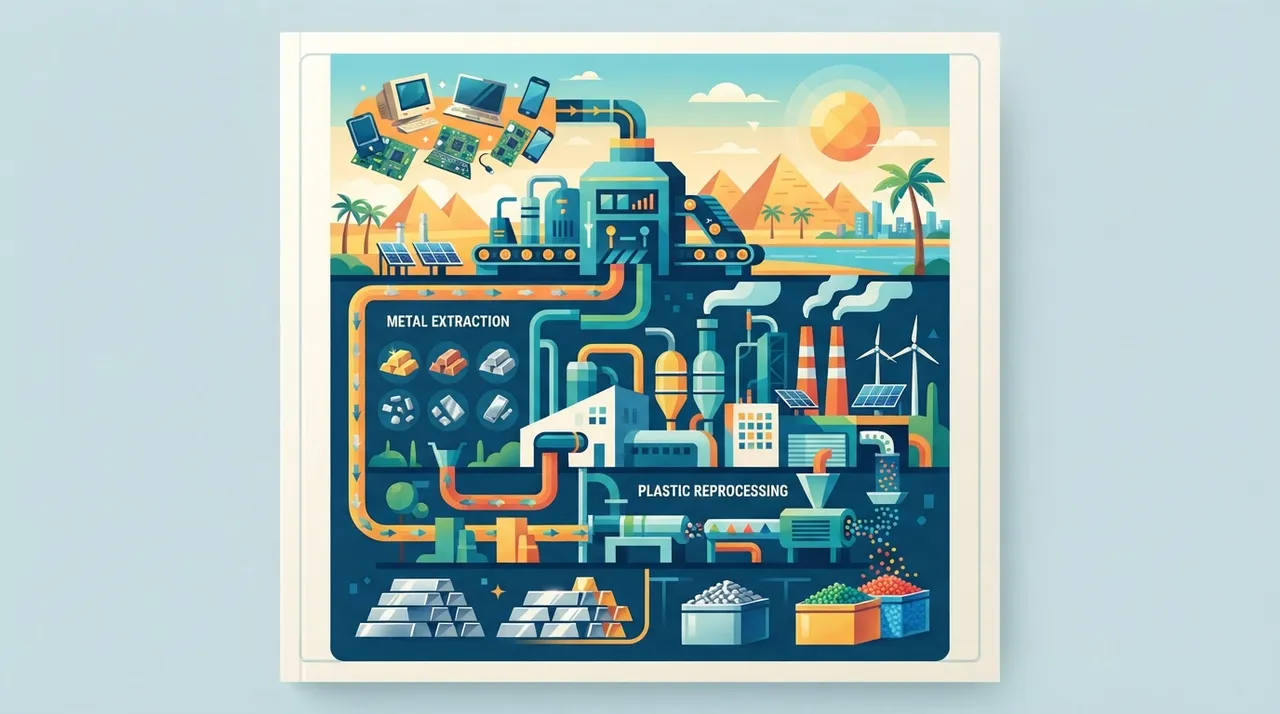
The project for a factory to manufacture sustainable building materials from agricultural and industrial waste (such as rice husks, wood waste, and recycled plastic) to produce lightweight insulating panels and eco-friendly bricks in the industrial and manufacturing sector in Morocco targets a promising market opportunity. With an investment of 3,500,000 MAD, it achieves a Net Present Value (NPV) of 4,855,102 MAD, an Internal Rate of Return (IRR) of 49%, and a payback period of 1.9 years.
| Indicator | Value |
|---|---|
| Initial Investment | ٣٬٥٠٠٬٠٠٠ د.م |
| First-Year Revenue | ١٢٬٠٠٠٬٠٠٠ د.م |
| Annual Growth (CAGR) | ١٠٪ |
| Net Margin (Y1) | ٩٪ |
| Return on Investment (Avg.) | ٤١٪ annually |
| Net Present Value (NPV) | ٤٬٨٥٥٬١٠٢ د.م |
| Internal Rate of Return (IRR) | ٤٩٪ |
| Profitability Index (PI) | ٢ |
| Payback Period | ٢ سنة |
| Break-even Year | Year 2 |
| Expected NPV (Probability-weighted) | ٤٬٩٩٢٬٠٢٤ د.م |
Assumptions and Basis
The figures in this study are based on project data, the nature of the industrial and manufacturing sector in Morocco, and local market indicators, according to the following assumptions:
| Assumption | Value |
|---|---|
| Initial Capital | ٣٬٥٠٠٬٠٠٠ د.م |
| First-Year Revenue | ١٢٬٠٠٠٬٠٠٠ د.م |
| Annual Growth | ١٠٪ |
| Cost of Goods Sold (COGS) | ٦٠٪ of revenue |
| Operating Expenses | ٢٥٪ of revenue |
| Tax/Zakat | ٥٪ |
| Discount Rate (WACC) | ٨٪ |
| Study Horizon | ٥ سنوات |
Basis of Assumptions: The basis for these figures is the average of the industrial sector in Morocco.
Project Description and Opportunity
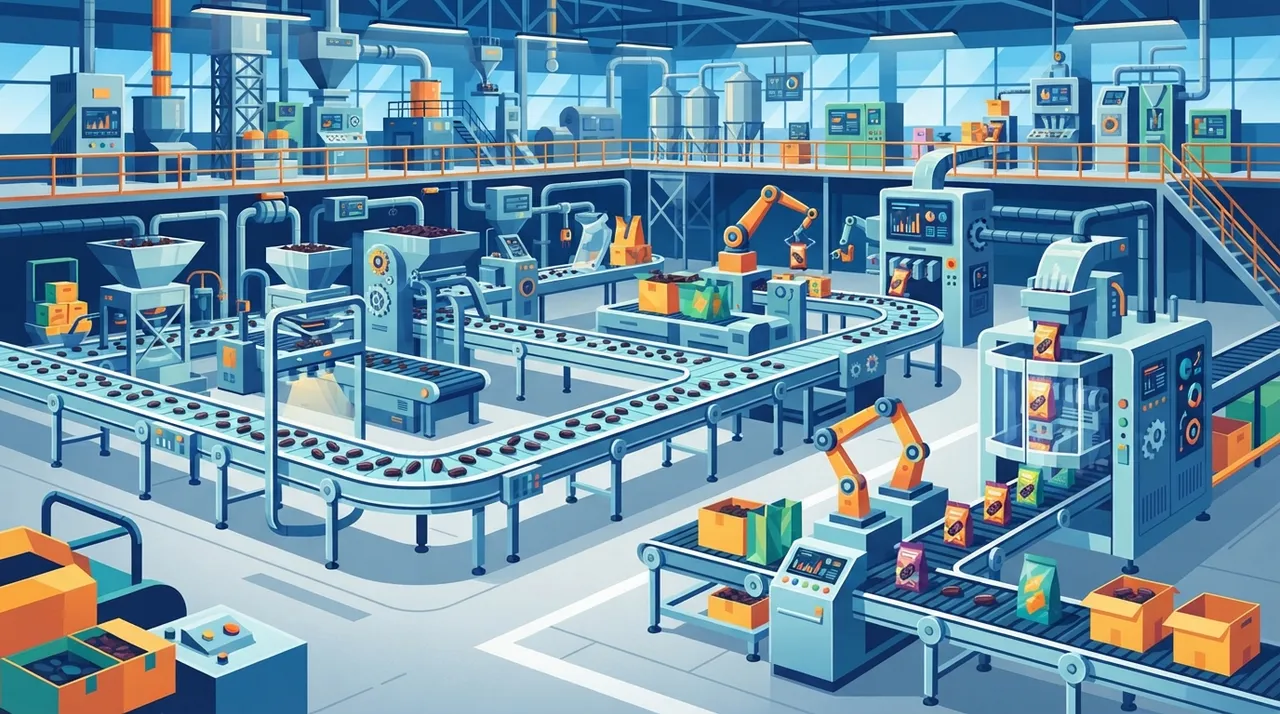
The project aims to produce sustainable building materials from agricultural and industrial waste, with a focus on lightweight insulating panels and eco-friendly bricks. The goal is to meet the increasing demand for sustainable materials in the construction sector.
Market and Demand Study
The Moroccan sustainable construction market is growing, with increasing interest in sustainable and eco-friendly materials. Demand for lightweight insulation panels and eco-friendly bricks is considered high.
Market Sizing (TAM / SAM / SOM)
Market sizing methodology was used based on the total market size for sustainable construction in Morocco, taking into account the annual growth rate and demand for sustainable materials.
| Level | Annual Size | Description |
|---|---|---|
| TAM — Total Addressable Market | 500.0 مليون د.م | Total serviceable demand |
| SAM — Serviceable Available Market | 200.0 مليون د.م | Portion accessible by your model |
| SOM — Serviceable Obtainable Market | 100.0 مليون د.م | Your realistic early share |
Sizing Basis: The sizing basis is the total market size for sustainable construction in Morocco.
Unit Economics
Measures the profitability of each sales unit/customer — the most accurate feasibility indicator:
| Unit Indicator | Value |
|---|---|
| Sales Unit | Sales unit (insulating panels and bricks) |
| Average Price/Revenue per Unit | ٥٠٠ د.م |
| Customer Acquisition Cost (CAC) | ٢٠٠ د.م |
| Customer Lifetime Value (LTV) | ٥٬٠٠٠ د.م |
| LTV/CAC Ratio | ٢٥× (healthy) |
| Contribution Margin | ٣٠٪ |
Competitive Analysis
Competition in the Moroccan sustainable construction market is high, with many companies producing sustainable building materials. However, our project is unique due to its focus on recycling agricultural and industrial waste.
Market Entry and Pricing Plan
The market entry plan includes marketing through social media and participating in industrial exhibitions, with a focus on competitive pricing.
Capacity and Operations
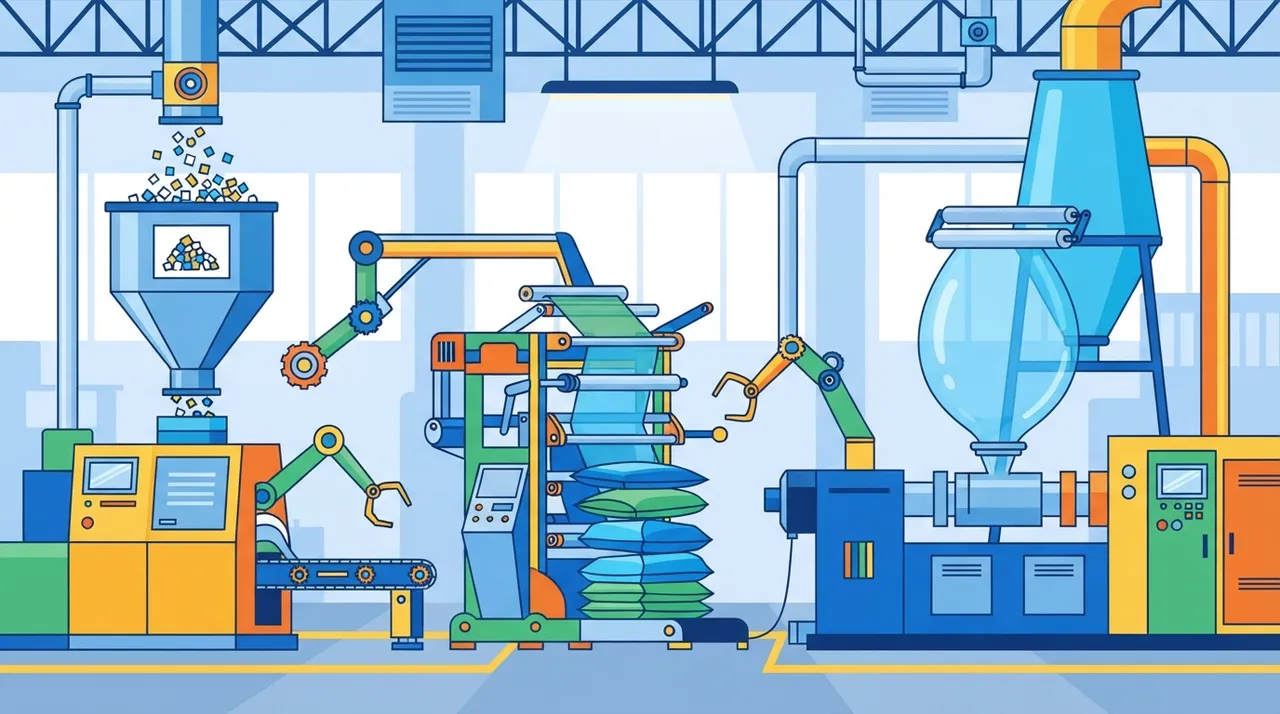
The factory's production capacity is 1000 tons per month, with the possibility of expansion to 2000 tons per month.
Daily factory operations will be carried out by a team of trained workers, with a focus on ensuring production quality and cost control.
The technical aspects of the project include the use of modern technologies for recycling agricultural and industrial waste, with a professional technical team to ensure production quality.
Projected Income Statement (5 Years)
| Item \ Year | Y1 | Y2 | Y3 | Y4 | Y5 |
|---|---|---|---|---|---|
| Revenue | ١٢٬٠٠٠٬٠٠٠ د.م | ١٣٬٢٠٠٬٠٠٠ د.م | ١٤٬٥٢٠٬٠٠٠ د.م | ١٥٬٩٧٢٬٠٠٠ د.م | ١٧٬٥٦٩٬٢٠٠ د.م |
| Cost of Sales | (٧٬٢٠٠٬٠٠٠ د.م) | (٧٬٩٢٠٬٠٠٠ د.م) | (٨٬٧١٢٬٠٠٠ د.م) | (٩٬٥٨٣٬٢٠٠ د.م) | (١٠٬٥٤١٬٥٢٠ د.م) |
| Gross Profit | ٤٬٨٠٠٬٠٠٠ د.م | ٥٬٢٨٠٬٠٠٠ د.م | ٥٬٨٠٨٬٠٠٠ د.م | ٦٬٣٨٨٬٨٠٠ د.م | ٧٬٠٢٧٬٦٨٠ د.م |
| Operating Expenses | (٣٬٠٠٠٬٠٠٠ د.م) | (٣٬٣٠٠٬٠٠٠ د.م) | (٣٬٦٣٠٬٠٠٠ د.م) | (٣٬٩٩٣٬٠٠٠ د.م) | (٤٬٣٩٢٬٣٠٠ د.م) |
| EBITDA | ١٬٨٠٠٬٠٠٠ د.م | ١٬٩٨٠٬٠٠٠ د.م | ٢٬١٧٨٬٠٠٠ د.م | ٢٬٣٩٥٬٨٠٠ د.م | ٢٬٦٣٥٬٣٨٠ د.م |
| Tax | (٥٥٬٠٠٠ د.م) | (٦٤٬٠٠٠ د.م) | (٧٣٬٩٠٠ د.م) | (٨٤٬٧٩٠ د.م) | (٩٦٬٧٦٩ د.م) |
| Net Profit | ١٬٠٤٥٬٠٠٠ د.م | ١٬٢١٦٬٠٠٠ د.م | ١٬٤٠٤٬١٠٠ د.م | ١٬٦١١٬٠١٠ د.م | ١٬٨٣٨٬٦١١ د.م |
| Net Margin | ٩٪ | ٩٪ | ١٠٪ | ١٠٪ | ١١٪ |
Investment Cost Structure
| Item | Cost | Percentage |
|---|---|---|
| Raw Material Cost | ١٬٠٥٠٬٠٠٠ د.م | ٣٠٪ |
| Labor Cost | ٨٧٥٬٠٠٠ د.م | ٢٥٪ |
| Operating Cost | ٧٠٠٬٠٠٠ د.م | ٢٠٪ |
| Marketing Cost | ٣٥٠٬٠٠٠ د.م | ١٠٪ |
| Capital Cost | ٥٢٥٬٠٠٠ د.م | ١٥٪ |
Cash Flow and Break-even Point
| Year | Operating Cash Flow | Cumulative Cash Flow |
|---|---|---|
| Year 1 | ١٬٧٤٥٬٠٠٠ د.م | -١٬٧٥٥٬٠٠٠ د.م |
| Year 2 | ١٬٩١٦٬٠٠٠ د.م | ١٦١٬٠٠٠ د.م |
| Year 3 | ٢٬١٠٤٬١٠٠ د.م | ٢٬٢٦٥٬١٠٠ د.م |
| Year 4 | ٢٬٣١١٬٠١٠ د.م | ٤٬٥٧٦٬١١٠ د.م |
| Year 5 | ٢٬٥٣٨٬٦١١ د.م | ٧٬١١٤٬٧٢١ د.م |
Estimated break-even point at annual revenue ≈ ٩٬٢٥٠٬٠٠٠ د.م (~٧٧٪ of first-year revenue), with a ٤٠٪ contribution margin. Cumulative cash break-even in Year 2.
Funding Structure
| Funding Source | Percentage | Amount |
|---|---|---|
| Equity | ٦٠٪ | ٢٬١٠٠٬٠٠٠ د.م |
| Debt Financing (6% interest) | ٤٠٪ | ١٬٤٠٠٬٠٠٠ د.م |
Sensitivity Analysis (Revenue × Operations)
Impact of simultaneous changes in revenue and costs on Net Present Value:
| Revenue \ Operations | −10٪ | −5٪ | Base | +5٪ | +10٪ |
|---|---|---|---|---|---|
| −20٪ | ٧٬٥٩٣٬٥٥٤ د.م | ٥٬٤٠٢٬٧٩٢ د.م | ٣٬٢١٢٬٠٣٠ د.م | ١٬٠٢١٬٢٦٨ د.م | -١٬١٩٤٬٠٢٩ د.م |
| −10٪ | ٨٬٩٦٢٬٧٨٠ د.م | ٦٬٤٩٨٬١٧٣ د.م | ٤٬٠٣٣٬٥٦٦ د.م | ١٬٥٦٨٬٩٥٩ د.م | -٩٠٩٬٤٤٩ د.م |
| Base | ١٠٬٣٣٢٬٠٠٦ د.م | ٧٬٥٩٣٬٥٥٤ د.م | ٤٬٨٥٥٬١٠٢ د.م | ٢٬١١٦٬٦٤٩ د.م | -٦٢٨٬١٤٧ د.م |
| +10٪ | ١١٬٧٠١٬٢٣٢ د.م | ٨٬٦٨٨٬٩٣٥ د.م | ٥٬٦٧٦٬٦٣٧ د.م | ٢٬٦٦٤٬٣٤٠ د.م | -٣٤٩٬٨١٠ د.م |
| +20٪ | ١٣٬٠٧٠٬٤٥٨ د.م | ٩٬٧٨٤٬٣١٦ د.م | ٦٬٤٩٨٬١٧٣ د.م | ٣٬٢١٢٬٠٣٠ د.م | -٧٤٬١١٢ د.م |
Scenario Analysis
| Scenario | Probability | NPV | Assessment |
|---|---|---|---|
| Pessimistic | ٢٥٪ | ٢٬١١٦٬٦٤٩ د.م | Feasible |
| Base | ٥٠٪ | ٤٬٨٥٥٬١٠٢ د.م | Feasible |
| Optimistic | ٢٥٪ | ٨٬١٤١٬٢٤٤ د.م | Feasible |
Expected Present Value (weighted): ٤٬٩٩٢٬٠٢٤ د.م.
Risk Analysis and Management
| Risk | Probability | Impact | Mitigation |
|---|---|---|---|
| Market Risks | Medium | High | Continuous market analysis |
| Production Risks | Low | Medium | Continuous production monitoring |
| Financial Risks | Medium | High | Sound financial planning |
| Environmental Risks | Low | Medium | Compliance with environmental laws |
Organizational Structure and Team
The project's organizational structure includes a management team, a technical team, and a labor force, with a plan for human resource development.
Legal and Regulatory Aspects
Project licenses and compliance will be achieved by obtaining the necessary licenses from Moroccan authorities and complying with industrial laws and regulations.
Expansion and Sustainability Plan
Project expansion and sustainability will be achieved through increased production and market expansion, with a focus on maintaining production and service quality.
Environmental, Social, and Governance (ESG) Impact
The project's environmental impact will be managed by reducing negative environmental effects, with a focus on recycling agricultural and industrial waste.
Conclusions and Recommendations
The conclusion and recommendation for the project are that it is considered a promising venture, with potential for success in the Moroccan sustainable construction market.
Frequently Asked Questions
What is the cost of establishing a factory for manufacturing sustainable building materials in Morocco?
3.5 million Moroccan Dirhams
How much profit does a sustainable building materials factory in Morocco make in its first year?
12 million Moroccan Dirhams
What materials are used to produce lightweight insulating panels and eco-friendly bricks?
Agricultural and industrial waste
Is the project for a sustainable building materials factory profitable in Morocco?
Yes, with potential for success in the Moroccan sustainable construction market.
Sources and Disclaimer
- Study of the sustainable construction market in Morocco
- Report on recycling agricultural and industrial waste
- Statement on the technology used in recycling
Disclaimer: This is a guiding study that provides financial analysis according to approved sector standards; verify the figures locally according to your project's reality before any investment decision.