Executive Summary
The cardboard packaging factory project in the industrial and manufacturing sector in Egypt targets a promising market opportunity. With an investment of ٨٬٥٠٠٬٠٠٠ EGP, it achieves a net present value of -٢٬٣١٣٬٣٤٠ EGP, an internal rate of return of ٦٪, and a payback period of 4.3 years.
| Indicator | Value |
|---|---|
| Initial Investment | ٨٬٥٠٠٬٠٠٠ EGP |
| First Year Revenue | ١٢٬٠٠٠٬٠٠٠ EGP |
| Annual Growth (CAGR) | ٨٪ |
| Net Margin (Y1) | ١٪ |
| Return on Investment (Avg) | ٤٪ annually |
| Net Present Value (NPV) | -٢٬٣١٣٬٣٤٠ EGP |
| Internal Rate of Return (IRR) | ٦٪ |
| Profitability Index (PI) | ١ |
| Payback Period | ٤ years |
| Break-even Year | Year ٥ |
| Expected NPV (Probability-Weighted) | -٢٬٢٩٤٬٧٠٠ EGP |
Assumptions and Basis
The figures in this study are based on project data, the nature of the industrial and manufacturing sector in Egypt, and local market indicators, according to the following assumptions:
| Assumption | Value |
|---|---|
| Initial Capital | ٨٬٥٠٠٬٠٠٠ EGP |
| First Year Revenue | ١٢٬٠٠٠٬٠٠٠ EGP |
| Annual Growth | ٨٪ |
| Cost of Goods Sold (COGS) | ٦٥٪ of Revenue |
| Operating Expenses | ٢٠٪ of Revenue |
| Tax/Zakat | ٢٣٪ |
| Discount Rate (WACC) | ١٨٪ |
| Study Horizon | ٥ years |
Basis of Assumptions: The figures are estimates for a medium-sized factory in Egypt, considering operating costs, raw materials, and current market prices.
Project Description and Opportunity
The cardboard packaging factory project in Egypt aims to meet the growing demand for sustainable packaging solutions. The sector is considered one of the promising industries due to its connection with many other sectors such as food, e-commerce, pharmaceuticals, and apparel. The business model relies on producing custom cardboard packaging in various sizes and designs, with a focus on quality and fast delivery. Target customers include packaging companies, wholesalers, furniture companies, electronics industries, pharmaceutical and cosmetics companies, apparel companies and textile factories, and e-commerce platforms.
Market and Demand Study
The packaging market in Egypt is experiencing strong growth, with the paper packaging market size reaching $2.06 billion in 2026. The demand for cardboard packaging is increasing due to the growth of industrial sectors and the expansion of distribution chains and stores, especially with the shift towards environmentally friendly packaging solutions. E-commerce is a key driver of demand, requiring individual product packaging and protection for fragile products during shipping. Additionally, exports from the printing and packaging sector are witnessing remarkable growth, enhancing commercial expansion opportunities.
Market Sizing (TAM / SAM / SOM)
Market sizing was based on estimates of the paper packaging market size in Egypt for 2026, which amounts to $2.06 billion. Corrugated boxes were assumed to represent a significant portion of this market, considering that they accounted for 30.10% of the market in 2025. The estimate relies on sector growth data and current economic indicators in Egypt. The Total Addressable Market (TAM) reflects the total size of the paper packaging market, while the Serviceable Available Market (SAM) represents the portion that the factory can effectively serve, and the Serviceable Obtainable Market (SOM) is the realistic share the factory can achieve in the initial years.
| Level | Annual Size | Description |
|---|---|---|
| TAM — Total Addressable Market | 2520.0 million EGP | Total serviceable demand |
| SAM — Serviceable Available Market | 1500.0 million EGP | The segment reachable by your model |
| SOM — Serviceable Obtainable Market | 300.0 million EGP | Your realistic early share |
Basis of Sizing: The paper packaging market size in Egypt is estimated at $2.06 billion (approximately 63.86 billion EGP at an approximate exchange rate of 31 EGP/dollar) in 2026, with a compound annual growth rate of 4.05% to reach $2.52 billion by 2031. The packaging sector holds the largest share of exports from the printing, packaging, and paper sector. Demand for cardboard is increasing by up to 8% due to the growth of industrial sectors and the expansion of distribution chains and e-commerce.
Unit Economics
Measures the profitability of each sales unit/customer — the most accurate feasibility indicator:
| Unit Indicator | Value |
|---|---|
| Sales Unit | Ton of cardboard packaging |
| Average Price/Revenue per Unit | ١٢٬٠٠٠ EGP |
| Customer Acquisition Cost (CAC) | ٥٠٠ EGP |
| Customer Lifetime Value (LTV) | ٦٠٬٠٠٠ EGP |
| LTV/CAC Ratio | ١٢٠× (healthy) |
| Contribution Margin | ٣٥٪ |
Competitive Analysis
Competition in the cardboard packaging market in Egypt is intense, with approximately 3000 factories producing cardboard and paper, and 1000 large factories specializing in paper, printing, and packaging. The project's sustainable advantage includes focusing on high quality, customization to meet specific customer needs, on-time delivery, and offering innovative and environmentally friendly packaging solutions. A competitive advantage can also be achieved through competitive pricing, excellent customer service, and building strong relationships with suppliers and customers.
Market Entry and Pricing Strategy
The market entry plan relies on targeting large and medium-sized factories in the food, pharmaceutical, electronics, and apparel sectors, in addition to e-commerce companies and logistics services. Marketing will be conducted through direct channels (field sales teams, corporate public relations) and digital channels (content marketing, targeted social media ads, and participation in industrial exhibitions such as interpack MEA 2026). Pricing will be determined based on production cost analysis, competitor prices, and the added value of customized packaging, with discounts offered for large orders and long-term contracts.
Capacity and Operations
The factory will operate with an initial production capacity of 1000 tons per month in the first year, with a plan for gradual expansion to increase production capacity by 15-20% annually to meet increasing demand and maximize utilization of production lines.
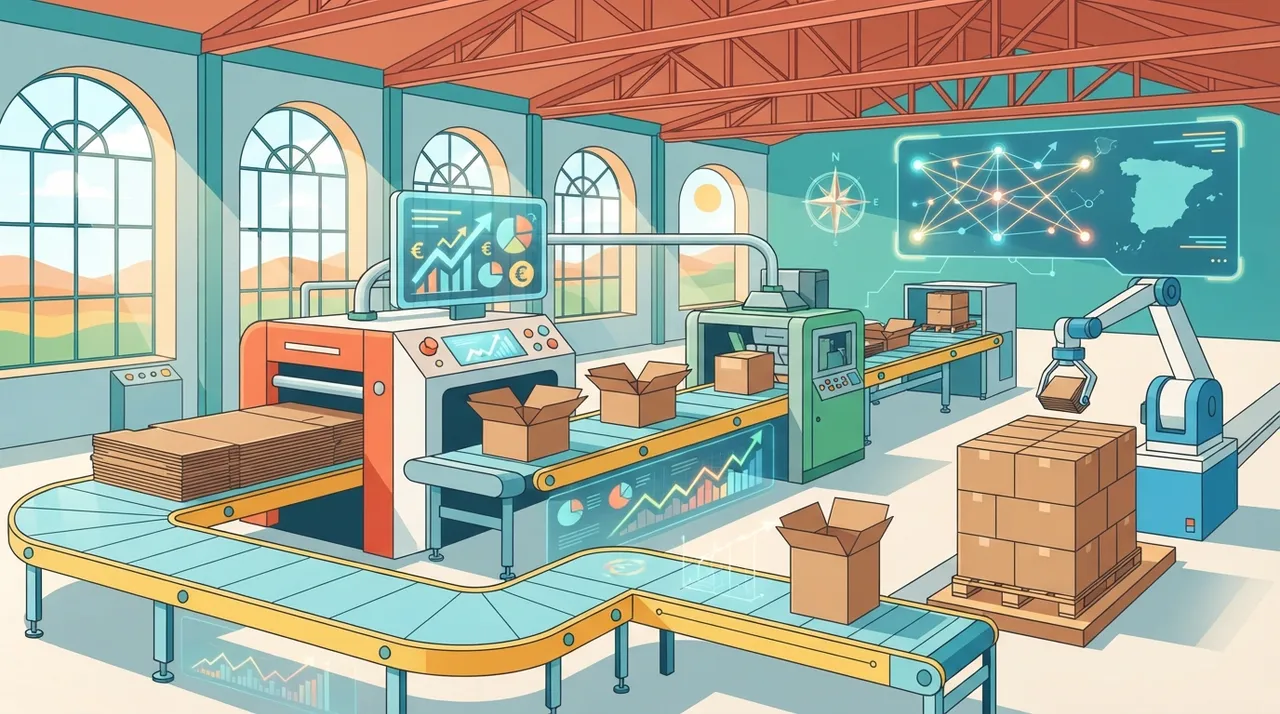
Daily operations will focus on efficiency and high productivity. The process begins with receiving and inspecting raw materials, then proceeds through manufacturing stages such as corrugating, cutting, printing, gluing, and assembling, culminating in final inspection and packaging. Strict quality control systems will be applied at each stage to ensure product conformity to required specifications and standard criteria. Labor will be trained on the latest technologies to ensure product quality and minimize waste.
The project requires a suitable location in an industrial area with a minimum area of 1000 square meters to accommodate the production line and various departments. The site must have all basic services such as power, infrastructure, and drainage. Essential equipment includes corrugated cardboard manufacturing machines, cutting and shaping machines, gluing machines, and hydraulic or manual presses, in addition to final packaging equipment and a quality inspection laboratory. The project will rely on local and international suppliers for raw materials such as cardboard, industrial glue, and inks, with an emphasis on the quality of recycled raw materials to ensure production sustainability.
Projected Income Statement (٥ Years)
| Item \ Year | Y1 | Y2 | Y3 | Y4 | Y5 |
|---|---|---|---|---|---|
| Revenue | ١٢٬٠٠٠٬٠٠٠ EGP | ١٢٬٩٦٠٬٠٠٠ EGP | ١٣٬٩٩٦٬٨٠٠ EGP | ١٥٬١١٦٬٥٤٤ EGP | ١٦٬٣٢٥٬٨٦٨ EGP |
| Cost of Sales | (٧٬٨٠٠٬٠٠٠ EGP) | (٨٬٤٢٤٬٠٠٠ EGP) | (٩٬٠٩٧٬٩٢٠ EGP) | (٩٬٨٢٥٬٧٥٤ EGP) | (١٠٬٦١١٬٨١٤ EGP) |
| Gross Profit | ٤٬٢٠٠٬٠٠٠ EGP | ٤٬٥٣٦٬٠٠٠ EGP | ٤٬٨٩٨٬٨٨٠ EGP | ٥٬٢٩٠٬٧٩٠ EGP | ٥٬٧١٤٬٠٥٤ EGP |
| Operating Expenses | (٢٬٤٠٠٬٠٠٠ EGP) | (٢٬٥٩٢٬٠٠٠ EGP) | (٢٬٧٩٩٬٣٦٠ EGP) | (٣٬٠٢٣٬٣٠٩ EGP) | (٣٬٢٦٥٬١٧٤ EGP) |
| EBITDA | ١٬٨٠٠٬٠٠٠ EGP | ١٬٩٤٤٬٠٠٠ EGP | ٢٬٠٩٩٬٥٢٠ EGP | ٢٬٢٦٧٬٤٨٢ EGP | ٢٬٤٤٨٬٨٨٠ EGP |
| Tax | (٢٢٬٥٠٠ EGP) | (٥٤٬٩٠٠ EGP) | (٨٩٬٨٩٢ EGP) | (١٢٧٬٦٨٣ EGP) | (١٦٨٬٤٩٨ EGP) |
| Net Profit | ٧٧٬٥٠٠ EGP | ١٨٩٬١٠٠ EGP | ٣٠٩٬٦٢٨ EGP | ٤٣٩٬٧٩٨ EGP | ٥٨٠٬٣٨٢ EGP |
| Net Margin | ١٪ | ٢٪ | ٢٪ | ٣٪ | ٤٪ |
Investment Cost Structure
| Item | Cost | Percentage |
|---|---|---|
| Costs of purchasing and installing equipment and machinery | ٣٬٨٢٥٬٠٠٠ EGP | ٤٥٪ |
| Costs of constructing and equipping buildings and infrastructure | ٢٬١٢٥٬٠٠٠ EGP | ٢٥٪ |
| Working capital (raw materials, wages, initial operating expenses) | ١٬٧٠٠٬٠٠٠ EGP | ٢٠٪ |
| Costs of licenses, permits, and initial marketing | ٤٢٥٬٠٠٠ EGP | ٥٪ |
| Contingency and reserve costs | ٤٢٥٬٠٠٠ EGP | ٥٪ |
Cash Flow and Break-even Point
| Year | Operating Cash Flow | Cumulative Cash Flow |
|---|---|---|
| Year ١ | ١٬٧٧٧٬٥٠٠ EGP | -٦٬٧٢٢٬٥٠٠ EGP |
| Year ٢ | ١٬٨٨٩٬١٠٠ EGP | -٤٬٨٣٣٬٤٠٠ EGP |
| Year ٣ | ٢٬٠٠٩٬٦٢٨ EGP | -٢٬٨٢٣٬٧٧٢ EGP |
| Year ٤ | ٢٬١٣٩٬٧٩٨ EGP | -٦٨٣٬٩٧٤ EGP |
| Year ٥ | ٢٬٢٨٠٬٣٨٢ EGP | ١٬٥٩٦٬٤٠٨ EGP |
Estimated break-even point at annual revenue ≈ ١١٬٧١٤٬٢٨٦ EGP (~٩٨٪ of first-year revenue), with a contribution margin of ٣٥٪. Cumulative cash break-even in Year ٥.
Funding Structure
| Funding Source | Percentage | Amount |
|---|---|---|
| Equity | ٦٠٪ | ٥٬١٠٠٬٠٠٠ EGP |
| Debt Funding (١٥٪ interest) | ٤٠٪ | ٣٬٤٠٠٬٠٠٠ EGP |
Sensitivity Analysis (Revenue × Operating Costs)
Impact of combined changes in revenue and costs on Net Present Value:
| Revenue \ Operating Costs | −10٪ | −5٪ | Base | +5٪ | +10٪ |
|---|---|---|---|---|---|
| −20٪ | -٦٤٩٬٨٣٤ EGP | -١٬٩٨٠٬٦٣٩ EGP | -٣٬٣٨٧٬٢١٠ EGP | -٥٬٠٦٥٬٦٦٦ EGP | -٦٬٧٨٢٬٨٣٣ EGP |
| −10٪ | ١٨١٬٩١٨ EGP | -١٬٣١٥٬٢٣٧ EGP | -٢٬٨٢٧٬٦٤٦ EGP | -٤٬٦٣٦٬٣٧٤ EGP | -٦٬٥٦٨٬١٨٧ EGP |
| Base | ١٬٠١٣٬٦٧١ EGP | -٦٤٩٬٨٣٤ EGP | -٢٬٣١٣٬٣٤٠ EGP | -٤٬٢٠٧٬٠٨٢ EGP | -٦٬٣٥٣٬٥٤١ EGP |
| +10٪ | ١٬٨٤٥٬٤٢٤ EGP | ١٥٬٥٦٨ EGP | -١٬٨١٤٬٢٨٨ EGP | -٣٬٧٨٧٬٢١٧ EGP | -٦٬١٣٨٬٨٩٥ EGP |
| +20٪ | ٢٬٦٧٧٬١٧٧ EGP | ٦٨٠٬٩٧٠ EGP | -١٬٣١٥٬٢٣٧ EGP | -٣٬٣٨٧٬٢١٠ EGP | -٥٬٩٢٤٬٢٤٩ EGP |
Scenario Analysis
| Scenario | Probability | NPV | Assessment |
|---|---|---|---|
| Pessimistic | ٢٥٪ | -٤٬٠٣٥٬٣٦٥ EGP | Unfeasible |
| Base | ٥٠٪ | -٢٬٣١٣٬٣٤٠ EGP | Unfeasible |
| Optimistic | ٢٥٪ | -٥١٦٬٧٥٤ EGP | Unfeasible |
Expected Present Value (Weighted): -٢٬٢٩٤٬٧٠٠ EGP.
Risk Analysis and Management
| Risk | Probability | Impact | Mitigation |
|---|---|---|---|
| Fluctuations in raw material prices (paper and cardboard) | High | High | Diversify suppliers, long-term purchase contracts, seek alternatives for recycled materials. |
| Intense market competition | Medium | High | Focus on quality and customization, offer competitive prices, build strong customer relationships. |
| Challenges in obtaining licenses and approvals | Medium | Medium | Engage specialized consultants, monitor legal updates, comply with environmental and industrial requirements. |
| Fluctuations in the Egyptian pound exchange rate | High | High | Hedge against currency risks as much as possible, rely on local components, seek export opportunities. |
| Marketing and product distribution challenges | Medium | Medium | Build a strong sales team, target diverse distribution channels, participate in industrial exhibitions. |
Organizational Structure and Team
The proposed organizational structure consists of a factory manager, production manager, machine technicians, production workers, quality controllers, sales representatives, and a financial and administrative accountant. The project will rely on technical staff and trained labor, with the possibility of hiring workers with previous experience in cardboard and packaging factories. Continuous training programs will be provided to enhance team efficiency and ensure keeping pace with the latest industry developments.
Legal and Regulatory Aspects
The project requires obtaining several licenses and approvals from relevant government authorities in Egypt. These licenses include a commercial register, civil defense approval, municipal license, and a special certificate for industrial establishments. Operating licenses are submitted through the Industrial Development Authority. Licensing procedures vary depending on the industrial activity classification (low-risk or high-risk). Compliance with environmental and industrial regulations is also required.
Expansion and Sustainability Plan
The project can be expanded by increasing production lines, diversifying products to include different types of cardboard packaging, and targeting new markets locally and internationally. Expansion can also occur in paper and cardboard recycling to reduce raw material costs and increase sustainability. Government incentives for local manufacturing contribute to supporting expansion plans.
Environmental, Social, and Governance (ESG) Impact
The project will focus on using recyclable raw materials to reduce environmental impact. Best practices in industrial waste management will be applied to ensure safe disposal and environmental protection. The factory will strive to minimize energy and water consumption as much as possible, and adhere to Egyptian environmental standards to ensure sustainability. The project also contributes to creating job opportunities and boosting the local economy.
Conclusions and Recommendations
The cardboard packaging factory project in Egypt is considered a promising investment opportunity with high economic feasibility, driven by increasing demand from industrial and commercial sectors, especially with the growth of e-commerce. With proper planning, focus on quality, and compliance with standards, the project can achieve rewarding profits and a quick payback period. It is recommended to start with a medium production capacity with a flexible expansion plan.
Frequently Asked Questions
How much does it cost to set up a cardboard packaging factory in Egypt?
The estimated cost of setting up a medium-sized cardboard packaging factory in Egypt ranges from 8 to 15 million EGP, and may increase or decrease depending on the factory size and automation level.
Is the cardboard packaging factory project profitable in Egypt?
Yes, the cardboard packaging factory project is considered profitable in Egypt, due to the increasing demand from the food, e-commerce, and manufacturing sectors. Monthly profits can reach good ranges with effective management.
What licenses are required for a cardboard factory in Egypt?
Required licenses include a commercial register, civil defense approval, municipal license, and an industrial certificate from the Industrial Development Authority, in addition to compliance with environmental and health requirements.
What are the most important success factors for a cardboard packaging factory?
The most important success factors include product quality, customization capability, on-time delivery, competitive pricing, understanding market needs, and building strong customer relationships.
What is the size of the paper packaging market in Egypt?
The size of the paper packaging market in Egypt is estimated at $2.06 billion in 2026, and is expected to continue growing.
What are the main raw materials for producing cardboard packaging?
The main raw materials are cardboard (such as kraft and fluting), industrial glue, and inks.
Sources and Disclaimer
- Mordor Intelligence reports on the paper packaging market in Egypt 2026
- Egyptian news and economic articles on the packaging sector 2026
- Specialized feasibility studies for cardboard factories in Egypt and the region
- Government websites and Egyptian ministries regarding factory licenses
- Data on raw material prices and labor wages in Egypt 2026
Disclaimer: This is a guiding study that provides financial analysis according to approved sector standards; verify the figures locally according to your project's reality before any investment decision.