Executive Summary
The cardboard packaging factory project in the industrial and manufacturing sector in Syria targets a promising market opportunity. With an investment of ١٢٬٠٠٠٬٠٠٠٬٠٠٠ SYP, it achieves a net present value of -٤٬٠١٧٬٨٩١٬٩١١ SYP, an internal rate of return of ٣٪, and a payback period of 4.6 years.
| Indicator | Value |
|---|---|
| Initial Investment | ١٢٬٠٠٠٬٠٠٠٬٠٠٠ SYP |
| First Year Revenue | ١٥٬٠٠٠٬٠٠٠٬٠٠٠ SYP |
| Annual Growth (CAGR) | ٨٪ |
| Net Margin (Year 1) | -١٪ |
| Return on Investment (Avg.) | ٢٪ annually |
| Net Present Value (NPV) | -٤٬٠١٧٬٨٩١٬٩١١ SYP |
| Internal Rate of Return (IRR) | ٣٪ |
| Profitability Index (PI) | ١ |
| Payback Period | ٥ years |
| Break-even Year | Year ٥ |
| Expected NPV (Probability-Weighted) | -٣٬٩٦٣٬٠٥٥٬٧٥٧ SYP |
Assumptions and Basis
The figures in this study are based on project data, the nature of the industrial and manufacturing sector in Syria, and local market indicators, according to the following assumptions:
| Assumption | Value |
|---|---|
| Initial Capital | ١٢٬٠٠٠٬٠٠٠٬٠٠٠ SYP |
| First Year Revenue | ١٥٬٠٠٠٬٠٠٠٬٠٠٠ SYP |
| Annual Growth | ٨٪ |
| Cost of Goods Sold (COGS) | ٦٥٪ of Revenue |
| Operating Expenses | ٢٠٪ of Revenue |
| Tax/Zakat | ١٠٪ |
| Discount Rate (WACC) | ١٨٪ |
| Study Horizon | ٥ years |
Basis of Assumptions: Figures are estimates based on average production costs and selling prices in the Syrian industrial sector, considering high energy and raw material costs, and expected growth in local demand.
Project Description and Opportunity
The cardboard packaging factory project in Syria is a strategic investment aimed at meeting the increasing need for packaging in various industrial and commercial sectors. The opportunity lies in the strong local demand for packaged products and the expected growth of sectors that use cardboard. The business model relies on producing a wide range of custom cardboard packaging, including corrugated boxes, food product boxes, and shipping containers, with the possibility of offering printing and design services. The project primarily targets manufacturing companies in the food and beverage, pharmaceutical, electronics, and trade sectors, in addition to restaurants, cafes, wholesalers, and retailers.
Market and Demand Study
The Syrian market is experiencing increasing demand for cardboard packaging, driven by the growth of industrial sectors, the expansion of distribution chains, and the trend towards environmentally friendly packaging solutions. Despite economic challenges, the need to package products for protection, transport, and marketing remains essential. Demand drivers are influenced by population size, the size of target sectors, and the volume of foreign trade for products requiring packaging. The 4P Syria 2026 exhibition in Damascus is held as a leading international event for packaging, reflecting the growing importance of this sector in Syria.
Market Sizing (TAM / SAM / SOM)
The market sizing methodology relies on estimating the total annual demand for cardboard packaging in Syria, based on paper and cardboard import data, in addition to estimates of local production volumes for goods requiring packaging. The total addressable market (TAM) is divided into a serviceable available market (SAM) representing the portion the project can reach, and a realistic serviceable obtainable market (SOM) representing the market share achievable during the first years of operation. Market reports, interviews with sector players, and economic data analysis are used to estimate these figures, taking into account current and future purchasing power.
| Level | Annual Size | Description |
|---|---|---|
| TAM — Total Addressable Market | 75000.0 million SYP | Total serviceable demand |
| SAM — Serviceable Available Market | 30000.0 million SYP | The portion reachable by your model |
| SOM — Serviceable Obtainable Market | 7500.0 million SYP | Your realistic early market share |
Basis of Sizing: Market sizing is based on estimating the annual consumption volume of cardboard packaging in Syria by target sectors (food, pharmaceutical, industrial, commercial), considering that the target market represents a realistic share achievable during the first years.
Unit Economics
Measures the profitability of each sales unit/customer — the most accurate feasibility indicator:
| Unit Indicator | Value |
|---|---|
| Sales Unit | Cardboard packaging unit |
| Avg. Price/Revenue per Unit | ٣٬٠٠٠ SYP |
| Customer Acquisition Cost (CAC) | ٢٥٠٬٠٠٠ SYP |
| Customer Lifetime Value (LTV) | ١٬٥٠٠٬٠٠٠ SYP |
| LTV/CAC Ratio | ٦× (Healthy) |
| Contribution Margin | ٣٠٪ |
Competitive Analysis
The project faces competition from existing local factories in Syria, in addition to imported products. The project's sustainable advantage lies in focusing on high quality, providing customized packaging solutions that meet changing customer needs, flexibility in production to meet small and medium orders, and commitment to sustainability standards using recyclable materials. The strategic location of the factory and its proximity to target markets can also reduce transportation costs and increase responsiveness to customer orders.
Market Entry and Pricing Strategy
The market entry strategy includes building strong relationships with manufacturers in target sectors through direct visits and product presentations. Marketing will be conducted through participation in local industrial exhibitions such as 4P Syria 2026, digital marketing via social media, and the creation of detailed product catalogs. Distribution channels will rely on direct sales to large companies, and through agents and distributors to reach smaller companies and retailers. Products will be priced competitively, considering raw material and manufacturing quality, and offering discounts for large quantities and long-term contracts.
Capacity and Operations
The proposed initial production capacity of the factory ranges from 5-7 thousand tons annually of various cardboard packaging. Occupancy will start at 50% in the first year, then gradually increase to 80% by the third year, with the possibility of expansion to increase production capacity based on market demand.
Daily operations of the factory include managing the raw material supply chain, efficiently scheduling production to meet orders, and quality control at all stages of manufacturing. A quality management system will be implemented to ensure products comply with required specifications and industry standards. Operations require a qualified and trained team including a production manager, machine technicians, production workers, and quality controllers. Emphasis will be placed on preventive maintenance of machinery to ensure continuous production and minimize breakdowns.
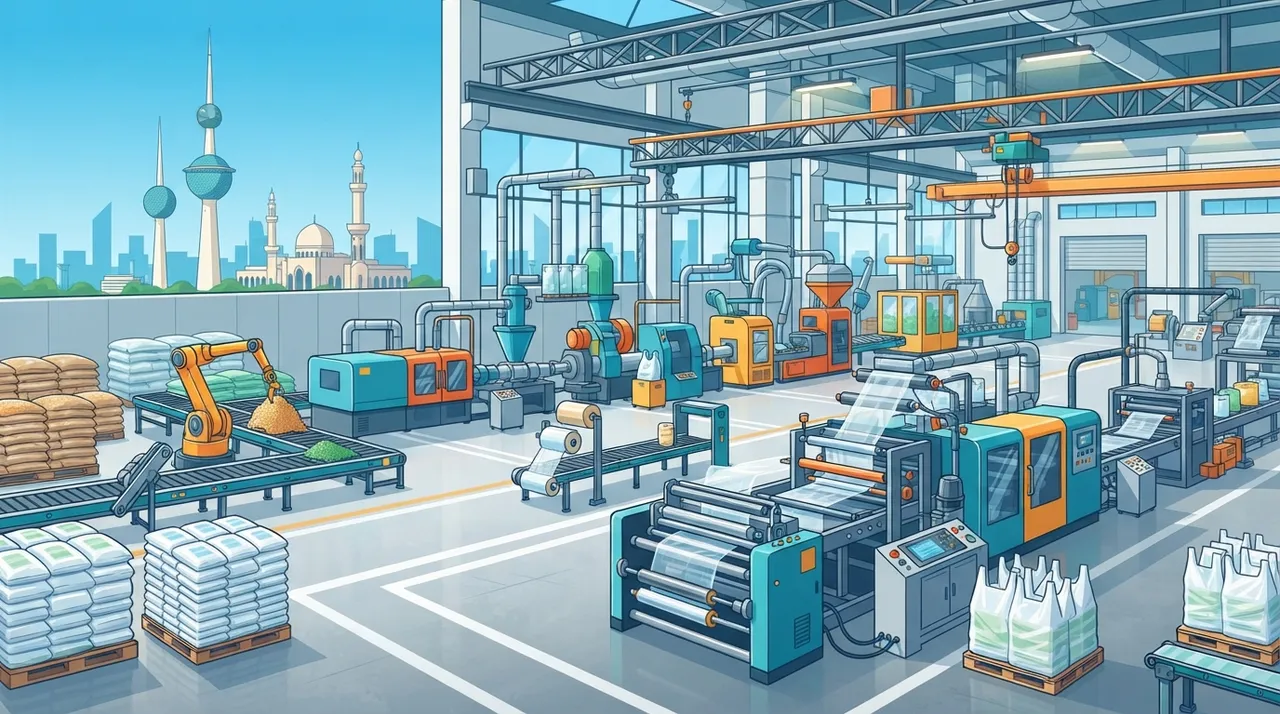
Technical aspects include selecting a factory site in an industrial area with the necessary infrastructure (electricity, water, sewage) with an area of no less than 1000 square meters. The project requires purchasing modern equipment for corrugated cardboard manufacturing, cutting and forming machines, gluing machines, presses, and final packaging equipment, in addition to a quality inspection laboratory. Raw materials (cardboard, industrial glue, inks) will be secured from local and international suppliers, with an emphasis on raw material quality to ensure final product quality. Emphasis is placed on recycling paper waste to reduce costs and achieve sustainability.
Projected Income Statement (5 Years)
| Item \ Year | Year 1 | Year 2 | Year 3 | Year 4 | Year 5 |
|---|---|---|---|---|---|
| Revenue | ١٥٬٠٠٠٬٠٠٠٬٠٠٠ SYP | ١٦٬٢٠٠٬٠٠٠٬٠٠٠ SYP | ١٧٬٤٩٦٬٠٠٠٬٠٠٠ SYP | ١٨٬٨٩٥٬٦٨٠٬٠٠٠ SYP | ٢٠٬٤٠٧٬٣٣٤٬٤٠٠ SYP |
| Cost of Sales | (٩٬٧٥٠٬٠٠٠٬٠٠٠ SYP) | (١٠٬٥٣٠٬٠٠٠٬٠٠٠ SYP) | (١١٬٣٧٢٬٤٠٠٬٠٠٠ SYP) | (١٢٬٢٨٢٬١٩٢٬٠٠٠ SYP) | (١٣٬٢٦٤٬٧٦٧٬٣٦٠ SYP) |
| Gross Profit | ٥٬٢٥٠٬٠٠٠٬٠٠٠ SYP | ٥٬٦٧٠٬٠٠٠٬٠٠٠ SYP | ٦٬١٢٣٬٦٠٠٬٠٠٠ SYP | ٦٬٦١٣٬٤٨٨٬٠٠٠ SYP | ٧٬١٤٢٬٥٦٧٬٠٤٠ SYP |
| Operating Expenses | (٣٬٠٠٠٬٠٠٠٬٠٠٠ SYP) | (٣٬٢٤٠٬٠٠٠٬٠٠٠ SYP) | (٣٬٤٩٩٬٢٠٠٬٠٠٠ SYP) | (٣٬٧٧٩٬١٣٦٬٠٠٠ SYP) | (٤٬٠٨١٬٤٦٦٬٨٨٠ SYP) |
| EBITDA | ٢٬٢٥٠٬٠٠٠٬٠٠٠ SYP | ٢٬٤٣٠٬٠٠٠٬٠٠٠ SYP | ٢٬٦٢٤٬٤٠٠٬٠٠٠ SYP | ٢٬٨٣٤٬٣٥٢٬٠٠٠ SYP | ٣٬٠٦١٬١٠٠٬١٦٠ SYP |
| Tax | (٠ SYP) | (٣٬٠٠٠٬٠٠٠ SYP) | (٢٢٬٤٤٠٬٠٠٠ SYP) | (٤٣٬٤٣٥٬٢٠٠ SYP) | (٦٦٬١١٠٬٠١٦ SYP) |
| Net Profit | -١٥٠٬٠٠٠٬٠٠٠ SYP | ٢٧٬٠٠٠٬٠٠٠ SYP | ٢٠١٬٩٦٠٬٠٠٠ SYP | ٣٩٠٬٩١٦٬٨٠٠ SYP | ٥٩٤٬٩٩٠٬١٤٤ SYP |
| Net Margin | -١٪ | ٠٪ | ١٪ | ٢٪ | ٣٪ |
Investment Cost Structure
| Item | Cost | Percentage |
|---|---|---|
| Purchase and Installation of Machinery and Equipment | ٤٬٨٠٠٬٠٠٠٬٠٠٠ SYP | ٤٠٪ |
| Initial Raw Materials | ٣٬٠٠٠٬٠٠٠٬٠٠٠ SYP | ٢٥٪ |
| Site Preparation and Construction | ١٬٨٠٠٬٠٠٠٬٠٠٠ SYP | ١٥٪ |
| Working Capital (Salaries, Bills, Marketing) | ١٬٤٤٠٬٠٠٠٬٠٠٠ SYP | ١٢٪ |
| Licenses and Establishment Costs | ٩٦٠٬٠٠٠٬٠٠٠ SYP | ٨٪ |
Cash Flow and Break-even Point
| Year | Operating Cash Flow | Cumulative Cash Flow |
|---|---|---|
| Year 1 | ٢٬٢٥٠٬٠٠٠٬٠٠٠ SYP | -٩٬٧٥٠٬٠٠٠٬٠٠٠ SYP |
| Year 2 | ٢٬٤٢٧٬٠٠٠٬٠٠٠ SYP | -٧٬٣٢٣٬٠٠٠٬٠٠٠ SYP |
| Year 3 | ٢٬٦٠١٬٩٦٠٬٠٠٠ SYP | -٤٬٧٢١٬٠٤٠٬٠٠٠ SYP |
| Year 4 | ٢٬٧٩٠٬٩١٦٬٨٠٠ SYP | -١٬٩٣٠٬١٢٣٬٢٠٠ SYP |
| Year 5 | ٢٬٩٩٤٬٩٩٠٬١٤٤ SYP | ١٬٠٦٤٬٨٦٦٬٩٤٤ SYP |
Estimated break-even point at an annual revenue of ≈ ١٥٬٤٢٨٬٥٧١٬٤٢٩ SYP (~١٠٣٪ of Year 1 revenue), with a contribution margin of ٣٥٪. Cumulative cash break-even in Year ٥.
Funding Structure
| Funding Source | Percentage | Amount |
|---|---|---|
| Equity | ٦٠٪ | ٧٬٢٠٠٬٠٠٠٬٠٠٠ SYP |
| Debt Financing (12% interest) | ٤٠٪ | ٤٬٨٠٠٬٠٠٠٬٠٠٠ SYP |
Sensitivity Analysis (Revenue × Operations)
Impact of simultaneous changes in revenue and costs on Net Present Value:
| Revenue \ Operations | −10٪ | −5٪ | Base | +5٪ | +10٪ |
|---|---|---|---|---|---|
| −20٪ | -١٬٥٩٠٬٤١٣٬٧٤٤ SYP | -٣٬٥٢٢٬٢٢٦٬٧٨٦ SYP | -٥٬٥٦٢٬٧٥٩٬٧٨٨ SYP | -٧٬٧٠٧٬٠٨٢٬١٢٨ SYP | -٩٬٨٥٣٬٥٤١٬٠٦٤ SYP |
| −10٪ | -٣٨٣٬٠٣٠٬٥٩٣ SYP | -٢٬٥٥٦٬٣٢٠٬٢٦٥ SYP | -٤٬٧٧٩٬٠٠٢٬١٥٩ SYP | -٧٬١٧٠٬٤٦٧٬٣٩٤ SYP | -٩٬٥٨٥٬٢٣٣٬٦٩٧ SYP |
| Base | ٨٢٤٬٣٥٢٬٥٥٩ SYP | -١٬٥٩٠٬٤١٣٬٧٤٤ SYP | -٤٬٠١٧٬٨٩١٬٩١١ SYP | -٦٬٦٣٣٬٨٥٢٬٦٦١ SYP | -٩٬٣١٦٬٩٢٦٬٣٣٠ SYP |
| +10٪ | ٢٬٠٣١٬٧٣٥٬٧١٠ SYP | -٦٢٤٬٥٠٧٬٢٢٣ SYP | -٣٬٢٨٠٬٧٥٠٬١٥٦ SYP | -٦٬٠٩٧٬٢٣٧٬٩٢٧ SYP | -٩٬٠٤٨٬٦١٨٬٩٦٣ SYP |
| +20٪ | ٣٬٢٣٩٬١١٨٬٨٦٢ SYP | ٣٤١٬٣٩٩٬٢٩٨ SYP | -٢٬٥٥٦٬٣٢٠٬٢٦٥ SYP | -٥٬٥٦٢٬٧٥٩٬٧٨٨ SYP | -٨٬٧٨٠٬٣١١٬٥٩٦ SYP |
Scenario Analysis
| Scenario | Probability | NPV | Assessment |
|---|---|---|---|
| Pessimistic | ٢٥٪ | -٦٬٤١٩٬٢٠٦٬٧٦٧ SYP | Not feasible |
| Base | ٥٠٪ | -٤٬٠١٧٬٨٩١٬٩١١ SYP | Not feasible |
| Optimistic | ٢٥٪ | -١٬٣٩٧٬٢٣٢٬٤٤٠ SYP | Not feasible |
Expected Present Value (Weighted): -٣٬٩٦٣٬٠٥٥٬٧٥٧ SYP.
Risk Analysis and Management
| Risk | Probability | Impact | Mitigation |
|---|---|---|---|
| Fluctuations in raw material prices (paper) | High | High | Diversify supply sources, enter long-term contracts, search for local alternatives. |
| Rising energy costs (electricity, diesel) | High | High | Invest in alternative energy solutions (solar energy), improve energy efficiency. |
| Difficulty obtaining licenses and bureaucratic procedures | Medium | Medium | Engage specialized consulting firms, monitor legal updates. |
| Intense market competition | Medium | Medium | Focus on quality and innovation, offer specialized products, build strong customer relationships. |
| Shortage of skilled labor and trained workforce | Medium | Medium | Provide internal training programs, offer attractive incentives to workers. |
Organizational Structure and Team
The project's organizational structure will consist of a general manager, production manager, sales and marketing manager, financial manager, and quality manager. Specialized technicians and trained production workers will be hired. The project will seek to attract local talent and develop employee skills through continuous training programs. Public sector salaries and wages in Syria are currently around 12,560 SYP per month as a minimum, and saw a 50% increase in March 2026. Average public sector salaries range between 80 and 100 dollars (equivalent to approximately 1,000,000 - 1,250,000 SYP at an exchange rate of 12,500 SYP to the dollar).
Legal and Regulatory Aspects
Establishing the factory requires obtaining several licenses and approvals, including an industrial establishment license, an industrial operating license from the Directorate of Industry, as well as environmental approval, a commercial register, and a tax file. The acceptance of a notarized pledge and initial site approval as a temporary alternative to the final administrative license has been extended to facilitate procedures. The tax on industrialists' profits in Syria is up to 10%.
Expansion and Sustainability Plan
The expansion plan involves increasing the factory's production capacity by adding new production lines and upgrading equipment, and expanding the product range to include new types of specialized packaging. Export opportunities to regional markets will be explored, and new distribution channels developed. Sustainability relies on continuous product innovation, improving operational efficiency, and adhering to social and environmental responsibility.
Environmental, Social, and Governance (ESG) Impact
The project will focus on reducing environmental impact through the use of recyclable raw materials, waste reduction, and improved energy and water efficiency. Wastewater treatment systems will be applied for water used in production. Socially, the project will create job opportunities for local residents and contribute to supporting the local economy. Good governance practices and transparency will be adhered to in all operations.
Conclusions and Recommendations
The cardboard packaging factory project in Syria is a promising investment due to the continuous demand for its products and the potential for rewarding returns. Despite economic and bureaucratic challenges, the fundamental need for the packaging sector provides a strong foundation for success. The recommendation is to proceed with the project, focusing on accurate financial planning, high product quality, and building strong relationships with customers and suppliers to ensure sustainability and growth.
Frequently Asked Questions
How much does it cost to establish a cardboard packaging factory in Syria?
The estimated initial capital cost for the project is approximately 12 billion Syrian Pounds, covering machinery purchase, site preparation, and initial raw materials.
How much profit does a cardboard packaging factory make in Syria?
The factory is expected to generate revenues of approximately 15 billion Syrian Pounds in the first year, with a contribution margin of 30%.
What licenses are required for a cardboard factory in Syria?
The factory requires an industrial establishment and operating license from the Directorate of Industry, environmental approval, a commercial register, and a tax file.
Is a cardboard packaging factory project profitable in Syria?
Yes, the project is considered profitable due to the increasing demand for packaging products in various industrial and commercial sectors in Syria.
What are the main challenges facing the cardboard industry in Syria?
Challenges include high energy and raw material costs, import difficulties, competition, and complex licensing procedures.
What is the average price of cardboard packaging in Syria?
The proposed average price per cardboard unit is approximately 3000 Syrian Pounds, varying by size, design, and quality.
Sources and Disclaimer
- Syrian economic reports on the industrial and packaging sector
- Data on energy, water, and tax prices in Syria
- Feasibility studies for similar projects in the region
- Statistics on paper and cardboard imports and exports in Syria
- Interviews with experts in the Syrian industrial sector
Disclaimer: This is a guiding study that provides financial analysis according to accepted sector standards; verify the figures locally according to your project's reality before any investment decision.