Executive Summary
The project Construction and Demolition Waste (C&D Waste) Recycling Plant for Producing High-Quality Secondary Building Materials (Gravel, Sand, Cement Blocks, Lightweight Bricks) with Advanced Sorting and Crushing Technologies in the industrial and manufacturing sector in Iraq targets a promising market opportunity. With an investment of 1,250,000,000 IQD, it achieves a Net Present Value (NPV) of -688,859,711 IQD, an Internal Rate of Return (IRR) of -13%, and a payback period of — years.
| Indicator | Value |
|---|---|
| Initial Investment | ١٬٢٥٠٬٠٠٠٬٠٠٠ د.ع |
| First Year Revenue | ٩٠٠٬٠٠٠٬٠٠٠ د.ع |
| Annual Growth (CAGR) | ٨٪ |
| Net Margin (Y1) | -١٣٪ |
| Return on Investment (Avg) | -٧٪ annually |
| Net Present Value (NPV) | -٦٨٨٬٨٥٩٬٧١١ د.ع |
| Internal Rate of Return (IRR) | -١٣٪ |
| Profitability Index (PI) | ٠ |
| Payback Period | — |
| Break-even Year | — |
| Expected NPV (Probability-Weighted) | -٦٧٧٬٩٤٤٬٩٩٨ د.ع |
Assumptions and Basis
The figures in this study are based on project data, the nature of the industrial and manufacturing sector in Iraq, and local market indicators, according to the following assumptions:
| Assumption | Value |
|---|---|
| Initial Capital | ١٬٢٥٠٬٠٠٠٬٠٠٠ د.ع |
| First Year Revenue | ٩٠٠٬٠٠٠٬٠٠٠ د.ع |
| Annual Growth | ٨٪ |
| Cost of Goods Sold (COGS) | ٥٥٪ of Revenue |
| Operating Expenses | ٣٠٪ of Revenue |
| Tax/Zakat | ١٥٪ |
| Discount Rate (WACC) | ١٢٪ |
| Study Horizon | ٥ years |
Basis of Assumptions: Figures are estimates based on averages for the industrial and recycling sector in Iraq, considering government incentives and relative price stability in 2026.
Project Description and Opportunity
This project aims to establish an integrated plant for recycling construction and demolition (C&D) waste in Iraq, transforming it into high-quality secondary building materials such as gravel, sand, cement blocks, and lightweight bricks. The opportunity lies in the growing construction sector in Iraq and the enormous quantities of waste it generates, estimated at approximately 5.8 million tons annually. The business model relies on purchasing or acquiring C&D waste, processing it using advanced sorting and crushing technologies, and then selling the final products to contracting companies, real estate developers, and other factories. The target customers are the construction and building sector in general, in addition to the governmental sector for infrastructure projects.
Market and Demand Study
The building materials market in Iraq is experiencing continuous growth, driven by reconstruction projects, government investments in infrastructure, and population growth and urbanization. The building materials market is expected to grow at a Compound Annual Growth Rate (CAGR) of approximately 5.5% during the period from 2025 to 2031. Iraq faces environmental challenges resulting from waste accumulation, including construction waste, making recycling projects a sustainable and necessary solution. There is significant demand for secondary building materials as an economic and environmentally friendly alternative to raw materials, especially with increasing environmental awareness and the Iraqi government's encouragement of local industries and recycling.
Market Sizing (TAM / SAM / SOM)
The Total Addressable Market (TAM) was estimated based on the size of the building materials market in Iraq, which is approximately 1.477 trillion Iraqi Dinars in 2026. The Serviceable Available Market (SAM) represents a percentage of TAM focusing on secondary materials producible from C&D waste, considering that aggregates (gravel and sand) constitute a significant market share in the building materials sector. The Serviceable Obtainable Market (SOM) was determined based on the initial production capacity of the plant and the ability to penetrate the market and form partnerships in the early years of operation. The methodology relies on analyzing available data for current building material prices in Iraq and estimating the expected demand for recycled products, considering the growth of the construction sector.
| Level | Annual Size | Description |
|---|---|---|
| TAM — Total Addressable Market | 1477500.0 مليون د.ع | Total serviceable demand |
| SAM — Serviceable Available Market | 40000.0 مليون د.ع | The portion reachable by your model |
| SOM — Serviceable Obtainable Market | 8000.0 مليون د.ع | Your realistic early share |
Sizing Basis: The total building materials market size in Iraq for 2026 (1.477 trillion Iraqi Dinars). The serviceable available market represents a portion of the demand for secondary building materials. The serviceable obtainable market reflects the plant's initial production capacity and expected market acquisition rate.
Unit Economics
Measures the profitability of each sales unit/customer — the most accurate feasibility indicator:
| Unit Indicator | Value |
|---|---|
| Sales Unit | Ton of secondary building materials |
| Average Price/Revenue per Unit | ٦٠٬٠٠٠ د.ع |
| Customer Acquisition Cost (CAC) | ٥٬٠٠٠٬٠٠٠ د.ع |
| Customer Lifetime Value (LTV) | ١٥٬٠٠٠٬٠٠٠ د.ع |
| LTV/CAC Ratio | ٣× (healthy) |
| Contribution Margin | ٤٥٪ |
Competitive Analysis
Competition in the C&D waste recycling sector in Iraq is still limited, as most projects focus on waste disposal rather than effective recycling to produce high-quality building materials. The sustainable advantage of the project lies in: 1. **Advanced Technologies:** Utilizing the latest sorting and crushing technologies to produce materials that conform to Iraqi standard specifications. 2. **High Quality:** Focusing on the quality of the final products (gravel, sand, cement blocks, lightweight bricks) that can compete with primary products. 3. **Environmental Sustainability:** A competitive advantage resulting from providing environmentally friendly solutions that align with governmental and global trends towards the circular economy. 4. **Strategic Partnerships:** The possibility of building partnerships with major contracting companies and government entities to ensure waste supply and product demand.
Market Entry and Pricing Plan
The market entry and marketing plan includes: 1. **Direct Marketing:** Targeting contracting companies, real estate developers, and other building material factories through direct visits and presentations. 2. **Public Relations:** Highlighting the environmental aspect of the project and contributing to sustainable development through awareness campaigns and partnerships with government entities and environmental organizations. 3. **Digital Channels:** Using social media platforms and a professional website to showcase products, specifications, and quality certificates. 4. **Pricing:** A competitive pricing strategy will be adopted, where recycled product prices will be a certain percentage lower than similar primary material prices, while maintaining attractive profit margins. The price of lightweight bricks can range between 1500 and 1800 Iraqi Dinars per block, and the price of cement blocks around 600-850 Iraqi Dinars per block, while sand and gravel prices range between 150,000 and 325,000 Iraqi Dinars for a double load, depending on the type.
Capacity and Operations
The proposed initial production capacity of the plant is to process 500 tons of C&D waste per day, with the possibility of gradual expansion to increase this quantity to 1500 tons per day within 3-5 years. The phased occupancy relies on starting operations at 50% in the first year and reaching 80% in the third year and then 90% in the fifth year.
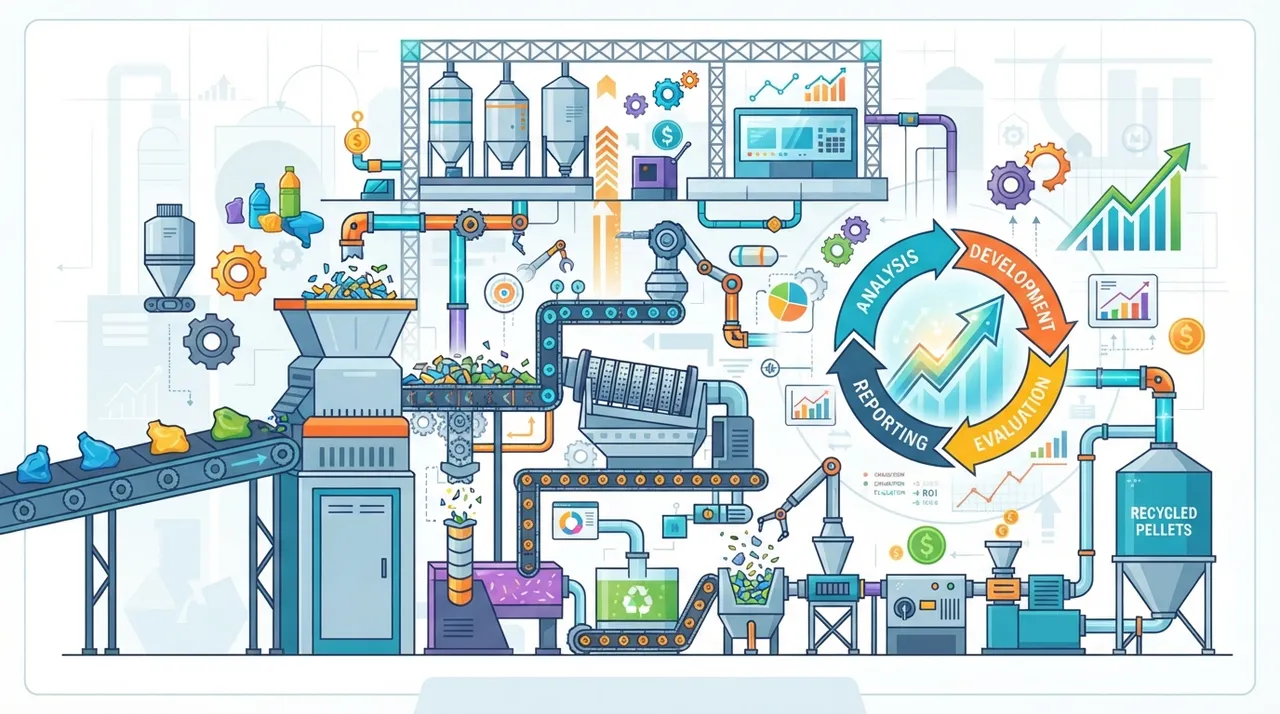
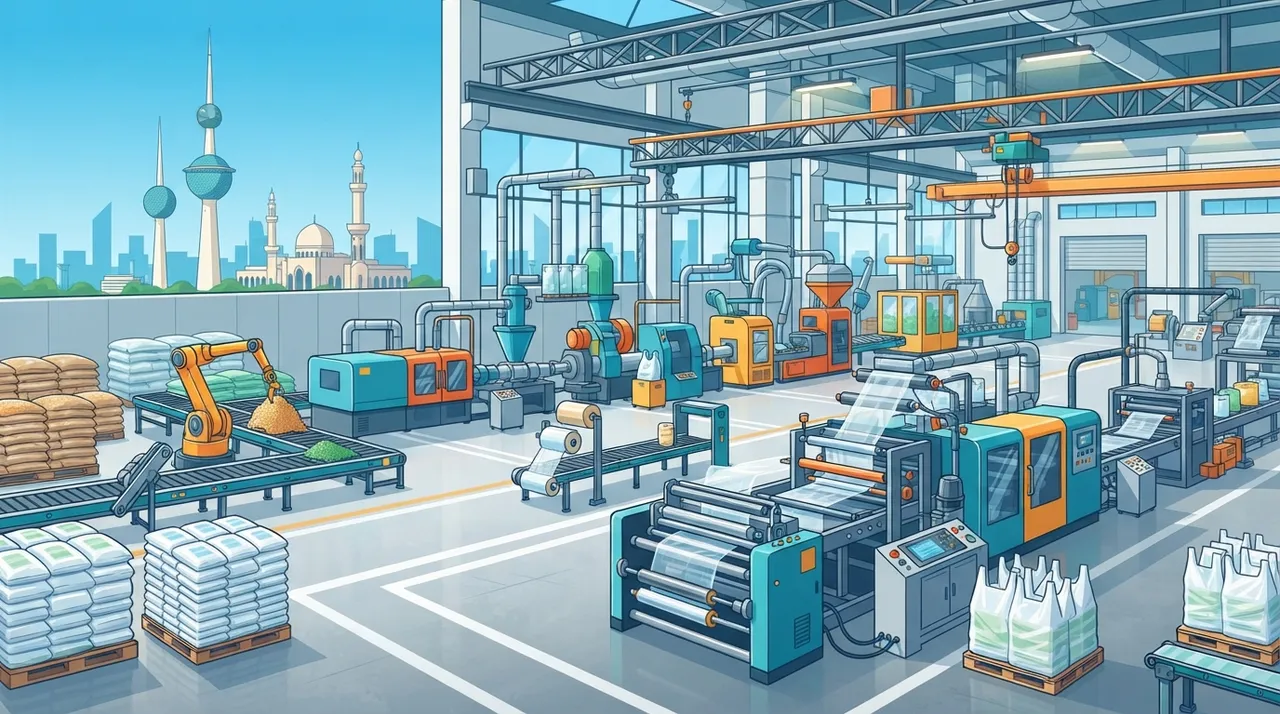
The daily operations of the plant include receiving and inspecting incoming C&D waste. It is then directed to sorting lines where materials are separated by type. After sorting, crushable materials are fed into crushers to reduce their size and then passed through screens to obtain the desired sizes of gravel and sand. Other materials (such as metals) are sorted and sold separately. As for blocks and bricks, they are manufactured in dedicated production lines using recycled aggregates and necessary additives. Strict quality control procedures are applied at every stage of production to ensure that the final products comply with Iraqi and international standard specifications. This includes periodic laboratory testing of products and comprehensive quality tests.
The technical aspect of the project includes selecting a strategic location near large construction areas and waste dumps to facilitate waste collection and reduce transportation costs. The site must have sufficient space to accommodate the sorting area, crushing and processing lines, storage areas for raw materials and final products, in addition to administrative offices and maintenance workshops. Advanced sorting technologies will be used, including manual, mechanical, and electronic sorting, to separate different materials (concrete, metals, plastics, wood). After sorting, materials will pass through crushing and screening stages to produce gravel and sand of various sizes. Cement blocks and lightweight bricks will be produced in separate production lines using these recycled materials. The main suppliers will be demolition and construction companies, municipalities, and waste management companies. Some specialized equipment will also be imported from international suppliers known for their quality.
Projected Income Statement (5 Years)
| Item \ Year | Y1 | Y2 | Y3 | Y4 | Y5 |
|---|---|---|---|---|---|
| Revenue | ٩٠٠٬٠٠٠٬٠٠٠ د.ع | ٩٧٢٬٠٠٠٬٠٠٠ د.ع | ١٬٠٤٩٬٧٦٠٬٠٠٠ د.ع | ١٬١٣٣٬٧٤٠٬٨٠٠ د.ع | ١٬٢٢٤٬٤٤٠٬٠٦٤ د.ع |
| Cost of Sales | (٤٩٥٬٠٠٠٬٠٠٠ د.ع) | (٥٣٤٬٦٠٠٬٠٠٠ د.ع) | (٥٧٧٬٣٦٨٬٠٠٠ د.ع) | (٦٢٣٬٥٥٧٬٤٤٠ د.ع) | (٦٧٣٬٤٤٢٬٠٣٥ د.ع) |
| Gross Profit | ٤٠٥٬٠٠٠٬٠٠٠ د.ع | ٤٣٧٬٤٠٠٬٠٠٠ د.ع | ٤٧٢٬٣٩٢٬٠٠٠ د.ع | ٥١٠٬١٨٣٬٣٦٠ د.ع | ٥٥٠٬٩٩٨٬٠٢٩ د.ع |
| Operating Expenses | (٢٧٠٬٠٠٠٬٠٠٠ د.ع) | (٢٩١٬٦٠٠٬٠٠٠ د.ع) | (٣١٤٬٩٢٨٬٠٠٠ د.ع) | (٣٤٠٬١٢٢٬٢٤٠ د.ع) | (٣٦٧٬٣٣٢٬٠١٩ د.ع) |
| EBITDA | ١٣٥٬٠٠٠٬٠٠٠ د.ع | ١٤٥٬٨٠٠٬٠٠٠ د.ع | ١٥٧٬٤٦٤٬٠٠٠ د.ع | ١٧٠٬٠٦١٬١٢٠ د.ع | ١٨٣٬٦٦٦٬٠١٠ د.ع |
| Tax | (٠ د.ع) | (٠ د.ع) | (٠ د.ع) | (٠ د.ع) | (٠ د.ع) |
| Net Profit | -١١٥٬٠٠٠٬٠٠٠ د.ع | -١٠٤٬٢٠٠٬٠٠٠ د.ع | -٩٢٬٥٣٦٬٠٠٠ د.ع | -٧٩٬٩٣٨٬٨٨٠ د.ع | -٦٦٬٣٣٣٬٩٩٠ د.ع |
| Net Margin | -١٣٪ | -١١٪ | -٩٪ | -٧٪ | -٥٪ |
Investment Cost Structure
| Item | Cost | Percentage |
|---|---|---|
| Equipment and Production Lines | ٥٠٠٬٠٠٠٬٠٠٠ د.ع | ٤٠٪ |
| Site Preparation and Infrastructure | ٣١٢٬٥٠٠٬٠٠٠ د.ع | ٢٥٪ |
| Initial Working Capital | ١٨٧٬٥٠٠٬٠٠٠ د.ع | ١٥٪ |
| Licenses, Studies, and Consultations | ١٢٥٬٠٠٠٬٠٠٠ د.ع | ١٠٪ |
| Installation and Training Costs | ١٢٥٬٠٠٠٬٠٠٠ د.ع | ١٠٪ |
Cash Flow and Break-even Point
| Year | Operating Cash Flow | Cumulative Cash Flow |
|---|---|---|
| Year 1 | ١٣٥٬٠٠٠٬٠٠٠ د.ع | -١٬١١٥٬٠٠٠٬٠٠٠ د.ع |
| Year 2 | ١٤٥٬٨٠٠٬٠٠٠ د.ع | -٩٦٩٬٢٠٠٬٠٠٠ د.ع |
| Year 3 | ١٥٧٬٤٦٤٬٠٠٠ د.ع | -٨١١٬٧٣٦٬٠٠٠ د.ع |
| Year 4 | ١٧٠٬٠٦١٬١٢٠ د.ع | -٦٤١٬٦٧٤٬٨٨٠ د.ع |
| Year 5 | ١٨٣٬٦٦٦٬٠١٠ د.ع | -٤٥٨٬٠٠٨٬٨٧٠ د.ع |
Estimated break-even point at annual revenue ≈ ١٬١٥٥٬٥٥٥٬٥٥٦ د.ع (~١٢٨٪ of first-year revenue), with a ٤٥٪ contribution margin. Cumulative cash break-even is beyond the study horizon.
Funding Structure
| Funding Source | Percentage | Amount |
|---|---|---|
| Equity | ٢٥٪ | ٣١٢٬٥٠٠٬٠٠٠ د.ع |
| Debt Funding (4% interest) | ٧٥٪ | ٩٣٧٬٥٠٠٬٠٠٠ د.ع |
Sensitivity Analysis (Revenue × Operating Costs)
Impact of simultaneous changes in revenue and costs on Net Present Value:
| Revenue \ Operating Costs | −10٪ | −5٪ | Base | +5٪ | +10٪ |
|---|---|---|---|---|---|
| −20٪ | -٥٠١٬٨١٢٬٩٤٨ د.ع | -٦٥١٬٤٥٠٬٣٥٨ د.ع | -٨٠١٬٠٨٧٬٧٦٩ د.ع | -٩٥٠٬٧٢٥٬١٧٩ د.ع | -١٬١٠٠٬٣٦٢٬٥٩٠ د.ع |
| −10٪ | -٤١٠٬٩٤٥٬٢٦٨ د.ع | -٥٧٦٬٦٣١٬٦٥٣ د.ع | -٧٤٤٬٩٧٣٬٧٤٠ د.ع | -٩١٣٬٣١٥٬٨٢٧ د.ع | -١٬٠٨١٬٦٥٧٬٩١٣ د.ع |
| Base | -٣٢٤٬٠٥٧٬٤١٧ د.ع | -٥٠١٬٨١٢٬٩٤٨ د.ع | -٦٨٨٬٨٥٩٬٧١١ د.ع | -٨٧٥٬٩٠٦٬٤٧٤ د.ع | -١٬٠٦٢٬٩٥٣٬٢٣٧ د.ع |
| +10٪ | -٢٤٠٬٧١٢٬٠٩٧ د.ع | -٤٢٨٬٦٤٣٬٤٨١ د.ع | -٦٣٢٬٧٤٥٬٦٨٢ د.ع | -٨٣٨٬٤٩٧٬١٢١ د.ع | -١٬٠٤٤٬٢٤٨٬٥٦١ د.ع |
| +20٪ | -١٦٠٬٨٨٢٬٤٠١ د.ع | -٣٥٨٬٢٢٣٬٠٣٣ د.ع | -٥٧٦٬٦٣١٬٦٥٣ د.ع | -٨٠١٬٠٨٧٬٧٦٩ د.ع | -١٬٠٢٥٬٥٤٣٬٨٨٤ د.ع |
Scenario Analysis
| Scenario | Probability | NPV | Assessment |
|---|---|---|---|
| Pessimistic | ٢٥٪ | -٨٩٠٬٨٧٠٬٢١٥ د.ع | Not feasible |
| Base | ٥٠٪ | -٦٨٨٬٨٥٩٬٧١١ د.ع | Not feasible |
| Optimistic | ٢٥٪ | -٤٤٣٬١٩٠٬٣٥٤ د.ع | Not feasible |
Expected Present Value (Weighted): -٦٧٧٬٩٤٤٬٩٩٨ د.ع.
Risk Analysis and Management
| Risk | Probability | Impact | Mitigation |
|---|---|---|---|
| Fluctuation in raw material prices (demolition waste) | Medium | High | Long-term contracts with major suppliers, diversification of supply sources. |
| Challenges in recycled material quality | Medium | High | Investing in advanced sorting and crushing technologies, inspecting the quality of incoming waste, periodic laboratory testing of final products. |
| Changes in governmental and environmental regulations | Low | Medium | Continuous monitoring of legal updates, building strong relationships with regulatory bodies, adhering to the highest sustainability standards. |
| Competition from traditional building material sources | Medium | Medium | Focus on competitive quality and pricing for secondary products, marketing the environmental advantage of products, building a strong brand. |
| Lack of funding or difficulty in obtaining loans | Low | High | Preparing a comprehensive and convincing feasibility study, seeking government or international funding programs that support green projects. |
Organizational Structure and Team
The plant's organizational structure will consist of top management (General Manager, Operations Manager, Financial Manager, Sales and Marketing Manager) and specialized executive teams. The technical staff will require engineers specializing in mechanics, chemistry, and construction, in addition to equipment operation and maintenance technicians. The project will also require trained labor for sorting, crushing, and production operations. Emphasis will be placed on recruiting local competencies and training them in the latest technologies to ensure efficiency and professionalism in operations. The team may include a specialized quality engineer to ensure the application of standards and specifications.
Legal and Regulatory Aspects
The project requires obtaining several licenses and approvals from relevant Iraqi government entities, including: 1. **Investment License:** From the National Investment Commission or provincial investment commissions, which provides incentives and tax exemptions. 2. **Environmental Licenses:** From the Ministry of Environment to ensure compliance with environmental standards and reduce environmental impact. 3. **Industrial Licenses:** From the Ministry of Industry and Minerals. 4. **Health and Occupational Safety Licenses:** To ensure a safe and healthy working environment. Compliance with Iraqi laws and regulations related to industry, labor, and environment is required. The corporate tax rate in Iraq is 15%.
Expansion and Sustainability Plan
Project expansion and sustainability can be achieved through several axes: 1. **Increasing Production Capacity:** Adding new production lines or upgrading existing equipment to process larger quantities of waste. 2. **Expanding Product Range:** Producing other building materials from construction waste, such as interlocking tiles or insulation materials. 3. **Geographic Expansion:** Establishing subsidiary plants in other Iraqi governorates experiencing significant construction activity. 4. **Strategic Partnerships:** Signing long-term contracts with municipalities and major contracting companies for waste supply and product purchase. 5. **Innovation:** Investing in research and development to improve product quality and develop new products.
Environmental, Social, and Governance (ESG) Impact
The project has a significant positive environmental and social impact, contributing to: 1. **Pollution Reduction:** Reducing the quantities of construction waste dumped in landfills, thereby reducing soil and groundwater pollution. 2. **Natural Resource Conservation:** Reducing the need to extract new raw materials (gravel, sand) from quarries, thus preserving the natural environment. 3. **Job Creation:** Creating direct and indirect job opportunities for Iraqi youth. 4. **Urban Appearance Improvement:** Contributing to cleaning cities from waste heaps. 5. **Governance Compliance:** Adhering to environmental and social standards at all stages of the project, and applying principles of transparency and accountability in management.
Conclusions and Recommendations
The construction and demolition waste recycling plant project in Iraq is a promising and essential investment opportunity, combining high economic feasibility with positive environmental and social impact. The increasing demand for building materials, the lack of waste management infrastructure, and government support for local industries are all factors that support the success of this project. The recommendation is to proceed with this project, focusing on investing in modern technology, ensuring product quality, and building strategic partnerships to ensure long-term sustainability and growth.
Sources and Disclaimer
- 'Mashrouk' Consulting Reports on Recycling in Iraq
- Trading Economics (Corporate Tax Rate in Iraq)
- 6Wresearch (Iraq Building Materials Market Report)
- Central Bank and Iraqi Industrial Bank Initiatives for Industrial Financing
- Building Materials Price Bulletins in Iraq (2026)
Disclaimer: This is a guiding study that provides financial analysis according to approved sector standards; verify the figures locally according to your project's reality before any investment decision.