Executive Summary
The project, a factory for manufacturing and assembling photovoltaic solar panels and energy storage systems (lithium-ion batteries) for residential and industrial use in Iraq, with a focus on innovative technologies, targets a promising market opportunity in the industrial and manufacturing sector in Iraq. With an investment of ٣٬٥٠٠٬٠٠٠٬٠٠٠ د.ع, it achieves a Net Present Value of -٢٬٦٥٢٬٢١١٬٤٩٢ د.ع, an Internal Rate of Return of -٢٦٪, and a payback period of — years.
| Indicator | Value |
|---|---|
| Initial Investment | ٣٬٥٠٠٬٠٠٠٬٠٠٠ د.ع |
| First Year Revenue | ١٬٢٠٠٬٠٠٠٬٠٠٠ د.ع |
| Annual Growth (CAGR) | ١٥٪ |
| Net Margin (Y1) | -٤٣٪ |
| Return on Investment (Avg.) | -١٣٪ annually |
| Net Present Value (NPV) | -٢٬٦٥٢٬٢١١٬٤٩٢ د.ع |
| Internal Rate of Return (IRR) | -٢٦٪ |
| Profitability Index (PI) | ٠ |
| Payback Period | — |
| Break-even Year | — |
| Expected NPV (Probability-Weighted) | -٢٬٦٤٠٬٩٠٧٬٦٤٥ د.ع |
Assumptions and Basis
The figures in this study are based on project data, the nature of the industrial and manufacturing sector in Iraq, and local market indicators, according to the following assumptions:
| Assumption | Value |
|---|---|
| Initial Capital | ٣٬٥٠٠٬٠٠٠٬٠٠٠ د.ع |
| First Year Revenue | ١٬٢٠٠٬٠٠٠٬٠٠٠ د.ع |
| Annual Growth | ١٥٪ |
| Cost of Goods Sold (COGS) | ٦٥٪ of Revenue |
| Operating Expenses | ٢٠٪ of Revenue |
| Tax/Zakat | ١٥٪ |
| Discount Rate (WACC) | ١٢٪ |
| Study Horizon | ٥ years |
Basis of Assumptions: Figures are based on the average construction costs of similar factories in the region, taking into account the proposed project size (3.5 billion Iraqi Dinars), expected revenues based on current market prices in Iraq, anticipated growth rates in the renewable energy sector, and applicable taxes in Iraq (15% on corporate profits).
Project Description and Opportunity
This project aims to establish an integrated factory for the manufacturing and assembly of photovoltaic solar panels and energy storage systems using lithium-ion batteries in Iraq. The project addresses the chronic shortage and fluctuations in electricity supply, in addition to the high costs of relying on private generators, by providing clean and sustainable energy solutions for homes and industries. The business model is based on local production of high-quality panels and efficient, long-lifecycle lithium-ion batteries, with a focus on delivering integrated solutions suitable for Iraq's climatic and environmental conditions. The project targets a wide range of customers, including individuals (residential sector), industrial and commercial establishments, and government projects seeking to integrate renewable energy into their infrastructure.
Market and Demand Study
Iraq's energy market is experiencing increasing demand that exceeds the national grid's supply capacity, with demand sometimes surpassing peak production by 25,000-30,000 megawatts. Solar energy is an ideal solution due to the abundance of solar radiation in Iraq for over 300 days annually. The Iraqi government supports the expansion of renewable energy, targeting 12,000 megawatts of solar energy production by 2030. It has also launched initiatives to finance individuals and companies for installing solar energy systems, which boosts demand for local products. The government focuses on localizing the solar panel industry to ensure price stability and quality.
Market Sizing (TAM / SAM / SOM)
The market sizing methodology relies on analyzing current and future electricity demand in Iraq, considering the significant gap between supply and demand. Total Addressable Market (TAM) is estimated based on the theoretical potential for installing solar energy systems across all sectors. The Serviceable Available Market (SAM) is then determined by focusing on sectors with purchasing power and readiness to switch to solar energy, such as high-consumption households, factories experiencing power outages, and major government renewable energy projects. The Serviceable Obtainable Market (SOM) for the initial years is estimated by considering the factory's production capacity, competition, ease of customer access, and supporting government programs. Estimates are based on current market prices for solar panels and lithium-ion batteries in Iraq.
| Level | Annual Size | Description |
|---|---|---|
| TAM — Total Addressable Market | 1500000.0 مليون د.ع | Total serviceable demand |
| SAM — Serviceable Available Market | 300000.0 مليون د.ع | Portion reachable by your model |
| SOM — Serviceable Obtainable Market | 30000.0 مليون د.ع | Your realistic early share |
Basis of Sizing: The Total Addressable Market (TAM) is based on Iraq's significant solar energy potential (3000+ solar hours annually) and increasing electricity demand, in addition to the government's plan to generate 12 GW of solar energy by 2030. The Serviceable Available Market (SAM) focuses on the residential and industrial sectors, taking into account major government projects and the need for homes and institutions to reduce reliance on the national grid and generators. The Serviceable Obtainable Market (SOM) represents a realistic share achievable in the initial years, considering current competition and projects under construction.
Unit Economics
Measures the profitability of each unit sale/customer — the most accurate feasibility indicator:
| Unit Indicator | Value |
|---|---|
| Sales Unit | Unit (solar panel/battery) |
| Avg. Price/Revenue per Unit | ٣٥٠٬٠٠٠ د.ع |
| Customer Acquisition Cost (CAC) | ١٠٠٬٠٠٠ د.ع |
| Customer Lifetime Value (LTV) | ٢٬٠٠٠٬٠٠٠ د.ع |
| LTV/CAC Ratio | ٢٠× (healthy) |
| Contribution Margin | ٣٠٪ |
Competitive Analysis
The project faces competition from imported solar panels, especially Chinese ones, which have severe price competition. However, the project enjoys a sustainable competitive advantage through local production, which reduces import costs and provides products specifically designed to suit Iraq's climatic conditions (withstanding high temperatures and dust). The project also focuses on component quality and technical expertise in installation, which is currently a challenge in the Iraqi market. The project can receive government support and incentives for local industrial investment, enhancing its competitiveness. Additionally, providing integrated solutions that include panels and long-life lithium-ion storage batteries represents added value for customers.
Market Entry and Pricing Strategy
The market entry plan is based on targeting customers through multiple channels. Focus will be placed on strategic partnerships with major contracting companies working on residential complexes and industrial projects. Collaboration will also be established with accredited local distributors across Iraq to ensure product reach to the residential and commercial sectors. Products will be promoted through digital marketing campaigns targeting potential customers via social media and specialized renewable energy platforms, in addition to participation in industrial exhibitions and events. Products will be competitively priced, considering product quality and provided warranty, with the possibility of offering attractive financing packages in cooperation with Iraqi banks. Emphasis will be placed on building a strong reputation for the factory by providing high-quality products and excellent after-sales service.
Capacity and Operations
The factory aims to start production with an initial capacity of 50 megawatts annually for solar panels and 100 megawatt-hours for lithium-ion batteries, with a plan for gradual expansion to meet increasing demand. The factory is expected to operate at an occupancy rate that will gradually increase from 40% in the first year to 70% in the third year and beyond.
Daily operations focus on production efficiency and quality assurance. The factory will include departments for production, assembly, inspection and testing, and packing and packaging. Strict quality control systems will be implemented at every stage of production to ensure products comply with international standards and customer expectations. Technical staff will be trained on the latest manufacturing, operation, and maintenance technologies. Inventory management systems will be used to ensure the availability of raw materials and timely fulfillment of customer orders. Emphasis will also be placed on after-sales service and providing technical support to customers to ensure their satisfaction and maintain long-term relationships.
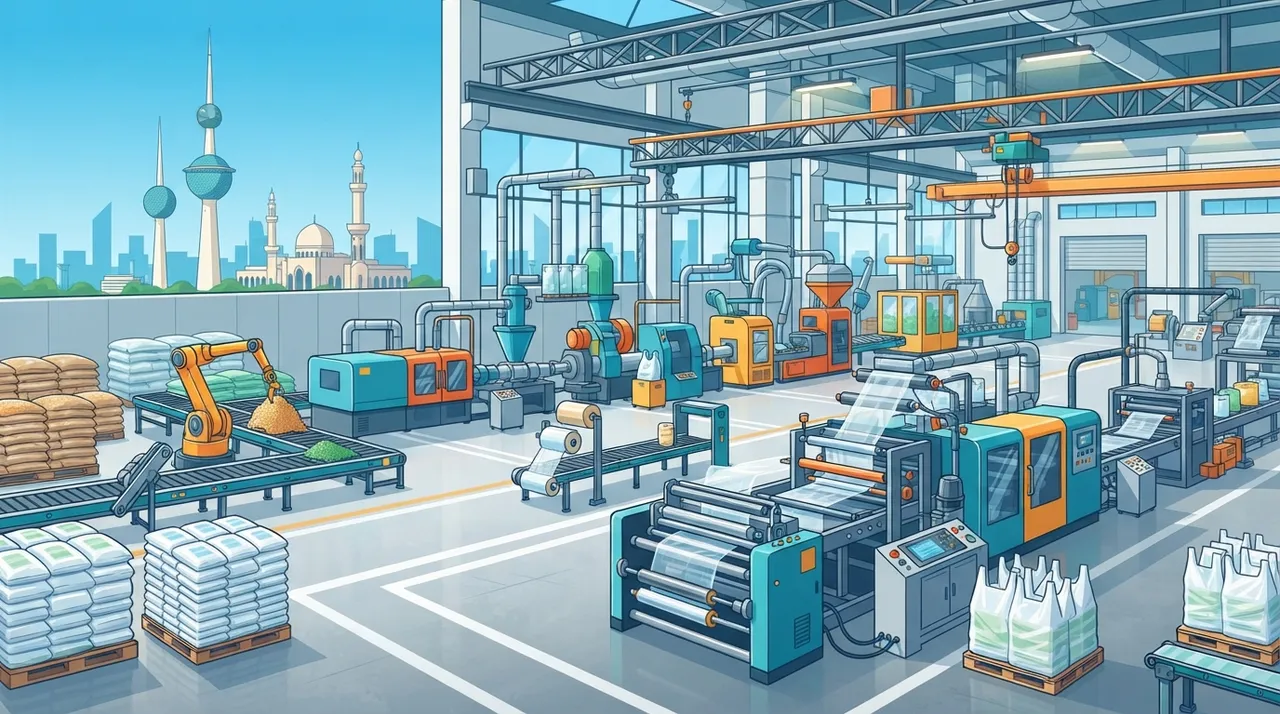
Technical aspects of the project include establishing a modern factory on an area of no less than 1,000 square meters (with a preference for a larger area of up to 20,000-50,000 square meters for future expansion) in one of Iraq's industrial zones. The factory will include production and assembly lines for solar panels using high-quality photovoltaic cells, as well as a line for producing and assembling lithium-ion batteries. Key raw materials such as silicon wafers and battery components will be imported from reliable global suppliers, with a focus on quality and compliance with international standards (such as TUV and SASO certifications). A backup power generator and an appropriate cooling system will be provided to ensure production continuity during power outages and high temperatures. The proposed location should be close to major transportation routes to facilitate raw material imports and final product distribution.
Projected Income Statement (5 Years)
| Item \ Year | Y1 | Y2 | Y3 | Y4 | Y5 |
|---|---|---|---|---|---|
| Revenue | ١٬٢٠٠٬٠٠٠٬٠٠٠ د.ع | ١٬٣٨٠٬٠٠٠٬٠٠٠ د.ع | ١٬٥٨٧٬٠٠٠٬٠٠٠ د.ع | ١٬٨٢٥٬٠٥٠٬٠٠٠ د.ع | ٢٬٠٩٨٬٨٠٧٬٥٠٠ د.ع |
| Cost of Sales | (٧٨٠٬٠٠٠٬٠٠٠ د.ع) | (٨٩٧٬٠٠٠٬٠٠٠ د.ع) | (١٬٠٣١٬٥٥٠٬٠٠٠ د.ع) | (١٬١٨٦٬٢٨٢٬٥٠٠ د.ع) | (١٬٣٦٤٬٢٢٤٬٨٧٥ د.ع) |
| Gross Profit | ٤٢٠٬٠٠٠٬٠٠٠ د.ع | ٤٨٣٬٠٠٠٬٠٠٠ د.ع | ٥٥٥٬٤٥٠٬٠٠٠ د.ع | ٦٣٨٬٧٦٧٬٥٠٠ د.ع | ٧٣٤٬٥٨٢٬٦٢٥ د.ع |
| Operating Expenses | (٢٤٠٬٠٠٠٬٠٠٠ د.ع) | (٢٧٦٬٠٠٠٬٠٠٠ د.ع) | (٣١٧٬٤٠٠٬٠٠٠ د.ع) | (٣٦٥٬٠١٠٬٠٠٠ د.ع) | (٤١٩٬٧٦١٬٥٠٠ د.ع) |
| EBITDA | ١٨٠٬٠٠٠٬٠٠٠ د.ع | ٢٠٧٬٠٠٠٬٠٠٠ د.ع | ٢٣٨٬٠٥٠٬٠٠٠ د.ع | ٢٧٣٬٧٥٧٬٥٠٠ د.ع | ٣١٤٬٨٢١٬١٢٥ د.ع |
| Tax | (٠ د.ع) | (٠ د.ع) | (٠ د.ع) | (٠ د.ع) | (٠ د.ع) |
| Net Profit | -٥٢٠٬٠٠٠٬٠٠٠ د.ع | -٤٩٣٬٠٠٠٬٠٠٠ د.ع | -٤٦١٬٩٥٠٬٠٠٠ د.ع | -٤٢٦٬٢٤٢٬٥٠٠ د.ع | -٣٨٥٬١٧٨٬٨٧٥ د.ع |
| Net Margin | -٤٣٪ | -٣٦٪ | -٢٩٪ | -٢٣٪ | -١٨٪ |
Investment Cost Structure
| Item | Cost | Percentage |
|---|---|---|
| Equipment and Production Lines | ١٬٤٠٠٬٠٠٠٬٠٠٠ د.ع | ٤٠٪ |
| Initial Raw Materials | ٨٧٥٬٠٠٠٬٠٠٠ د.ع | ٢٥٪ |
| Construction and Fittings | ٥٢٥٬٠٠٠٬٠٠٠ د.ع | ١٥٪ |
| Working Capital | ٣٥٠٬٠٠٠٬٠٠٠ د.ع | ١٠٪ |
| Marketing and Sales | ١٧٥٬٠٠٠٬٠٠٠ د.ع | ٥٪ |
| Licenses and Legal Costs | ١٧٥٬٠٠٠٬٠٠٠ د.ع | ٥٪ |
Cash Flow and Break-even Point
| Year | Operating Cash Flow | Cumulative Cash Flow |
|---|---|---|
| Year 1 | ١٨٠٬٠٠٠٬٠٠٠ د.ع | -٣٬٣٢٠٬٠٠٠٬٠٠٠ د.ع |
| Year 2 | ٢٠٧٬٠٠٠٬٠٠٠ د.ع | -٣٬١١٣٬٠٠٠٬٠٠٠ د.ع |
| Year 3 | ٢٣٨٬٠٥٠٬٠٠٠ د.ع | -٢٬٨٧٤٬٩٥٠٬٠٠٠ د.ع |
| Year 4 | ٢٧٣٬٧٥٧٬٥٠٠ د.ع | -٢٬٦٠١٬١٩٢٬٥٠٠ د.ع |
| Year 5 | ٣١٤٬٨٢١٬١٢٥ د.ع | -٢٬٢٨٦٬٣٧١٬٣٧٥ د.ع |
Estimated break-even point at an annual revenue of ≈ ٢٬٦٨٥٬٧١٤٬٢٨٦ د.ع (~٢٢٤٪ of first-year revenue), with a contribution margin of ٣٥٪. Cumulative cash break-even beyond the study horizon.
Funding Structure
| Funding Source | Percentage | Amount |
|---|---|---|
| Equity | ٦٠٪ | ٢٬١٠٠٬٠٠٠٬٠٠٠ د.ع |
| Debt Financing (4% interest) | ٤٠٪ | ١٬٤٠٠٬٠٠٠٬٠٠٠ د.ع |
Sensitivity Analysis (Revenue × Operations)
Impact of combined changes in revenue and costs on Net Present Value:
| Revenue \ Operations | −10٪ | −5٪ | Base | +5٪ | +10٪ |
|---|---|---|---|---|---|
| −20٪ | -٢٬٣٦٩٬٦١٥٬٣٢٣ د.ع | -٢٬٥٩٥٬٦٩٢٬٢٥٨ د.ع | -٢٬٨٢١٬٧٦٩٬١٩٤ د.ع | -٣٬٠٤٧٬٨٤٦٬١٢٩ د.ع | -٣٬٢٧٣٬٩٢٣٬٠٦٥ د.ع |
| −10٪ | -٢٬٢٢٨٬٣١٧٬٢٣٨ د.ع | -٢٬٤٨٢٬٦٥٣٬٧٩١ د.ع | -٢٬٧٣٦٬٩٩٠٬٣٤٣ د.ع | -٢٬٩٩١٬٣٢٦٬٨٩٥ د.ع | -٣٬٢٤٥٬٦٦٣٬٤٤٨ د.ع |
| Base | -٢٬٠٨٧٬٠١٩٬١٥٤ د.ع | -٢٬٣٦٩٬٦١٥٬٣٢٣ د.ع | -٢٬٦٥٢٬٢١١٬٤٩٢ د.ع | -٢٬٩٣٤٬٨٠٧٬٦٦١ د.ع | -٣٬٢١٧٬٤٠٣٬٨٣١ د.ع |
| +10٪ | -١٬٩٤٥٬٧٢١٬٠٦٩ د.ع | -٢٬٢٥٦٬٥٧٦٬٨٥٥ د.ع | -٢٬٥٦٧٬٤٣٢٬٦٤١ د.ع | -٢٬٨٧٨٬٢٨٨٬٤٢٨ د.ع | -٣٬١٨٩٬١٤٤٬٢١٤ د.ع |
| +20٪ | -١٬٨٠٤٬٤٢٢٬٩٨٤ د.ع | -٢٬١٤٣٬٥٣٨٬٣٨٨ د.ع | -٢٬٤٨٢٬٦٥٣٬٧٩١ د.ع | -٢٬٨٢١٬٧٦٩٬١٩٤ د.ع | -٣٬١٦٠٬٨٨٤٬٥٩٧ د.ع |
Scenario Analysis
| Scenario | Probability | NPV | Assessment |
|---|---|---|---|
| Pessimistic | ٢٥٪ | -٢٬٩١٢٬١٩٩٬٩٦٨ د.ع | Not viable |
| Base | ٥٠٪ | -٢٬٦٥٢٬٢١١٬٤٩٢ د.ع | Not viable |
| Optimistic | ٢٥٪ | -٢٬٣٤٧٬٠٠٧٬٦٢٩ د.ع | Not viable |
Expected Present Value (Weighted): -٢٬٦٤٠٬٩٠٧٬٦٤٥ د.ع.
Risk Analysis and Management
| Risk | Probability | Impact | Mitigation |
|---|---|---|---|
| Fluctuations in global raw material prices | Medium | High | Signing long-term contracts with suppliers and diversifying supply sources. |
| Intense competition from imported products | High | Medium | Focus on quality, offering long warranties, excellent after-sales service, and leveraging government support for local products. |
| Technical challenges and lack of expertise | Medium | High | Attracting skilled professionals, continuous training for local staff, and partnering with international experts. |
| Changes in government or economic policies | Medium | High | Regularly monitoring legislation, building strong relationships with government agencies, and diversifying the customer base. |
| Difficulty in obtaining sufficient funding | Medium | High | Preparing a robust feasibility study, seeking diverse funding (equity and debt), and utilizing industrial project support programs. |
Organizational Structure and Team
The project's organizational structure consists of a specialized management team, including a General Manager with experience in the industrial and renewable energy sector, an Operations Manager with factory management experience, a Financial Manager, and a Sales and Marketing Manager. Specialized engineers in solar energy, electronics, and chemistry will be hired, along with trained technicians and workers for production and assembly lines. Emphasis will be placed on attracting and developing Iraqi competencies through continuous training programs to ensure knowledge transfer and operational sustainability.
Legal and Regulatory Aspects
The project requires obtaining necessary licenses for establishing and operating an industrial factory in Iraq from the Ministry of Industry and Minerals and the General Directorate for Industrial Development. This includes obtaining an establishment license, tax card, activity permits, and complying with environmental quality and safety requirements. The project can benefit from the Industrial Investment Law No. (20) of 1998 and its amendments, which offer tax and customs exemptions for industrial projects. Compliance with applicable labor and social security laws in Iraq is also required.
Expansion and Sustainability Plan
The expansion and sustainability plan involves gradually increasing the factory's production capacity to meet growing demand in the local and regional markets. This can be achieved by adding new production lines and expanding existing facilities. Export opportunities to neighboring countries experiencing growth in the solar energy market will be explored. The project also aims to invest in research and development to improve product efficiency and offer innovative solutions that align with technological changes in the sector. The possibility of local production of some raw materials to reduce reliance on imports and enhance added value can also be studied.
Environmental, Social, and Governance (ESG) Impact
The project significantly contributes to environmental sustainability by providing clean energy solutions that reduce reliance on fossil fuels and lower carbon emissions. The use of solar energy reduces air pollution and noise from traditional generators. Socially, the project contributes to creating job opportunities for Iraqi personnel and developing their skills in the renewable energy sector. It also provides reliable electricity solutions for homes and institutions, improving quality of life and productivity. In terms of governance, the project adheres to the highest standards of transparency and social responsibility, complying with all environmental and social laws and regulations in Iraq.
Conclusions and Recommendations
The project for a factory manufacturing and assembling photovoltaic solar panels and energy storage systems in Iraq presents a highly promising investment opportunity. Iraq possesses enormous potential in solar energy and suffers from a severe electricity shortage, creating significant demand for renewable energy solutions. With increasing government support for this sector, a favorable environment for the growth of such projects is available. Investment in this project is recommended, with a focus on quality, innovation, and customer service, and leveraging available government incentives. A more detailed feasibility study should also be conducted to assess all financial and technical aspects in greater depth.
Sources and Disclaimer
- Renewable energy market reports in Iraq (specialized platforms and research institutions)
- Industrial investment and tax laws in Iraq (Ministry of Industry and Minerals, National Investment Commission)
- Feasibility studies for similar projects in the region
- Local market prices for solar panels and lithium-ion batteries in Iraq (e-commerce stores and supply companies)
- Interviews with experts in the renewable energy sector in Iraq
Disclaimer: This is a guiding study that provides financial analysis according to approved sector standards; verify the figures locally according to your project's reality before any investment decision.