Executive Summary
The Soap and Detergent Factory project in the industrial and manufacturing sector in Syria targets a promising market opportunity. With an investment of ١٢٬٥٠٠٬٠٠٠٬٠٠٠ S.P., it achieves a net present value of -٢٬٨٣٤٬٩١٤٬٧٨٠ S.P., an internal rate of return of ٨٪, and a payback period of 4.1 years.
| Indicator | Value |
|---|---|
| Initial Investment | ١٢٬٥٠٠٬٠٠٠٬٠٠٠ S.P. |
| Year 1 Revenue | ١٨٬٠٠٠٬٠٠٠٬٠٠٠ S.P. |
| Annual Growth (CAGR) | ١٠٪ |
| Net Margin (Year 1) | ١٪ |
| Return on Investment (Avg.) | ٥٪ annually |
| Net Present Value (NPV) | -٢٬٨٣٤٬٩١٤٬٧٨٠ S.P. |
| Internal Rate of Return (IRR) | ٨٪ |
| Profitability Index (PI) | ١ |
| Payback Period | ٤ years |
| Break-even Year | Year ٥ |
| Expected NPV (Probability-Weighted) | -٢٬٧٥٩٬٠٣٤٬٧٢٣ S.P. |
Assumptions and Basis
The figures in this study are based on project data, the nature of the industrial and manufacturing sector in Syria, and local market indicators, according to the following assumptions:
| Assumption | Value |
|---|---|
| Initial Capital | ١٢٬٥٠٠٬٠٠٠٬٠٠٠ S.P. |
| Year 1 Revenue | ١٨٬٠٠٠٬٠٠٠٬٠٠٠ S.P. |
| Annual Growth | ١٠٪ |
| Cost of Goods Sold (COGS) | ٦٥٪ of revenue |
| Operating Expenses | ٢٠٪ of revenue |
| Tax/Zakat | ١٥٪ |
| Discount Rate (WACC) | ١٨٪ |
| Study Horizon | ٥ years |
Basis of Assumptions: Based on averages for the industrial sector in Syria, considering high raw material and energy costs, and limited economic growth forecasts.
Project Description and Opportunity
The project aims to establish a modern factory for producing high-quality soap and detergents in Syria, to meet increasing local market demand and enhance self-sufficiency. The project opportunity relies on offering effective products at competitive prices, with a focus on innovation and diversity to meet the needs of various consumer segments, including individuals and institutions. The business model includes production, packaging, distribution, and marketing, targeting customers through various sales channels including wholesalers, retailers, and industrial and institutional sectors.
Market and Demand Study
The Syrian market for detergents and soap experiences continuous demand, as these products are essential goods indispensable in homes and institutions. Despite the presence of numerous local and international brands, the market suffers from the proliferation of counterfeit and low-quality products, which creates an opportunity for the new factory to offer high-quality products. Key demand drivers include population growth, increasing hygiene awareness, and expansion in service sectors such as hotels, restaurants, and hospitals.
Market Sizing (TAM / SAM / SOM)
The market was qualitatively sized based on data for monthly spending by Syrian families on detergents, estimated at an average of 500,000 Syrian Pounds per month for a single family (5 members). By calculating the estimated number of families in Syria (approximately 4.5 million families), the total market size can be estimated. A portion of the market affected by counterfeit and non-compliant products was excluded, focusing on the target segment that seeks quality and reliability.
| Level | Annual Size | Description |
|---|---|---|
| TAM — Total Addressable Market | 720000.0 million S.P. | Total serviceable demand |
| SAM — Serviceable Available Market | 216000.0 million S.P. | The segment your model reaches |
| SOM — Serviceable Obtainable Market | 43200.0 million S.P. | Your realistic early share |
Basis of Sizing: Estimating the total market size based on Syrian families' monthly spending on detergents (500,000 S.P. per month for a single family of 5 members on average) and population, while considering counterfeit products and strong competition. SAM is 30% of the total market, focusing on product quality. SOM is 20% of the SAM in the first year.
Unit Economics
Measures the profitability of each sales unit/customer — the most accurate feasibility indicator:
| Unit Indicator | Value |
|---|---|
| Sales Unit | Product unit (kg/liter) |
| Avg. Price/Revenue per Unit | ٤٠٬٠٠٠ S.P. |
| Customer Acquisition Cost (CAC) | ٨٬٠٠٠ S.P. |
| Customer Lifetime Value (LTV) | ١٢٠٬٠٠٠ S.P. |
| LTV/CAC Ratio | ١٥× (healthy) |
| Contribution Margin | ٣٥٪ |
Competitive Analysis
The Syrian detergent market is characterized by strong competition from local and international brands, in addition to widespread unlicensed and counterfeit products. The project's sustainable advantage lies in focusing on high product quality, using compliant raw materials, innovating in developing environmentally friendly formulations, and providing excellent customer service. This can be achieved by building a strong brand based on trust and quality, developing effective distribution channels, and offering competitive prices that suit the market's purchasing power.
Market Entry and Pricing Strategy
The market entry plan relies on an integrated marketing strategy that begins with building brand awareness and product quality through focused advertising campaigns on local and digital media. Multiple distribution channels will be used, including wholesalers, local distributors, major supermarket chains, and industrial and service institutions. Prices will be determined based on a careful study of production costs and competitor prices, with special offers and promotional packages to attract initial customers. The focus will be on building strong relationships with distributors and traders to ensure wide product coverage.
Capacity and Operations
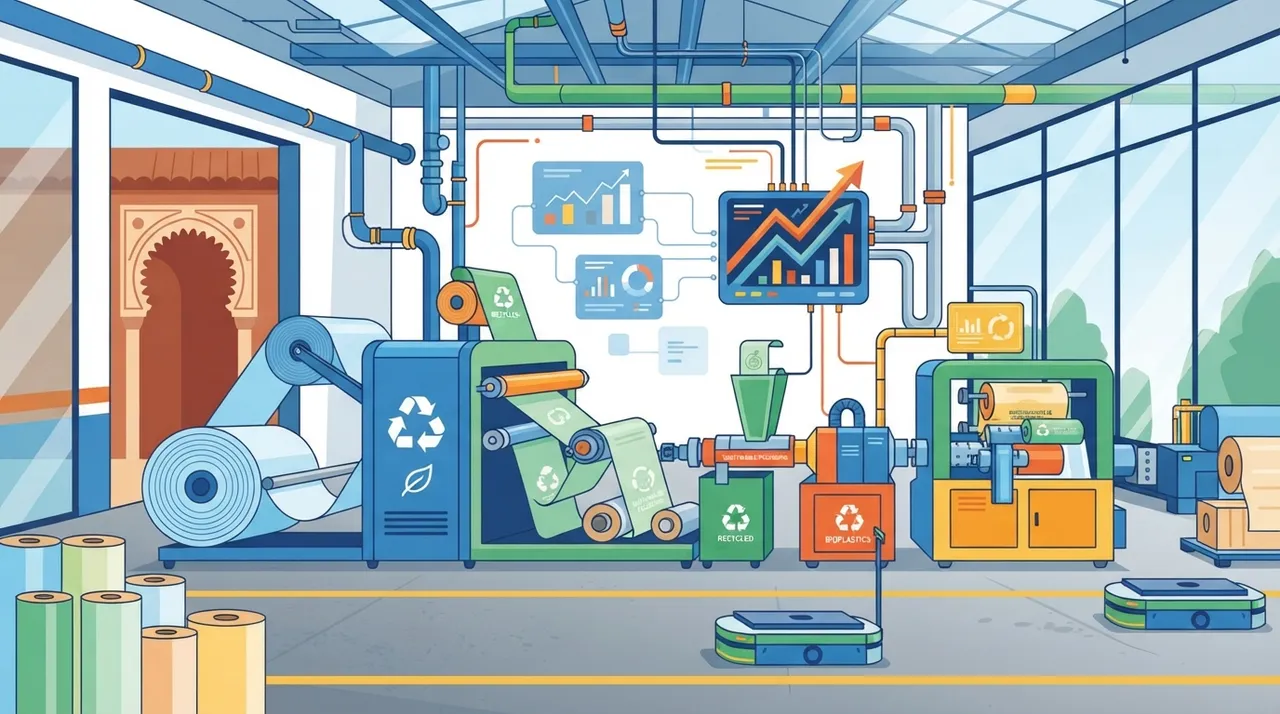
The proposed initial production capacity for the factory starts at 450 tons per month of various products, with staggered utilization starting at 50% in the first year, increasing to 70% in the second year, and 85% in the third year, with future expansion plans.
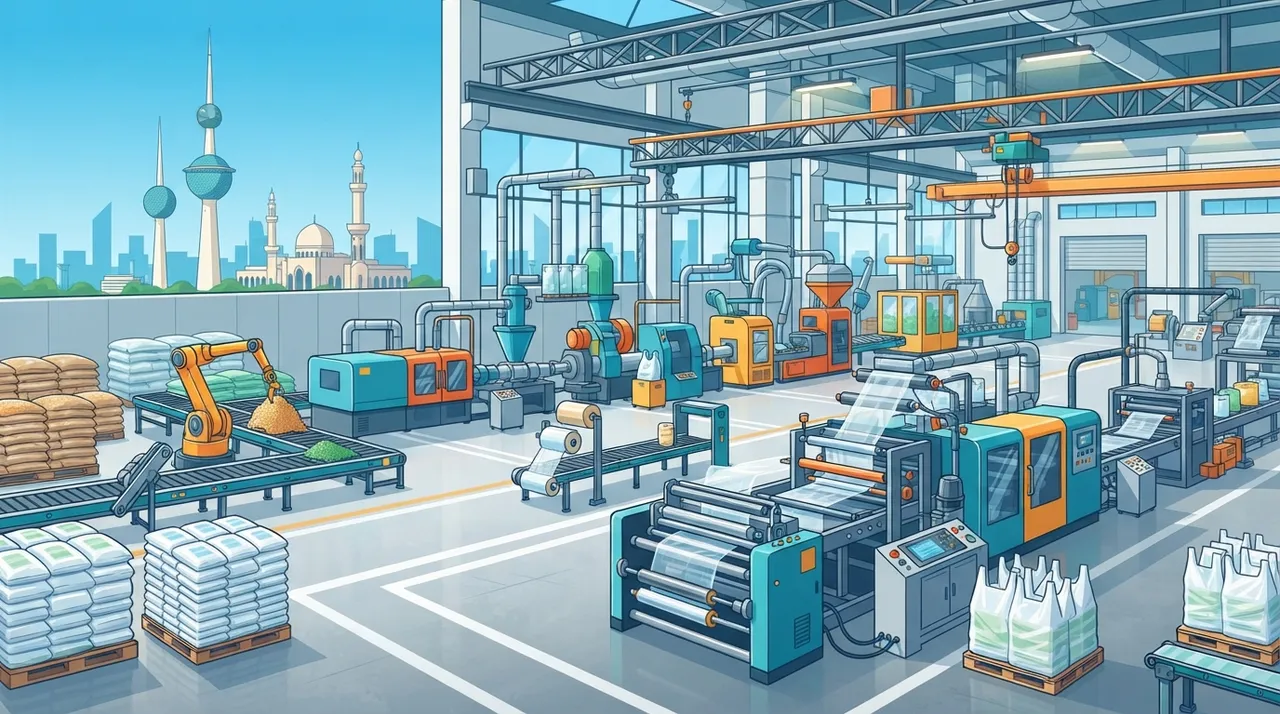
Daily operations of the factory include raw material reception, mixing and production processes, quality control at each stage, packaging, storage, and finally distribution. Strict quality standards will be applied to ensure product conformity with Syrian and international standard specifications, and to avoid health problems that may result from low-quality products. Technical staff and labor will be trained on the latest technologies to ensure production efficiency and maintain a safe working environment.
The technical aspect of the project requires a suitable location in one of Syria's industrial cities that offers good infrastructure and supporting services. The area must be sufficient for production lines, warehouses, and administrative offices, considering future expansions. Necessary equipment includes stainless steel mixers, raw material storage tanks, automatic filling and packaging lines, and quality control equipment. The project will rely on local and international suppliers for raw materials (such as sulfonic acid, Texapon, caustic soda, fragrances, and colors) with a focus on ensuring quality and continuity of supply. Tax and customs incentives are available in industrial cities to support investment.
Projected Income Statement (5 Years)
| Item \ Year | Year 1 | Year 2 | Year 3 | Year 4 | Year 5 |
|---|---|---|---|---|---|
| Revenue | ١٨٬٠٠٠٬٠٠٠٬٠٠٠ S.P. | ١٩٬٨٠٠٬٠٠٠٬٠٠٠ S.P. | ٢١٬٧٨٠٬٠٠٠٬٠٠٠ S.P. | ٢٣٬٩٥٨٬٠٠٠٬٠٠٠ S.P. | ٢٦٬٣٥٣٬٨٠٠٬٠٠٠ S.P. |
| Cost of Sales | (١١٬٧٠٠٬٠٠٠٬٠٠٠ S.P.) | (١٢٬٨٧٠٬٠٠٠٬٠٠٠ S.P.) | (١٤٬١٥٧٬٠٠٠٬٠٠٠ S.P.) | (١٥٬٥٧٢٬٧٠٠٬٠٠٠ S.P.) | (١٧٬١٢٩٬٩٧٠٬٠٠٠ S.P.) |
| Gross Profit | ٦٬٣٠٠٬٠٠٠٬٠٠٠ S.P. | ٦٬٩٣٠٬٠٠٠٬٠٠٠ S.P. | ٧٬٦٢٣٬٠٠٠٬٠٠٠ S.P. | ٨٬٣٨٥٬٣٠٠٬٠٠٠ S.P. | ٩٬٢٢٣٬٨٣٠٬٠٠٠ S.P. |
| Operating Expenses | (٣٬٦٠٠٬٠٠٠٬٠٠٠ S.P.) | (٣٬٩٦٠٬٠٠٠٬٠٠٠ S.P.) | (٤٬٣٥٦٬٠٠٠٬٠٠٠ S.P.) | (٤٬٧٩١٬٦٠٠٬٠٠٠ S.P.) | (٥٬٢٧٠٬٧٦٠٬٠٠٠ S.P.) |
| EBITDA | ٢٬٧٠٠٬٠٠٠٬٠٠٠ S.P. | ٢٬٩٧٠٬٠٠٠٬٠٠٠ S.P. | ٣٬٢٦٧٬٠٠٠٬٠٠٠ S.P. | ٣٬٥٩٣٬٧٠٠٬٠٠٠ S.P. | ٣٬٩٥٣٬٠٧٠٬٠٠٠ S.P. |
| Tax | (٣٠٬٠٠٠٬٠٠٠ S.P.) | (٧٠٬٥٠٠٬٠٠٠ S.P.) | (١١٥٬٠٥٠٬٠٠٠ S.P.) | (١٦٤٬٠٥٥٬٠٠٠ S.P.) | (٢١٧٬٩٦٠٬٥٠٠ S.P.) |
| Net Profit | ١٧٠٬٠٠٠٬٠٠٠ S.P. | ٣٩٩٬٥٠٠٬٠٠٠ S.P. | ٦٥١٬٩٥٠٬٠٠٠ S.P. | ٩٢٩٬٦٤٥٬٠٠٠ S.P. | ١٬٢٣٥٬١٠٩٬٥٠٠ S.P. |
| Net Margin | ١٪ | ٢٪ | ٣٪ | ٤٪ | ٥٪ |
Investment Cost Structure
| Item | Cost | Percentage |
|---|---|---|
| Initial Raw Materials | ٥٬٠٠٠٬٠٠٠٬٠٠٠ S.P. | ٤٠٪ |
| Machinery, Equipment, and Production Lines | ٣٬١٢٥٬٠٠٠٬٠٠٠ S.P. | ٢٥٪ |
| Operating Costs (Electricity, Water, Fuel) | ١٬٢٥٠٬٠٠٠٬٠٠٠ S.P. | ١٠٪ |
| Salaries and Wages for Labor | ١٬٢٥٠٬٠٠٠٬٠٠٠ S.P. | ١٠٪ |
| Marketing and Distribution | ١٬٠٠٠٬٠٠٠٬٠٠٠ S.P. | ٨٪ |
| Fees, Licenses, and Factory Setup | ٨٧٥٬٠٠٠٬٠٠٠ S.P. | ٧٪ |
Cash Flow and Break-even Point
| Year | Operating Cash Flow | Cumulative Cash Flow |
|---|---|---|
| Year 1 | ٢٬٦٧٠٬٠٠٠٬٠٠٠ S.P. | -٩٬٨٣٠٬٠٠٠٬٠٠٠ S.P. |
| Year 2 | ٢٬٨٩٩٬٥٠٠٬٠٠٠ S.P. | -٦٬٩٣٠٬٥٠٠٬٠٠٠ S.P. |
| Year 3 | ٣٬١٥١٬٩٥٠٬٠٠٠ S.P. | -٣٬٧٧٨٬٥٥٠٬٠٠٠ S.P. |
| Year 4 | ٣٬٤٢٩٬٦٤٥٬٠٠٠ S.P. | -٣٤٨٬٩٠٥٬٠٠٠ S.P. |
| Year 5 | ٣٬٧٣٥٬١٠٩٬٥٠٠ S.P. | ٣٬٣٨٦٬٢٠٤٬٥٠٠ S.P. |
Estimated break-even point at annual revenue ≈ ١٧٬٤٢٨٬٥٧١٬٤٢٩ S.P. (~٩٧٪ of Year 1 revenue), with a 35% contribution margin. Cumulative cash break-even in Year ٥.
Funding Structure
| Funding Source | Percentage | Amount |
|---|---|---|
| Equity | ٧٠٪ | ٨٬٧٥٠٬٠٠٠٬٠٠٠ S.P. |
| Debt Financing (12% interest) | ٣٠٪ | ٣٬٧٥٠٬٠٠٠٬٠٠٠ S.P. |
Sensitivity Analysis (Revenue × Operations)
Impact of simultaneous changes in revenue and costs on Net Present Value:
| Revenue \ Operations | −10٪ | −5٪ | Base | +5٪ | +10٪ |
|---|---|---|---|---|---|
| −20٪ | -٤٬١١٦٬٠٨٤ S.P. | -٢٬٢٦٨٬٧٥٥٬٠٤٠ S.P. | -٤٬٥٨٩٬٩٧٢٬٥٦٦ S.P. | -٧٬١٧١٬٤٣٧٬٧٤٩ S.P. | -٩٬٨٣٥٬٧١٨٬٨٧٤ S.P. |
| −10٪ | ١٬٤١١٬٢٨٣٬٢٦٤ S.P. | -١٬١٣٦٬٤٣٥٬٥٦٢ S.P. | -٣٬٦٩٣٬٠٥٢٬٦٩٣ S.P. | -٦٬٥٠٥٬٣٦٧٬٤٦٨ S.P. | -٩٬٥٠٢٬٦٨٣٬٧٣٤ S.P. |
| Base | ٢٬٨٢٦٬٦٨٢٬٦١٢ S.P. | -٤٬١١٦٬٠٨٤ S.P. | -٢٬٨٣٤٬٩١٤٬٧٨٠ S.P. | -٥٬٨٤٨٬١٧٣٬٥٦٣ S.P. | -٩٬١٦٩٬٦٤٨٬٥٩٣ S.P. |
| +10٪ | ٤٬٢٤٢٬٠٨١٬٩٦٠ S.P. | ١٬١٢٨٬٢٠٣٬٣٩٥ S.P. | -١٬٩٨٥٬٦٧٥٬١٧١ S.P. | -٥٬٢٠٩٬٨٥٦٬٦٤٠ S.P. | -٨٬٨٣٦٬٦١٣٬٤٥٢ S.P. |
| +20٪ | ٥٬٦٥٧٬٤٨١٬٣٠٨ S.P. | ٢٬٢٦٠٬٥٢٢٬٨٧٣ S.P. | -١٬١٣٦٬٤٣٥٬٥٦٢ S.P. | -٤٬٥٨٩٬٩٧٢٬٥٦٦ S.P. | -٨٬٥٠٣٬٥٧٨٬٣١٢ S.P. |
Scenario Analysis
| Scenario | Probability | NPV | Assessment |
|---|---|---|---|
| Pessimistic | ٢٥٪ | -٥٬٥٨٨٬٦٥٧٬١٤٤ S.P. | Not feasible |
| Base | ٥٠٪ | -٢٬٨٣٤٬٩١٤٬٧٨٠ S.P. | Not feasible |
| Optimistic | ٢٥٪ | ٢٢٢٬٣٤٧٬٨١٢ S.P. | Feasible |
Expected Present Value (Weighted): -٢٬٧٥٩٬٠٣٤٬٧٢٣ S.P.
Risk Analysis and Management
| Risk | Probability | Impact | Mitigation |
|---|---|---|---|
| Raw material price fluctuations | High | High | Diversify local and international suppliers, and enter into long-term purchase agreements. |
| Weak consumer purchasing power | Medium | Medium | Offer products of varying quality and price points to suit different segments, and focus on operational efficiency to reduce costs. |
| Intense competition and counterfeit products | High | High | Build a strong brand, focus on quality and innovation, and launch consumer awareness campaigns. |
| Energy shortages (electricity and fuel) | Medium | High | Invest in alternative energy sources (e.g., solar power), or secure industrial supply lines exempt from rationing. |
| Difficulty in obtaining financing or high cost of financing | Medium | Medium | Rely more on self-financing (equity) and seek government support programs for small and medium-sized enterprises. |
Organizational Structure and Team
The factory's organizational structure will include a specialized management team comprising a General Manager, Production Manager, Sales and Marketing Manager, Financial Manager, and Quality Manager. Skilled and trained technical staff and labor will be recruited in the field of soap and detergent manufacturing. The project requires chemical engineers to oversee production processes and product development, in addition to production line workers and administrative staff. The focus is on building an integrated team with high experience and efficiency to ensure effective operation and achieve project objectives.
Legal and Regulatory Aspects
The project requires obtaining necessary licenses from Syrian government entities, including an industrial license from the Ministry of Industry, a commercial register, health certificates for products, and environmental approvals. Facilitations in licensing procedures are expected for industrial investments in industrial cities. Compliance with applicable tax laws and regulations in Syria is required, which include a corporate income tax rate of 28% with potential exemptions for exporting industrial factories, an 80% exemption if 50% or more of production is exported.
Expansion and Sustainability Plan
The expansion plan relies on gradually increasing production capacity to meet growing demand, while exploring regional export markets. Expansion can be achieved by adding new production lines, diversifying products to include different types of specialized soaps and detergents, and developing environmentally friendly products. Strategic partnerships can also be sought to enhance distribution capability and reach wider customer segments. The sustainability plan aims to achieve operational efficiency, reduce waste, and adhere to social and environmental responsibility.
Environmental, Social, and Governance (ESG) Impact
The factory will focus on minimizing environmental impact by using environmentally friendly raw materials as much as possible and implementing water and industrial waste treatment systems to ensure compliance with environmental standards. Sustainable practices will be adopted at all stages of production. Socially, the project will create job opportunities for local talent and contribute to supporting the national economy. Adherence to sound governance principles and transparency will be ensured in all aspects of work.
Conclusions and Recommendations
The soap and detergent factory project in Syria is a promising investment opportunity due to continuous demand for essential products and industrial support incentives. Despite economic challenges, focusing on quality, innovation, and effective marketing, in addition to sound financial management, can ensure sustainable profits and a good return on investment. It is recommended to proceed with the project while considering flexibility in facing economic changes and securing supply chains.
Frequently Asked Questions
Is the soap and detergent factory project profitable in Syria?
Yes, the project is considered profitable due to continuous demand for essential products, provided there is a focus on quality and effective marketing.
How much does it cost to establish a soap factory in Syria?
The proposed initial capital is approximately 12.5 billion Syrian Pounds, and costs can vary depending on the factory's size and technologies.
What licenses are required for a detergent factory in Syria?
It requires an industrial license, commercial register, product health certificates, and environmental approvals, with facilitations available in industrial cities.
What are the industrial electricity prices in Syria?
The price per kilowatt-hour for industrial use is standardized at 1400 Syrian Pounds.
What is the tax rate for industrial companies in Syria?
The corporate income tax rate in Syria is 28%, with exemptions for exporting industrial factories of 80% if 50% or more of production is exported.
What is the average worker salary in Syria 2026?
The minimum wage in the public and private sectors is 12,560 Syrian Pounds per month, with general salary increases of 50% in May 2026.
Sources and Disclaimer
- Specialized Syrian economic reports (local newspapers and news websites).
- Feasibility studies for similar projects in the region.
- Syrian government and banking data (Ministry of Finance, Industrial Bank).
- Analyses by economic experts and international institutions on the Syrian economy.
- Raw material prices in local and regional markets.
Disclaimer: This is a guiding study that provides financial analysis according to approved sector standards; verify local figures according to your project's reality before any investment decision.