Executive Summary
The Dates Processing and Packaging Factory project in the industrial and manufacturing sector in Spain targets a promising market opportunity. With an investment of €1,200,000, it achieves a Net Present Value (NPV) of -€665,284, an Internal Rate of Return (IRR) of -13%, and a payback period of — years.
| Indicator | Value |
|---|---|
| Initial Investment | ١٬٢٠٠٬٠٠٠ € |
| First Year Revenue | ٨٥٠٬٠٠٠ € |
| Annual Growth (CAGR) | ٩٪ |
| Net Margin (Y1) | -١٣٪ |
| Return on Investment (Avg.) | -٧٪ Annually |
| Net Present Value (NPV) | -٦٦٥٬٢٨٤ € |
| Internal Rate of Return (IRR) | -١٣٪ |
| Profitability Index (PI) | ٠ |
| Payback Period | — |
| Break-even Year | — |
| Expected NPV (Probability-weighted) | -٦٥٦٬٦٣٤ € |
Assumptions and Basis
The figures in this study are based on project data, the nature of the industrial and manufacturing sector in Spain, and local market indicators, according to the following assumptions:
| Assumption | Value |
|---|---|
| Initial Capital | ١٬٢٠٠٬٠٠٠ € |
| First Year Revenue | ٨٥٠٬٠٠٠ € |
| Annual Growth | ٩٪ |
| Cost of Goods Sold (COGS) | ٦٠٪ of Revenue |
| Operating Expenses | ٢٥٪ of Revenue |
| Tax/Zakat | ٢٥٪ |
| Discount Rate (WACC) | ١٢٪ |
| Study Horizon | ٥ years |
Basis of Assumptions: These figures are based on the average costs and sales of small and medium-sized factories in the processed food sector in Spain, taking into account the expected profit margins for packaged dates.
Project Description and Opportunity
The dates processing and packaging factory project in Spain aims to capitalize on opportunities in the European market, which is experiencing increasing demand for natural and healthy products. The factory will import high-quality dates from countries of origin, process them, and package them according to the highest European quality and food safety standards, then distribute them in the Spanish and other European markets. The business model is based on offering a variety of date products (whole dates, chopped dates, date paste) in attractive packaging to meet the needs of various consumer segments, including retailers, hotels, restaurants, and food manufacturers. The project represents an opportunity to provide a healthy and high-quality product, while contributing to the local economy by creating jobs and promoting trade.
Market and Demand Study
The global dates market is experiencing steady growth, reaching approximately $14.9 billion in 2023 and projected to reach $15.47 billion in 2024. Spain is a major gateway for food products into Europe and is one of the most important importers of fruits and vegetables. Awareness of the health benefits of dates is increasing in Europe, driving demand for this product. Although Spain is not a major producer of dates, it imports significant quantities, indicating a strong consumer market. European markets generally focus on high-quality dates and packaged date products. There is also increasing demand for organic and traditional dates.
Market Sizing (TAM / SAM / SOM)
The market sizing methodology relies on estimating the size of the global date market, then determining Europe's share of this market, with a focus on Spain as a distribution gateway. The projected annual growth of the global date market (3.5% CAGR) and per capita consumption in European countries are taken into account. The available market is estimated based on Spain's and Europe's imports of dates and derived products, with a focus on sought-after varieties such as Medjool and Deglet Noor. The realistic target market is determined based on the factory's production capacity, marketing strategy, and available distribution channels in Spain and neighboring markets.
| Level | Annual Size | Description |
|---|---|---|
| TAM — Total Addressable Market | 15470.0 مليون € | Total serviceable demand |
| SAM — Serviceable Available Market | 2000.0 مليون € | The portion your model can reach |
| SOM — Serviceable Obtainable Market | 150.0 مليون € | Your realistic early share |
Sizing Basis: The Total Addressable Market (TAM) reflects the global date market in 2024 ($15.47 billion USD, approximately €14.5 billion at an approximate exchange rate of 1.07 USD/EUR). The Serviceable Available Market (SAM) focuses on the European date market, which is experiencing continuous growth. The Serviceable Obtainable Market (SOM) represents a reasonable share achievable in Spain and neighboring European countries within the first five years.
Unit Economics
Measures the profitability of each sales unit/customer — the most accurate feasibility indicator:
| Unit Indicator | Value |
|---|---|
| Sales Unit | ٥٠٠ gram package |
| Average Price/Revenue per Unit | ٥ € |
| Customer Acquisition Cost (CAC) | ١ € |
| Customer Lifetime Value (LTV) | ٢٥ € |
| LTV/CAC Ratio | ٣١٫٣× (Healthy) |
| Contribution Margin | ٤٠٪ |
Competitive Analysis
Competition in the packaged dates market in Spain primarily comes from European companies importing and distributing dates from the Middle East and North Africa, in addition to some local producers of dried fruit derivatives. The project's sustainable advantage lies in focusing on high-quality dates, professional and attractive packaging, and developing a strong brand that emphasizes the health benefits and nutritional value of dates. Differentiation can be achieved by offering a wide range of products (premium dates, organic, paste, syrup) and innovating new products such as stuffed or chocolate-covered dates. Building strong relationships with reliable suppliers to ensure a continuous supply of high-quality dates at competitive prices is also crucial.
Market Entry and Pricing Plan
The market entry and marketing plan revolves around targeting large retailers (such as Mercadona, Carrefour, El Corte Inglés) and wholesalers and specialized food distributors in Spain. Digital marketing channels will be used to reach end consumers, with a focus on social media and content marketing to highlight the health benefits of dates. Participation in specialized food trade shows will be undertaken to build relationships with potential buyers. The pricing strategy will be based on a mix of competitive pricing for basic dates and premium pricing for value-added or organic date products. Emphasis will also be placed on building a trusted brand that reflects quality and adherence to European standards.
Capacity and Operations
The factory will operate at an initial production capacity of 500 metric tons annually in the first year, with a plan for gradual expansion to reach 1,500 metric tons within five years. Occupancy will begin at 50% in the first year and increase by 10% annually.
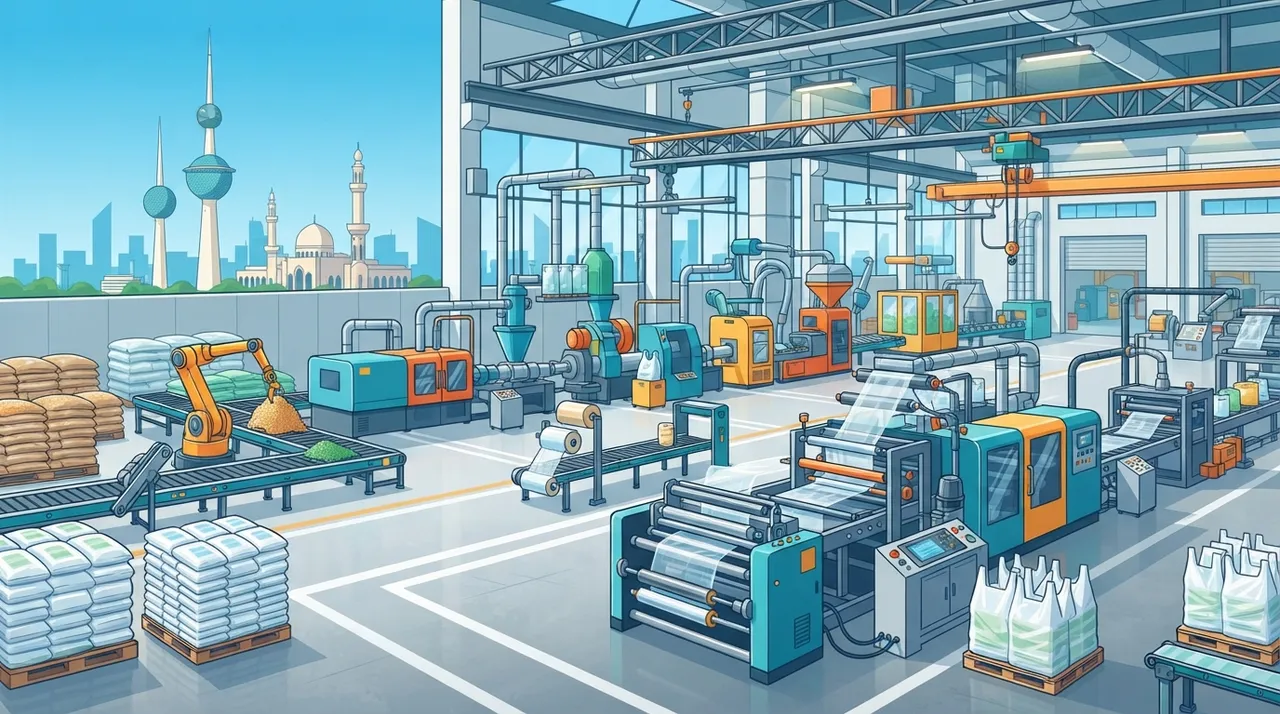
Daily factory operations include receiving raw dates, initial sorting, washing and cleaning, steaming (if needed), drying, final sorting and quality control, packaging, and storage in a suitable environment. A strict quality management system (such as HACCP and ISO 22000) will be applied to ensure products comply with European standards. Operational processes will also include inventory management, regular equipment maintenance, and supply chain management to ensure a smooth flow of raw materials and finished products. Emphasis will be placed on operational efficiency to reduce waste and improve productivity.
Technical aspects include selecting a suitable factory location near major ports for easy import of dates and export of finished products, with the necessary infrastructure available (electricity, water, roads). The factory will include modern production lines for sorting, cleaning, drying, sterilizing, and packaging dates. All equipment must comply with European food safety regulations. Contracts will be made with reliable suppliers of raw dates from countries such as Tunisia, Algeria, Saudi Arabia, or Iraq, with a focus on the quality of dates and varieties demanded in the European market such as Medjool and Deglet Noor. Suppliers of high-quality and sustainable packaging materials will also be secured.
Projected Income Statement (5 Years)
| Item \ Year | Y1 | Y2 | Y3 | Y4 | Y5 |
|---|---|---|---|---|---|
| Revenue | ٨٥٠٬٠٠٠ € | ٩٢٢٬٢٥٠ € | ١٬٠٠٠٬٦٤١ € | ١٬٠٨٥٬٦٩٦ € | ١٬١٧٧٬٩٨٠ € |
| Cost of Sales | (٥١٠٬٠٠٠ €) | (٥٥٣٬٣٥٠ €) | (٦٠٠٬٣٨٥ €) | (٦٥١٬٤١٧ €) | (٧٠٦٬٧٨٨ €) |
| Gross Profit | ٣٤٠٬٠٠٠ € | ٣٦٨٬٩٠٠ € | ٤٠٠٬٢٥٧ € | ٤٣٤٬٢٧٨ € | ٤٧١٬١٩٢ € |
| Operating Expenses | (٢١٢٬٥٠٠ €) | (٢٣٠٬٥٦٣ €) | (٢٥٠٬١٦٠ €) | (٢٧١٬٤٢٤ €) | (٢٩٤٬٤٩٥ €) |
| EBITDA | ١٢٧٬٥٠٠ € | ١٣٨٬٣٣٨ € | ١٥٠٬٠٩٦ € | ١٦٢٬٨٥٤ € | ١٧٦٬٦٩٧ € |
| Tax | (٠ €) | (٠ €) | (٠ €) | (٠ €) | (٠ €) |
| Net Profit | -١١٢٬٥٠٠ € | -١٠١٬٦٦٢ € | -٨٩٬٩٠٤ € | -٧٧٬١٤٦ € | -٦٣٬٣٠٣ € |
| Net Margin | -١٣٪ | -١١٪ | -٩٪ | -٧٪ | -٥٪ |
Investment Cost Structure
| Item | Cost | Percentage |
|---|---|---|
| Production Machinery and Equipment | ٤٢٠٬٠٠٠ € | ٣٥٪ |
| Building Fit-out and Infrastructure | ٣٠٠٬٠٠٠ € | ٢٥٪ |
| Initial Working Capital (Raw materials, wages) | ٢٤٠٬٠٠٠ € | ٢٠٪ |
| Licensing and Establishment Costs | ٩٦٬٠٠٠ € | ٨٪ |
| Initial Marketing Campaigns | ٨٤٬٠٠٠ € | ٧٪ |
| Contingency Reserve | ٦٠٬٠٠٠ € | ٥٪ |
Cash Flow and Break-even Point
| Year | Operating Cash Flow | Cumulative Cash Flow |
|---|---|---|
| Year ١ | ١٢٧٬٥٠٠ € | -١٬٠٧٢٬٥٠٠ € |
| Year ٢ | ١٣٨٬٣٣٨ € | -٩٣٤٬١٦٢ € |
| Year ٣ | ١٥٠٬٠٩٦ € | -٧٨٤٬٠٦٦ € |
| Year ٤ | ١٦٢٬٨٥٤ € | -٦٢١٬٢١٢ € |
| Year ٥ | ١٧٦٬٦٩٧ € | -٤٤٤٬٥١٥ € |
Estimated break-even point at annual revenue ≈ ١٬١٣١٬٢٥٠ € (~١٣٣٪ of first-year revenue), with a contribution margin of ٤٠٪. Cumulative cash break-even beyond the study horizon.
Funding Structure
| Funding Source | Percentage | Amount |
|---|---|---|
| Equity | ٦٠٪ | ٧٢٠٬٠٠٠ € |
| Debt Financing (٦٪ interest) | ٤٠٪ | ٤٨٠٬٠٠٠ € |
Sensitivity Analysis (Revenue × Operations)
Impact of simultaneous changes in revenue and costs on Net Present Value:
| Revenue \ Operations | −10٪ | −5٪ | Base | +5٪ | +10٪ |
|---|---|---|---|---|---|
| −20٪ | -٤٨٧٬٠٤٥ € | -٦٢٩٬٦٣٦ € | -٧٧٢٬٢٢٧ € | -٩١٤٬٨١٨ € | -١٬٠٥٧٬٤٠٩ € |
| −10٪ | -٤٠٢٬١٥٩ € | -٥٥٨٬٣٤١ € | -٧١٨٬٧٥٦ € | -٨٧٩٬١٧٠ € | -١٬٠٣٩٬٥٨٥ € |
| Base | -٣٢٣٬٣٣٨ € | -٤٨٧٬٠٤٥ € | -٦٦٥٬٢٨٤ € | -٨٤٣٬٥٢٣ € | -١٬٠٢١٬٧٦١ € |
| +10٪ | -٢٤٩٬٨٧٤ € | -٤١٨٬٤٦٧ € | -٦١١٬٨١٢ € | -٨٠٧٬٨٧٥ € | -١٬٠٠٣٬٩٣٧ € |
| +20٪ | -١٨١٬٦٣٩ € | -٣٥٣٬٨٠٩ € | -٥٥٨٬٣٤١ € | -٧٧٢٬٢٢٧ € | -٩٨٦٬١١٤ € |
Scenario Analysis
| Scenario | Probability | NPV | Assessment |
|---|---|---|---|
| Pessimistic | ٢٥٪ | -٨٤٣٬٥٢٣ € | Not feasible |
| Base | ٥٠٪ | -٦٦٥٬٢٨٤ € | Not feasible |
| Optimistic | ٢٥٪ | -٤٥٢٬٤٤٤ € | Not feasible |
Expected Present Value (Weighted): -٦٥٦٬٦٣٤ €.
Risk Analysis and Management
| Risk | Probability | Impact | Mitigation |
|---|---|---|---|
| Fluctuations in global raw date prices | Medium | High | Long-term contracts with multiple suppliers, exploring alternative supplier markets, hedging against price fluctuations. |
| Difficulty penetrating the European market and securing distribution channels | Medium | High | Investing in marketing and public relations, building a specialized sales team, participating in international exhibitions, offering competitive bulk offers, contracting experienced distributors. |
| Changes in European health regulations and standards | Low | Medium | Continuous monitoring of European legislation, contracting a specialized legal consultant, investing in flexible and adaptable quality systems. |
| Supply chain issues (delays, spoiled goods) | Medium | Medium | Selecting reliable suppliers, diversifying supply sources, using reputable shipping companies, comprehensive cargo insurance, using refrigerated containers for shipping. |
| Intense competition from local and foreign products | High | Medium | Differentiating through quality and packaging, innovating new products, building a strong brand, offering competitive prices, focusing on excellent customer service. |
Organizational Structure and Team
The proposed organizational structure consists of a General Manager, Production Manager, Sales and Marketing Manager, and Financial and Administrative Manager. The workforce requires production workers with experience in the food industry, quality technicians, and sales and marketing staff with knowledge of the European market. The average salary for a production worker in the food sector in Spain ranges from €17,000 to €22,000 annually. A small and specialized team will be hired initially, with the possibility of expansion depending on production and sales growth. Continuous training for staff on the latest production and quality techniques will ensure high standards are maintained.
Legal and Regulatory Aspects
The project requires obtaining the necessary licenses for establishing and operating a food factory in Spain, which include building permits, operating licenses from local authorities and the Ministry of Health, and commercial registration. Compliance with all European regulations related to food safety, labeling, and consumer protection is mandatory. Quality certifications such as ISO 22000 must also be obtained. Regarding import and export, the project requires obtaining an import and export card and customs clearance for products. Adherence to Spanish and European labor and employment laws is also important.
Expansion and Sustainability Plan
The expansion plan includes gradually increasing the factory's production capacity by adding new production lines or improving the efficiency of existing ones. Geographical expansion can be achieved by targeting new European markets after establishing a presence in Spain. Products can also be diversified to include date derivatives such as date molasses, date paste, or baked goods and sweets containing dates. To ensure sustainability, the focus will be on using sustainable production practices, minimizing waste, and seeking organic or sustainably certified date sources.
Environmental, Social, and Governance (ESG) Impact
The project aims to reduce environmental impact by using energy- and water-efficient technologies in manufacturing processes. Emphasis will be placed on effective solid and liquid waste management and recycling packaging materials as much as possible. Socially, the factory will provide local employment opportunities and contribute to staff training, thereby enhancing the community's economic development. Good governance will follow principles of transparency, accountability, and adherence to ethical standards, with a focus on workers' rights and safety. There is also increasing interest in Spain in supporting agricultural companies that adopt sustainable practices.
Conclusions and Recommendations
The dates processing and packaging factory project in Spain represents a promising investment opportunity given the increasing demand for dates as a healthy product in Europe. With a proposed capital of €1.2 million, the project can achieve good revenues and viable profit margins, especially with a focus on quality and excellence in packaging. The recommendation is to proceed with the project, focusing on a detailed feasibility study of the European market, securing high-quality date sources, and implementing the latest quality and food safety standards.
Frequently Asked Questions
How much does it cost to set up a dates processing and packaging factory in Spain?
The estimated cost for setting up a medium-sized dates processing and packaging factory in Spain starts at approximately €1.2 million. This cost includes machinery and equipment, building fit-out, and initial working capital.
How much profit does a dates factory project in Spain make?
Based on the assumptions, the project can achieve revenues of approximately €850,000 in the first year, with a contribution margin of up to 40%, and an expected annual growth rate of 8.5%.
What licenses are required for a food factory in Spain?
The project requires licenses from the Spanish Ministry of Health, environmental licenses, commercial registration, and municipal operating licenses, in addition to quality certifications such as HACCP.
Is a dates project profitable in Spain?
Yes, a dates project is considered profitable in Spain due to the increasing demand for dates as a healthy product, the large European market size, and the potential to achieve good profit margins with excellence in quality and packaging.
What are the most demanded date varieties in the European market?
Medjool and Deglet Noor are among the most demanded varieties in the European market, owing to their high quality, distinct taste, and health benefits.
How can dates be marketed in Spain?
Dates can be marketed in Spain through large retailers, wholesalers, specialized food distributors, digital marketing, and participation in trade shows.
Sources and Disclaimer
- Food and Agriculture Organization (FAO) reports
- Studies and analyses of the global and European date market
- Data on wholesale and retail prices of dates and dried fruits in Spain
- Statistics from the Spanish Ministry of Agriculture and relevant government agencies
- Interviews with experts in the food and distribution sector in Spain
Disclaimer: This is a guiding study that provides financial analysis according to approved industry standards; verify the figures locally according to your project's reality before any investment decision.