Executive Summary
The project for a plant to recycle mixed plastics into sustainable building materials (such as floor tiles, insulation panels, or plastic lumber) using innovative technologies that reduce the need in the industrial and manufacturing sector in Spain targets a promising market opportunity. With an investment of €1,200,000, it achieves a net present value of €-586,653, an internal rate of return of -11%, and a payback period of — years.
| Indicator | Value |
|---|---|
| Initial Investment | €١٬٢٠٠٬٠٠٠ |
| First Year Revenue | €٩٥٠٬٠٠٠ |
| Annual Growth (CAGR) | ٧٪ |
| Net Margin (Y1) | -١٠٪ |
| Return on Investment (Avg) | -٦٪ annually |
| Net Present Value (NPV) | €-٥٨٦٬٦٥٣ |
| Internal Rate of Return (IRR) | -١١٪ |
| Profitability Index (PI) | ١ |
| Payback Period | — |
| Break-even Year | — |
| Expected NPV (Probability-Weighted) | €-٥٧٥٬٣٥٢ |
Assumptions and Basis
The figures in this study are based on project data, the nature of the industrial and manufacturing sector in Spain, and local market indicators, according to the following assumptions:
| Assumption | Value |
|---|---|
| Initial Capital | €١٬٢٠٠٬٠٠٠ |
| First Year Revenue | €٩٥٠٬٠٠٠ |
| Annual Growth | ٧٪ |
| Cost of Goods Sold (COGS) | ٥٥٪ of revenue |
| Operating Expenses | ٣٠٪ of revenue |
| Tax/Zakat | ١٥٪ |
| Discount Rate (WACC) | ١٠٪ |
| Study Horizon | ٥ years |
Basis of Assumptions: Figures are based on average operating costs and revenues in the plastic recycling and building materials manufacturing sector in Spain, considering government support for startups.
Project Description and Opportunity
The project aims to establish a modern plant for recycling mixed plastics in Spain, transforming them into a variety of high-value sustainable building materials, such as resistant floor tiles, thermal and acoustic insulation panels, and alternative plastic lumber. The opportunity is based on increasing environmental awareness and government regulations supporting the circular economy, especially in the construction sector, which is experiencing significant growth in Spain and seeks to reduce its carbon footprint. The business model relies on purchasing mixed plastics from sorting and collection centers, processing them using innovative technologies to produce high-quality products that meet the needs of the sustainable construction market. Target customers are construction companies, real estate developers, and building material traders looking for sustainable and economical solutions.
Market and Demand Study
The plastic recycling market in Spain is experiencing significant growth, with the recycled polyolefin market size expected to reach USD 1.46 billion by 2030, at a CAGR of 7.1% from 2025 to 2030. The zero-waste building materials market size in Spain is USD 3,007.8 million in 2024, and is projected to reach USD 4,776.1 million by 2033, growing at a CAGR of 5.3% from 2025 to 2033. The construction sector is a key driver for the plastics industry in Spain, having seen a 39% growth in plastic usage over the past three years. Government regulations and increasing awareness of sustainability are driving demand for recycled plastics in the construction sector. Spain has surpassed the European average in recycled plastic content in new products, reaching 22.3%, almost double the European average of 12.6%.
Market Sizing (TAM / SAM / SOM)
The Total Addressable Market (TAM) was determined based on the total market size of recycled polyolefins in Spain, which represents the primary raw materials for the project's products. The Serviceable Available Market (SAM) was estimated as a percentage of TAM representing the construction sector in Spain, considering the project's focus on building materials. The Serviceable Obtainable Market (SOM) was determined based on the plant's initial production capacity, market penetration capability, current competition, and supportive legislation. The methodology relies on data collection from industry reports and market analyses specific to Spain, with a focus on developments in the circular economy and sustainable construction sector. The focus will be on relationships with large construction companies and specialized retailers of eco-friendly building materials to ensure stable sales volumes.
| Level | Annual Size | Description |
|---|---|---|
| TAM — Total Addressable Market | €1461.9 million | Total addressable demand |
| SAM — Serviceable Available Market | €400.0 million | The portion your model addresses |
| SOM — Serviceable Obtainable Market | €50.0 million | Your realistic early share |
Sizing Basis: Market sizing is based on the 2030 recycled polyolefin market size in Spain (€1.46 billion) and its usage in the construction sector, with a realistic market share estimate for the project.
Unit Economics
Measures the profitability of each unit sale/customer — the most accurate feasibility indicator:
| Unit Metric | Value |
|---|---|
| Unit of Sale | Ton of recycled building materials |
| Avg Price/Revenue per Unit | €٨٠٠ |
| Customer Acquisition Cost (CAC) | €٥٠٠ |
| Customer Lifetime Value (LTV) | €١٥٬٠٠٠ |
| LTV/CAC Ratio | ٣٠× (healthy) |
| Contribution Margin | ٤٥٪ |
Competitive Analysis
The competitive landscape in Spain is characterized by a number of companies specializing in plastic recycling, in addition to traditional building material manufacturers. Key competitors include large polyolefin recycling companies and international suppliers of recycled plastic materials. The project's sustainable advantage lies in focusing on mixed plastics, which are often more difficult to recycle, and using innovative technologies to produce high-quality, standardized building materials. The competitive advantage will also come from focusing on specific products that meet the needs of the local Spanish market, while offering customized solutions that enhance sustainability and reduce construction costs in the long term. Adherence to high environmental standards and obtaining green certifications will enhance competitive advantage and attract customers interested in sustainable construction.
Market Entry and Pricing Plan
The market entry plan is based on targeting large and medium-sized construction companies, building material retailers, and real estate developers who focus on sustainable projects. Marketing will be conducted through: 1. Participation in specialized industrial exhibitions and events for sustainable construction and recycling in Spain. 2. Building strong relationships with architects and consultants to integrate our products into their designs. 3. Developing marketing content that highlights the environmental and economic advantages of our products (e.g., energy saving, waste reduction). 4. Digital marketing through B2B platforms and professional social networks. 5. Strategic partnerships with waste management companies to secure stable supplies of mixed plastics. Pricing will be determined based on the added value of the products (sustainability, quality, durability) and production costs, while maintaining competitiveness compared to traditional building materials.
Capacity and Operations
The plant will start with a production capacity of 1,500 tons per year, with a plan to increase capacity to 3,000 tons within three years, reaching 70% utilization in the first year and 90% by the third year.
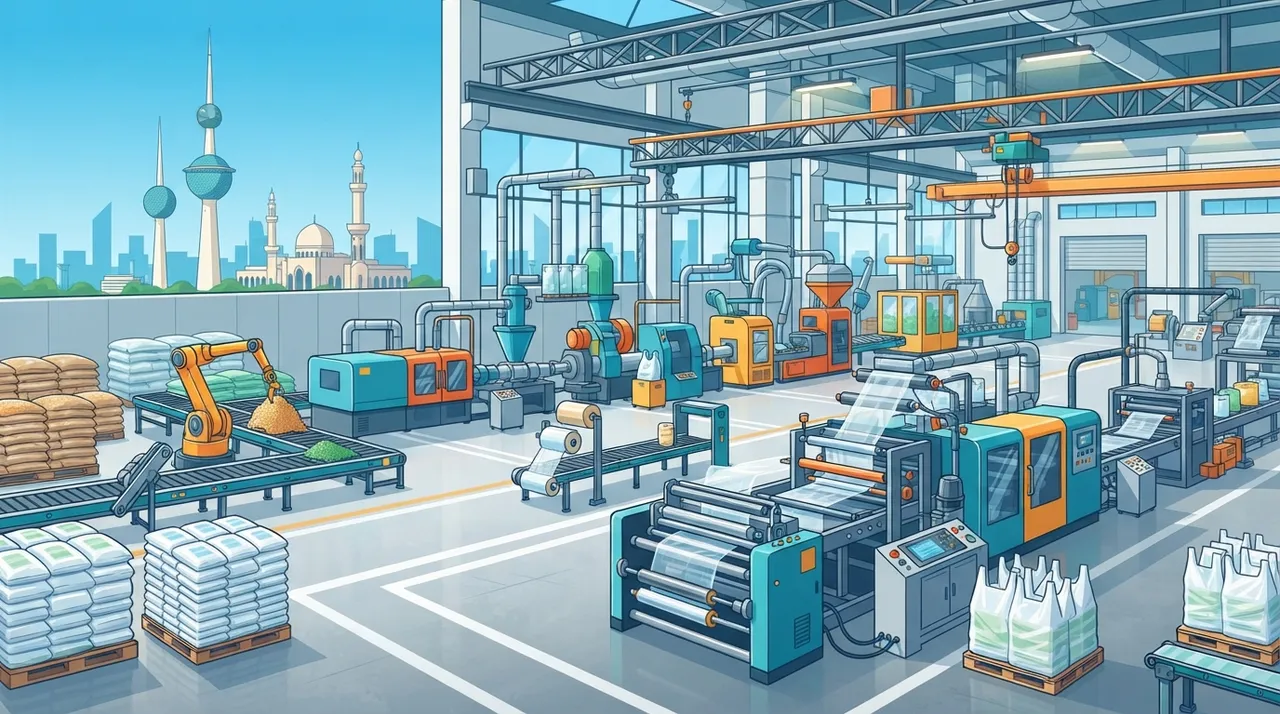
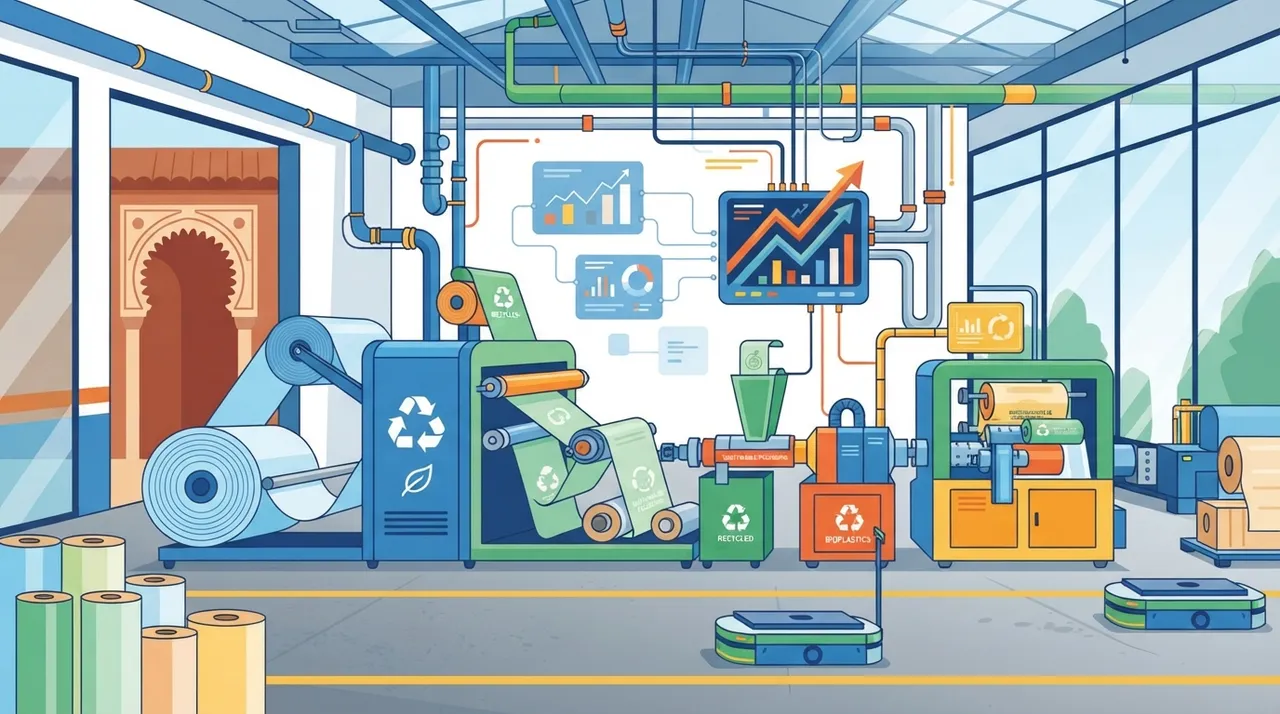
Daily operations include receiving and sorting mixed plastics, mechanical processing (washing, shredding, drying), and then thermal or chemical processing to produce recycled plastic pellets. These pellets are then used in molding operations to produce various building materials. A strict quality control system will be applied at every stage to ensure products comply with technical specifications and building standards. Daily operations will also include equipment maintenance, inventory management, and logistics handling (transport of raw materials and finished products). Standard operating procedures (SOPs) will be developed for all operations to ensure efficiency, quality, and safety. Employees will be trained in best practices for plastic recycling and building materials manufacturing.
The plant will be located in an industrial zone in Spain with good infrastructure and easy access to mixed plastic sources and building material markets. Technical aspects will rely on the latest sorting and mechanical and chemical processing technologies for mixed plastics, ensuring high quality of finished products. Equipment will include plastic processing lines, extrusion and molding machines, and quality testing equipment. The focus will be on technologies that reduce energy and water consumption and increase the efficiency of the recycling process. Suppliers of mixed plastics will be secured from municipal and industrial waste collection centers, with long-term contracts to ensure continuity of supply. Necessary operating licenses will be obtained from Spanish and local government agencies, with strict adherence to environmental standards.
Projected Income Statement (5 Years)
| Item \ Year | Y1 | Y2 | Y3 | Y4 | Y5 |
|---|---|---|---|---|---|
| Revenue | €٩٥٠٬٠٠٠ | €١٬٠١٦٬٥٠٠ | €١٬٠٨٧٬٦٥٥ | €١٬١٦٣٬٧٩١ | €١٬٢٤٥٬٢٥٦ |
| Cost of Sales | (€٥٢٢٬٥٠٠) | (€٥٥٩٬٠٧٥) | (€٥٩٨٬٢١٠) | (€٦٤٠٬٠٨٥) | (€٦٨٤٬٨٩١) |
| Gross Profit | €٤٢٧٬٥٠٠ | €٤٥٧٬٤٢٥ | €٤٨٩٬٤٤٥ | €٥٢٣٬٧٠٦ | €٥٦٠٬٣٦٥ |
| Operating Expenses | (€٢٨٥٬٠٠٠) | (€٣٠٤٬٩٥٠) | (€٣٢٦٬٢٩٧) | (€٣٤٩٬١٣٧) | (€٣٧٣٬٥٧٧) |
| EBITDA | €١٤٢٬٥٠٠ | €١٥٢٬٤٧٥ | €١٦٣٬١٤٨ | €١٧٤٬٥٦٩ | €١٨٦٬٧٨٨ |
| Tax | (€٠) | (€٠) | (€٠) | (€٠) | (€٠) |
| Net Profit | €-٩٧٬٥٠٠ | €-٨٧٬٥٢٥ | €-٧٦٬٨٥٢ | €-٦٥٬٤٣١ | €-٥٣٬٢١٢ |
| Net Margin | -١٠٪ | -٩٪ | -٧٪ | -٦٪ | -٤٪ |
Investment Cost Structure
| Item | Cost | Percentage |
|---|---|---|
| Purchase and installation of equipment and machinery | €٥٤٠٬٠٠٠ | ٤٥٪ |
| Site preparation and infrastructure | €٢٤٠٬٠٠٠ | ٢٠٪ |
| Initial working capital (raw materials, wages) | €١٨٠٬٠٠٠ | ١٥٪ |
| Licenses and environmental studies | €١٢٠٬٠٠٠ | ١٠٪ |
| Initial marketing and development costs | €١٢٠٬٠٠٠ | ١٠٪ |
Cash Flow and Break-even Point
| Year | Operating Cash Flow | Cumulative Cash Flow |
|---|---|---|
| Year ١ | €١٤٢٬٥٠٠ | €-١٬٠٥٧٬٥٠٠ |
| Year ٢ | €١٥٢٬٤٧٥ | €-٩٠٥٬٠٢٥ |
| Year ٣ | €١٦٣٬١٤٨ | €-٧٤١٬٨٧٧ |
| Year ٤ | €١٧٤٬٥٦٩ | €-٥٦٧٬٣٠٨ |
| Year ٥ | €١٨٦٬٧٨٨ | €-٣٨٠٬٥٢٠ |
Estimated break-even point at annual revenue ≈ €١٬١٦٦٬٦٦٧ (~١٢٣٪ of first-year revenue), with a contribution margin of ٤٥٪. Cumulative cash break-even after the study horizon.
Funding Structure
| Funding Source | Percentage | Amount |
|---|---|---|
| Equity | ٦٠٪ | €٧٢٠٬٠٠٠ |
| Debt Financing (5% interest) | ٤٠٪ | €٤٨٠٬٠٠٠ |
Sensitivity Analysis (Revenue × Operations)
Impact of combined changes in revenue and costs on Net Present Value:
| Revenue \ Operations | −10٪ | −5٪ | Base | +5٪ | +10٪ |
|---|---|---|---|---|---|
| −20٪ | €-٣٨٣٬٠٤٧ | €-٥٤٥٬٧٦٣ | €-٧٠٩٬٣٢٢ | €-٨٧٢٬٨٨٢ | €-١٬٠٣٦٬٤٤١ |
| −10٪ | €-٢٨٦٬٤٩٣ | €-٤٦٣٬٩٨٣ | €-٦٤٧٬٩٨٨ | €-٨٣١٬٩٩٢ | €-١٬٠١٥٬٩٩٦ |
| Base | €-١٩٤٬٩٦٤ | €-٣٨٣٬٠٤٧ | €-٥٨٦٬٦٥٣ | €-٧٩١٬١٠٢ | €-٩٩٥٬٥٥١ |
| +10٪ | €-١٠٧٬٧٣٢ | €-٣٠٥٬٢٢٩ | €-٥٢٥٬٣١٨ | €-٧٥٠٬٢١٢ | €-٩٧٥٬١٠٦ |
| +20٪ | €-٢٠٬٨٤١ | €-٢٣١٬٠١٦ | €-٤٦٣٬٩٨٣ | €-٧٠٩٬٣٢٢ | €-٩٥٤٬٦٦١ |
Scenario Analysis
| Scenario | Probability | NPV | Assessment |
|---|---|---|---|
| Pessimistic | ٢٥٪ | €-٨٠٧٬٤٥٨ | Unfeasible |
| Base | ٥٠٪ | €-٥٨٦٬٦٥٣ | Unfeasible |
| Optimistic | ٢٥٪ | €-٣٢٠٬٦٤٥ | Unfeasible |
Expected Present Value (Weighted): €-٥٧٥٬٣٥٢.
Risk Analysis and Management
| Risk | Likelihood | Impact | Mitigation |
|---|---|---|---|
| Fluctuation in raw material prices (mixed plastics) | Medium | High | Long-term contracts with suppliers, diversification of sourcing. |
| Difficulty in achieving consistent product quality from mixed plastics | Medium | High | Investment in advanced sorting and processing technologies, strict quality control system. |
| Competition from lower-cost traditional building materials | Medium | Medium | Focus on the competitive advantage of sustainable products, effective marketing of environmental and economic benefits. |
| Changes in environmental regulations or government policies | Low | High | Monitoring legislative developments, building relationships with government agencies, adherence to highest standards. |
| Technical challenges in processing specific types of mixed plastics | Medium | Medium | Investment in research and development, partnership with specialized research centers. |
Organizational Structure and Team
The organizational structure will consist of a General Project Manager, a Production Operations Manager, a Sales and Marketing Manager, and a Financial Manager. Specialized engineers in material science and plastic engineering will be hired to ensure production quality and product development. Operations technicians will manage production lines, while the sales team will focus on building customer relationships. Emphasis will be placed on hiring Spanish personnel with experience in the recycling and construction sector to ensure a deep understanding of the local market and regulations. The team will receive continuous training on the latest technologies and best practices in the industry.
Legal and Regulatory Aspects
The project must comply with several Spanish and European laws and regulations related to waste management, plastic recycling, building material standards, and environmental regulations. These regulations include Law 7/2022 on waste and contaminated soils for a circular economy, which sets specific targets for reuse, recycling, and recovery of materials from construction and demolition waste, which must reach 70% by weight by 2025. Spain also imposes a special tax on non-reusable plastic packaging of €0.45 per kilogram of non-recycled plastic. The project will require obtaining construction and operating licenses, emission permits, and waste processing permits from local and regional authorities. Strict adherence to these regulations is crucial to avoid penalties and ensure project sustainability.
Expansion and Sustainability Plan
The expansion plan includes gradually increasing the plant's production capacity based on market demand growth. This can be achieved by adding new production lines or improving the efficiency of existing lines. In the long term, geographical expansion within Spain or even into other European markets targeting sustainable construction can be considered. Operational sustainability will be ensured through continuous improvement of recycling processes to reduce waste and improve product quality, in addition to research and development to develop new and innovative products from recycled plastics. The focus will be on building a strong brand synonymous with quality and sustainability in the building materials sector.
Environmental, Social, and Governance (ESG) Impact
The project will have a significant positive environmental impact by diverting mixed plastics from landfills into valuable building materials, reducing plastic pollution and carbon emissions associated with the production of traditional building materials. The plant will adhere to the highest environmental standards in its operating processes, including liquid and solid waste management, and reduction of energy and water consumption. Socially, the project will provide local employment opportunities and contribute to strengthening the circular economy in Spain. In terms of governance, the project will adopt best corporate governance practices, with transparency and accountability in all operations, adherence to ethical regulations and standards, and stakeholder engagement.
Conclusions and Recommendations
The project for a mixed plastic recycling plant to transform it into sustainable building materials in Spain represents a highly promising investment opportunity. The continuous increase in demand for sustainable building materials, supportive legislation for the circular economy, and government support for recycling projects in Spain all contribute to the success of this project. With a proposed investment capital of €1.2 million, innovative technologies, and a qualified team, the project can achieve good financial returns and positively contribute to environmental protection. It is recommended to proceed with this project, focusing on continuous research and development of new products and expanding the customer base.
Frequently Asked Questions
How much does it cost to build a plastic recycling plant in Spain?
The estimated cost to build a plastic recycling plant to transform it into sustainable building materials in Spain, for a proposed project size, is approximately €1,200,000.
Is plastic recycling profitable in Spain?
Yes, plastic recycling is considered profitable in Spain, especially with government support and increasing demand for sustainable building materials. The proposed project is expected to generate revenues of approximately €950,000 in the first year with an annual growth rate of 7%.
What licenses are required for a plastic recycling plant in Spain?
The project requires construction and operating licenses, emission permits, and waste processing permits from local and regional Spanish authorities, in addition to compliance with Law 7/2022 on the circular economy.
What is the size of the recycled plastic market in the construction sector in Spain?
The market size for recycled polyolefins in Spain is estimated at around €1.46 billion by 2030, and the construction sector constitutes an increasingly important part of this market.
Is there government support for circular economy projects in Spain?
Yes, the Spanish government and the European Union offer grants and preferential loans to support circular economy projects, including plastic recycling, such as the PERTE Circular Economy scheme and Horizon Europe programs.
Sources and Disclaimer
- Plastic recycling market reports in Spain (ChemAnalyst, Spherical Insights)
- Construction market reports in Spain (Mordor Intelligence, Technavio)
- Spanish government websites and environmental legislation (Law 7/2022)
- Interest rates and bank loan data in Spain (ECB, Trading Economics)
- Studies and reports on the circular economy and sustainability in Spain (Plastics Europe)
Disclaimer: This is a guidance study providing financial analysis according to accepted industry standards; verify figures locally according to your project's reality before any investment decision.