Executive Summary
The home nursery project in the education and training sector in Kuwait targets a promising market opportunity. With an investment of 12,000 KWD, it achieves a net present value of 5,051 KWD, an internal rate of return of 27%, and a payback period of 2.8 years.
| Indicator | Value |
|---|---|
| Initial Investment | ١٢٬٠٠٠ د.ك |
| First Year Revenue | ٢٧٬٠٠٠ د.ك |
| Annual Growth (CAGR) | ١٠٪ |
| Net Margin (Y1) | ٦٪ |
| Return on Investment (Average) | ٢٠٪ سنويًّا |
| Net Present Value (NPV) | ٥٬٠٥١ د.ك |
| Internal Rate of Return (IRR) | ٢٧٪ |
| Profitability Index (PI) | ١ |
| Payback Period | ٣ سنة |
| Break-even Year | السنة ٣ |
| Expected NPV (Probability-Weighted) | ٥٬٦٥٦ د.ك |
Assumptions and Basis
The figures in this study are based on project data, the nature of the education and training sector in Kuwait, and local market indicators, according to the following assumptions:
| Assumption | Value |
|---|---|
| Initial Capital | ١٢٬٠٠٠ د.ك |
| First Year Revenue | ٢٧٬٠٠٠ د.ك |
| Annual Growth | ١٠٪ |
| Cost of Goods Sold (COGS) | ٣٠٪ من الإيراد |
| Operating Expenses | ٥٥٪ من الإيراد |
| Tax/Zakat | ٥٪ |
| Discount Rate (WACC) | ١٢٪ |
| Study Horizon | ٥ سنوات |
Basis of Assumptions: These figures are based on the average costs and fees of home nurseries in Kuwait, taking into account the small project size and expected growth in the sector, in addition to applicable taxes and fees for small Kuwaiti companies.
Project Description and Opportunity
The project aims to establish a home nursery providing care and education services for children aged 6 months to 4 years in a safe, stimulating, and fun home environment. The project targets working families in Kuwait seeking high-quality care for their children, with an emphasis on holistic child development through innovative educational and recreational curricula. The business model relies on providing a small learning environment that ensures individual attention and close interaction with children, distinguishing it from larger nurseries. The project focuses on building trust with parents through transparency and continuous communication.
Market and Demand Study
The nursery market in Kuwait is experiencing increasing demand due to the rising percentage of working mothers and families' commitment to providing early education for their children. Nursery fees range between 120 and 350 Kuwaiti Dinars per month, varying according to the child's age, care hours, and nursery level. Factors determining prices include geographic location, care hours, and educational curricula and activities. Significant opportunities exist for successful projects that offer distinctive care and educational services. Demand is also influenced by government standards that encourage early education and provide employment opportunities for citizens in this sector.
Market Sizing (TAM / SAM / SOM)
Market sizing was based on estimating the number of children in the target age group (6 months - 4 years) in Kuwait. The Total Addressable Market (TAM) was calculated by multiplying the total number of children in this category by the average annual nursery fees. The Serviceable Available Market (SAM) was estimated as a percentage of TAM, focusing on families who prefer home or small nurseries. The Serviceable Obtainable Market (SOM) represents the realistic segment that the project can reach in the early years, considering initial capacity and competitive advantage.
| Level | Annual Size | Description |
|---|---|---|
| TAM — Total Market | 27.0 مليون د.ك | Total Addressable Demand |
| SAM — Available Market | 8.1 مليون د.ك | Portion reachable by your model |
| SOM — Realistic Target | 1.6 مليون د.ك | Your realistic early share |
Sizing Basis: Market sizing is based on average nursery fees in Kuwait (120-350 KWD per month) and focusing on the segment of working families seeking high-quality home care, assuming an annual growth rate for demand. The total Kuwaiti market for children under 4 years (approximate number) multiplied by average annual fees, SAM is 30% of TAM, and SOM is 20% of SAM.
Unit Economics
Measures the profitability of each sales unit/customer — the most accurate feasibility indicator:
| Unit Indicator | Value |
|---|---|
| Sales Unit | طفل (شهريًا) |
| Average Price/Revenue per Unit | ١٨٠ د.ك |
| Customer Acquisition Cost (CAC) | ٢٠٠ د.ك |
| Customer Lifetime Value (LTV) | ٢٬١٦٠ د.ك |
| LTV/CAC Ratio | ١٠٫٨× (صحّي) |
| Contribution Margin | ٧٠٪ |
Competitive Analysis
The nursery market in Kuwait is characterized by a large number of nurseries, creating fierce competition. Nurseries vary between economical, mid-range, and luxury/international. Key competitors include large private nurseries and other informal home nurseries. The sustainable advantage of this project lies in providing a warm and safe home environment, with a focus on customized educational programs and individualized care that large nurseries find difficult to offer. Additionally, flexible services can be provided to suit the needs of working families, such as longer operating hours or after-school programs.
Market Entry and Pricing Strategy
The market entry plan will rely on word-of-mouth marketing in local communities and using social media platforms to target working mothers. The focus will be on highlighting the nursery's competitive advantages such as a safe home environment, innovative educational programs, and individualized care. Marketing channels will include online mother groups, targeted ads on Facebook and Instagram, and participation in local community events. Pricing will be determined based on the average prices of similar nurseries in the area, offering flexible packages (half-day, full-day) and special offers for early registration or siblings.
Capacity and Operations
The nursery will start with a capacity of 10 children, with a plan to gradually increase occupancy to 15 children in the second year and 20 children in the third year, while maintaining quality standards and individualized care.
Daily operations of the nursery include welcoming children, implementing a schedule of educational and recreational activities, serving healthy meals, and supervising nap and rest times. Emphasis will be placed on providing individualized care for each child, maintaining an appropriate supervisor-to-child ratio (one supervisor and one assistant for every 5 infants, and one supervisor for every 8 children in the weaning stage). A detailed daily plan will be developed including educational activities (Arabic language, Quran memorization, mathematics, English) and recreational activities (physical games, outings). Strict standards for quality, hygiene, and safety will be applied, with continuous training for staff on the latest childcare methods.
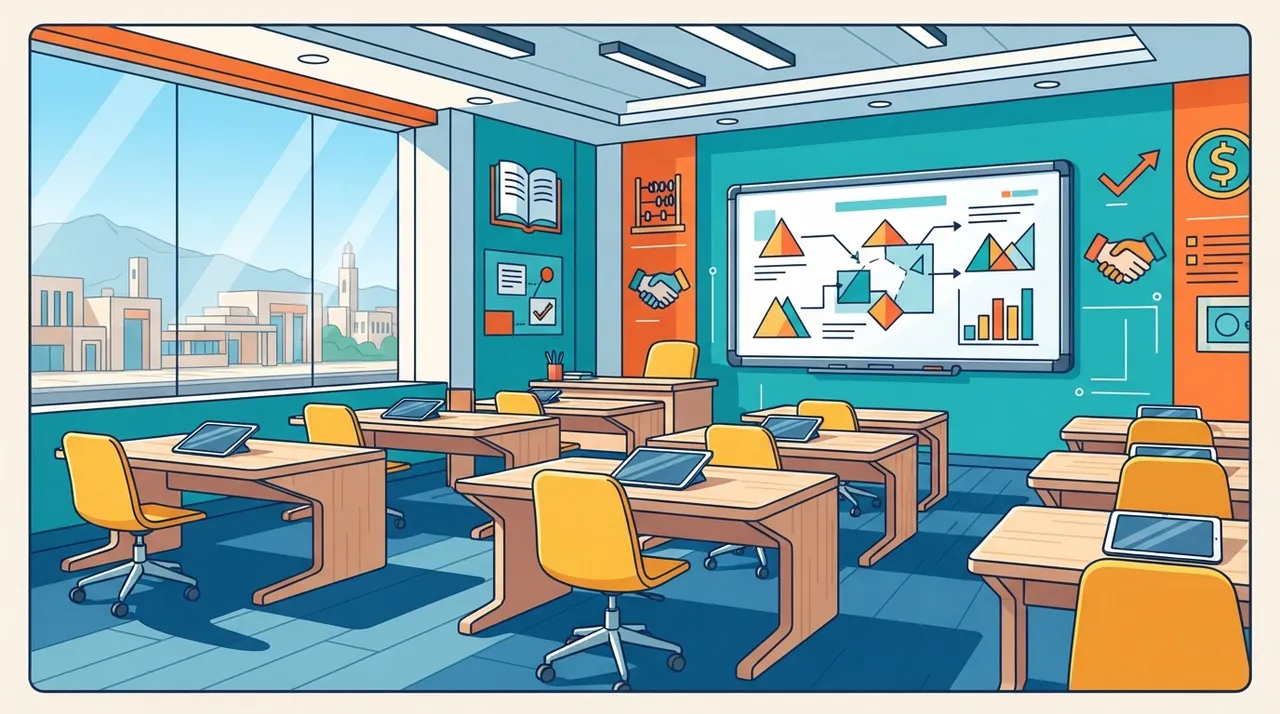
A portion of the home will be dedicated to the nursery, adhering to the technical and health requirements imposed by the Ministry of Social Affairs and Labor and Kuwait Municipality. The building must be self-contained and used entirely for nursery purposes, with written approval from neighbors. The plot area must not be less than 500 square meters in private residential areas. At least 3 classrooms, a nursery bedroom, an isolation room, a reception room, and child-friendly restrooms must be provided. Furniture, educational equipment, and safe toys suitable for children's needs will be provided.
Projected Income Statement (5 Years)
| Item \ Year | Y1 | Y2 | Y3 | Y4 | Y5 |
|---|---|---|---|---|---|
| Revenues | ٢٧٬٠٠٠ د.ك | ٢٩٬٧٠٠ د.ك | ٣٢٬٦٧٠ د.ك | ٣٥٬٩٣٧ د.ك | ٣٩٬٥٣١ د.ك |
| Cost of Sales | (٨٬١٠٠ د.ك) | (٨٬٩١٠ د.ك) | (٩٬٨٠١ د.ك) | (١٠٬٧٨١ د.ك) | (١١٬٨٥٩ د.ك) |
| Gross Profit | ١٨٬٩٠٠ د.ك | ٢٠٬٧٩٠ د.ك | ٢٢٬٨٦٩ د.ك | ٢٥٬١٥٦ د.ك | ٢٧٬٦٧١ د.ك |
| Operating Expenses | (١٤٬٨٥٠ د.ك) | (١٦٬٣٣٥ د.ك) | (١٧٬٩٦٩ د.ك) | (١٩٬٧٦٥ د.ك) | (٢١٬٧٤٢ د.ك) |
| EBITDA | ٤٬٠٥٠ د.ك | ٤٬٤٥٥ د.ك | ٤٬٩٠١ د.ك | ٥٬٣٩١ د.ك | ٥٬٩٣٠ د.ك |
| Tax | (٧٤ د.ك) | (٩٢ د.ك) | (١١٣ د.ك) | (١٣٥ د.ك) | (١٥٩ د.ك) |
| Net Profit | ١٬٥٧٦ د.ك | ١٬٩٦٣ د.ك | ٢٬٣٨٨ د.ك | ٢٬٨٥٦ د.ك | ٣٬٣٧١ د.ك |
| Net Margin | ٦٪ | ٧٪ | ٧٪ | ٨٪ | ٩٪ |
Investment Cost Structure
| Item | Cost | Percentage |
|---|---|---|
| Fixtures and Decorations (furniture, toys, educational equipment) | ٤٬٨٠٠ د.ك | ٤٠٪ |
| License Fees and Financial Deposit | ٥٬٤٠٠ د.ك | ٤٥٪ |
| Initial Marketing and Opening Expenses | ١٬٢٠٠ د.ك | ١٠٪ |
| Initial Working Capital | ٦٠٠ د.ك | ٥٪ |
Cash Flow and Break-even Point
| Year | Operating Cash Flow | Cumulative Cash Flow |
|---|---|---|
| السنة ١ | ٣٬٩٧٦ د.ك | -٨٬٠٢٤ د.ك |
| السنة ٢ | ٤٬٣٦٣ د.ك | -٣٬٦٦٢ د.ك |
| السنة ٣ | ٤٬٧٨٨ د.ك | ١٬١٢٦ د.ك |
| السنة ٤ | ٥٬٢٥٦ د.ك | ٦٬٣٨٢ د.ك |
| السنة ٥ | ٥٬٧٧١ د.ك | ١٢٬١٥٣ د.ك |
Estimated break-even point at annual revenue ≈ ٢٤٬٦٤٣ د.ك (~٩١٪ of first-year revenue), with a contribution margin of 70%. Cumulative cash break-even in Year 3.
Funding Structure
| Funding Source | Percentage | Amount |
|---|---|---|
| Equity | ٧٠٪ | ٨٬٤٠٠ د.ك |
| Debt Financing (7% interest) | ٣٠٪ | ٣٬٦٠٠ د.ك |
Sensitivity Analysis (Revenue × Operations)
Impact of simultaneous changes in revenue and costs on Net Present Value:
| Revenue \ Operations | −10٪ | −5٪ | Base | +5٪ | +10٪ |
|---|---|---|---|---|---|
| −20٪ | ١٠٬٦٠٤ د.ك | ٦٬١٦١ د.ك | ١٬٧١٨ د.ك | -٢٬٧٣٥ د.ك | -٧٬٣٤٨ د.ك |
| −10٪ | ١٣٬٣٨١ د.ك | ٨٬٣٨٣ د.ك | ٣٬٣٨٤ د.ك | -١٬٦١٤ د.ك | -٦٬٧٦٦ د.ك |
| Base | ١٦٬١٥٨ د.ك | ١٠٬٦٠٤ د.ك | ٥٬٠٥٠ د.ك | -٥٠٣ د.ك | -٦٬١٨٥ د.ك |
| +10٪ | ١٨٬٩٣٥ د.ك | ١٢٬٨٢٥ د.ك | ٦٬٧١٦ د.ك | ٦٠٧ د.ك | -٥٬٦٠٣ د.ك |
| +20٪ | ٢١٬٧١١ د.ك | ١٥٬٠٤٧ د.ك | ٨٬٣٨٣ د.ك | ١٬٧١٨ د.ك | -٥٬٠٢٢ د.ك |
Scenario Analysis
| Scenario | Probability | NPV | Assessment |
|---|---|---|---|
| Pessimistic | ٢٥٪ | -٣٬١٨٨ د.ك | Not Feasible |
| Base | ٥٠٪ | ٥٬٠٥٠ د.ك | Feasible |
| Optimistic | ٢٥٪ | ١٥٬٧١٣ د.ك | Feasible |
Expected Present Value (Weighted): ٥٬٦٥٦ د.ك.
Risk Analysis and Management
| Risk | Probability | Impact | Mitigation |
|---|---|---|---|
| Difficulty obtaining necessary licenses and approvals | Average | High | Collaborate with a specialized legal consultant, closely monitor requirements, and maintain continuous communication with government entities. |
| Intense market competition and its impact on customer attraction | High | Average | Focus on offering unique added value (innovative curricula, individualized care, service flexibility) and effective marketing through community communication channels. |
| Insufficient occupancy in the initial period | Average | High | Develop a strong marketing plan before opening, offer attractive promotions, build strong relationships with families in the surrounding area, and provide flexible payment options. |
| Fluctuations in the number of registered children | Average | Average | Develop flexible programs to suit different family needs, maintain service quality to ensure customer loyalty, and offer summer or holiday programs to increase revenue during off-peak periods. |
| Unexpected increase in operating costs | Low | Average | Prepare a detailed and accurate budget, periodically review expenses, seek alternative suppliers, and provide an emergency reserve fund. |
Organizational Structure and Team
The basic organizational structure consists of the nursery director (project owner), who must be a Kuwaiti national with a university degree or diploma and not working for a government or private entity, and qualified caregivers. The nursery director must have a university degree in education or a diploma with at least 5 years of experience. Experienced caregivers will be hired, with a focus on developing their educational and pedagogical skills. Continuous training will be provided to ensure the highest quality standards in care and education.
Legal and Regulatory Aspects
The project requires obtaining a home nursery license from the Ministry of Social Affairs and Labor, Kuwait Municipality, the Public Fire Force, and the Ministry of Health. Conditions include a financial deposit of 5000 KWD and fees of 200 KWD (license fees may increase to 5000 KWD at 1000 KWD annually). Approval from adjacent neighbors on the plot must be obtained. The license requires approval from the Ministry of Education for educational curricula. The license is issued for 5 years and must be reviewed 4 months before its expiration.
Expansion and Sustainability Plan
Initially, the focus will be on building a strong reputation for the nursery and gaining the trust of parents. In the medium term, the nursery's capacity can be expanded while maintaining service quality. In the long term, the possibility of opening additional branches in other high-demand areas or developing specialized educational programs (such as language or Montessori programs) can be explored. Consideration can also be given to providing additional services such as after-school or holiday childcare, or organizing parenting workshops.
Environmental, Social, and Governance (ESG) Impact
The project focuses on providing a healthy and safe environment for children, using environmentally friendly materials as much as possible in equipment and toys. Children will be encouraged to recycle and plant as part of educational activities. Socially, the project contributes to supporting working families and providing employment opportunities for Kuwaiti women in the early education sector. The project seeks to promote positive community values among children through interactive and collaborative activities.
Conclusions and Recommendations
The feasibility analysis shows that the home nursery project in Kuwait has a promising opportunity for success due to the increasing demand for high-quality childcare services and a stimulating learning environment. By adhering to legal and regulatory requirements and providing a distinctive service focused on holistic child development, rewarding financial returns can be achieved, contributing to community development. It is advisable to start with a limited capacity and gradually expand based on demand and the quality of service provided.
Frequently Asked Questions
How much does it cost to establish a home nursery in Kuwait?
The estimated cost of establishing a home nursery in Kuwait is approximately 12000 KWD, which includes equipment, decorations, license fees, and initial working capital.
Is a home nursery project profitable in Kuwait?
Yes, a home nursery project can be profitable in Kuwait, with expected first-year revenues of approximately 27000 KWD and an annual growth of 10%, due to the increasing demand for high-quality childcare services.
What are the most important licenses for a children's nursery in Kuwait?
A home nursery requires licenses from the Ministry of Social Affairs and Labor, Kuwait Municipality, the Public Fire Force, and the Ministry of Health, in addition to neighbors' approval of the location.
What is the average nursery fee in Kuwait?
The average nursery fee in Kuwait ranges between 120 and 350 Kuwaiti Dinars per month per child, and varies depending on age, care hours, and nursery level.
What age group do home nurseries target?
Home nurseries typically target children aged 6 months to 4 years, with the possibility of expanding to include other age groups depending on licenses and needs.
What are the basic conditions for an applicant for a home nursery license in Kuwait?
The applicant must be a Kuwaiti national, hold a university degree or diploma, not be employed by a government or private entity, and have experience in the educational field if they are the nursery director.
Sources and Disclaimer
- Kuwait Ministry of Social Affairs and Labor
- Kuwait Municipality
- Reports and market research on nurseries in Kuwait
- Specialized articles on feasibility studies for the early education sector
- Kuwaiti news and economic websites
Disclaimer: This is a guiding study that provides financial analysis according to approved industry standards; verify the figures locally according to your project's reality before any investment decision.