Executive Summary
The cardboard packaging factory project in the industrial and manufacturing sector in the Sultanate of Oman targets a promising market opportunity. With an investment of OMR 180,000, it achieves a net present value of -OMR 13,179, an internal rate of return of 6%, and a payback period of 4.3 years.
| Indicator | Value |
|---|---|
| Initial Investment | ١٨٠٬٠٠٠ ر.ع |
| Year 1 Revenue | ٢٥٠٬٠٠٠ ر.ع |
| Annual Growth (CAGR) | ٨٪ |
| Net Margin (Y1) | ١٪ |
| Return on Investment (Avg) | ٤٪ annually |
| Net Present Value (NPV) | -١٣٬١٧٩ ر.ع |
| Internal Rate of Return (IRR) | ٦٪ |
| Profitability Index (PI) | ١ |
| Payback Period | ٤ سنة |
| Break-even Year | Year ٥ |
| Expected NPV (Probability-Weighted) | -١٢٬١٠٦ ر.ع |
Assumptions and Basis
The figures in this study are based on project data, the nature of the industrial and manufacturing sector in the Sultanate of Oman, and local market indicators, according to the following assumptions:
| Assumption | Value |
|---|---|
| Initial Capital | ١٨٠٬٠٠٠ ر.ع |
| Year 1 Revenue | ٢٥٠٬٠٠٠ ر.ع |
| Annual Growth | ٨٪ |
| Cost of Goods Sold (COGS) | ٦٥٪ of revenue |
| Operating Expenses | ٢٠٪ of revenue |
| Tax/Zakat | ١٥٪ |
| Discount Rate (WACC) | ٩٪ |
| Study Horizon | ٥ سنوات |
Basis of Assumptions: These figures are based on the average costs of establishing and operating similar factories in the Sultanate of Oman, taking into account the growth of the industrial sector and the increasing demand for packaging materials.
Project Description and Opportunity
The cardboard packaging factory project in the Sultanate of Oman aims to meet the growing demand for sustainable and efficient packaging solutions in the local and regional markets. The project targets various sectors such as food industries (pizza restaurants, confectionery stores, catering companies), manufacturing industries (electrical appliance factories, pharmaceutical factories, clothing), e-commerce, and hypermarkets. The business model relies on producing customized cardboard packaging of different sizes and designs, focusing on high quality, fast delivery, and the ability to custom print to enhance customer brands. Cardboard represents an environmentally friendly and recyclable option, aligning with global sustainability trends and enhancing the factory's competitive advantage.
Market Study and Demand
The packaging market in the Sultanate of Oman is experiencing continuous growth, driven by the expansion of the industrial sector, the increasing volume of e-commerce, and trends towards reducing plastic use and replacing it with recyclable paper alternatives. The manufacturing industry contributes about 9.2% of Oman's GDP, creating significant demand for packaging materials. Global demand for cardboard packaging is expected to grow by 5% annually, reflecting a promising investment opportunity for the project. Demand drivers are based on the need for companies and factories for safe and efficient packaging solutions to protect their products during transport and storage, in addition to the importance of packaging in marketing and brand building.
Market Sizing (TAM / SAM / SOM)
Market sizing was conducted based on a comprehensive analysis of the industrial and commercial sectors in the Sultanate of Oman, taking into account available data on the volume of packaging imports and exports, as well as the expected growth of sectors benefiting from cardboard products. The Total Addressable Market (TAM) was estimated based on the total potential expenditure on packaging materials across all industries that could benefit from cardboard packaging. The Serviceable Available Market (SAM) focuses on the segment that the factory can actually reach, considering current competition and logistical capabilities. The Serviceable Obtainable Market (SOM) represents the market share that the factory can achieve in the first years of operation, based on its production capacities, marketing strategies, and ability to compete. The sizing relied on Oman's economic growth reports, diversification plans for income sources, support for industrial projects, and local trade indicators.
| Level | Annual Size | Description |
|---|---|---|
| TAM — Total Market | 25.0 مليون ر.ع | Total serviceable demand |
| SAM — Available Market | 10.0 مليون ر.ع | The segment your model can reach |
| SOM — Realistic Target | 2.0 مليون ر.ع | Your realistic early share |
Sizing Basis: Market sizing relies on the size of Oman's packaging sector and increasing demand from food, electronics, pharmaceutical, and e-commerce industries, considering the factory's production capacity.
Unit Economics
Measures the profitability of each sales unit/customer — the most accurate feasibility indicator:
| Unit Indicator | Value |
|---|---|
| Sales Unit | Ton of cardboard packaging |
| Average Price/Revenue per Unit | ٦٠٠ ر.ع |
| Customer Acquisition Cost (CAC) | ٥٠٠ ر.ع |
| Customer Lifetime Value (LTV) | ١٥٬٠٠٠ ر.ع |
| LTV/CAC Ratio | ٣٠× (healthy) |
| Contribution Margin | ٣٠٪ |
Competitive Analysis
The cardboard packaging market in Oman faces competition from local factories and import companies. Key competitors include some existing factories that produce cardboard packaging. The factory's sustainable competitive advantages include: high product quality and diversity to meet the needs of various customers. Speed and flexibility of production and delivery. Ability to provide customized packaging solutions and innovative designs. Focus on sustainability and the use of recyclable materials. Competitive pricing supported by operational efficiency. Building strong relationships with suppliers to obtain high-quality raw materials at suitable prices. Excellent customer service and continuous technical support.
Market Entry and Pricing Plan
The market entry plan will focus on targeting companies and factories in the food, electronics, pharmaceuticals, and logistics sectors. Marketing will be conducted through multiple channels including: direct marketing through a specialized sales team to visit potential customers and build relationships. Participation in local and international industrial and trade exhibitions to showcase products and services. Digital marketing via the internet and social media to reach a wide segment of customers. Creating a professional website displaying the factory's products and services. Offering free samples and promotional campaigns initially to attract customers. The pricing strategy will rely on a mix of competitive pricing to ensure customer attraction, and value-based pricing for customized and high-quality packaging.
Capacity and Operations
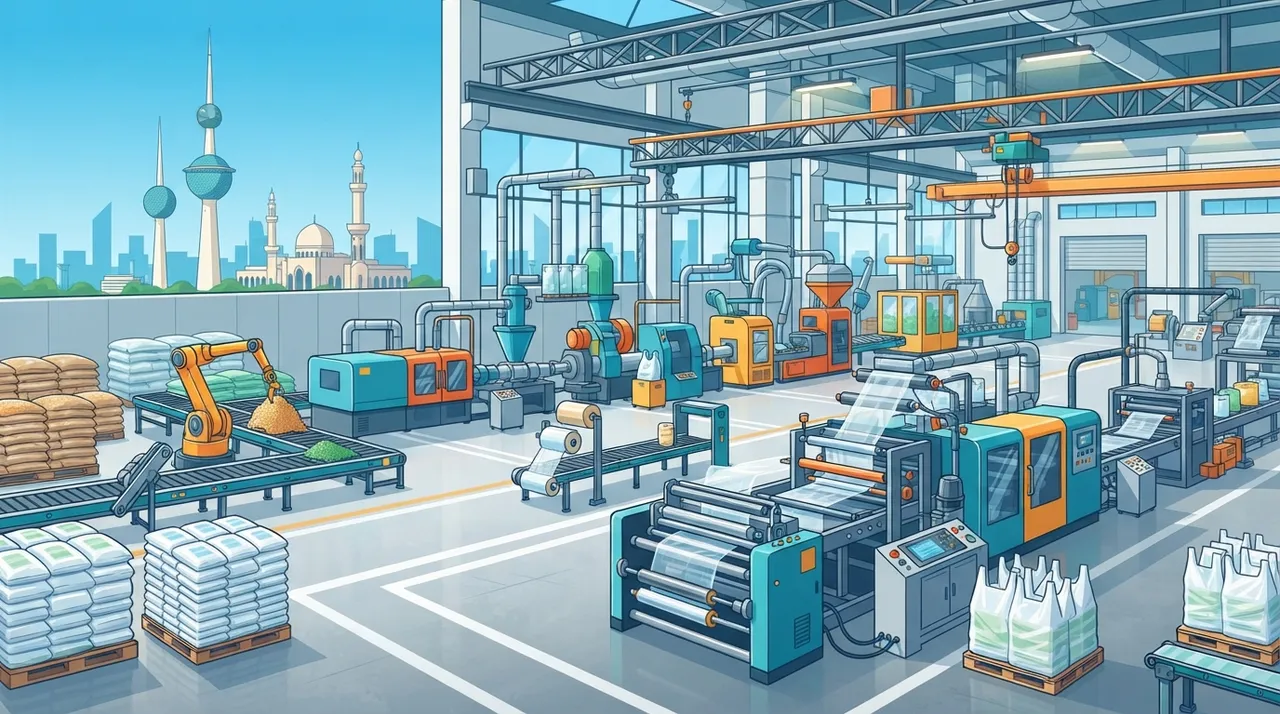
The proposed production capacity of the factory is approximately 40 tons of paper per day, equivalent to 15,000 tons annually of cardboard packaging of various sizes. The factory is expected to start with an occupancy rate of 40% in the first year and gradually increase to 70% in the third year.
Daily operations will include receiving raw materials, sorting and storing them, then converting them into cardboard packaging through various manufacturing stages (cutting, printing, creasing, shaping). A strict quality control system will be applied at all production stages to ensure products meet required specifications and customer expectations. Quality management will include using modern techniques to detect defects and minimize waste, in addition to periodic equipment inspections and preventive maintenance to ensure continuous operation. The work team will be trained on the latest production techniques and quality standards to ensure the delivery of distinguished products.
The technical aspects of the project include choosing a strategic location in one of Oman's industrial areas, such as Al Rusayl or Samail Industrial Estates, to facilitate transportation and access to suppliers and customers. The factory will be equipped with the latest production lines and cardboard packaging manufacturing machines, including cutting, printing, creasing, and shaping machines, to ensure the highest levels of efficiency and quality. Emphasis will be placed on using high-quality raw materials, such as kraft paper rolls, test liner paper, and fluting paper, and contracts will be made with reliable suppliers to ensure continuity of supply and price stability. The factory will also be designed according to the highest safety and technical quality standards.
Projected Income Statement (5 Years)
| Item \ Year | Y1 | Y2 | Y3 | Y4 | Y5 |
|---|---|---|---|---|---|
| Revenues | ٢٥٠٬٠٠٠ ر.ع | ٢٧٠٬٠٠٠ ر.ع | ٢٩١٬٦٠٠ ر.ع | ٣١٤٬٩٢٨ ر.ع | ٣٤٠٬١٢٢ ر.ع |
| Cost of Sales | (١٦٢٬٥٠٠ ر.ع) | (١٧٥٬٥٠٠ ر.ع) | (١٨٩٬٥٤٠ ر.ع) | (٢٠٤٬٧٠٣ ر.ع) | (٢٢١٬٠٧٩ ر.ع) |
| Gross Profit | ٨٧٬٥٠٠ ر.ع | ٩٤٬٥٠٠ ر.ع | ١٠٢٬٠٦٠ ر.ع | ١١٠٬٢٢٥ ر.ع | ١١٩٬٠٤٣ ر.ع |
| Operating Expenses | (٥٠٬٠٠٠ ر.ع) | (٥٤٬٠٠٠ ر.ع) | (٥٨٬٣٢٠ ر.ع) | (٦٢٬٩٨٦ ر.ع) | (٦٨٬٠٢٤ ر.ع) |
| EBITDA | ٣٧٬٥٠٠ ر.ع | ٤٠٬٥٠٠ ر.ع | ٤٣٬٧٤٠ ر.ع | ٤٧٬٢٣٩ ر.ع | ٥١٬٠١٨ ر.ع |
| Tax | (٢٢٥ ر.ع) | (٦٧٥ ر.ع) | (١٬١٦١ ر.ع) | (١٬٦٨٦ ر.ع) | (٢٬٢٥٣ ر.ع) |
| Net Profit | ١٬٢٧٥ ر.ع | ٣٬٨٢٥ ر.ع | ٦٬٥٧٩ ر.ع | ٩٬٥٥٣ ر.ع | ١٢٬٧٦٦ ر.ع |
| Net Margin | ١٪ | ١٪ | ٢٪ | ٣٪ | ٤٪ |
Investment Cost Structure
| Item | Cost | Percentage |
|---|---|---|
| Machinery and Production Lines | ٧٢٬٠٠٠ ر.ع | ٤٠٪ |
| Raw Materials | ٤٥٬٠٠٠ ر.ع | ٢٥٪ |
| Site Preparation and Infrastructure | ٢٧٬٠٠٠ ر.ع | ١٥٪ |
| Staff Salaries and Benefits (Initial Period) | ١٨٬٠٠٠ ر.ع | ١٠٪ |
| Initial Marketing and Operating Costs | ٩٬٠٠٠ ر.ع | ٥٪ |
| Administrative and Contingency Expenses | ٩٬٠٠٠ ر.ع | ٥٪ |
Cash Flow and Break-even Point
| Year | Operating Flow | Cumulative Flow |
|---|---|---|
| Year ١ | ٣٧٬٢٧٥ ر.ع | -١٤٢٬٧٢٥ ر.ع |
| Year ٢ | ٣٩٬٨٢٥ ر.ع | -١٠٢٬٩٠٠ ر.ع |
| Year ٣ | ٤٢٬٥٧٩ ر.ع | -٦٠٬٣٢١ ر.ع |
| Year ٤ | ٤٥٬٥٥٣ ر.ع | -١٤٬٧٦٨ ر.ع |
| Year ٥ | ٤٨٬٧٦٦ ر.ع | ٣٣٬٩٩٨ ر.ع |
Estimated break-even point at an annual revenue of ≈ ٢٤٥٬٧١٤ ر.ع (~٩٨٪ of Year 1 revenue), with a contribution margin of 35%. Cumulative cash break-even in Year ٥.
Funding Structure
| Funding Source | Percentage | Amount |
|---|---|---|
| Equity | ٦٠٪ | ١٠٨٬٠٠٠ ر.ع |
| Debt Financing (6% interest) | ٤٠٪ | ٧٢٬٠٠٠ ر.ع |
Sensitivity Analysis (Revenue × Operations)
Impact of simultaneous changes in revenue and costs on Net Present Value:
| Revenue \ Operations | −10٪ | −5٪ | Base | +5٪ | +10٪ |
|---|---|---|---|---|---|
| −20٪ | ٣٥٬٣٣٥ ر.ع | -٣٬٤٧٦ ر.ع | -٤٣٬٦٩٤ ر.ع | -٨٨٬٦٨٠ ر.ع | -١٣٤٬٣٤٠ ر.ع |
| −10٪ | ٥٩٬٥٩٢ ر.ع | ١٥٬٩٣٠ ر.ع | -٢٨٬٠٤٤ ر.ع | -٧٧٬٢٦٥ ر.ع | -١٢٨٬٦٣٢ ر.ع |
| Base | ٨٣٬٨٤٩ ر.ع | ٣٥٬٣٣٥ ر.ع | -١٣٬١٧٩ ر.ع | -٦٥٬٨٥٠ ر.ع | -١٢٢٬٩٢٥ ر.ع |
| +10٪ | ١٠٨٬١٠٦ ر.ع | ٥٤٬٧٤١ ر.ع | ١٬٣٧٥ ر.ع | -٥٤٬٥٧٦ ر.ع | -١١٧٬٢١٧ ر.ع |
| +20٪ | ١٣٢٬٣٦٣ ر.ع | ٧٤٬١٤٦ ر.ع | ١٥٬٩٣٠ ر.ع | -٤٣٬٦٩٤ ر.ع | -١١١٬٥١٠ ر.ع |
Scenario Analysis
| Scenario | Probability | NPV | Assessment |
|---|---|---|---|
| Pessimistic | ٢٥٪ | -٦١٬٢٨٤ ر.ع | Not feasible |
| Base | ٥٠٪ | -١٣٬١٧٩ ر.ع | Not feasible |
| Optimistic | ٢٥٪ | ٣٩٬٢١٦ ر.ع | Feasible |
Expected Present Value (Weighted): -١٢٬١٠٦ ر.ع.
Risk Management and Analysis
| Risk | Probability | Impact | Mitigation |
|---|---|---|---|
| Fluctuation in raw material prices (paper) | Medium | High | Diversify suppliers, build strategic inventory, and long-term contracts with suppliers. |
| Intense price competition | High | Medium | Focus on quality and distinctive service, offer customized solutions, and improve operational efficiency to reduce costs. |
| Weak initial demand | Medium | Medium | Strong marketing campaigns, free samples, build relationships with shipping and e-commerce companies. |
| Operational or technical issues | Low | High | Regular equipment maintenance, intensive workforce training, and emergency plans. |
| Regulatory changes or tax increases | Low | Medium | Engage legal and financial advisors to monitor changes, and allocate a budget for emergencies. |
Organizational Structure and Team
The factory's organizational structure will consist of a General Manager, Production Manager, Sales and Marketing Manager, Financial Manager, and Human Resources Manager. Reporting to them will be a team of engineers, technicians, and production workers, in addition to an administrative and logistical support team. Emphasis will be placed on recruiting qualified Omani personnel and providing continuous training and development programs to enhance their efficiency. Applicants for administrative and technical positions are required to have experience in the packaging industry.
Legal and Regulatory Aspects
The project requires obtaining several government licenses and approvals in the Sultanate of Oman. Key official requirements include: a commercial register for the factory and its activity. An industrial license from the Ministry of Commerce, Industry and Investment Promotion, which may require approval from the Civil Defense, Municipality, and a special certificate for industrial establishments. Environmental approvals from the Environment Authority to ensure compliance with environmental standards. Registration of employees in social insurance. All local laws and regulations related to industry, labor, and occupational health and safety will be complied with.
Expansion and Sustainability Plan
The factory's future expansion plan involves increasing production capacity to meet growing demand, through adding new production lines or upgrading existing equipment. Opportunities for export to regional markets, especially in GCC countries, will be explored to benefit from economic growth in the region. The possibility of expanding into producing new types of customized cardboard packaging to meet the needs of specialized sectors will also be studied. Emphasis will be placed on sustainability through continuous research and development to improve resource efficiency and reduce waste, and exploring local cardboard recycling possibilities.
Environmental, Social, and Governance (ESG) Impact
The factory will adhere to the highest environmental standards followed in the Sultanate of Oman. Focus will be on reducing environmental impact through: using recyclable and sustainable raw materials. Implementing efficient production processes to reduce energy and water consumption. Treating industrial waste in safe and sustainable ways. Contributing to the circular economy through cardboard and paper recycling. Socially, the factory will provide job opportunities for Omani citizens and contribute to local community development through corporate social responsibility programs. Governance will be based on transparency, accountability, and adherence to best management and legal practices.
Conclusions and Recommendations
The cardboard packaging factory project in the Sultanate of Oman is a promising investment opportunity with high economic feasibility, given the increasing demand for packaging products in various industrial and commercial sectors. The project possesses competitive advantages that enhance its chances of success, such as focusing on quality, innovation, and sustainability. With government support for industrial projects and a stimulating investment environment, the factory is expected to achieve rewarding returns and contribute to strengthening the national economy.
Frequently Asked Questions
What is the cost of establishing a cardboard packaging factory in the Sultanate of Oman?
The estimated cost of establishing a medium-sized cardboard packaging factory in the Sultanate of Oman is approximately OMR 180,000.
What are the expected average revenues for a cardboard packaging factory in the first year?
The factory is expected to achieve revenues of approximately OMR 250,000 in the first operational year, with an expected annual growth of 8%.
Is the cardboard packaging factory project profitable in the Sultanate of Oman?
Yes, the cardboard packaging factory project is considered profitable in the Sultanate of Oman, especially with increasing demand from other sectors such as food and e-commerce, and a profit margin may appear within one year.
What licenses are required to establish a cardboard packaging factory in Oman?
The project requires obtaining a commercial register, an industrial license from the Ministry of Commerce, Industry and Investment Promotion, approvals from Civil Defense and the Municipality, environmental certificates, and registration of employees in social insurance.
What is the size of the cardboard packaging market in the Sultanate of Oman?
The serviceable available market for cardboard packaging in the Sultanate of Oman is estimated at approximately OMR 10,000,000 annually, with a realistic target market of OMR 2,000,000.
What is the corporate tax rate in the Sultanate of Oman?
The corporate tax rate in the Sultanate of Oman is 15%.
Sources and Disclaimer
- Reports from the National Centre for Statistics and Information in the Sultanate of Oman
- Specialized feasibility studies in the packaging sector
- Bulletins and reports from the Central Bank of Oman
- Specialized news and economic websites on Omani affairs
- Websites of government bodies concerned with industrial development and investment
Disclaimer: This is a guiding study that provides financial analysis according to approved industry standards; verify figures locally according to your project's reality before any investment decision.