Executive Summary
The mineral water factory project in the industrial and manufacturing sector in Bahrain targets a promising market opportunity. With an investment of 750,000 BHD, it achieves a Net Present Value (NPV) of -536,020 BHD, an Internal Rate of Return (IRR) of -24%, and a payback period of — years.
| Indicator | Value |
|---|---|
| Initial Investment | ٧٥٠٬٠٠٠ د.ب |
| First Year Revenue | ٣٥٠٬٠٠٠ د.ب |
| Annual Growth (CAGR) | ٧٪ |
| Net Margin (Y1) | -٢٨٪ |
| Return on Investment (Avg.) | -١٢٪ annually |
| Net Present Value (NPV) | -٥٣٦٬٠٢٠ د.ب |
| Internal Rate of Return (IRR) | -٢٤٪ |
| Profitability Index (PI) | ٠ |
| Payback Period | — |
| Break-even Year | — |
| Expected NPV (Probability-Weighted) | -٥٣١٬٧٤٠ د.ب |
Assumptions and Basis
The figures in this study are based on project data, the nature of the industrial and manufacturing sector in Bahrain, and local market indicators, according to the following assumptions:
| Assumption | Value |
|---|---|
| Initial Capital | ٧٥٠٬٠٠٠ د.ب |
| First Year Revenue | ٣٥٠٬٠٠٠ د.ب |
| Annual Growth | ٧٪ |
| Cost of Goods Sold (COGS) | ٥٥٪ of Revenue |
| Operating Expenses | ٣٠٪ of Revenue |
| Tax/Zakat | ٠٪ |
| Discount Rate (WACC) | ١٢٪ |
| Study Horizon | ٥ years |
Basis of Assumptions: The figures are estimates based on industry averages and the proposed investment size in Bahrain, considering the projected 6.90% growth in the bottled water market from 2026 to 2034.
Project and Opportunity Description
The project aims to establish a modern mineral water factory in the Kingdom of Bahrain, specializing in purifying and bottling high-quality and pure drinking water. The opportunity lies in the increasing demand for bottled water due to population growth, rising health awareness, and urban expansion, making it an essential and indispensable commodity. The business model relies on producing and distributing a variety of packaging sizes (330 ml, 600 ml, 1.5 liters, 5 liters) to meet the needs of different customer segments, including individuals, restaurants, hotels, offices, and retail stores. The factory targets customers seeking healthy and safe drinking water, with a focus on quality and adherence to international standards.
Market and Demand Study
The bottled water market in Bahrain and other GCC countries is experiencing significant growth, driven by several key factors. Firstly, continuous population growth and urban expansion increase the daily need for potable water. Secondly, consumer health awareness is rising, prompting them to seek reliable and pure bottled water options. Thirdly, climate change and the scarcity of natural freshwater sources in the region increase reliance on desalinated and bottled water. The size of the bottled water market in Bahrain reached 75.56 million USD in 2025 and is projected to reach 137.75 million USD by 2034, with a Compound Annual Growth Rate (CAGR) of 6.90%. This growth indicates a promising investment opportunity in this sector.
Market Sizing (TAM / SAM / SOM)
The market sizing methodology relies on analyzing available data regarding the size of the bottled water market in Bahrain and the projected growth value. The Total Addressable Market (TAM) was estimated based on the latest forecasts for market size in 2034. The Serviceable Available Market (SAM) was then determined based on the project's competitiveness and the products offered, considering existing local and international brands. The Serviceable Obtainable Market (SOM) represents a realistic share that the new factory can achieve in the initial years of operation, taking into account marketing and distribution strategies. The focus is on analyzing actual demand volume, customer purchasing power, and their preferences for different bottle types and sizes.
| Level | Annual Volume | Description |
|---|---|---|
| TAM — Total Market | 137.8 million BHD | Total addressable demand |
| SAM — Available Market | 80.0 million BHD | The portion reachable by your model |
| SOM — Realistic Target | 8.0 million BHD | Your realistic early share |
Basis of Sizing: The Total Addressable Market (TAM) reflects the projected value of the bottled water market in Bahrain by 2034, which is expected to reach 137.75 million USD (approximately 51.7 million BHD at the current exchange rate). The Serviceable Available Market (SAM) represents a large portion of the total market that can be directly targeted by the factory, and the Serviceable Obtainable Market (SOM) represents a realistic share that can be achieved in the initial years of operation.
Unit Economics
Measures the profitability of each sales unit/customer — the most accurate feasibility indicator:
| Unit Indicator | Value |
|---|---|
| Sales Unit | 1.5 liter bottle |
| Average Price/Revenue per Unit | ٠ د.ب |
| Customer Acquisition Cost (CAC) | ٠ د.ب |
| Customer Lifetime Value (LTV) | ٢٥ د.ب |
| LTV/CAC Ratio | ٥٠٠× (healthy) |
| Contribution Margin | ٣٠٪ |
Competitive Analysis
The bottled water market in Bahrain is characterized by strong competition from established local and international companies such as Bahrain Water Bottling & Beverages Co. (producing Tylos and Marwa water), Nestle Waters Bahrain (Nestlé Pure Life), and Al Ain. The proposed factory's sustainable advantage will focus on offering high-quality and pure mineral water, emphasizing innovation in eco-friendly packaging, and providing a variety of sizes at competitive prices. Competitive advantage can be achieved through investing in the latest purification and bottling technologies, building a strong brand focused on health values and sustainability, in addition to an efficient supply and distribution chain to ensure product availability at all points of sale.
Market Entry and Pricing Plan
The market entry and marketing plan is based on a multi-channel strategy. A comprehensive marketing campaign will be launched, focusing on water quality, purity, and health benefits, in addition to the factory's commitment to environmental standards. Marketing channels include social media, digital advertising, participation in local events and exhibitions, and collaboration with health and fitness influencers. A strong distribution network will be built targeting supermarkets, grocery stores, restaurants, hotels, and offices. A competitive pricing strategy will be adopted, taking into account current market prices and production costs, while offering special deals and volume discounts for large distributors. The focus will be on building strong relationships with wholesalers and retailers to ensure product reach to the widest segment of consumers.
Capacity and Operations
The proposed initial production capacity is 250,000 bottles per day for a single multi-size production line (330 ml, 600 ml, 1.5 liters). It is expected to reach 40% occupancy in the first year, then gradually increase to 70% in the third year, and 85% by the fifth year.
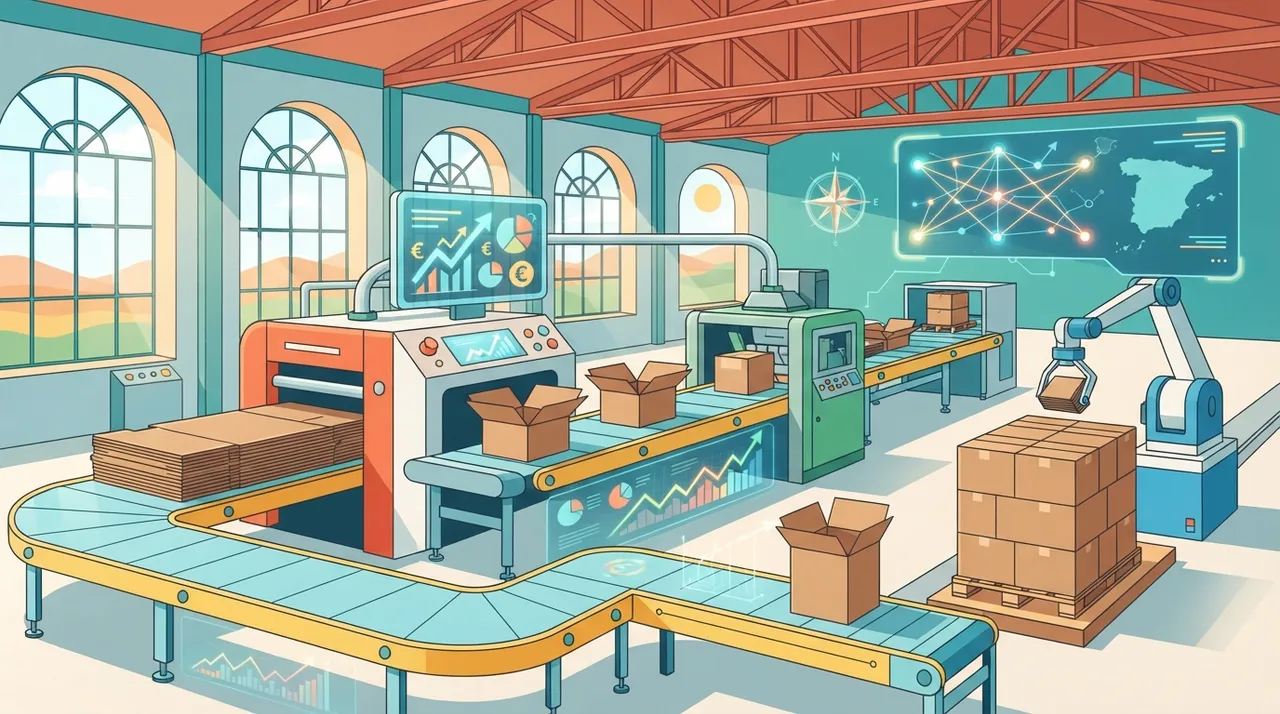
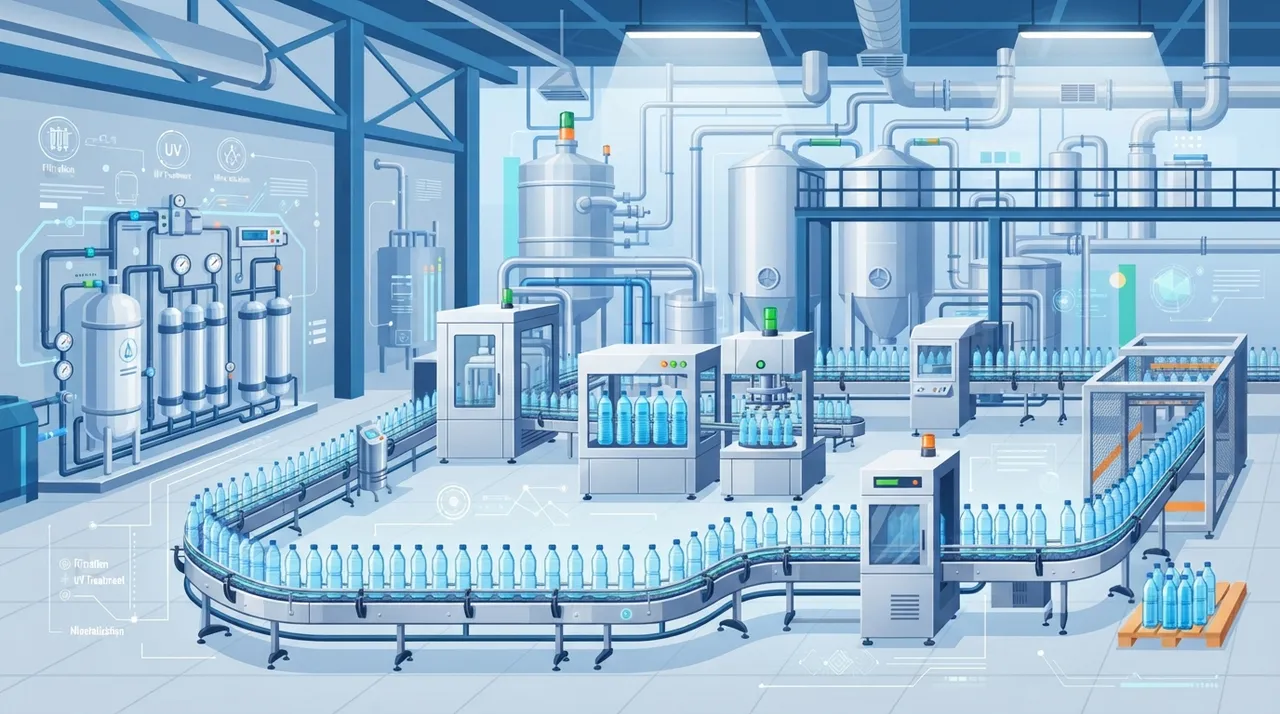
The factory's daily operations involve several key stages: receiving raw materials (raw water, bottles, labels), purifying and treating water using the latest technologies to ensure the highest levels of purity and quality, bottling water in different sizes, labeling, final packaging, and storage. A strict quality control system will be applied at all stages of production, from raw water inspection to the final product. Human resources will be trained on the latest operational practices and quality and safety standards. Inventory will also be managed efficiently to ensure the availability of raw materials and timely fulfillment of customer orders.
The technical aspects of the project include selecting a suitable location within one of Bahrain's industrial zones, with sufficient space for the factory, production lines, storage, and laboratories. The factory requires modern water treatment equipment, including filtration, reverse osmosis (RO) systems, and sterilization, as well as high-speed bottling, capping, and packaging machines. A continuous source of raw water (such as groundwater or desalinated seawater) and an energy source (electricity and gas) must be provided. Suppliers for equipment and raw materials (such as PET pellets for bottle manufacturing) will be selected based on quality, reliability, and competitive prices. The factory's technical design must comply with the latest industrial, health, and environmental standards.
Projected Income Statement (5 Years)
| Item \ Year | Y1 | Y2 | Y3 | Y4 | Y5 |
|---|---|---|---|---|---|
| Revenues | ٣٥٠٬٠٠٠ د.ب | ٣٧٤٬١٥٠ د.ب | ٣٩٩٬٩٦٦ د.ب | ٤٢٧٬٥٦٤ د.ب | ٤٥٧٬٠٦٦ د.ب |
| Cost of Sales | (١٩٢٬٥٠٠ د.ب) | (٢٠٥٬٧٨٣ د.ب) | (٢١٩٬٩٨١ د.ب) | (٢٣٥٬١٦٠ د.ب) | (٢٥١٬٣٨٦ د.ب) |
| Gross Profit | ١٥٧٬٥٠٠ د.ب | ١٦٨٬٣٦٧ د.ب | ١٧٩٬٩٨٥ د.ب | ١٩٢٬٤٠٤ د.ب | ٢٠٥٬٦٨٠ د.ب |
| Operating Expenses | (١٠٥٬٠٠٠ د.ب) | (١١٢٬٢٤٥ د.ب) | (١١٩٬٩٩٠ د.ب) | (١٢٨٬٢٦٩ د.ب) | (١٣٧٬١٢٠ د.ب) |
| EBITDA | ٥٢٬٥٠٠ د.ب | ٥٦٬١٢٢ د.ب | ٥٩٬٩٩٥ د.ب | ٦٤٬١٣٥ د.ب | ٦٨٬٥٦٠ د.ب |
| Tax | (٠ د.ب) | (٠ د.ب) | (٠ د.ب) | (٠ د.ب) | (٠ د.ب) |
| Net Profit | -٩٧٬٥٠٠ د.ب | -٩٣٬٨٧٨ د.ب | -٩٠٬٠٠٥ د.ب | -٨٥٬٨٦٥ د.ب | -٨١٬٤٤٠ د.ب |
| Net Margin | -٢٨٪ | -٢٥٪ | -٢٢٪ | -٢٠٪ | -١٨٪ |
Investment Cost Structure
| Item | Cost | Percentage |
|---|---|---|
| Equipment and Machinery Costs | ٤٥٠٬٠٠٠ د.ب | ٦٠٪ |
| Infrastructure and Construction | ١٥٠٬٠٠٠ د.ب | ٢٠٪ |
| Initial Working Capital | ٧٥٬٠٠٠ د.ب | ١٠٪ |
| Licenses and Permits | ٣٧٬٥٠٠ د.ب | ٥٪ |
| Initial Administrative and Marketing Expenses | ٣٧٬٥٠٠ د.ب | ٥٪ |
Cash Flow and Break-even Point
| Year | Operating Cash Flow | Cumulative Cash Flow |
|---|---|---|
| Year 1 | ٥٢٬٥٠٠ د.ب | -٦٩٧٬٥٠٠ د.ب |
| Year 2 | ٥٦٬١٢٢ د.ب | -٦٤١٬٣٧٧ د.ب |
| Year 3 | ٥٩٬٩٩٥ د.ب | -٥٨١٬٣٨٣ د.ب |
| Year 4 | ٦٤٬١٣٥ د.ب | -٥١٧٬٢٤٨ د.ب |
| Year 5 | ٦٨٬٥٦٠ د.ب | -٤٤٨٬٦٨٨ د.ب |
Estimated break-even point at annual revenue ≈ ٥٦٦٬٦٦٧ د.ب (~١٦٢٪ of first-year revenue), with a contribution margin of ٤٥٪. Cumulative cash break-even after the study horizon.
Funding Structure
| Funding Source | Percentage | Amount |
|---|---|---|
| Equity | ٦٠٪ | ٤٥٠٬٠٠٠ د.ب |
| Debt Financing (٧٪ interest) | ٤٠٪ | ٣٠٠٬٠٠٠ د.ب |
Sensitivity Analysis (Revenue × Operations)
The impact of changes in revenue and costs combined on Net Present Value:
| Revenue \ Operations | −10٪ | −5٪ | Base | +5٪ | +10٪ |
|---|---|---|---|---|---|
| −20٪ | -٤٦٤٬٦٩٣ د.ب | -٥٢١٬٧٥٥ د.ب | -٥٧٨٬٨١٦ د.ب | -٦٣٥٬٨٧٧ د.ب | -٦٩٢٬٩٣٩ د.ب |
| −10٪ | -٤٢٩٬٠٣٠ د.ب | -٤٩٣٬٢٢٤ د.ب | -٥٥٧٬٤١٨ د.ب | -٦٢١٬٦١٢ د.ب | -٦٨٥٬٨٠٦ د.ب |
| Base | -٣٩٣٬٣٦٦ د.ب | -٤٦٤٬٦٩٣ د.ب | -٥٣٦٬٠٢٠ د.ب | -٦٠٧٬٣٤٧ د.ب | -٦٧٨٬٦٧٣ د.ب |
| +10٪ | -٣٥٧٬٧٠٣ د.ب | -٤٣٦٬١٦٢ د.ب | -٥١٤٬٦٢٢ د.ب | -٥٩٣٬٠٨١ د.ب | -٦٧١٬٥٤١ د.ب |
| +20٪ | -٣٢٢٬٠٤٠ د.ب | -٤٠٧٬٦٣٢ د.ب | -٤٩٣٬٢٢٤ د.ب | -٥٧٨٬٨١٦ د.ب | -٦٦٤٬٤٠٨ د.ب |
Scenario Analysis
| Scenario | Probability | NPV | Assessment |
|---|---|---|---|
| Pessimistic | ٢٥٪ | -٦١٣٬٠٥٣ د.ب | Not feasible |
| Base | ٥٠٪ | -٥٣٦٬٠٢٠ د.ب | Not feasible |
| Optimistic | ٢٥٪ | -٤٤١٬٨٦٩ د.ب | Not feasible |
Expected Present Value (Weighted): -٥٣١٬٧٤٠ د.ب.
Risk Analysis and Management
| Risk | Probability | Impact | Mitigation |
|---|---|---|---|
| Fluctuations in raw material prices (e.g., PET pellets) | Medium | High | Long-term supply contracts, seeking alternative suppliers, strategic material storage. |
| Intense competition from existing companies | High | Medium | Focus on quality and innovation, building a strong brand, effective marketing and distribution strategies. |
| Difficulty in obtaining licenses and environmental approvals | Medium | High | Engaging specialized local consultants, adhering to high environmental standards from the outset. |
| Challenges in product distribution and market access | Medium | Medium | Building a strong distribution network, partnerships with wholesalers and retailers, investing in logistics. |
| Changes in consumer preferences or government regulations | Medium | Medium | Closely monitoring the market, flexibility in product development, compliance with legislative changes. |
Organizational Structure and Team
The factory's organizational structure consists of a management team including a General Manager, a Production Manager, a Sales and Marketing Manager, a Financial Manager, and a Quality Manager. Specialized technical staff will be hired to operate and maintain equipment, in addition to production line workers. The factory will require chemical or food engineers to monitor water quality and adhere to health standards. A strong administrative, financial, and logistics team will also be needed to support operations. The focus on recruiting and training Bahraini competencies will be a priority to ensure sustainability and localization of expertise.
Legal and Regulatory Aspects
The project requires obtaining several licenses and approvals from government entities in Bahrain. These licenses include: Commercial Registration from the Ministry of Industry and Commerce, an industrial license, health approvals from the Ministry of Health, environmental approvals from the Supreme Council for Environment, and registration with the Social Insurance Organization and the Ministry of Labor. The factory must comply with all laws and regulations related to water quality, packaging standards, food safety, and environmental requirements. It must also comply with any applicable tax legislation in Bahrain, such as the 10% Value Added Tax.
Expansion and Sustainability Plan
Future expansion and growth of the factory can be achieved through several strategies. Firstly, increasing production capacity by adding new production lines or improving the efficiency of existing lines to meet increasing demand. Secondly, expanding the product range to include additional packaging sizes (such as large containers for home and office use) or specialized water products (such as alkaline water or spring water). Thirdly, exploring export opportunities to other GCC countries, given the growing demand for bottled water in the region. Fourthly, investing in innovation and technology to reduce operating costs and improve product quality. Fifthly, building strategic partnerships with major retail chains and distributors to enhance market coverage.
Environmental, Social, and Governance (ESG) Impact
The factory is committed to the highest standards of environmental sustainability, social responsibility, and governance (ESG). The focus will be on reducing water and energy consumption in production operations using modern and efficient technologies. Plastic bottles and other waste will be recycled to reduce environmental impact. The factory's environmental impact will be regularly assessed, and plans will be developed to mitigate any potential negative impacts, such as wastewater treatment and emission reduction. Socially, the factory will provide employment opportunities for Bahraini citizens and support community initiatives related to health and the environment. In terms of governance, best practices in management, transparency, and compliance with laws and regulations will be implemented.
Conclusions and Recommendations
The mineral water factory project in Bahrain represents a highly promising investment opportunity, given the strong and growing demand for bottled water in the local and regional market. With a proposed initial capital of 750,000 Bahraini Dinars, the project can achieve viable returns if the business plan is meticulously executed, with a focus on quality, operational efficiency, effective marketing, and adherence to environmental standards. Financial assumptions indicate that the project is capable of generating good revenues and sustainable growth. The recommendation is to proceed with the project, while conducting a more comprehensive detailed feasibility study that includes an in-depth market analysis, risk assessment, detailed financing plan, and optimal technology and equipment selection.
Frequently Asked Questions
How much does it cost to set up a mineral water factory in Bahrain?
The estimated cost for setting up a medium-sized mineral water factory in Bahrain is around 750,000 Bahraini Dinars, and may vary based on the project size, production capacity, and equipment used.
Is a mineral water factory project profitable in Bahrain?
Yes, a mineral water factory project is considered a profitable and sustainable investment in Bahrain, given the increasing demand for bottled water and the projected market growth rate of 6.90% annually.
What licenses are required for a mineral water factory in Bahrain?
The project requires licenses such as Commercial Registration, an industrial license, health approvals from the Ministry of Health, environmental approvals from the Supreme Council for Environment, and registration with the Social Insurance Organization and the Ministry of Labor.
What is the size of the bottled water market in Bahrain?
The bottled water market in Bahrain reached 75.56 million USD in 2025 and is expected to reach 137.75 million USD by 2034.
What are the main risks facing a mineral water factory?
Risks include fluctuations in raw material prices, intense competition, difficulty in obtaining licenses, and distribution challenges. These can be mitigated through good planning, innovation, and effective marketing.
How long does it take to build a mineral water factory in Bahrain?
Building and launching a mineral water factory can take approximately 18 to 24 months, including planning, obtaining licenses, construction, and equipment installation.
Sources and Disclaimer
- Bottled water market reports in Bahrain and GCC countries
- Data on bottled water prices in Bahrain
- Feasibility studies for mineral water factories in the region
- Information on taxes and financing in Bahrain
- Information on environmental and industrial regulations in Bahrain
Disclaimer: This is a guiding study that provides financial analysis according to approved industry standards; verify figures locally according to your project's reality before any investment decision.