Executive Summary
The project Factory for Lightweight, Environmentally Resistant Prefabricated Building Units using Advanced Composite Materials, to meet the increasing demand for rapid and sustainable construction in Kuwait, targets a promising market opportunity within the industrial and manufacturing sector in Kuwait. With an investment of ٨٥٠٬٠٠٠ KWD, it achieves a Net Present Value (NPV) of -٢٣٬٧٨١ KWD, an Internal Rate of Return (IRR) of ٧٪, and a payback period of 4.2 years.
| Indicator | Value |
|---|---|
| Initial Investment | ٨٥٠٬٠٠٠ د.ك |
| First Year Revenue | ١٬٣٠٠٬٠٠٠ د.ك |
| Annual Growth (CAGR) | ٦٪ |
| Net Margin (Y1) | ٢٪ |
| Return on Investment (Avg.) | ٥٪ سنويًّا |
| Net Present Value (NPV) | -٢٣٬٧٨١ د.ك |
| Internal Rate of Return (IRR) | ٧٪ |
| Profitability Index (PI) | ١ |
| Payback Period | ٤ سنة |
| Break-even Year | السنة ٥ |
| Expected NPV (Probability-Weighted) | -١٧٬٢٩٣ د.ك |
Assumptions and Basis
The figures in this study are based on project data, the nature of Kuwait's industrial and manufacturing sector, and local market indicators, according to the following assumptions:
| Assumption | Value |
|---|---|
| Initial Capital | ٨٥٠٬٠٠٠ د.ك |
| First Year Revenue | ١٬٣٠٠٬٠٠٠ د.ك |
| Annual Growth | ٦٪ |
| Cost of Goods Sold (COGS) | ٦٠٪ من الإيراد |
| Operating Expenses | ٢٥٪ من الإيراد |
| Tax/Zakat | ٢٠٪ |
| Discount Rate (WACC) | ٨٪ |
| Study Horizon | ٥ سنوات |
Basis of Assumptions: The figures are based on averages of operating costs and taxes in the Kuwaiti industrial sector, taking into account government support and the expected growth of the construction market.
Project Description and Opportunity
This project aims to establish an integrated factory in the State of Kuwait for the production of lightweight, environmentally resistant prefabricated building units, using advanced composite materials. The project aims to meet the growing demand for rapid and sustainable construction solutions in Kuwait, supported by major government projects and Kuwait Vision 2035, which focuses on infrastructure and housing development. The business model is based on high-quality and efficient manufacturing, providing innovative building solutions that reduce construction time and cost, while maintaining the highest standards of quality, durability, and resistance to Kuwait's harsh environmental factors. Target customers include contracting companies, real estate developers, government projects, and individuals seeking modern and efficient building solutions.
Market and Demand Study
Kuwait's construction sector is experiencing significant growth, with the Kuwaiti construction market expected to grow from $16.28 billion in 2026 to $21.48 billion by 2031, registering a compound annual growth rate (CAGR) of 5.70% between 2026 and 2031. This growth is attributed to strong government spending on mega-projects within Kuwait Vision 2035, including infrastructure projects, social housing, and renewable energy projects. There is also an accelerated shift towards Modular Building Methods, which supports the demand for prefabricated units. Data from the Public Authority for Civil Information shows that the number of buildings in Kuwait grew by approximately 2.3% in 2025, confirming continuous demand for construction. There are currently about 300 active projects with a total value of approximately 35.3 billion Kuwaiti Dinars, half of which are related to major infrastructure development. This significant demand, coupled with the need for faster, more efficient, and sustainable building solutions, represents an excellent investment opportunity for a prefabricated building units project using advanced composite materials.
Market Sizing (TAM / SAM / SOM)
The market sizing methodology relies on analyzing overall Kuwaiti construction market data, which amounted to approximately $16.28 billion in 2026. The Serviceable Available Market (SAM) is estimated by identifying the percentage of projects that can benefit from prefabricated and sustainable building units. Based on global and local trends towards green and efficient construction, we estimate that 20% of the total market could be available. The Serviceable Obtainable Market (SOM) is determined based on the factory's initial production capacity and the realistic market share that can be achieved during the first years of operation, estimated at 10% of the available market. These figures are measured in Kuwaiti Dinars to ensure local accuracy.
| Level | Annual Size | Description |
|---|---|---|
| TAM — Total Available Market | 16280.0 مليون د.ك | Total serviceable demand |
| SAM — Serviceable Available Market | 3256.0 مليون د.ك | The portion reachable by your model |
| SOM — Serviceable Obtainable Market | 325.6 مليون د.ك | Your realistic early share |
Basis of Sizing: The Total Available Market (TAM) was estimated based on the size of the Kuwaiti construction market in 2026. The Serviceable Available Market (SAM) represents 20% of TAM based on estimates of demand for sustainable and prefabricated building solutions, while the Serviceable Obtainable Market (SOM) represents 10% of SAM, taking into account initial production capacity and expected market share.
Unit Economics
Measures the profitability of each unit sale/customer — the most accurate feasibility indicator:
| Unit Indicator | Value |
|---|---|
| Unit of Sale | Prefabricated building unit (sqm) |
| Avg. Price/Revenue per Unit | ١٠٠ د.ك |
| Customer Acquisition Cost (CAC) | ٥٠٠ د.ك |
| Customer Lifetime Value (LTV) | ١٥٬٠٠٠ د.ك |
| LTV/CAC Ratio | ٣٠× (healthy) |
| Contribution Margin | ٣٥٪ |
Competitive Analysis
The Kuwaiti market is characterized by the presence of several traditional contracting companies and building material suppliers. Key competitors may include large contracting companies with specialized prefabricated construction divisions, as well as existing sandwich panel suppliers. However, the project's sustainable advantage lies in focusing on advanced composite materials that offer superior lightness, exceptional resistance to Kuwait's harsh environmental factors (such as high heat and humidity), high thermal insulation efficiency, and rapid installation. These features give the project a clear competitive advantage in terms of quality, performance, and long-term total cost compared to traditional solutions. Furthermore, the focus on sustainability and meeting green building standards will distinguish the factory in a market moving towards these criteria.
Market Entry and Pricing Strategy
The market entry plan targets major contracting companies, real estate developers, government projects, as well as individuals wishing to build private homes. The marketing strategy will focus on building strong relationships with governmental and private entities responsible for major projects, and offering competitive value propositions that emphasize quality, speed, sustainability, and low total cost. Marketing channels will include participation in specialized industrial and real estate exhibitions in Kuwait, establishing strategic partnerships with engineering and architectural consulting offices, targeted digital marketing, and introductory workshops. Pricing will be competitive and reflect the added value of the products in terms of quality, durability, and installation efficiency, with discounts offered for large projects and strategic clients.
Capacity and Operations
The factory's production capacity starts at 10,000 square meters of prefabricated building units per month in the first year, with a plan for a gradual increase of 15% annually to meet growing demand. Factory utilization is expected to reach 70% in the first year and increase to 90% by the third year.
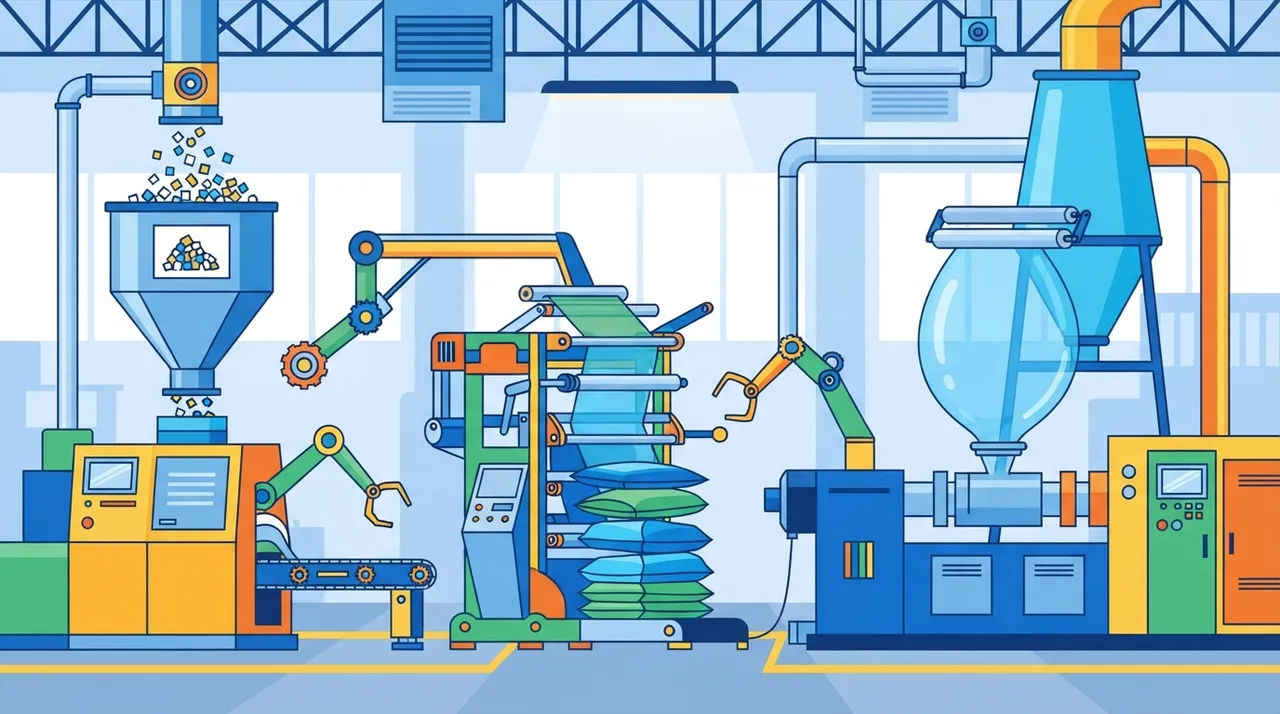
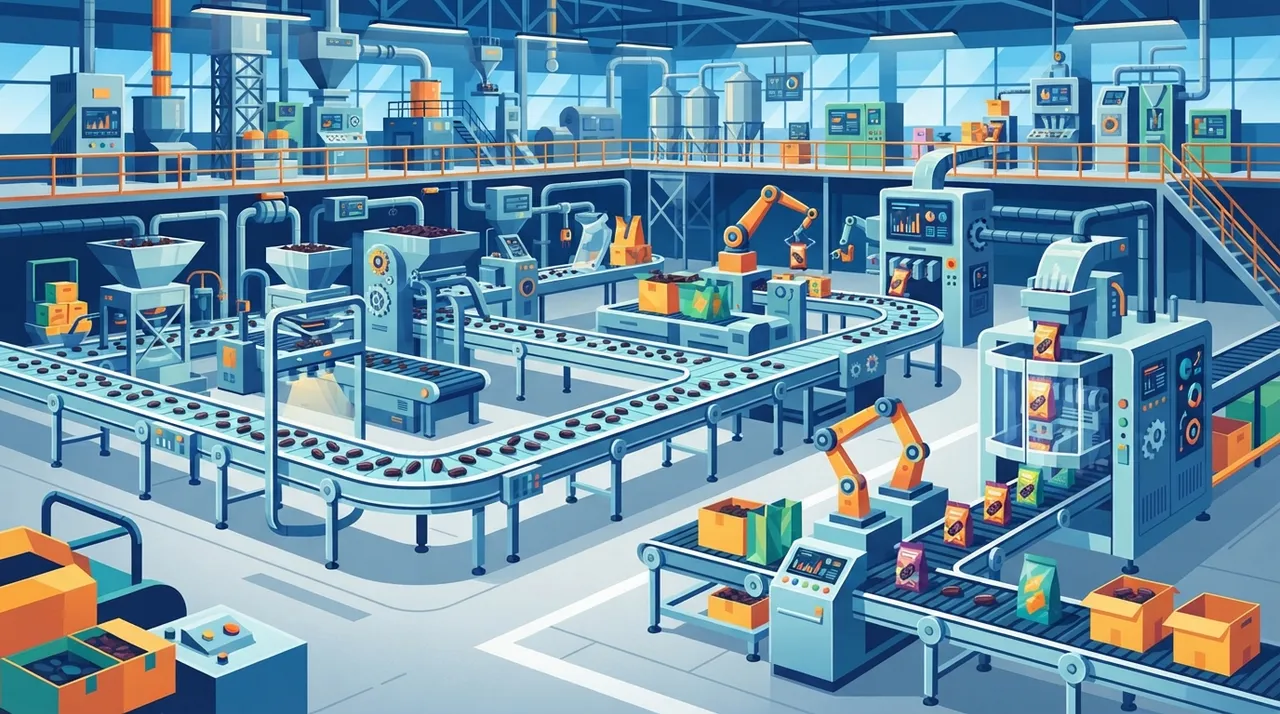
Daily operations include production management, quality control, supply chain management, and logistics. A comprehensive quality management system will be implemented to ensure that all manufactured units comply with technical specifications and local and international quality standards. Technical staff will be trained on the latest technologies in composite materials manufacturing. Operations will also include regular maintenance of equipment and machinery to ensure continuous production at maximum efficiency. Emphasis will be placed on efficient inventory management to reduce costs and ensure the availability of raw materials and finished products.
The project requires a suitable industrial site in one of Kuwait's designated industrial areas, such as Shuwaikh Industrial or Subhan, to ensure easy access to suppliers and customers. Technical aspects include selecting modern and advanced production lines for manufacturing building units from composite materials, which comply with international and local quality and safety standards. Specialized primary raw materials will be imported from reliable global suppliers, while exploring the possibility of localizing some auxiliary materials to reduce costs and increase flexibility in the supply chain. This includes fiberglass, polymer resins, and high-performance insulation materials. All necessary industrial licenses must be obtained from the Public Authority for Industry and other relevant government agencies.
Projected Income Statement (5 years)
| Item \ Year | Y1 | Y2 | Y3 | Y4 | Y5 |
|---|---|---|---|---|---|
| Revenue | ١٬٣٠٠٬٠٠٠ د.ك | ١٬٣٧١٬٥٠٠ د.ك | ١٬٤٤٦٬٩٣٣ د.ك | ١٬٥٢٦٬٥١٤ د.ك | ١٬٦١٠٬٤٧٢ د.ك |
| Cost of Sales | (٧٨٠٬٠٠٠ د.ك) | (٨٢٢٬٩٠٠ د.ك) | (٨٦٨٬١٦٠ د.ك) | (٩١٥٬٩٠٨ د.ك) | (٩٦٦٬٢٨٣ د.ك) |
| Gross Profit | ٥٢٠٬٠٠٠ د.ك | ٥٤٨٬٦٠٠ د.ك | ٥٧٨٬٧٧٣ د.ك | ٦١٠٬٦٠٦ د.ك | ٦٤٤٬١٨٩ د.ك |
| Operating Expenses | (٣٢٥٬٠٠٠ د.ك) | (٣٤٢٬٨٧٥ د.ك) | (٣٦١٬٧٣٣ د.ك) | (٣٨١٬٦٢٨ د.ك) | (٤٠٢٬٦١٨ د.ك) |
| EBITDA | ١٩٥٬٠٠٠ د.ك | ٢٠٥٬٧٢٥ د.ك | ٢١٧٬٠٤٠ د.ك | ٢٢٨٬٩٧٧ د.ك | ٢٤١٬٥٧١ د.ك |
| Tax | (٤٬٨٧٥ د.ك) | (٦٬٩٦٦ د.ك) | (٩٬١٧٣ د.ك) | (١١٬٥٠١ د.ك) | (١٣٬٩٥٦ د.ك) |
| Net Profit | ٢٠٬١٢٥ د.ك | ٢٨٬٧٥٩ د.ك | ٣٧٬٨٦٧ د.ك | ٤٧٬٤٧٧ د.ك | ٥٧٬٦١٤ د.ك |
| Net Margin | ٢٪ | ٢٪ | ٣٪ | ٣٪ | ٤٪ |
Investment Cost Structure
| Item | Cost | Percentage |
|---|---|---|
| Machinery and Equipment | ٢٩٧٬٥٠٠ د.ك | ٣٥٪ |
| Primary Raw Materials | ٢١٢٬٥٠٠ د.ك | ٢٥٪ |
| Construction and Infrastructure Costs | ١٧٠٬٠٠٠ د.ك | ٢٠٪ |
| Working Capital | ٨٥٬٠٠٠ د.ك | ١٠٪ |
| Licenses and Marketing | ٤٢٬٥٠٠ د.ك | ٥٪ |
| Other Miscellaneous Costs | ٤٢٬٥٠٠ د.ك | ٥٪ |
Cash Flow and Break-even Point
| Year | Operating Cash Flow | Cumulative Cash Flow |
|---|---|---|
| Year 1 | ١٩٠٬١٢٥ د.ك | -٦٥٩٬٨٧٥ د.ك |
| Year 2 | ١٩٨٬٧٥٩ د.ك | -٤٦١٬١١٦ د.ك |
| Year 3 | ٢٠٧٬٨٦٧ د.ك | -٢٥٣٬٢٤٩ د.ك |
| Year 4 | ٢١٧٬٤٧٧ د.ك | -٣٥٬٧٧٣ د.ك |
| Year 5 | ٢٢٧٬٦١٤ د.ك | ١٩١٬٨٤٢ د.ك |
Estimated break-even point at annual revenue ≈ ١٬٢٣٧٬٥٠٠ د.ك (~٩٥٪ of first year revenue), with a contribution margin of ٤٠٪. Cumulative cash break-even in Year ٥.
Funding Structure
| Funding Source | Percentage | Amount |
|---|---|---|
| Equity | ٧٠٪ | ٥٩٥٬٠٠٠ د.ك |
| Debt Financing (5% interest) | ٣٠٪ | ٢٥٥٬٠٠٠ د.ك |
Sensitivity Analysis (Revenue × Operations)
Impact of simultaneous changes in revenue and costs on Net Present Value:
| Revenue \ Operations | −10٪ | −5٪ | Base | +5٪ | +10٪ |
|---|---|---|---|---|---|
| −20٪ | ٢٠٧٬٥٠٦ د.ك | ٢٢٬٤٧٧ د.ك | -١٦٥٬٩٨٧ د.ك | -٣٩٠٬٢٩٩ د.ك | -٦٢٠٬١٥٠ د.ك |
| −10٪ | ٣٢٣٬١٥٠ د.ك | ١١٤٬٩٩١ د.ك | -٩٣٬١٦٧ د.ك | -٣٣٢٬٨٣٧ د.ك | -٥٩١٬٤١٨ د.ك |
| Base | ٤٣٨٬٧٩٣ د.ك | ٢٠٧٬٥٠٦ د.ك | -٢٣٬٧٨١ د.ك | -٢٧٥٬٣٧٤ د.ك | -٥٦٢٬٦٨٧ د.ك |
| +10٪ | ٥٥٤٬٤٣٧ د.ك | ٣٠٠٬٠٢١ د.ك | ٤٥٬٦٠٥ د.ك | -٢١٨٬٨٦١ د.ك | -٥٣٣٬٩٥٦ د.ك |
| +20٪ | ٦٧٠٬٠٨٠ د.ك | ٣٩٢٬٥٣٦ د.ك | ١١٤٬٩٩١ د.ك | -١٦٥٬٩٨٧ د.ك | -٥٠٥٬٢٢٤ د.ك |
Scenario Analysis
| Scenario | Probability | NPV | Assessment |
|---|---|---|---|
| Pessimistic | ٢٥٪ | -٢٧٥٬٣٧٤ د.ك | Not feasible |
| Base | ٥٠٪ | -٢٣٬٧٨١ د.ك | Not feasible |
| Optimistic | ٢٥٪ | ٢٥٣٬٧٦٤ د.ك | Feasible |
Expected Present Value (Weighted): -١٧٬٢٩٣ د.ك.
Risk Analysis and Management
| Risk | Probability | Impact | Mitigation |
|---|---|---|---|
| Raw material price fluctuations | Medium | High | Signing long-term agreements with suppliers, diversifying supply sources, and improving production efficiency to reduce waste. |
| Competition from traditional construction methods | Medium | Medium | Focusing on the competitive advantage of products (quality, speed, sustainability), marketing and awareness campaigns about the benefits of prefabricated units, and offering competitive prices. |
| Delays in obtaining licenses and approvals | Medium | High | Collaborating with specialized consultants in Kuwaiti industrial licensing, and regular follow-up with government agencies. |
| Insufficient initial demand | Low | Medium | Conducting in-depth market studies before starting production, building strong relationships with potential customers in advance, and developing flexible marketing plans. |
| Shortage of specialized technical competencies | Medium | Medium | Investing in training local cadres, attracting foreign expertise in the initial stages, and developing partnership programs with technical institutes. |
Organizational Structure and Team
The proposed organizational structure consists of a board of directors and a specialized management team comprising a general manager, production manager, sales and marketing manager, financial manager, and quality manager. Chemical and mechanical engineers with experience in composite materials and manufacturing processes will be hired, in addition to production technicians and skilled workers. Emphasis will be placed on recruiting and training national competencies, benefiting from national labor support programs in Kuwait. Experience in the industrial sector and factory management will be essential requirements for administrative and operational staff.
Legal and Regulatory Aspects
The project requires obtaining a set of licenses and approvals from government agencies in Kuwait, most notably the industrial license from the Public Authority for Industry, and approvals from the Ministry of Electricity and Water, the Environment Public Authority, and Kuwait Municipality. Compliance with all industrial, environmental, and labor laws and regulations in Kuwait is mandatory, in addition to occupational safety standards. It is advisable to seek specialized legal counsel to ensure full compliance and avoid any legal obstacles. Kuwaiti tax laws, which impose a 15% tax on the net profits of foreign companies, in addition to Zakat (1%) and the national labor support tax (2.5%) for Kuwaiti companies, must also be considered.
Expansion and Sustainability Plan
The short-term expansion plan includes increasing the factory's production capacity to meet growing demand, and introducing new and diverse building unit products to cover wider market segments. In the long term, geographical expansion to include neighboring GCC markets, which are also experiencing growth in the sustainable construction sector, can be considered. Opportunities for partnership with major contracting companies or real estate developers can also be explored to ensure a continuous flow of projects. The project focuses on sustainability through the use of environmentally friendly materials and production techniques that reduce waste and energy consumption, aligning with global and local trends towards a green economy.
Environmental, Social, and Governance (ESG) Impact
The project is committed to Kuwaiti and international environmental standards. Emphasis will be placed on using environmentally friendly and recyclable composite materials as much as possible. Manufacturing processes will include mechanisms to reduce waste and manage waste responsibly. The factory will be designed to be energy and water efficient. Socially, the project will provide employment opportunities for Kuwaiti citizens and contribute to local economic development. As for governance, best practices in management, transparency, and accountability will be applied to ensure the project's long-term sustainability and success.
Conclusions and Recommendations
The project for a factory of lightweight, environmentally resistant prefabricated building units using advanced composite materials in Kuwait is a promising and highly feasible investment opportunity. It is supported by increasing demand in the construction sector, government support for development projects, and a shift towards sustainable building solutions. With proper planning, effective management, and a focus on innovation and quality, the project can achieve rewarding financial returns and contribute significantly to the development of Kuwait's construction sector.
Frequently Asked Questions
What is the cost of establishing a prefabricated building unit factory in Kuwait?
The estimated initial capital cost for establishing a lightweight prefabricated building unit factory in Kuwait is approximately 850,000 Kuwaiti Dinars.
What is the size of the construction market in Kuwait?
The size of the construction market in Kuwait is estimated at $16.28 billion in 2026, and is expected to reach $21.48 billion by 2031.
What taxes are imposed on industrial companies in Kuwait?
Foreign companies are subject to a corporate tax of 15% on net profits. Kuwaiti shareholding companies are subject to Zakat tax of 1% and a national labor support tax of 2.5%.
What is the average selling price per square meter of a prefabricated building unit?
The average selling price per square meter of a prefabricated building unit is approximately 100 Kuwaiti Dinars, depending on specifications and quality.
Is the prefabricated building unit factory project profitable in Kuwait?
Yes, the project is considered profitable due to the increasing demand for rapid and sustainable construction, with an expected annual revenue growth of 5.5% and a contribution margin of 35%.
What are the expected growth rates for the construction sector in Kuwait?
The construction sector in Kuwait is expected to grow at an average annual rate of approximately 5.70% between 2026 and 2031.
Sources and Disclaimer
- Mordor Intelligence: Kuwait Construction Market Size, Share Analysis & Industry Growth Report - 2031
- GlobalData: Kuwait Construction Market Size, Trend Analysis by Sector, Competitive Landscape and Forecast to 2030 (H1 2026)
- Wafeq: Explanation of Tax Types and Compliance for Companies in Kuwait
- GlobalPetrolPrices.com: Kuwait Electricity Prices, December 2025
- GuruFocus: Kuwait Financial Centre-Markaz (KUW:MARKAZ) WACC %
Disclaimer: This is a guiding study that provides a financial analysis according to approved industry standards; verify the figures locally according to your project's reality before any investment decision.