Executive Summary
The project Wave Energy Power Plant Project Using Photovoltaic Energy Converters (PECs) on the North Coast of Egypt targets a promising market opportunity within the energy and environment sector in Egypt. With an investment of 125,000,000 EGP, it achieves a Net Present Value of -101,136,364 EGP, an Internal Rate of Return of -32%, and a payback period of — years.
| Indicator | Value |
|---|---|
| Initial Investment | ١٢٥٬٠٠٠٬٠٠٠ EGP |
| First Year Revenue | ١٥٬٠٠٠٬٠٠٠ EGP |
| Annual Growth (CAGR) | ١٠٪ |
| Net Margin (Y1) | -١٣٢٪ |
| Return on Investment (Avg.) | -١٥٪ annually |
| Net Present Value (NPV) | -١٠١٬١٣٦٬٣٦٤ EGP |
| Internal Rate of Return (IRR) | -٣٢٪ |
| Profitability Index (PI) | ٠ |
| Payback Period | — |
| Break-even Year | — |
| Expected NPV (Probability-Weighted) | -١٠٠٬٨٩٧٬٧٢٧ EGP |
Assumptions and Basis
The figures in this study are based on project data, the nature of Egypt's energy and environment sector, and local market indicators, according to the following assumptions:
| Assumption | Value |
|---|---|
| Initial Capital | ١٢٥٬٠٠٠٬٠٠٠ EGP |
| First Year Revenue | ١٥٬٠٠٠٬٠٠٠ EGP |
| Annual Growth | ١٠٪ |
| Cost of Goods Sold (COGS) | ٣٠٪ of Revenue |
| Operating Expenses | ٣٥٪ of Revenue |
| Tax/Zakat | ٥٪ |
| Discount Rate (WACC) | ١٠٪ |
| Study Horizon | ٥ years |
Basis of Assumptions: Figures are based on average costs of similar renewable energy projects in Egypt and electricity selling prices to the national grid, considering government incentives for the renewable energy sector.
Project Description and Opportunity
The project for a wave energy power plant using Photovoltaic Energy Converters (PECs) on Egypt's northern coast aims to harness an untapped, renewable natural resource for clean electricity generation. This initiative aligns with Egypt's strategic direction towards diversifying energy sources, enhancing energy security, and reducing reliance on fossil fuels, which impose environmental and economic burdens. The opportunity lies in the significant potential of Egypt's northern coasts in terms of wave action, providing a continuous energy source. The business model relies on selling generated electricity to the Egyptian national grid, leveraging government incentives provided for renewable energy projects. The primary client is the Egyptian Electricity Transmission Company, which is committed to purchasing power from independent producers at specified prices for long periods.
Market and Demand Study
Egypt's energy market is experiencing steady growth, with increasing demand for electricity due to population growth, industrial expansion, and urbanization. Egypt aims to increase the contribution of renewable energy to 45% of its energy mix by 2028. Although solar and wind energy are the primary pillars of this expansion, wave energy represents a promising complementary source that can contribute to supply stability due to its different seasonal nature compared to sun and wind. The Egyptian government supports the expansion of renewable energy projects and works to provide necessary funding and infrastructure support. Egypt's total installed capacity for renewable energy reached approximately 9.1 GW in the second quarter of fiscal year 2025-2026. Government purchases of electricity generated from renewable energy sources are expected to increase by 9% to 12% during 2026.
Market Sizing (TAM / SAM / SOM)
The market sizing methodology relies on analyzing Egypt's total electricity consumption, then estimating the share of renewable energy from this consumption according to the national energy strategy. The theoretical potential of wave energy on Egypt's northern coasts is then estimated based on available studies, considering geographical and technical factors. Finally, the realistic target market for the project is determined based on the proposed production capacity of the plant, taking into account competition from other renewable energy sources and the technical challenges of wave energy technology, which is still in its early stages of commercial deployment.
| Level | Annual Size | Description |
|---|---|---|
| TAM — Total Addressable Market | 190000.0 million EGP | Total serviceable demand |
| SAM — Serviceable Available Market | 50000.0 million EGP | The portion your model addresses |
| SOM — Serviceable Obtainable Market | 1500.0 million EGP | Your realistic early share |
Sizing Basis: The total market size represents Egypt's overall electricity market, the available market represents the renewable energy sector, and the serviceable obtainable market represents a realistic share achievable from wave energy.
Unit Economics
Measures the profitability of each sales unit/customer — the most accurate feasibility indicator:
| Unit Indicator | Value |
|---|---|
| Sales Unit | KWh |
| Avg. Price/Revenue per Unit | ٢ EGP |
| Customer Acquisition Cost (CAC) | — |
| Customer Lifetime Value (LTV) | — |
| LTV/CAC Ratio | — |
| Contribution Margin | ٣٥٪ |
Competitive Analysis
The main competition comes from traditional power plants and existing and planned solar and wind energy projects in Egypt. Wave energy is characterized by being a stable energy source, requiring no fuel or causing carbon emissions, and having low operation and maintenance costs. The sustainable advantage of the project lies in utilizing an untapped natural resource with high intensity compared to wind and solar, in addition to reducing reliance on fossil fuels. The nature of waves contributes significantly to providing reasonable electricity prices in the long term. However, wave energy remains a technology not widely commercially deployed compared to solar and wind energy.
Market Entry and Pricing Plan
The market entry plan relies on signing long-term Power Purchase Agreements (PPAs) with the Egyptian Electricity Transmission Company to ensure the sale of the plant's entire output. The focus will be on highlighting the environmental benefits of the project and contributing to Egypt's renewable energy goals. The project will be marketed at governmental and institutional levels through participation in conferences and specialized events in the renewable energy sector. Pricing will follow the rates approved by the Egyptian government for purchasing electricity from renewable energy projects, which currently range for residential consumption between 0.68 EGP and 2.89 EGP per kWh depending on the consumption tier.
Operations and Production
The project includes a pilot phase with a capacity of 2 MW, expandable to 10 MW based on performance. The expected occupancy rate ranges from 60% in the first year to 85% after full operation and efficiency stabilization.
The daily operations of the project include monitoring plant performance and regular maintenance to ensure maximum operational efficiency. Preventive maintenance programs and a periodic maintenance schedule will be applied. A qualified and trained operating team, proficient in the latest wave energy technologies, must be available. Quality standards will focus on ensuring continuous electricity generation, minimizing downtime, and maximizing productivity. Operations will also include managing risks related to weather and marine conditions. It is important for systems to be maintainable offshore to optimize operational costs.
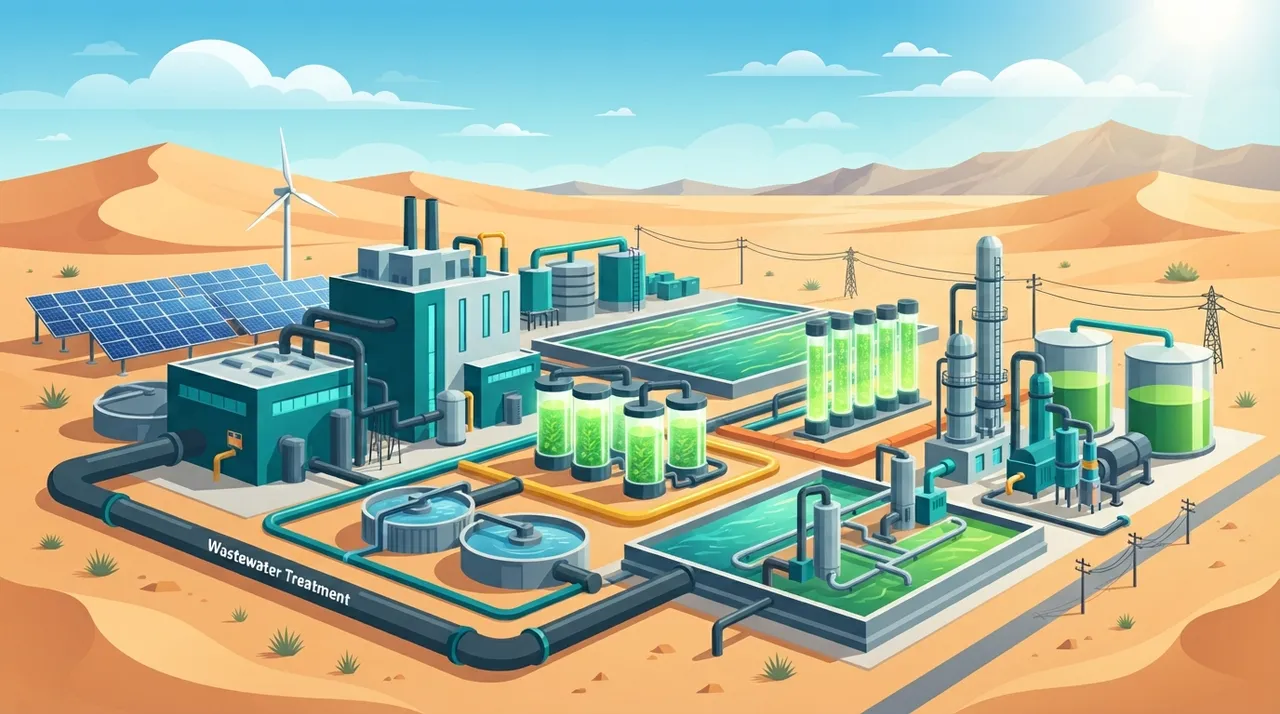
The technical aspects of the project include selecting the optimal location on Egypt's northern coast based on accurate studies of wave height and current velocity. Photovoltaic Energy Converter (PEC) technology will be used, which converts wave motion into electrical energy. The engineering design of the plant must be adapted to harsh marine conditions, with an emphasis on durability and corrosion resistance. The implementation phase includes marine construction works, installation of converters, and their connection to the national electricity grid. Collaboration will be established with international suppliers specialized in wave energy technologies. The technology requires structures capable of withstanding the harshest marine conditions while ensuring continuous and reliable production. Proximity to supporting infrastructure for operations and maintenance should be considered in site selection.
Projected Income Statement (5 Years)
| Item \ Year | Y1 | Y2 | Y3 | Y4 | Y5 |
|---|---|---|---|---|---|
| Revenues | ١٥٬٠٠٠٬٠٠٠ EGP | ١٦٬٥٠٠٬٠٠٠ EGP | ١٨٬١٥٠٬٠٠٠ EGP | ١٩٬٩٦٥٬٠٠٠ EGP | ٢١٬٩٦١٬٥٠٠ EGP |
| Cost of Sales | (٤٬٥٠٠٬٠٠٠ EGP) | (٤٬٩٥٠٬٠٠٠ EGP) | (٥٬٤٤٥٬٠٠٠ EGP) | (٥٬٩٨٩٬٥٠٠ EGP) | (٦٬٥٨٨٬٤٥٠ EGP) |
| Gross Profit | ١٠٬٥٠٠٬٠٠٠ EGP | ١١٬٥٥٠٬٠٠٠ EGP | ١٢٬٧٠٥٬٠٠٠ EGP | ١٣٬٩٧٥٬٥٠٠ EGP | ١٥٬٣٧٣٬٠٥٠ EGP |
| Operating Expenses | (٥٬٢٥٠٬٠٠٠ EGP) | (٥٬٧٧٥٬٠٠٠ EGP) | (٦٬٣٥٢٬٥٠٠ EGP) | (٦٬٩٨٧٬٧٥٠ EGP) | (٧٬٦٨٦٬٥٢٥ EGP) |
| EBITDA | ٥٬٢٥٠٬٠٠٠ EGP | ٥٬٧٧٥٬٠٠٠ EGP | ٦٬٣٥٢٬٥٠٠ EGP | ٦٬٩٨٧٬٧٥٠ EGP | ٧٬٦٨٦٬٥٢٥ EGP |
| Tax | (٠ EGP) | (٠ EGP) | (٠ EGP) | (٠ EGP) | (٠ EGP) |
| Net Profit | -١٩٬٧٥٠٬٠٠٠ EGP | -١٩٬٢٢٥٬٠٠٠ EGP | -١٨٬٦٤٧٬٥٠٠ EGP | -١٨٬٠١٢٬٢٥٠ EGP | -١٧٬٣١٣٬٤٧٥ EGP |
| Net Margin | -١٣٢٪ | -١١٦٪ | -١٠٣٪ | -٩٠٪ | -٧٩٪ |
Investment Cost Structure
| Item | Cost | Percentage |
|---|---|---|
| Feasibility Studies and Engineering Design | ٦٬٢٥٠٬٠٠٠ EGP | ٥٪ |
| Purchase and Installation of PECs | ٥٦٬٢٥٠٬٠٠٠ EGP | ٤٥٪ |
| Civil and Marine Works and Grid Connection | ٣٧٬٥٠٠٬٠٠٠ EGP | ٣٠٪ |
| Licenses, Approvals, and Fees | ٦٬٢٥٠٬٠٠٠ EGP | ٥٪ |
| Initial Operating Costs and Insurance | ١٢٬٥٠٠٬٠٠٠ EGP | ١٠٪ |
| Contingency Reserve | ٦٬٢٥٠٬٠٠٠ EGP | ٥٪ |
Cash Flow and Break-even Point
| Year | Operating Cash Flow | Cumulative Cash Flow |
|---|---|---|
| Year 1 | ٥٬٢٥٠٬٠٠٠ EGP | -١١٩٬٧٥٠٬٠٠٠ EGP |
| Year 2 | ٥٬٧٧٥٬٠٠٠ EGP | -١١٣٬٩٧٥٬٠٠٠ EGP |
| Year 3 | ٦٬٣٥٢٬٥٠٠ EGP | -١٠٧٬٦٢٢٬٥٠٠ EGP |
| Year 4 | ٦٬٩٨٧٬٧٥٠ EGP | -١٠٠٬٦٣٤٬٧٥٠ EGP |
| Year 5 | ٧٬٦٨٦٬٥٢٥ EGP | -٩٢٬٩٤٨٬٢٢٥ EGP |
Estimated break-even point at annual revenue ≈ ٤٣٬٢١٤٬٢٨٦ EGP (~٢٨٨٪ of first-year revenue), with a contribution margin of ٧٠٪. Cumulative cash break-even is beyond the study horizon.
Funding Structure
| Funding Source | Percentage | Amount |
|---|---|---|
| Equity | ٤٠٪ | ٥٠٬٠٠٠٬٠٠٠ EGP |
| Debt Financing (12% interest) | ٦٠٪ | ٧٥٬٠٠٠٬٠٠٠ EGP |
Sensitivity Analysis (Revenue × Operations)
The impact of simultaneous changes in revenue and costs on Net Present Value:
| Revenue \ Operations | −10٪ | −5٪ | Base | +5٪ | +10٪ |
|---|---|---|---|---|---|
| −20٪ | -١٠٠٬٤٥٤٬٥٤٥ EGP | -١٠٣٬١٨١٬٨١٨ EGP | -١٠٥٬٩٠٩٬٠٩١ EGP | -١٠٨٬٦٣٦٬٣٦٤ EGP | -١١١٬٣٦٣٬٦٣٦ EGP |
| −10٪ | -٩٧٬٣٨٦٬٣٦٤ EGP | -١٠٠٬٤٥٤٬٥٤٥ EGP | -١٠٣٬٥٢٢٬٧٢٧ EGP | -١٠٦٬٥٩٠٬٩٠٩ EGP | -١٠٩٬٦٥٩٬٠٩١ EGP |
| Base | -٩٤٬٣١٨٬١٨٢ EGP | -٩٧٬٧٢٧٬٢٧٣ EGP | -١٠١٬١٣٦٬٣٦٤ EGP | -١٠٤٬٥٤٥٬٤٥٥ EGP | -١٠٧٬٩٥٤٬٥٤٥ EGP |
| +10٪ | -٩١٬٢٥٠٬٠٠٠ EGP | -٩٥٬٠٠٠٬٠٠٠ EGP | -٩٨٬٧٥٠٬٠٠٠ EGP | -١٠٢٬٥٠٠٬٠٠٠ EGP | -١٠٦٬٢٥٠٬٠٠٠ EGP |
| +20٪ | -٨٨٬١٨١٬٨١٨ EGP | -٩٢٬٢٧٢٬٧٢٧ EGP | -٩٦٬٣٦٣٬٦٣٦ EGP | -١٠٠٬٤٥٤٬٥٤٥ EGP | -١٠٤٬٥٤٥٬٤٥٥ EGP |
Scenario Analysis
| Scenario | Probability | NPV | Assessment |
|---|---|---|---|
| Pessimistic | ٢٥٪ | -١٠٧٬٨١٨٬١٨٢ EGP | Unfeasible |
| Base | ٥٠٪ | -١٠١٬١٣٦٬٣٦٤ EGP | Unfeasible |
| Optimistic | ٢٥٪ | -٩٣٬٥٠٠٬٠٠٠ EGP | Unfeasible |
Expected Present Value (Weighted): -١٠٠٬٨٩٧٬٧٢٧ EGP.
Risk Analysis and Management
| Risk | Probability | Impact | Mitigation |
|---|---|---|---|
| Fluctuations in marine conditions and their impact on production efficiency | Medium | High | Conduct detailed wave studies and select flexible technologies resistant to harsh conditions. |
| Delays in obtaining licenses and approvals | Medium | Medium | Collaborate with relevant government agencies and submit all required documents in advance, utilizing the Golden License if possible. |
| Unexpected environmental impacts on marine life | Low | High | Conduct a comprehensive environmental impact assessment and implement best practices to mitigate any negative effects. |
| Higher-than-expected operating and maintenance costs | Medium | Medium | Develop a comprehensive preventive maintenance plan, secure essential spare parts, and rely on local and international expertise. |
| Instability of electricity purchase prices by the government | Low | Medium | Sign long-term Power Purchase Agreements (PPAs) with fixed prices or a clear pricing mechanism. |
Organizational Structure and Team
The project's organizational structure will consist of a management team including experts in marine engineering, renewable energy, financial management, and project management. Specialized technical personnel will be recruited for the operation and maintenance of wave energy plants. Environmental experts will also be engaged to ensure compliance with environmental standards. The focus will be on building a team with the necessary experience in addressing the technical and operational challenges of marine energy projects.
Legal and Regulatory Aspects
The project requires obtaining numerous licenses and approvals from relevant Egyptian government entities, such as the Ministry of Electricity and Renewable Energy, the Ministry of Environment, the Ministry of Defense (regarding marine sites), and the Ports Authority if the site falls within its jurisdiction. Compliance with Egyptian laws and regulations governing the renewable energy sector, which offer incentives to investors such as reduced customs duties on equipment and reduced value-added tax, is mandatory. A "Golden License" may be available to investors in renewable energy projects to facilitate procedures. Compliance with environmental regulations related to marine projects is also required.
Expansion and Sustainability Plan
The future expansion plan involves increasing the plant's production capacity after proving its feasibility and effectiveness in the pilot phase. This can be achieved by adding more Photovoltaic Energy Converters or developing more efficient technologies. Opportunities for expansion to other sites on the Egyptian coast with high wave potential can also be explored. The experience gained from this project will facilitate future expansion in Egypt's wave energy sector.
Environmental, Social, and Governance (ESG) Impact
The wave energy project generally has a positive environmental impact as a source of clean energy, reducing carbon emissions. However, an Environmental Impact Assessment (EIA) must be conducted to identify and address any potential negative impacts on the marine environment. These impacts may include changes in coastal sediment dynamics, acoustic effects on marine mammals, and effects on marine habitats. These impacts can be mitigated through appropriate plant design and careful site selection. Submerged structures can also provide artificial habitats for fish and coral reefs, enhancing marine biodiversity.
Conclusions and Recommendations
The wave energy power plant project using Photovoltaic Energy Converters (PECs) represents a promising investment opportunity in Egypt, aligning with global and local trends towards renewable energy. Despite the technical and environmental challenges that emerging technology may face, the significant potential of Egypt's northern coasts, government incentives, and increasing demand for clean energy are all factors supporting the project's long-term feasibility. It is recommended to continue with in-depth feasibility studies, focus on selecting reliable technologies, and secure the necessary funding to ensure the project's success and effective contribution to Egypt's energy mix.
Frequently Asked Questions
How much does it cost to build a wave energy power plant in Egypt?
The estimated cost to build a wave energy power plant using Photovoltaic Energy Converters in Egypt for the proposed project size (initial capacity of 2 MW expandable) is approximately 125,000,000 EGP.
What is the selling price of electricity generated from wave energy in Egypt?
The average selling price of electricity generated from renewable sources to the national grid in Egypt ranges around 2.35 EGP per kWh, considering different consumption tiers and announced tariffs.
Is the wave energy project profitable in Egypt?
Yes, the wave energy project is considered profitable in Egypt in the long term due to high electricity demand, renewable energy investment incentives, and the relative stability of the wave energy source, with an estimated Weighted Average Cost of Capital (WACC) of 10%.
What licenses are required for a wave energy project in Egypt?
The project requires licenses from the Ministry of Electricity and Renewable Energy, the Ministry of Environment, military authorities (for marine sites), and the Ports Authority if applicable, with the possibility of benefiting from the Golden License to facilitate procedures.
What is the size of the renewable energy market in Egypt?
Egypt aims to increase the contribution of renewable energy to 45% of its energy mix by 2028. Installed renewable energy capacity reached approximately 9.1 GW in the second quarter of 2025-2026.
Sources and Disclaimer
- Egyptian Ministry of Electricity and Renewable Energy reports 2026
- Feasibility studies for similar renewable energy projects in Egypt
- Renewable energy electricity purchase price data 2026
- Reports on the growth of Egypt's renewable energy sector 2026
- Studies on wave energy technologies and their global costs
Disclaimer: This is a guiding study that provides financial analysis according to approved sector standards; verify the figures locally according to your project's reality before any investment decision.