Executive Summary
The project for a Hard Plastic Waste Recycling Plant (e.g., High-Density Polyethylene and Polypropylene) to Produce High-Quality Recycled Pellets (Recycled Pel in the industrial and manufacturing sector in Jordan targets a promising market opportunity. With an investment of 850,000 JOD, it achieves a Net Present Value (NPV) of -99,005 JOD, an Internal Rate of Return (IRR) of 7%, and a payback period of 4.2 years.
| Indicator | Value |
|---|---|
| Initial Investment | ٨٥٠٬٠٠٠ د.أ |
| First-Year Revenue | ١٬٢٠٠٬٠٠٠ د.أ |
| Annual Growth (CAGR) | ١٠٪ |
| Net Margin (Y1) | ١٪ |
| Return on Investment (Avg.) | ٥٪ سنويًّا |
| Net Present Value (NPV) | -٩٩٬٠٠٥ د.أ |
| Internal Rate of Return (IRR) | ٧٪ |
| Profitability Index (PI) | ١ |
| Payback Period | ٤ سنة |
| Break-even Year | السنة ٥ |
| Expected NPV (Probability-Weighted) | -٩٣٬٣٠٨ د.أ |
Assumptions and Basis
The figures in this study are based on project data, the nature of the industrial and manufacturing sector in Jordan, and local market indicators, according to the following assumptions:
| Assumption | Value |
|---|---|
| Initial Capital | ٨٥٠٬٠٠٠ د.أ |
| First-Year Revenue | ١٬٢٠٠٬٠٠٠ د.أ |
| Annual Growth | ١٠٪ |
| Cost of Goods Sold (COGS) | ٦٥٪ من الإيراد |
| Operating Expenses | ٢٠٪ من الإيراد |
| Tax/Zakat | ١٥٪ |
| Discount Rate (WACC) | ١٢٪ |
| Study Horizon | ٥ سنوات |
Basis of Assumptions: These figures are based on the average operating costs and expected revenues for medium-sized plastic recycling plants in Jordan, considering raw material and energy prices and current selling prices for recycled pellets.
Project Description and Opportunity
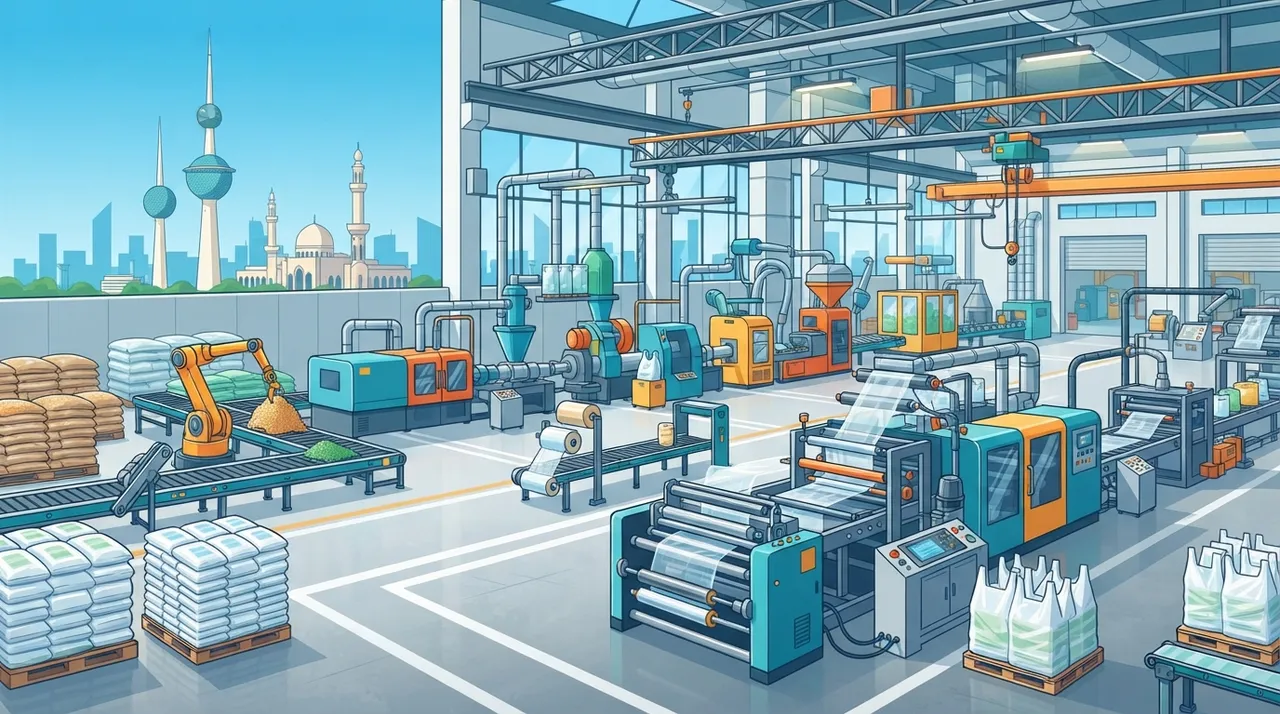
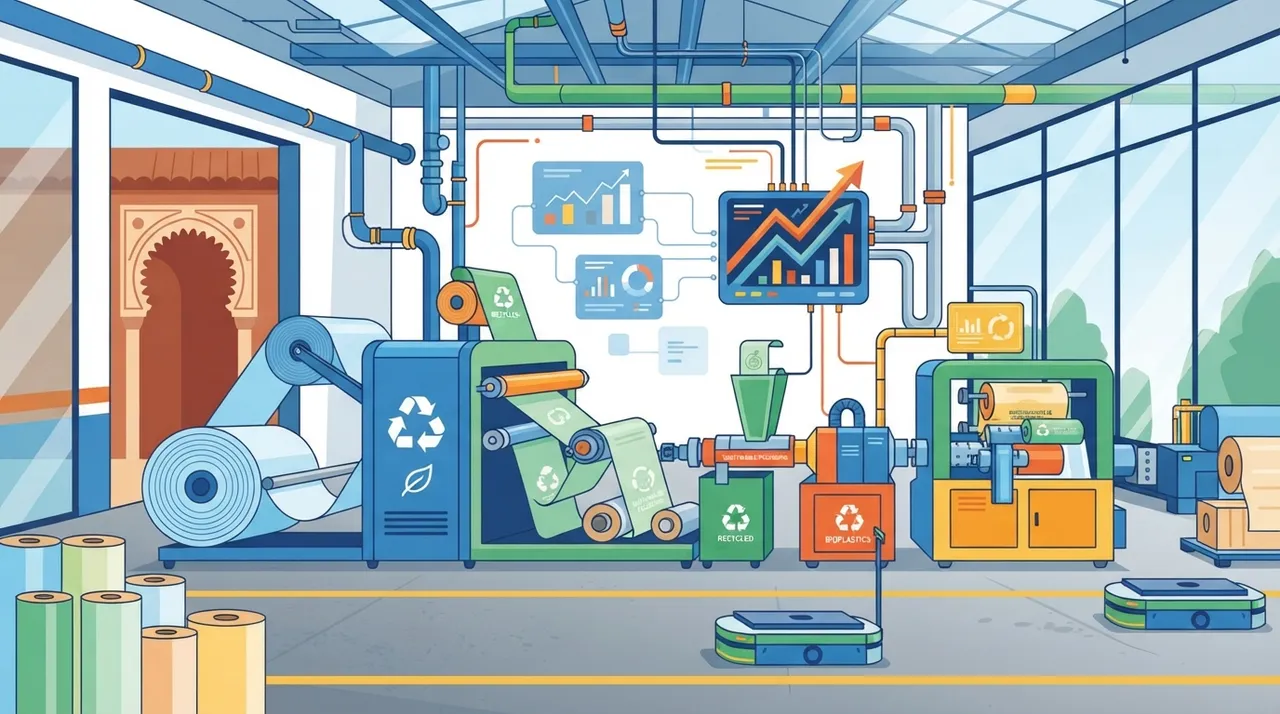
The project for a hard plastic waste recycling plant in Jordan aims to process high-density polyethylene (HDPE) and polypropylene (PP) to produce high-quality recycled plastic pellets. The opportunity lies in the increasing demand for recycled raw materials from local and international manufacturers, in addition to growing government support for circular economy projects. The business model relies on purchasing hard plastic waste from various sources (e.g., factories, commercial companies, municipalities), processing it through sorting, washing, drying, and pelletizing operations, and then selling the resulting pellets to plastic manufacturers for producing new products. Target customers are manufacturers of plastic products in various sectors such as packaging, pipes, and construction supplies.
Market and Demand Study
The Jordanian market is witnessing increasing environmental awareness and trends towards sustainability, which drives demand for recycled products. The continuous increase in plastic consumption and waste accumulation creates a fertile environment for such projects. Key demand drivers include rising prices for virgin plastic raw materials, government initiatives to encourage recycling, and companies' growing commitment to social and environmental responsibility. There are also opportunities for export to regional markets seeking sustainable alternatives to raw materials.
Market Sizing (TAM / SAM / SOM)
The market sizing methodology relies on analyzing the annual volume of hard plastic waste generated in Jordan and the recyclable proportion thereof. Local demand for recycled plastic pellets is estimated by studying the production volume of Jordan's plastic industries sector and its need for raw materials. The volume of virgin plastic raw material imports, a portion of which can be replaced by recycled products, is also considered. This data is collected from reports by the Ministry of Environment, Ministry of Industry and Trade, and specialized plastic industry associations.
| Level | Annual Volume | Description |
|---|---|---|
| TAM — Total Addressable Market | 120.0 مليون د.أ | Total serviceable demand |
| SAM — Serviceable Available Market | 40.0 مليون د.أ | Portion reachable by your model |
| SOM — Serviceable Obtainable Market | 12.0 مليون د.أ | Your realistic early share |
Sizing Basis: The total market size is estimated based on the volume of virgin plastic consumption and available plastic waste in Jordan, considering the local absorption capacity for recycled products.
Unit Economics
Measures the profitability of each unit sale/customer — the most accurate feasibility indicator:
| Unit Indicator | Value |
|---|---|
| Unit of Sale | طن من الحبيبات المعاد تدويرها |
| Avg. Price/Revenue per Unit | ٦٠٠ د.أ |
| Customer Acquisition Cost (CAC) | ٥٠ د.أ |
| Customer Lifetime Value (LTV) | ١٥٬٠٠٠ د.أ |
| LTV/CAC Ratio | ٣٠٠× (صحّي) |
| Contribution Margin | ٣٥٪ |
Competitive Analysis
There are a limited number of small and medium-sized plastic recycling plants in Jordan. The proposed project is distinguished by the high quality of the final product (recycled pellets), adherence to environmental and industrial standards, and the use of modern and efficient technology. The sustainable advantage lies in the ability to secure stable sources of raw materials at a competitive cost and build strong relationships with customers by providing a reliable product and after-sales service. The project can also obtain environmental certifications that enhance its competitiveness.
Market Entry and Pricing Strategy
The market entry plan includes building direct relationships with local plastic manufacturers through field visits and participation in industrial exhibitions. Emphasis will be placed on digital marketing through B2B platforms and showcasing product quality certifications. Marketing channels include direct sales, and potentially collaboration with agents or distributors in later stages. The product will be competitively priced compared to virgin plastic raw materials, highlighting the added value of sustainability and quality. Special offers can be provided for large customers or long-term contracts to ensure sales stability.
Capacity and Operations
Production capacity begins at 200 tons per month in the first year and gradually increases to 400 tons per month by the fifth year, with an occupancy rate ranging from 60% to 90%.
Daily operations involve receiving plastic waste, manual and mechanical sorting to remove impurities, washing and cleaning, and then drying. Afterwards, the plastic is shredded into small pieces and converted into pellets using pelletizing machines. A strict quality control system will be applied at every stage to ensure the product meets the required specifications. The resulting pellets are packaged and stored in suitable warehouses before being shipped to customers. Emphasis will be placed on energy and water efficiency to reduce operating costs.
The technical aspect includes selecting a strategic location for the plant near plastic waste sources and major transportation networks, preferably in an industrial zone. Integrated production lines for plastic processing will be imported, including sorting, washing, drying, shredding, and pelletizing equipment. Key equipment suppliers will be specialized international companies in this field, with a focus on operational efficiency and durability. Technical staff will be trained on the operation and maintenance of this equipment to ensure the highest levels of quality and productivity.
Projected Income Statement (5 Years)
| Item \ Year | Y1 | Y2 | Y3 | Y4 | Y5 |
|---|---|---|---|---|---|
| Revenue | ١٬٢٠٠٬٠٠٠ د.أ | ١٬٣٢٠٬٠٠٠ د.أ | ١٬٤٥٢٬٠٠٠ د.أ | ١٬٥٩٧٬٢٠٠ د.أ | ١٬٧٥٦٬٩٢٠ د.أ |
| Cost of Goods Sold | (٧٨٠٬٠٠٠ د.أ) | (٨٥٨٬٠٠٠ د.أ) | (٩٤٣٬٨٠٠ د.أ) | (١٬٠٣٨٬١٨٠ د.أ) | (١٬١٤١٬٩٩٨ د.أ) |
| Gross Profit | ٤٢٠٬٠٠٠ د.أ | ٤٦٢٬٠٠٠ د.أ | ٥٠٨٬٢٠٠ د.أ | ٥٥٩٬٠٢٠ د.أ | ٦١٤٬٩٢٢ د.أ |
| Operating Expenses | (٢٤٠٬٠٠٠ د.أ) | (٢٦٤٬٠٠٠ د.أ) | (٢٩٠٬٤٠٠ د.أ) | (٣١٩٬٤٤٠ د.أ) | (٣٥١٬٣٨٤ د.أ) |
| EBITDA | ١٨٠٬٠٠٠ د.أ | ١٩٨٬٠٠٠ د.أ | ٢١٧٬٨٠٠ د.أ | ٢٣٩٬٥٨٠ د.أ | ٢٦٣٬٥٣٨ د.أ |
| Tax | (١٬٥٠٠ د.أ) | (٤٬٢٠٠ د.أ) | (٧٬١٧٠ د.أ) | (١٠٬٤٣٧ د.أ) | (١٤٬٠٣١ د.أ) |
| Net Profit | ٨٬٥٠٠ د.أ | ٢٣٬٨٠٠ د.أ | ٤٠٬٦٣٠ د.أ | ٥٩٬١٤٣ د.أ | ٧٩٬٥٠٧ د.أ |
| Net Margin | ١٪ | ٢٪ | ٣٪ | ٤٪ | ٥٪ |
Investment Cost Structure
| Item | Cost | Percentage |
|---|---|---|
| Machinery and Equipment | ٣٨٢٬٥٠٠ د.أ | ٤٥٪ |
| Building Preparation and Infrastructure | ١٧٠٬٠٠٠ د.أ | ٢٠٪ |
| Initial Working Capital | ١٢٧٬٥٠٠ د.أ | ١٥٪ |
| Licenses and Study Fees | ٤٢٬٥٠٠ د.أ | ٥٪ |
| Transportation and Installation | ٨٥٬٠٠٠ د.أ | ١٠٪ |
| Contingency and Unforeseen Expenses | ٤٢٬٥٠٠ د.أ | ٥٪ |
Cash Flow and Break-even Point
| Year | Operating Cash Flow | Cumulative Cash Flow |
|---|---|---|
| Year 1 | ١٧٨٬٥٠٠ د.أ | -٦٧١٬٥٠٠ د.أ |
| Year 2 | ١٩٣٬٨٠٠ د.أ | -٤٧٧٬٧٠٠ د.أ |
| Year 3 | ٢١٠٬٦٣٠ د.أ | -٢٦٧٬٠٧٠ د.أ |
| Year 4 | ٢٢٩٬١٤٣ د.أ | -٣٧٬٩٢٧ د.أ |
| Year 5 | ٢٤٩٬٥٠٧ د.أ | ٢١١٬٥٨٠ د.أ |
Estimated break-even point at annual revenue ≈ ١٬١٧١٬٤٢٩ د.أ (~٩٨٪ of first-year revenue), with a contribution margin of 35%. Cumulative cash break-even in Year 5.
Funding Structure
| Funding Source | Percentage | Amount |
|---|---|---|
| Equity | ٦٠٪ | ٥١٠٬٠٠٠ د.أ |
| Debt Financing (7% interest) | ٤٠٪ | ٣٤٠٬٠٠٠ د.أ |
Sensitivity Analysis (Revenue × Operating Costs)
Impact of changes in revenue and costs together on Net Present Value:
| Revenue \ Operating Costs | −10٪ | −5٪ | Base | +5٪ | +10٪ |
|---|---|---|---|---|---|
| −20٪ | ١٢٠٬٦٨٦ د.أ | -٥٥٬٠٦٧ د.أ | -٢٣٥٬٦٨٩ د.أ | -٤٣٦٬٤٦٤ د.أ | -٦٤٣٬٢٣٢ د.أ |
| −10٪ | ٢٣٠٬٥٣٢ د.أ | ٣٢٬٨١٠ د.أ | -١٦٥٬٩٨٤ د.أ | -٣٨٤٬٧٧٢ د.أ | -٦١٧٬٣٨٦ د.أ |
| Base | ٣٤٠٬٣٧٧ د.أ | ١٢٠٬٦٨٦ د.أ | -٩٩٬٠٠٥ د.أ | -٣٣٣٬٥٦٤ د.أ | -٥٩١٬٥٤٠ د.أ |
| +10٪ | ٤٥٠٬٢٢٣ د.أ | ٢٠٨٬٥٦٣ د.أ | -٣٣٬٠٩٨ د.أ | -٢٨٣٬٩١٠ د.أ | -٥٦٥٬٦٩٤ د.أ |
| +20٪ | ٥٦٠٬٠٦٨ د.أ | ٢٩٦٬٤٣٩ د.أ | ٣٢٬٨١٠ د.أ | -٢٣٥٬٦٨٩ د.أ | -٥٣٩٬٨٤٨ د.أ |
Scenario Analysis
| Scenario | Probability | NPV | Assessment |
|---|---|---|---|
| Pessimistic | ٢٥٪ | -٣١٣٬٤٨٦ د.أ | Not Feasible |
| Base | ٥٠٪ | -٩٩٬٠٠٥ د.أ | Not Feasible |
| Optimistic | ٢٥٪ | ١٣٨٬٢٦٢ د.أ | Feasible |
Expected Present Value (Weighted): -٩٣٬٣٠٨ د.أ.
Risk Analysis and Management
| Risk | Probability | Impact | Mitigation |
|---|---|---|---|
| Volatility of raw material prices (plastic waste) | Medium | High | Long-term contracts with suppliers, diversification of raw material sources, and storing sufficient quantities. |
| Volatility of recycled pellet selling prices | Medium | Medium | Building strong customer relationships, focusing on quality for product differentiation, and exploring export markets. |
| Competition from existing or new factories | Medium | Medium | Innovation in production processes, focus on product quality, and building a strong brand. |
| Operational and technical challenges (equipment breakdowns, quality issues) | Low | High | Regular equipment maintenance, training technical staff, and implementing strict quality control systems. |
| Changes in government policies or environmental regulations | Low | Medium | Continuous monitoring of legislative developments and participation in dialogues with government bodies. |
Organizational Structure and Team
The organizational structure consists of a General Manager, a Production Manager, a Sales and Marketing Manager, and a Financial and Administrative Manager. The staff comprises specialized mechanical and chemical engineers, operation and maintenance technicians, and production workers. Emphasis will be placed on attracting Jordanian competencies and training them in the latest recycling technologies. Experience in the plastic industries and project management will be highly valued.
Legal and Regulatory Aspects
The project requires obtaining numerous licenses and approvals from Jordanian government authorities, including a professional practice license from the Ministry of Industry and Trade, environmental approvals from the Ministry of Environment, a license from the relevant Municipality or Greater Amman Municipality, in addition to civil defense licenses. The project must comply with applicable health and occupational safety standards and regulations in Jordan. A specialized legal consultant can be engaged to ensure compliance with all requirements.
Expansion and Sustainability Plan
Future expansion plans include increasing the plant's production capacity by adding new production lines, diversifying the types of plastic recycled to include other types (such as PET), and expanding into regional export markets. Vertical integration can also be considered by manufacturing some final products from recycled pellets. Sustainability relies on the ability to innovate in recycling processes, seek new markets for products, and continuously improve operational efficiency.
Environmental, Social, and Governance (ESG) Impact
The project is exceptionally environmentally friendly, contributing to reducing the volume of plastic waste in landfills, thereby reducing environmental pollution and the consumption of natural resources. It also contributes to reducing carbon emissions associated with virgin plastic production. Socially, the project provides job opportunities and contributes to local economic development. Best governance practices will be applied to ensure transparency and accountability in all aspects of operations.
Conclusions and Recommendations
The hard plastic waste recycling plant project in Jordan represents a promising investment opportunity, given the increasing demand for recycled materials and government support for the circular economy sector. The project is economically, environmentally, and socially feasible, and has good growth potential. Based on preliminary analyses, the recommendation is to proceed with the project, with additional detailed market, technical, and financial studies.
Frequently Asked Questions
How much does it cost to set up a plastic recycling plant in Jordan?
The estimated cost for setting up a medium-sized plastic recycling plant in Jordan is approximately 850,000 Jordanian Dinars.
Is a plastic recycling project profitable in Jordan?
Yes, the project has expected economic feasibility, with anticipated annual revenues of approximately 1,200,000 Jordanian Dinars in the first year, with a contribution margin of 35%.
What licenses are required for a plastic recycling plant in Jordan?
The project requires licenses from the Ministry of Industry and Trade, the Ministry of Environment, the relevant Municipality/Greater Amman Municipality, in addition to civil defense licenses.
What types of plastic can be recycled in Jordan?
This project focuses on High-Density Polyethylene (HDPE) and Polypropylene (PP), which are among the most common types of hard plastic.
What is the size of the plastic recycling market in Jordan?
The realistic target market is estimated at approximately 12,000,000 Jordanian Dinars annually, with growth potential.
Sources and Disclaimer
- Jordanian Ministry of Environment reports (plastic waste volume estimates)
- Jordan Department of Statistics data (plastic industries data)
- Market studies for the plastic recycling sector in the Middle East
- Interviews with experts in plastic industries and recycling in Jordan
- Current market prices for plastic raw materials and recycled pellets
Disclaimer: This is a guiding study that provides financial analysis according to approved industry standards; verify figures locally according to your project's reality before making any investment decision.