Executive Summary
The Plastic Bag Factory project in the industrial and manufacturing sector in Jordan targets a promising market opportunity. With an investment of ١٢٠٬٠٠٠ JOD, it achieves a Net Present Value (NPV) of -٢٤٬٦٠٢ JOD, an Internal Rate of Return (IRR) of ٢٪, and a payback period of 4.7 years.
| Indicator | Value |
|---|---|
| Initial Investment | ١٢٠٬٠٠٠ JOD |
| First Year Revenue | ١٥٠٬٠٠٠ JOD |
| Annual Growth (CAGR) | ٧٪ |
| Net Margin (Y1) | -١٪ |
| Return on Investment (Avg) | ١٪ annually |
| Net Present Value (NPV) | -٢٤٬٦٠٢ JOD |
| Internal Rate of Return (IRR) | ٢٪ |
| Profitability Index (PI) | ١ |
| Payback Period | ٥ years |
| Break-even Year | Year ٥ |
| Expected NPV (Probability-Weighted) | -٢٤٬٧٥٣ JOD |
Assumptions and Basis
The figures in this study are based on project data, the nature of the industrial and manufacturing sector in Jordan, and local market indicators, according to the following assumptions:
| Assumption | Value |
|---|---|
| Initial Capital | ١٢٠٬٠٠٠ JOD |
| First Year Revenue | ١٥٠٬٠٠٠ JOD |
| Annual Growth | ٧٪ |
| Cost of Goods Sold (COGS) | ٧٠٪ of Revenue |
| Operating Expenses | ١٥٪ of Revenue |
| Tax/Zakat | ٢٠٪ |
| Discount Rate (WACC) | ١٠٪ |
| Study Horizon | ٥ years |
Basis of Assumptions: Realistic estimates based on average costs for establishing small and medium-sized factories, and the profitability and growth of the industrial sector in Jordan.
Project Description and Opportunity
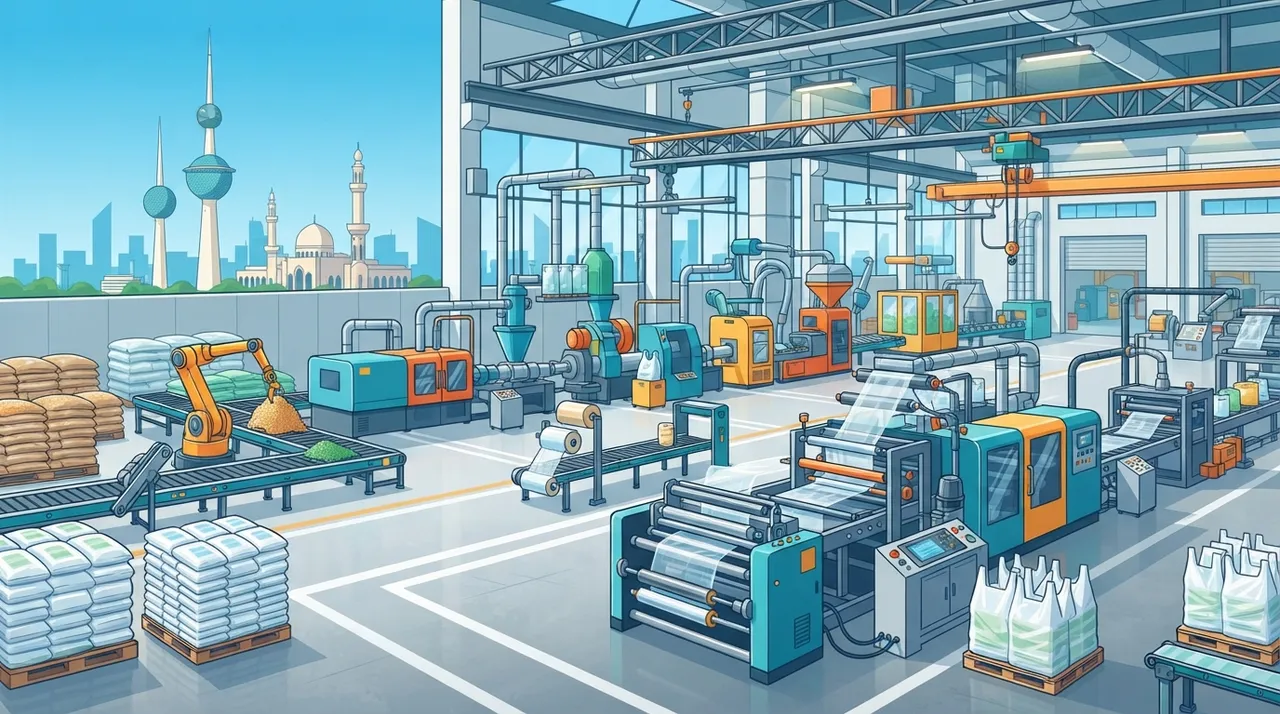
The plastic bag factory project aims to produce and distribute a variety of high-quality plastic bags to meet the growing needs of the Jordanian market. The business model includes production using modern and efficient machinery, with a focus on providing customized products (sizes, thicknesses, printing) to customers. The factory targets various sectors such as retail stores (supermarkets, clothing stores), food factories, packaging companies, and service institutions. The project contributes to supporting national industry and creating job opportunities, while considering environmental trends by focusing on biodegradable bags in the future.
Market and Demand Study
The Jordanian market experiences continuous demand for plastic bags across various commercial, industrial, and consumer sectors. The Jordan Chamber of Industry confirms the strong growth of the industrial sector, with manufacturing industries recording a 6.2% growth in the second quarter of 2026, reflecting its pivotal role as an economic driver. This growth is driven by high local demand and expanding industrial exports. Despite a trend towards biodegradable bags, demand for traditional plastic bags remains significant, especially with factories producing them in large quantities.
Market Sizing (TAM / SAM / SOM)
Market sizing is based on an analysis of annual exports of plastic products from Jordan, which amounted to approximately 250 million Jordanian Dinars (353 million USD) annually in recent years. Based on this, the Serviceable Available Market (SAM) is estimated at 30% of the Total Addressable Market (TAM) to represent the market segment that the factory can efficiently target. The Serviceable Obtainable Market (SOM) is estimated at 20% of the SAM, taking into account the initial production capacity of the factory and existing competition. These estimates are based on available data regarding the overall growth of the industrial sector and the plastics and rubber industries sector in Jordan specifically.
| Level | Annual Size | Description |
|---|---|---|
| TAM — Total Market | 250.0 million JOD | Total serviceable demand |
| SAM — Available Market | 75.0 million JOD | The portion your model reaches |
| SOM — Realistic Target | 15.0 million JOD | Your realistic early share |
Sizing Basis: Annual volume of plastic product exports from Jordan, taking into account high local demand and continuous growth of the industrial sector.
Unit Economics
Measures the profitability of each sales unit/customer — the most accurate feasibility indicator:
| Unit Indicator | Value |
|---|---|
| Sales Unit | Ton of plastic bags |
| Average Price/Revenue per Unit | ١٬٣٠٠ JOD |
| Customer Acquisition Cost (CAC) | ٥٠ JOD |
| Customer Lifetime Value (LTV) | ١٬٠٠٠ JOD |
| LTV/CAC Ratio | ٢٠× (healthy) |
| Contribution Margin | ٢٠٪ |
Competitive Analysis
Jordan has a large number of plastic factories, approximately 650, indicating a highly competitive environment. Major companies in the Jordanian market include Al Mustaqbal Group for Plastic and Paper Industries, which is one of the most prominent factories due to the quality and diversity of its products. The proposed factory's sustainable competitive advantage will rely on offering high-quality products at competitive prices, with a focus on customization to meet specific customer needs. Additionally, differentiation can be achieved through quick response to orders, product development to include biodegradable bags, and building strong customer relationships.
Market Entry and Pricing Strategy
The market entry plan primarily targets wholesalers, distributors, supermarkets, and large retail stores. Direct marketing channels will be utilized through a specialized sales team to visit potential customers and offer competitive proposals. Emphasis will also be placed on building a good reputation through quality and adherence to deadlines. Limited digital marketing can be used initially to reach businesses and institutions. The pricing strategy relies on offering competitive prices while maintaining reasonable profit margins, with the possibility of providing discounts for large quantities and long-term contracts.
Capacity and Operations
First phase: Production capacity of approximately 10-15 tons per month, with a plan for gradual expansion to reach 30-40 tons per month within 3-5 years. Occupancy starts at 60% in the first year and increases gradually.
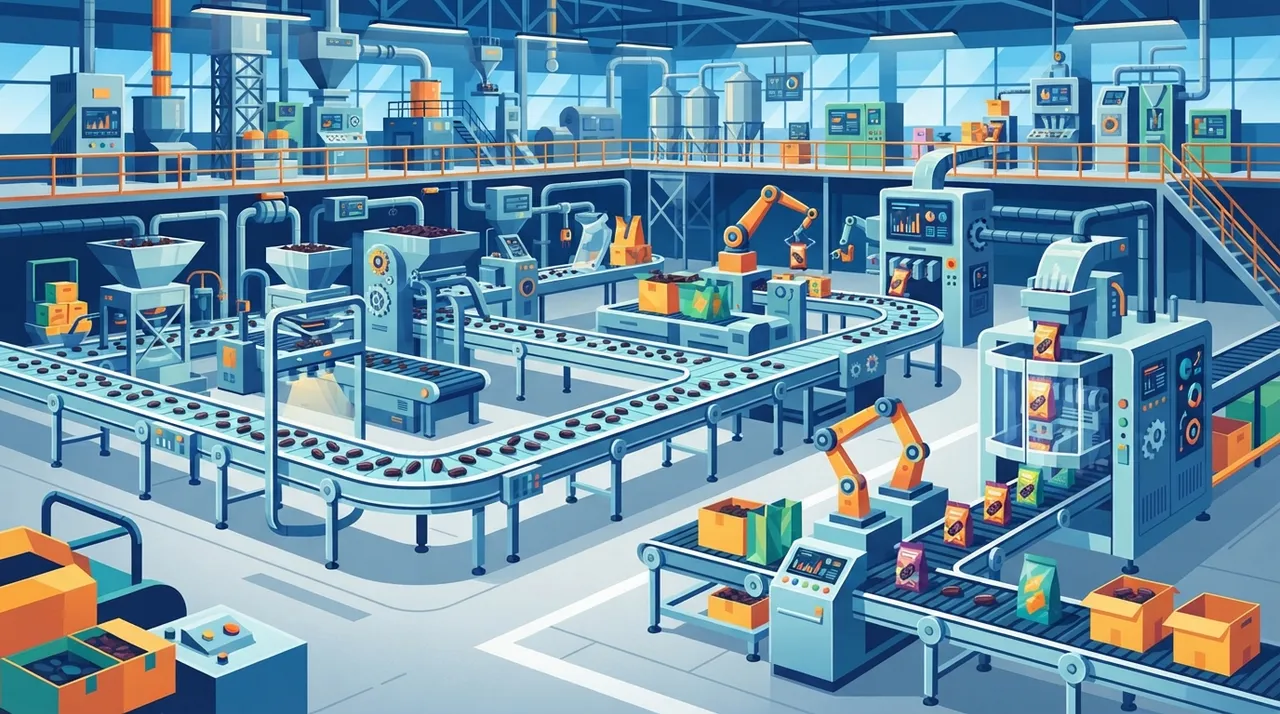
Daily operations of the factory include raw material reception, extrusion and forming processes, cutting and sealing, printing (if any), inspection and packaging, and finally storage and shipping. A strict quality control system must be in place at every stage of production to ensure products meet required specifications. Daily operations also require regular machine maintenance to ensure continuous production and minimize breakdowns. A digital tracking system can be implemented for each batch to monitor quality and address any feedback quickly.
The factory requires adequate space of at least 60 to 100 square meters to accommodate production lines, with provision for three-phase electrical current and good ventilation. Essential equipment includes plastic bag manufacturing machines (such as flat bag machines) and sealing and packaging equipment. Raw materials primarily depend on polyethylene granules (HDPE and LDPE), which can be sourced from local suppliers or imported. It is advisable to choose a location in an industrial area for easy access to raw materials and available infrastructure.
Projected Income Statement (٥ Years)
| Item \ Year | Y1 | Y2 | Y3 | Y4 | Y5 |
|---|---|---|---|---|---|
| Revenues | ١٥٠٬٠٠٠ JOD | ١٦٠٬٥٠٠ JOD | ١٧١٬٧٣٥ JOD | ١٨٣٬٧٥٦ JOD | ١٩٦٬٦١٩ JOD |
| Cost of Goods Sold | (١٠٥٬٠٠٠ JOD) | (١١٢٬٣٥٠ JOD) | (١٢٠٬٢١٤ JOD) | (١٢٨٬٦٣٠ JOD) | (١٣٧٬٦٣٤ JOD) |
| Gross Profit | ٤٥٬٠٠٠ JOD | ٤٨٬١٥٠ JOD | ٥١٬٥٢١ JOD | ٥٥٬١٢٧ JOD | ٥٨٬٩٨٦ JOD |
| Operating Expenses | (٢٢٬٥٠٠ JOD) | (٢٤٬٠٧٥ JOD) | (٢٥٬٧٦٠ JOD) | (٢٧٬٥٦٣ JOD) | (٢٩٬٤٩٣ JOD) |
| EBITDA | ٢٢٬٥٠٠ JOD | ٢٤٬٠٧٥ JOD | ٢٥٬٧٦٠ JOD | ٢٧٬٥٦٣ JOD | ٢٩٬٤٩٣ JOD |
| Tax | (٠ JOD) | (١٥ JOD) | (٣٥٢ JOD) | (٧١٣ JOD) | (١٬٠٩٩ JOD) |
| Net Profit | -١٬٥٠٠ JOD | ٦٠ JOD | ١٬٤٠٨ JOD | ٢٬٨٥١ JOD | ٤٬٣٩٤ JOD |
| Net Margin | -١٪ | ٠٪ | ١٪ | ٢٪ | ٢٪ |
Investment Cost Structure
| Item | Cost | Percentage |
|---|---|---|
| Machinery and Equipment | ٥٤٬٠٠٠ JOD | ٤٥٪ |
| Initial Raw Materials | ٣٠٬٠٠٠ JOD | ٢٥٪ |
| Site Rental and Preparation | ١٢٬٠٠٠ JOD | ١٠٪ |
| Salaries and Wages | ١٢٬٠٠٠ JOD | ١٠٪ |
| Working Capital and Initial Operating Expenses | ١٢٬٠٠٠ JOD | ١٠٪ |
Cash Flow and Break-even Point
| Year | Operating Cash Flow | Cumulative Cash Flow |
|---|---|---|
| Year ١ | ٢٢٬٥٠٠ JOD | -٩٧٬٥٠٠ JOD |
| Year ٢ | ٢٤٬٠٦٠ JOD | -٧٣٬٤٤٠ JOD |
| Year ٣ | ٢٥٬٤٠٨ JOD | -٤٨٬٠٣٢ JOD |
| Year ٤ | ٢٦٬٨٥١ JOD | -٢١٬١٨١ JOD |
| Year ٥ | ٢٨٬٣٩٤ JOD | ٧٬٢١٣ JOD |
Estimated break-even point at an annual revenue of ≈ ١٥٥٬٠٠٠ JOD (~١٠٣٪ of first-year revenue), with a 30% contribution margin. Cumulative cash break-even in Year ٥.
Funding Structure
| Funding Source | Percentage | Amount |
|---|---|---|
| Equity | ٧٠٪ | ٨٤٬٠٠٠ JOD |
| Debt Financing (٧٪ interest) | ٣٠٪ | ٣٦٬٠٠٠ JOD |
Sensitivity Analysis (Revenue × Operations)
Impact of simultaneous changes in revenue and costs on Net Present Value:
| Revenue \ Operations | −10٪ | −5٪ | Base | +5٪ | +10٪ |
|---|---|---|---|---|---|
| −20٪ | ١٬٤٩٦ JOD | -١٩٬١٦٤ JOD | -٤٢٬٥٢٥ JOD | -٦٨٬٣٥٠ JOD | -٩٤٬١٧٥ JOD |
| −10٪ | ١٤٬٤٠٩ JOD | -٨٬٨٣٤ JOD | -٣٣٬٢٦٦ JOD | -٦١٬٨٩٣ JOD | -٩٠٬٩٤٧ JOD |
| Base | ٢٧٬٣٢١ JOD | ١٬٤٩٦ JOD | -٢٤٬٦٠٢ JOD | -٥٥٬٤٣٧ JOD | -٨٧٬٧١٩ JOD |
| +10٪ | ٤٠٬٢٣٤ JOD | ١١٬٨٢٦ JOD | -١٦٬٥٨١ JOD | -٤٨٬٩٨١ JOD | -٨٤٬٤٩٠ JOD |
| +20٪ | ٥٣٬١٤٧ JOD | ٢٢٬١٥٦ JOD | -٨٬٨٣٤ JOD | -٤٢٬٥٢٥ JOD | -٨١٬٢٦٢ JOD |
Scenario Analysis
| Scenario | Probability | NPV | Assessment |
|---|---|---|---|
| Pessimistic | ٢٥٪ | -٥٠٬٢٧٢ JOD | Not feasible |
| Base | ٥٠٪ | -٢٤٬٦٠٢ JOD | Not feasible |
| Optimistic | ٢٥٪ | ٤٦٣ JOD | Feasible |
Expected Present Value (Weighted): -٢٤٬٧٥٣ JOD.
Risk Analysis and Management
| Risk | Probability | Impact | Mitigation |
|---|---|---|---|
| Volatility of raw material prices (polyethylene) | High | High | Signing long-term supply agreements with suppliers, seeking alternative suppliers, and storing sufficient quantities of raw materials. |
| Intense competition in the local market | High | Medium | Focusing on high quality, specializing in certain types of bags, building strong customer relationships, and offering competitive prices. |
| Legislative changes related to plastic bags | Medium | High | Monitoring legislative updates and preparing to shift towards producing biodegradable bags or environmentally friendly alternatives. |
| Rising energy costs | High | High | Investing in energy-efficient equipment and exploring alternative energy solutions such as solar panels (if the geographical area is suitable). |
| Difficulty in acquiring new customers | Medium | Medium | Developing a strong marketing and sales plan, participating in industrial exhibitions, and offering competitive deals for large quantities. |
Organizational Structure and Team
The proposed organizational structure consists of a General Manager, a Production Supervisor, operation and maintenance technicians, production workers, a sales and marketing officer, and a management accountant. The General Manager should have experience in the manufacturing sector. The success of the project largely depends on the efficiency of the work team, so continuous training should be provided to employees on the latest production technologies and quality standards.
Legal and Regulatory Aspects
The project requires obtaining several licenses, including a commercial register, tax card, industrial activity license from the Ministry of Industry and Trade, and an environmental certificate from the relevant authorities. Compliance with regulations and laws related to the import, production, and circulation of plastic shopping bags is essential, including the trend towards biodegradable bags. The corporate tax rate in Jordan is 20% for the general industrial sector.
Expansion and Sustainability Plan
The project can be expanded by adding new production lines to increase production capacity, or by diversifying products to include different types of bags (e.g., waste bags, specialized packaging bags). Geographical expansion can also be pursued by targeting neighboring regional markets such as Saudi Arabia, Iraq, and Palestine. Emphasis should be placed on sustainability through continuous research into environmentally friendly raw materials and the development of biodegradable products, in line with global and local trends to reduce plastic pollution.
Environmental, Social, and Governance (ESG) Impact
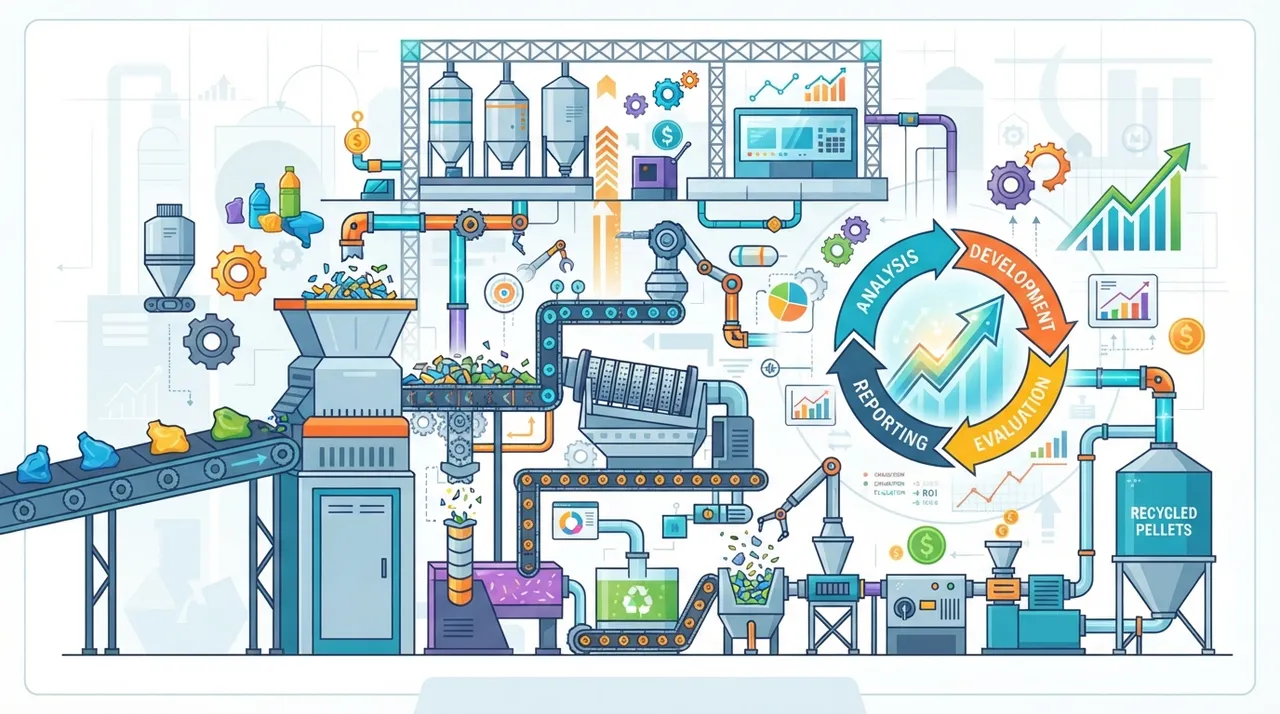
To reduce environmental impact, the factory must adhere to Jordanian environmental standards and seek to use biodegradable or recycled raw materials. Investment in plastic waste recycling technologies resulting from the production process can also reduce waste. Socially, the project contributes to providing employment opportunities for the local community. Governance requires transparency in operations and adherence to regulations and laws, in addition to social responsibility towards the environment and society.
Conclusions and Recommendations
The plastic bag factory project in Jordan is a viable and promising investment opportunity, given the continuous demand for these products and the positive growth of the industrial sector. With an initial capital of approximately 120,000 Jordanian Dinars, the project can achieve good returns with proper planning and a focus on quality and effective marketing. The recommendation is to proceed with the project, with an emphasis on a detailed feasibility study for sustainable raw materials and meeting changing market requirements, including biodegradable bags.
Frequently Asked Questions
How much does it cost to set up a plastic bag factory in Jordan?
The estimated cost for setting up a small plastic bag factory in Jordan starts from approximately 120,000 Jordanian Dinars, and may increase depending on the factory size and equipment quality.
Is a plastic bag factory project profitable in Jordan?
Yes, a plastic bag factory project is considered profitable in Jordan due to continuous demand from various sectors, and can achieve a net profit ranging from 25% to 45%.
What licenses are required to open a plastic bag factory in Jordan?
Essential licenses include a commercial register, tax card, industrial activity license from the Ministry of Industry and Trade, and an environmental certificate.
What are the target categories for a plastic bag factory?
Target categories include commercial store owners (supermarkets, clothing stores), food factories, packaging companies, and logistics shipping companies.
What are the main challenges facing plastic factories in Jordan?
Challenges include high energy and input costs, intense competition, and trends towards banning non-biodegradable plastic bags.
Sources and Disclaimer
- Jordan Chamber of Industry
- Specialized economic reports on the Jordanian market
- Specialized feasibility study websites
- Plastic bag companies and factories in Jordan
- Government institutions supporting small and medium-sized enterprises
Disclaimer: This is a guiding study that provides a financial analysis according to approved industry standards; verify the figures locally according to your project's reality before any investment decision.