Executive Summary
The project, an E-waste recycling plant in Egypt to produce industrial raw materials, focusing on extracting precious metals and high-quality plastics from spent devices in the industrial and manufacturing sector in Egypt, targets a promising market opportunity. With an investment of ٢٥٬٠٠٠٬٠٠٠ EGP, it achieves a Net Present Value (NPV) of -١٤٬١٢٦٬٤٤٩ EGP, an Internal Rate of Return (IRR) of -٩٪, and a payback period of — years.
| Indicator | Value |
|---|---|
| Initial Investment | ٢٥٬٠٠٠٬٠٠٠ EGP |
| Year 1 Revenue | ١٨٬٠٠٠٬٠٠٠ EGP |
| Annual Growth (CAGR) | ١٥٪ |
| Net Margin (Y1) | -١٣٪ |
| Return on Investment (Avg.) | -٥٪ annually |
| Net Present Value (NPV) | -١٤٬١٢٦٬٤٤٩ EGP |
| Internal Rate of Return (IRR) | -٩٪ |
| Profitability Index (PI) | ٠ |
| Payback Period | — |
| Breakeven Year | — |
| Expected NPV (Probability-Weighted) | -١٣٬٩٨٤٬٥٨٩ EGP |
Assumptions and Basis
The figures in this study are based on project data, the nature of Egypt's industrial and manufacturing sector, and local market indicators, according to the following assumptions:
| Assumption | Value |
|---|---|
| Initial Capital | ٢٥٬٠٠٠٬٠٠٠ EGP |
| Year 1 Revenue | ١٨٬٠٠٠٬٠٠٠ EGP |
| Annual Growth | ١٥٪ |
| Cost of Goods Sold (COGS) | ٥٥٪ of Revenue |
| Operating Expenses | ٣٠٪ of Revenue |
| Tax/Zakat | ٢٣٪ |
| Discount Rate (WACC) | ١٨٪ |
| Study Horizon | ٥ years |
Basis of Assumptions: Averages for the recycling and metals sector in Egypt, considering advanced extraction technology and increasing demand for extracted raw materials.
Project Description and Opportunity
The project is a specialized plant for recycling electronic waste (e-waste) in Egypt, aiming to extract precious metals such as gold, silver, and copper, in addition to high-quality plastics and other base metals. The opportunity lies in the rapid growth of e-waste generation in Egypt and the lack of specialized infrastructure for its treatment, providing a rich source of industrial raw materials. The business model relies on purchasing e-waste from collectors, telecommunications companies, and electronics manufacturers, then processing it using advanced technologies to produce high-value raw materials that are sold to local and international factories. The target customer is factories that use metals and plastics as raw materials in their production processes, such as electronics, cable, plastic, and jewelry manufacturers.
Market and Demand Study
The Egyptian market is witnessing a significant increase in the volume of e-waste generated annually, driven by increased consumption of electronic devices and their continuous upgrading. Egypt is one of the largest electronics consumption markets in the region. Demand for raw materials extracted from e-waste is increasing locally and globally, especially with industries shifting towards sustainability and reducing reliance on virgin resources. Key drivers for this demand include increasing environmental regulations, rising global metal prices, and companies moving towards more sustainable supply chains. Studies predict that the volume of e-waste in Egypt will increase by 10-15% annually in the coming years.
Market Sizing (TAM / SAM / SOM)
The market sizing methodology relies on estimating the annual volume of e-waste generated in Egypt based on electronic device consumption data and disposal rates. The market value of extracted raw materials is estimated based on the average prices of precious metals and recycled plastics in the local and global markets, considering the expected extraction efficiency. The market is divided into a Total Addressable Market (TAM) representing the total potential economic value of all e-waste, a Serviceable Available Market (SAM) representing the portion the project can reach given operational and technical capabilities, and a Serviceable Obtainable Market (SOM) representing the realistic share that can be achieved in the initial years.
| Level | Annual Size | Description |
|---|---|---|
| TAM — Total Market | 2500.0 million EGP | Total serviceable demand |
| SAM — Available Market | 750.0 million EGP | Portion reachable by your model |
| SOM — Realistic Target | 200.0 million EGP | Your realistic early share |
Basis of Sizing: Estimates of the annual volume of e-waste generated in Egypt and its potential market value for extracted raw materials, considering the plant's initial operational capacity.
Unit Economics
Measures the profitability of each sales unit/customer — the most accurate feasibility indicator:
| Unit Indicator | Value |
|---|---|
| Sales Unit | Ton of processed waste |
| Avg. Price/Revenue per Unit | ١٠٬٠٠٠ EGP |
| Customer Acquisition Cost (CAC) | — |
| Customer Lifetime Value (LTV) | — |
| LTV/CAC Ratio | — |
| Contribution Margin | ٣٥٪ |
Competitive Analysis
Competition in the e-waste recycling sector in Egypt is relatively limited, with few specialized companies and some small workshops. The project's sustainable advantage lies in using advanced extraction technologies that ensure higher efficiency in recovering precious metals and high-quality plastics, resulting in products with higher purity and market value. Additionally, the project will focus on building strong relationships with e-waste suppliers to ensure continuity of supply, and providing integrated waste management solutions for large companies and institutions. Adherence to international environmental standards will enhance competitive advantage and facilitate access to export markets.
Market Entry and Pricing Strategy
The market entry strategy relies on building strategic partnerships with major e-waste suppliers such as telecommunications companies, electronics collection companies, and electronics manufacturers. Extracted products will be marketed through direct channels with beneficiary factories and participation in specialized industrial and trade exhibitions. Products will be priced based on global market prices for metals and plastics, offering added value in terms of material quality and purity. The strategy will also focus on digital marketing and raising awareness about the importance of recycling and the project's role in the circular economy.
Capacity and Operations
Processing 1500-2000 tons of e-waste annually in the first phase, with a gradual utilization rate starting at 60% in the first year and reaching 90% in the third year.
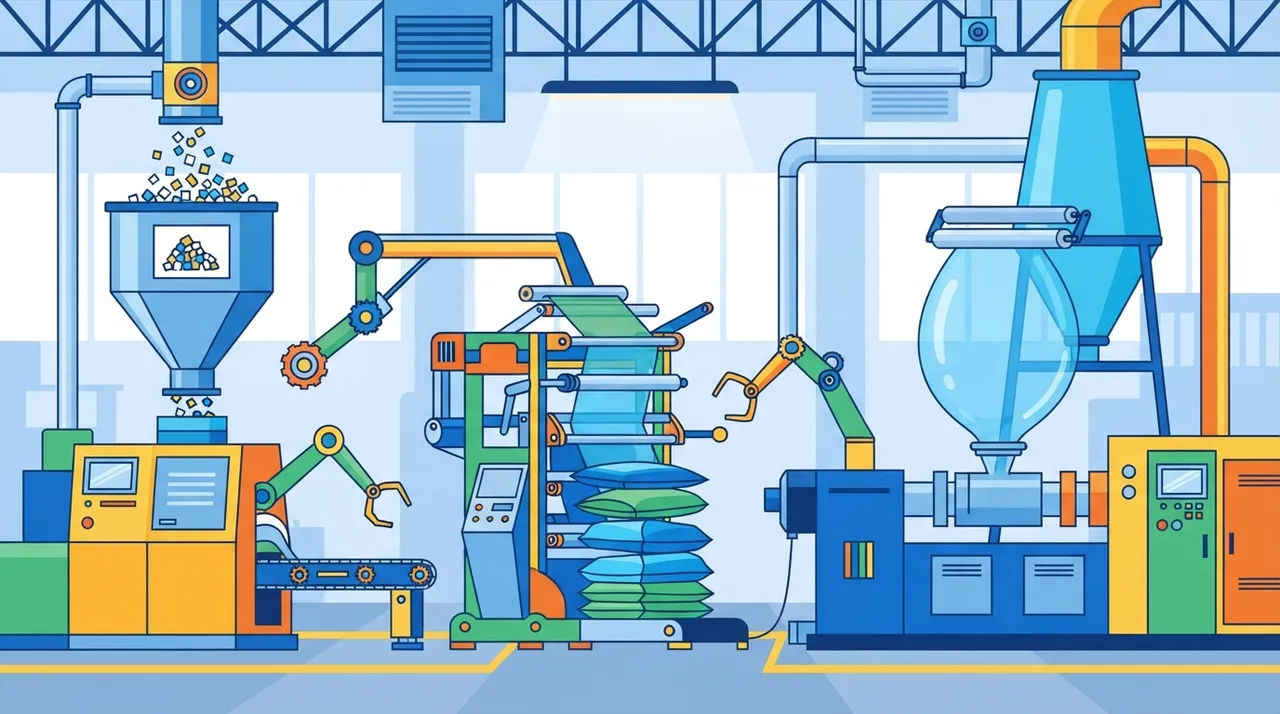
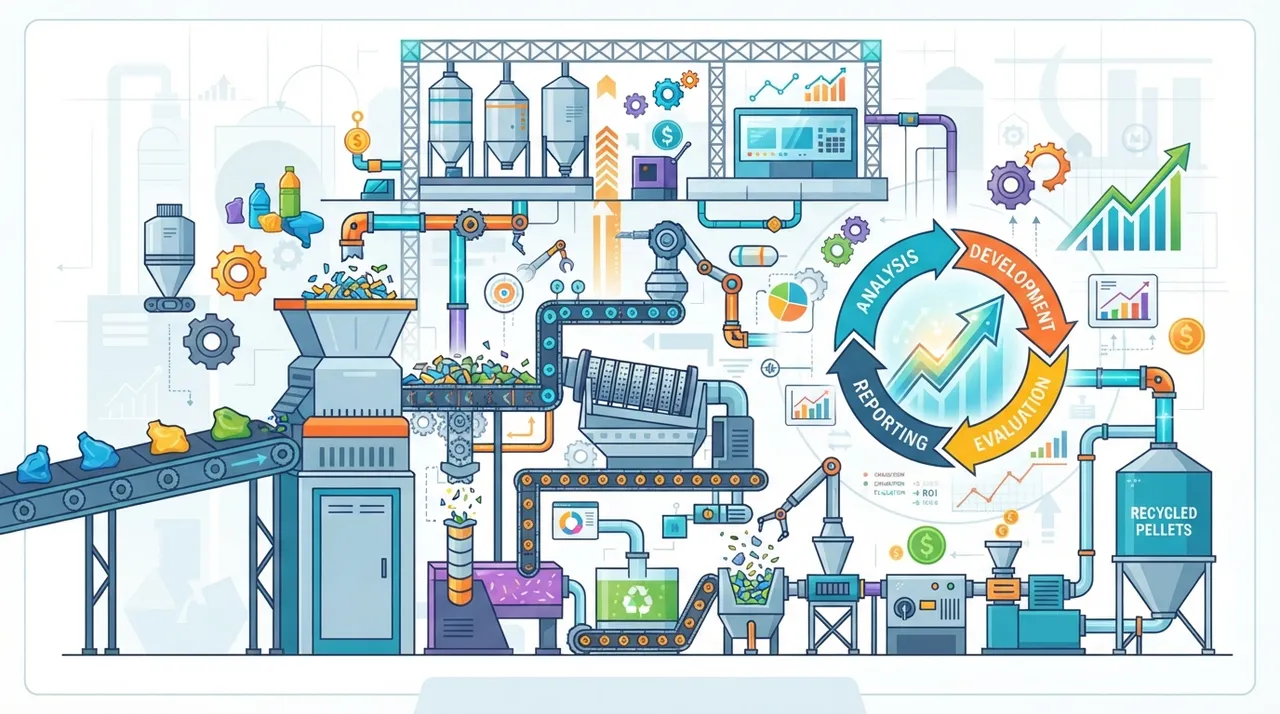
Daily operations of the plant include receiving e-waste, manual and mechanical sorting, and then dismantling it into its various components. This is followed by specialized extraction processes for each type of material (precious metals, plastics, base metals). A strict quality control system will be applied to ensure the purity of extracted materials and their conformity to industrial specifications. Emphasis will also be placed on regular equipment maintenance and continuous employee training to ensure efficiency and safety of operations.
The project requires an industrial site with sufficient area to accommodate sorting and dismantling units, chemical and mechanical extraction units, and storage areas for waste and final products. Advanced production lines for e-waste processing will be imported, including safe smelting furnaces and chemical and mechanical separation units. Key suppliers will be global companies specialized in providing recycling equipment, in addition to suppliers of chemicals necessary for extraction processes. The site must comply with strict environmental and health standards to ensure the safety of workers and the surrounding environment.
Projected Income Statement (5 Years)
| Item \ Year | Y1 | Y2 | Y3 | Y4 | Y5 |
|---|---|---|---|---|---|
| Revenue | ١٨٬٠٠٠٬٠٠٠ EGP | ٢٠٬٧٠٠٬٠٠٠ EGP | ٢٣٬٨٠٥٬٠٠٠ EGP | ٢٧٬٣٧٥٬٧٥٠ EGP | ٣١٬٤٨٢٬١١٢ EGP |
| Cost of Sales | (٩٬٩٠٠٬٠٠٠ EGP) | (١١٬٣٨٥٬٠٠٠ EGP) | (١٣٬٠٩٢٬٧٥٠ EGP) | (١٥٬٠٥٦٬٦٦٣ EGP) | (١٧٬٣١٥٬١٦٢ EGP) |
| Gross Profit | ٨٬١٠٠٬٠٠٠ EGP | ٩٬٣١٥٬٠٠٠ EGP | ١٠٬٧١٢٬٢٥٠ EGP | ١٢٬٣١٩٬٠٨٧ EGP | ١٤٬١٦٦٬٩٥١ EGP |
| Operating Expenses | (٥٬٤٠٠٬٠٠٠ EGP) | (٦٬٢١٠٬٠٠٠ EGP) | (٧٬١٤١٬٥٠٠ EGP) | (٨٬٢١٢٬٧٢٥ EGP) | (٩٬٤٤٤٬٦٣٤ EGP) |
| EBITDA | ٢٬٧٠٠٬٠٠٠ EGP | ٣٬١٠٥٬٠٠٠ EGP | ٣٬٥٧٠٬٧٥٠ EGP | ٤٬١٠٦٬٣٦٢ EGP | ٤٬٧٢٢٬٣١٧ EGP |
| Tax | (٠ EGP) | (٠ EGP) | (٠ EGP) | (٠ EGP) | (٠ EGP) |
| Net Profit | -٢٬٣٠٠٬٠٠٠ EGP | -١٬٨٩٥٬٠٠٠ EGP | -١٬٤٢٩٬٢٥٠ EGP | -٨٩٣٬٦٣٨ EGP | -٢٧٧٬٦٨٣ EGP |
| Net Margin | -١٣٪ | -٩٪ | -٦٪ | -٣٪ | -١٪ |
Investment Cost Structure
| Item | Cost | Percentage |
|---|---|---|
| Machinery and Equipment | ١٠٬٠٠٠٬٠٠٠ EGP | ٤٠٪ |
| Construction and Setup Costs | ٦٬٢٥٠٬٠٠٠ EGP | ٢٥٪ |
| Working Capital (waste purchase, operating materials) | ٥٬٠٠٠٬٠٠٠ EGP | ٢٠٪ |
| Pre-operating Expenses and Licenses | ٢٬٥٠٠٬٠٠٠ EGP | ١٠٪ |
| Marketing and Development Expenses | ١٬٢٥٠٬٠٠٠ EGP | ٥٪ |
Cash Flow and Breakeven Point
| Year | Operating Cash Flow | Cumulative Cash Flow |
|---|---|---|
| Year 1 | ٢٬٧٠٠٬٠٠٠ EGP | -٢٢٬٣٠٠٬٠٠٠ EGP |
| Year 2 | ٣٬١٠٥٬٠٠٠ EGP | -١٩٬١٩٥٬٠٠٠ EGP |
| Year 3 | ٣٬٥٧٠٬٧٥٠ EGP | -١٥٬٦٢٤٬٢٥٠ EGP |
| Year 4 | ٤٬١٠٦٬٣٦٢ EGP | -١١٬٥١٧٬٨٨٨ EGP |
| Year 5 | ٤٬٧٢٢٬٣١٧ EGP | -٦٬٧٩٥٬٥٧١ EGP |
Estimated breakeven point at annual revenue ≈ ٢٣٬١١١٬١١١ EGP (~١٢٨٪ of Year 1 revenue), with a ٤٥٪ contribution margin. Cumulative cash breakeven is beyond the study horizon.
Funding Structure
| Funding Source | Percentage | Amount |
|---|---|---|
| Equity | ٦٠٪ | ١٥٬٠٠٠٬٠٠٠ EGP |
| Debt Funding (17% interest) | ٤٠٪ | ١٠٬٠٠٠٬٠٠٠ EGP |
Sensitivity Analysis (Revenue × Operations)
Impact of combined changes in revenue and costs on Net Present Value:
| Revenue \ Operations | −10٪ | −5٪ | Base | +5٪ | +10٪ |
|---|---|---|---|---|---|
| −20٪ | -١٠٬٦٨٤٬٥٧٧ EGP | -١٣٬٤٠٥٬١٩٨ EGP | -١٦٬٣٠١٬١٥٩ EGP | -١٩٬٢٠٠٬٧٧٣ EGP | -٢٢٬١٠٠٬٣٨٦ EGP |
| −10٪ | -٩٬٠٧٧٬٩١٨ EGP | -١٢٬٠١٧٬٣١٦ EGP | -١٥٬٢١٣٬٨٠٤ EGP | -١٨٬٤٧٥٬٨٦٩ EGP | -٢١٬٧٣٧٬٩٣٥ EGP |
| Base | -٧٬٥٣٢٬٢٦٨ EGP | -١٠٬٦٨٤٬٥٧٧ EGP | -١٤٬١٢٦٬٤٤٩ EGP | -١٧٬٧٥٠٬٩٦٦ EGP | -٢١٬٣٧٥٬٤٨٣ EGP |
| +10٪ | -٦٬٠٤١٬٩٦٢ EGP | -٩٬٣٩٢٬٧٠٤ EGP | -١٣٬٠٥٨٬٢٢٧ EGP | -١٧٬٠٢٦٬٠٦٢ EGP | -٢١٬٠١٣٬٠٣١ EGP |
| +20٪ | -٤٬٦٢٧٬٩٢٨ EGP | -٨٬١٣٣٬٥٦١ EGP | -١٢٬٠١٧٬٣١٦ EGP | -١٦٬٣٠١٬١٥٩ EGP | -٢٠٬٦٥٠٬٥٨٠ EGP |
Scenario Analysis
| Scenario | Probability | NPV | Assessment |
|---|---|---|---|
| Pessimistic | ٢٥٪ | -١٨٬٠٤٠٬٩٢٧ EGP | Unfeasible |
| Base | ٥٠٪ | -١٤٬١٢٦٬٤٤٩ EGP | Unfeasible |
| Optimistic | ٢٥٪ | -٩٬٦٤٤٬٥٣٣ EGP | Unfeasible |
Expected Present Value (Weighted): -١٣٬٩٨٤٬٥٨٩ EGP.
Risk Analysis and Management
| Risk | Probability | Impact | Mitigation |
|---|---|---|---|
| Volatility of extracted raw material prices | Medium | High | Diversify revenue streams, long-term sales contracts, hedge against price fluctuations. |
| Difficulty in obtaining sufficient quantities of e-waste | Medium | Medium | Build strong relationships with waste suppliers, sign supply contracts, develop efficient collection mechanisms. |
| Environmental risks and tightening regulations | Low | High | Adhere to the highest environmental standards, obtain all licenses, monitor legislative developments. |
| Technical breakdowns of equipment | Medium | Medium | Regular and preventive maintenance, provision of essential spare parts, training of technicians. |
| Rising energy and chemical costs | Medium | Medium | Seek energy-saving alternatives, improve operational efficiency, negotiate with suppliers. |
Organizational Structure and Team
The organizational structure will consist of a General Manager, Operations Manager, Financial Manager, and Sales and Marketing Manager. The team will include specialized cadres in chemical and mechanical engineering, experienced technicians in operating and maintaining recycling equipment, in addition to sorting and dismantling workers. Emphasis will be placed on recruiting and training Egyptian talents in the latest e-waste recycling technologies.
Legal and Regulatory Aspects
The project requires obtaining multiple licenses from Egyptian governmental bodies, including an industrial activity license from the Industrial Development Authority, environmental licenses from the Egyptian Ministry of Environment, an operating license from the Ministry of Trade and Industry, and company registration in the Commercial Register and for taxes. Compliance with labor laws and regulations related to occupational safety and health, and laws for importing and exporting raw materials is essential.
Expansion and Sustainability Plan
The future expansion plan includes increasing the plant's production capacity by adding new production lines and expanding the scope of extracting other materials from e-waste. Geographic expansion can also be considered by opening plant branches in other regions of Egypt to cover a larger volume of waste. In the long term, developing higher value-added products from extracted raw materials, such as manufacturing special alloys or advanced plastic compounds, can be explored.
Environmental, Social, and Governance (ESG) Impact
The project has a significant positive environmental impact by reducing the volume of e-waste going to landfills, thereby reducing associated environmental pollution. It also contributes to conserving natural resources by reducing the need for virgin metal extraction. The latest environmental standards will be applied in processing operations to ensure no harmful substance leakage. Socially, the project will provide direct and indirect employment opportunities and contribute to raising awareness about the importance of recycling. Governance is committed to transparency and social responsibility standards.
Conclusions and Recommendations
The project demonstrates promising economic and environmental feasibility in the Egyptian market. With the anticipated growth in e-waste generation and increasing demand for extracted raw materials, the project represents an attractive investment opportunity. It is recommended to proceed with preparing a detailed feasibility study and initiating the necessary licensing procedures, with a focus on selecting appropriate technology and building a qualified team.
Frequently Asked Questions
What is the cost of establishing an e-waste recycling plant in Egypt?
The estimated cost of establishing a medium-sized e-waste recycling plant in Egypt is approximately 25,000,000 EGP as initial capital.
Is an e-waste recycling project profitable in Egypt?
Yes, an e-waste recycling project is considered profitable in Egypt, with projected first-year revenues of 18,000,000 EGP and an annual growth rate of 15%.
What licenses are required for an e-waste recycling plant in Egypt?
The project requires licenses from the Industrial Development Authority, the Ministry of Environment, the Ministry of Trade and Industry, in addition to commercial and tax registration.
What are the main products that can be extracted from e-waste?
Main products include precious metals such as gold, silver, and copper, in addition to high-quality plastics and other base metals.
What is the annual volume of e-waste generated in Egypt?
The total market value of e-waste in Egypt is estimated at approximately 2,500,000,000 EGP annually, with a continuous increase in its volume.
Sources and Disclaimer
- Egyptian Ministry of Environment reports on e-waste
- Market studies on recycling and metals in the MENA region
- Global metal and recycled plastic price data
- Interviews with experts in the recycling sector in Egypt
Disclaimer: This is a guiding study providing financial analysis according to approved sector benchmarks; verify figures locally according to your project's reality before any investment decision.