
UI/UX design has always been a hub of innovation in the tech world, and with the advent of generative AI, we are now witnessing a qualitative leap in this field. AI is no longer just an assistive tool; it has become a creative partner contributing to shaping the future of design, offering innovative solutions to old challenges and accelerating the pace of work unprecedentedly.
What's New: Generative AI in UI/UX
2026 and beyond are seeing increasing integration of generative AI into various stages of UI/UX design. It's no longer limited to simple suggestions; AI is now capable of generating complete design elements, producing multiple layouts, and even designing entire user journeys based on a limited set of inputs. For example, AI tools can now analyze vast amounts of user data to identify patterns and generate designs that align with individual preferences and anticipated behaviors.
One of the most notable advancements is the ability to automatically generate reusable UI components, significantly reducing the time spent creating and developing design systems. AI models also contribute to analyzing usability and detecting potential design issues in early stages, saving time and resources previously consumed in iterative testing.
Why It Matters: Efficiency, Creativity, and Personalization
The true impact of generative AI lies in its ability to achieve an unprecedented balance between efficiency and creativity. In terms of efficiency, it allows designers to automate routine and repetitive tasks such as creating icons, generating color palettes, and designing basic layouts, freeing designers to focus on the more complex and creative aspects of their work.
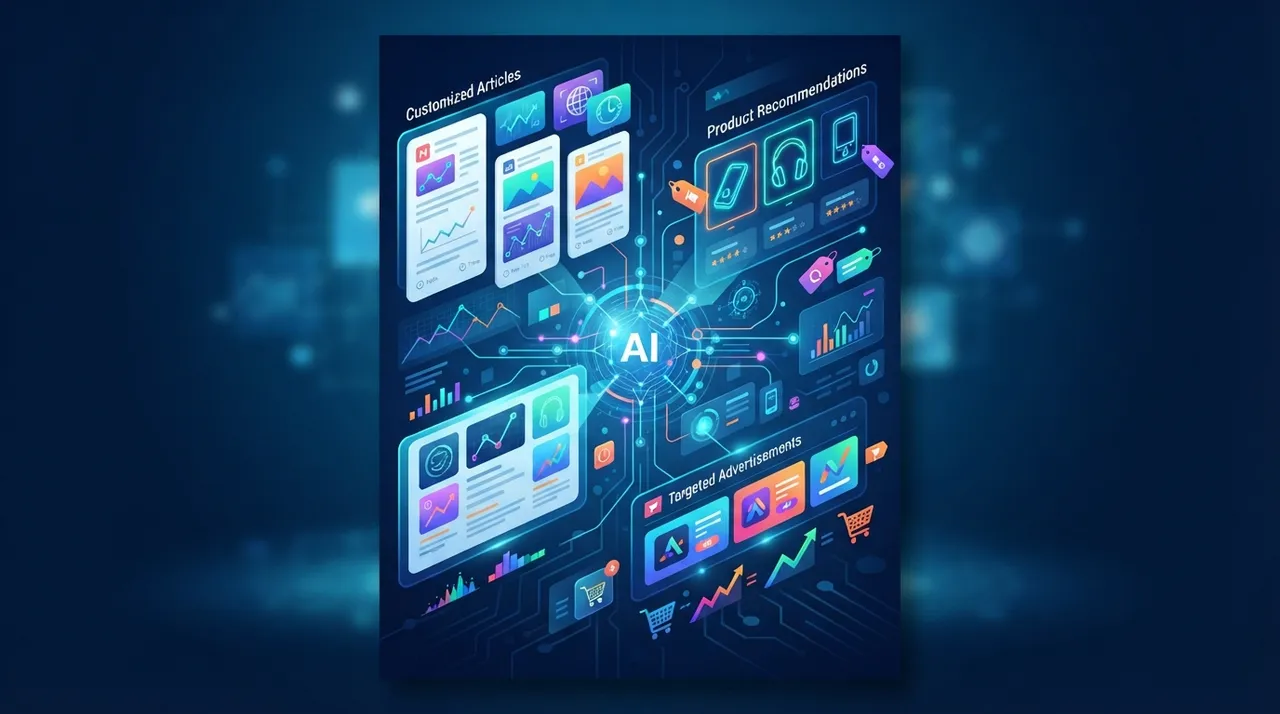
As for creativity, generative AI opens new avenues for experimentation, enabling designers to explore countless options and iterations at lightning speed, leading to unique and innovative design solutions not possible with traditional methods. AI also enhances designers' ability to deliver highly personalized user experiences, as it can analyze real-time user data to adapt interfaces and content to suit the needs and preferences of each user, increasing engagement and satisfaction.
To leverage these advancements, designers can integrate generative AI tools into their current workflow. Practical steps begin with familiarizing oneself with available tools like Adobe Sensei, which integrates AI capabilities into Adobe applications, or Figma AI, which has started offering generative features. Designers should experiment with these tools to understand how to use them for generating UI elements, analyzing user experience, and optimizing workflow. It is also advisable to focus on developing prompt engineering skills to enable AI to generate the best results, and continuously learn about the latest innovations in this field to ensure staying at the forefront of developments.
In conclusion, generative AI does not threaten the role of the human designer; rather, it is an opportunity to enhance this role, enabling it to achieve higher levels of creativity and efficiency. Adopting these technologies will be a cornerstone for competition in the accelerating world of digital design, promising to deliver richer and more interactive user experiences than ever before.


Comments 0
No comments yet — be the first to share your thoughts.
Share your thoughts
To comment, sign in first — we email you a one-time code (no password). This keeps the discussion clean.
Sign in to comment →