
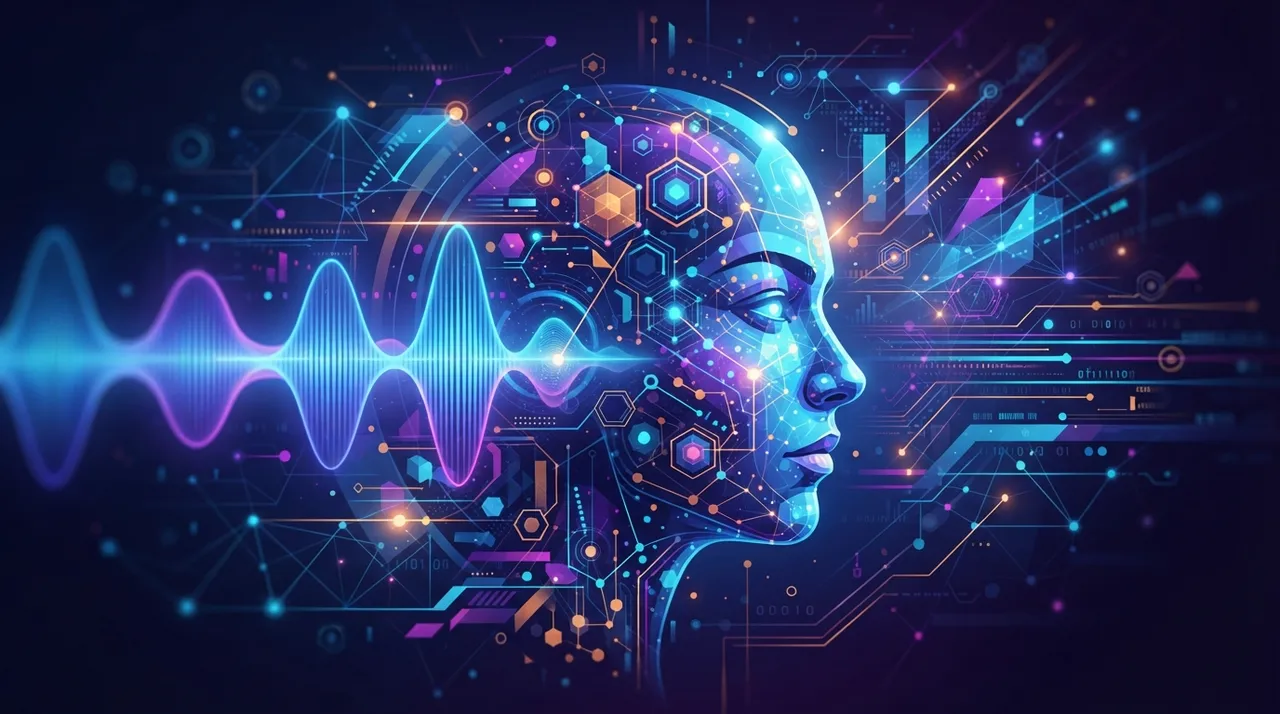
The past few years have witnessed a significant leap in artificial intelligence, not only in natural language processing and image generation but also in voice synthesis. Synthesized voices are no longer just dull, robotic tones; they now mimic human voices with intricate details and complex accents. This development paves the way for unprecedented innovations in how we interact with digital content and promises a radical transformation across various industries.
What's New
The latest advancement in AI voice synthesis is the ability to accurately clone human voices, even from very short audio samples. It no longer requires hours of recording; some advanced models can now produce high-quality, convincing speech from just a few minutes or even seconds of audio. These techniques are sometimes referred to as 'voice cloning' or 'expressive text-to-speech.' These systems rely on deep neural networks, such as Generative Adversarial Networks (GANs) and Variational Autoencoders (VAEs), which are trained on vast datasets of human voices to understand patterns of pronunciation, intonation, emotion, and accents.
Recent innovations also include the ability to control the expressive aspects of the synthesized voice, such as speed, pitch, and emotion (happy, sad, angry). This means users can now adjust the voice to suit a specific context, making it more realistic and impactful. Furthermore, some models have begun integrating the capability to convert text to speech in multiple languages and dialects while retaining the original voice's identity, opening the door for global content localization.
Why It Matters
AI voice synthesis is a pivotal development because it offers unprecedented efficiency and flexibility in audio content production. Previously, recording voiceovers or creating voice characters required significant time, effort, and financial resources. Now, creators and businesses can produce high-quality audio content quickly and at a much lower cost.
The impact of this development extends to several areas:
- Voiceovers and Podcasts: Broadcasters and podcast producers can use their cloned voices to create new episodes or modify content without needing to re-record each time. This allows them to focus on the creative aspect and reduce production time.
- Voice Assistants and User Experience: Companies can customize voice assistants to match their brand or even allow users to choose their preferred voice. This enhances the user experience and makes interaction with devices more natural and engaging.
- Accessibility: Voice synthesis technologies can assist individuals with speech difficulties or those who have lost their voices by creating personalized digital voices. They can also be used to convert written texts into audio content for the visually impaired, promoting inclusivity.
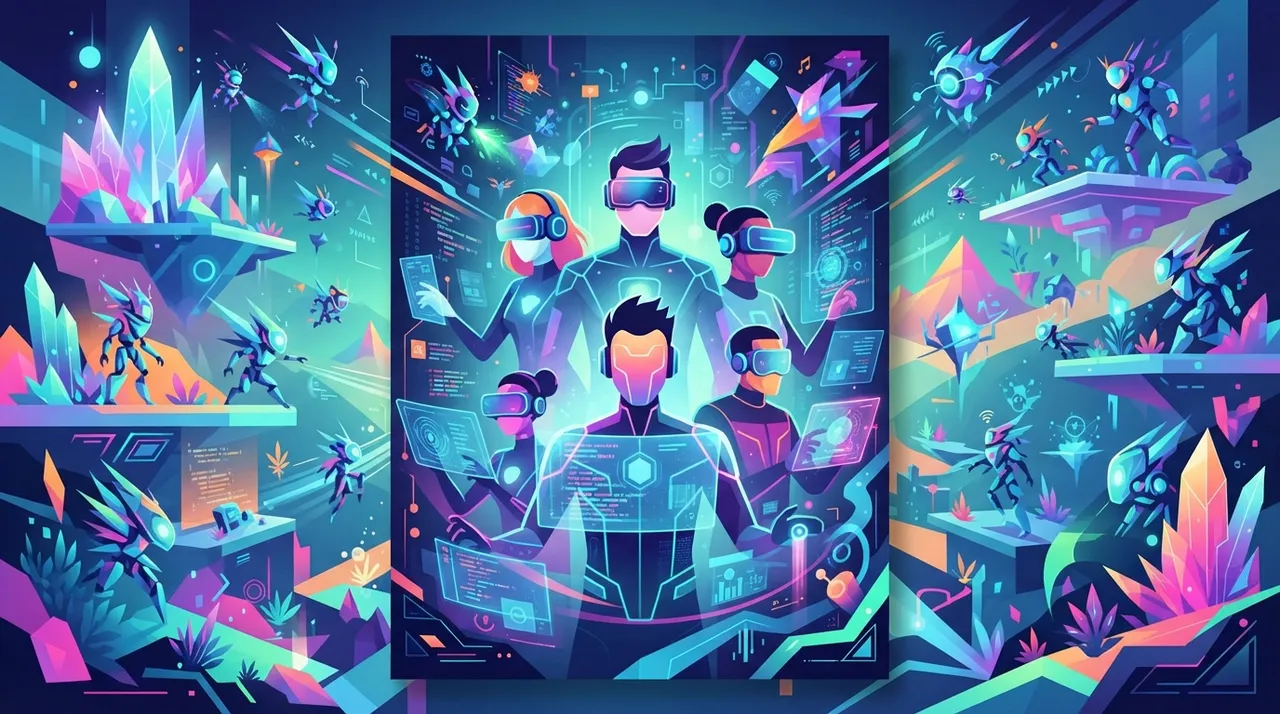
- Game and Entertainment Production: Developers can easily create characters with unique and diverse voices, adding depth and realism to games and entertainment experiences.
Readers can practically benefit from this trend by exploring currently available tools. Many platforms now offer user-friendly interfaces for voice synthesis, such as Murf.ai, Descript, and PlayHT. These tools allow users to upload small audio samples and then use AI to generate text-to-speech in their voice or using pre-existing voices. The steps typically include:
- Choosing a Tool: Start by researching AI voice synthesis platforms that meet your needs and budget.
- Recording a Voice Sample (Optional): If you wish to clone your voice, record a few minutes of clear speech. Ensure good audio quality for best results.
- Writing the Text: Enter the text you want to convert into speech.
- Customization: Use customization options to adjust pitch, speed, and emotion, if the tool supports it.
- Generate and Download: Generate the audio and download it for use in your projects.



Comments 0
No comments yet — be the first to share your thoughts.
Share your thoughts
To comment, sign in first — we email you a one-time code (no password). This keeps the discussion clean.
Sign in to comment →