
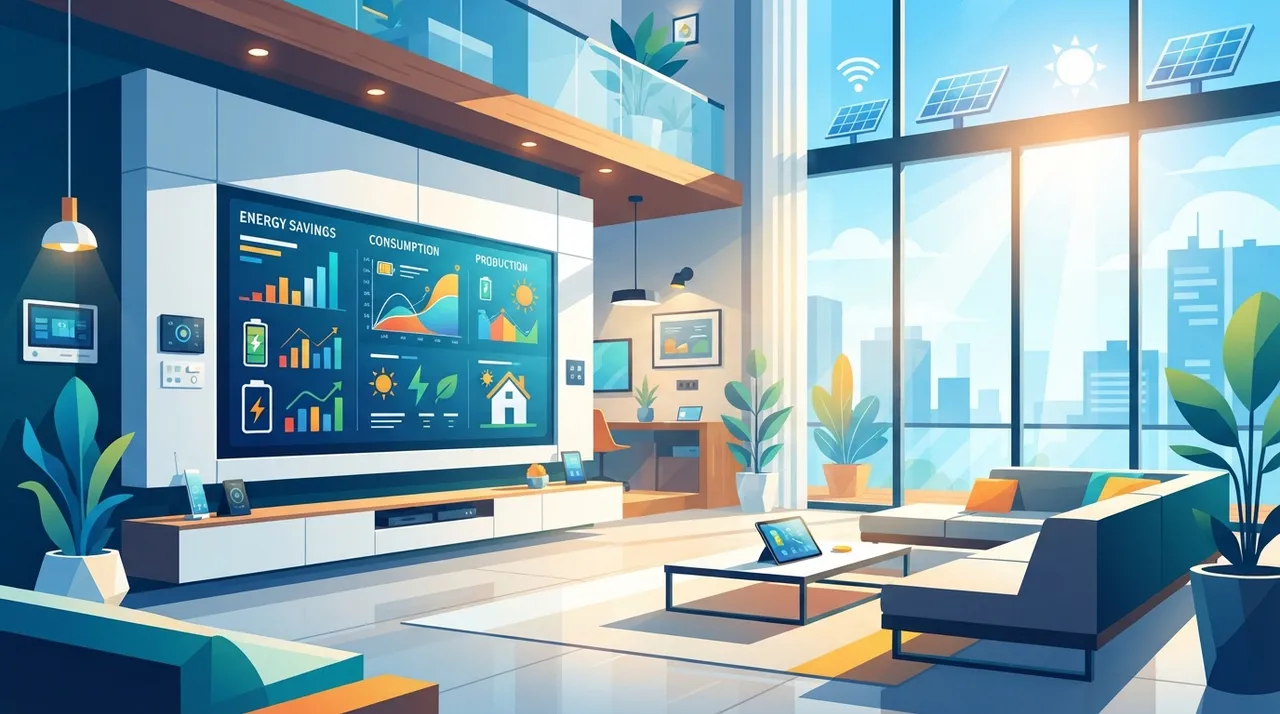
As energy costs rise and environmental concerns grow, homeowners are seeking smarter ways to control their electricity consumption. This is where AI-powered Home Energy Management Systems (HEMS) come in, representing a revolutionary approach that puts you in command of your home's energy use. These systems are no longer a luxury, but a fundamental necessity for adapting to changing power demands.
What's New
In 2026, smart home energy management systems are evolving from isolated devices into fully integrated living environments designed to improve comfort and energy efficiency. These systems go beyond simply monitoring energy consumption; they use AI algorithms and real-time data to automate electricity flow throughout a building. For instance, instead of predetermined charge/discharge schedules, AI-driven systems analyze historical patterns, weather forecasts, and real-time grid conditions to optimize operation minute-by-minute. This dynamic approach can increase self-consumption of solar power by 20-40% compared to conventional controllers. Companies are also integrating these systems with voice assistants and smart home platforms like Google Nest and Bosch, allowing users to power, control, and sync their entire home within a single connected system.
Why it Matters
The significance of this technology lies in its ability to significantly reduce electricity bills and shrink a home's carbon footprint. Widespread adoption of energy-efficient smart home management — including lighting automation, occupancy sensing, and adaptive smart thermostat control — has the potential to significantly reduce residential energy consumption. For example, a programmable thermostat can reduce consumption by automatically adjusting the temperature based on schedules and home occupancy. Furthermore, these systems provide homeowners with real-time insights into their energy usage through intuitive apps, allowing them to prioritize energy use effectively. These systems also offer comprehensive energy security, as they can predict potential outages and automatically charge backup batteries before storms, ensuring an uninterrupted power supply.
Practical Tools and Steps:
- Choose your Voice Assistant and Smart Home Hub: Start by deciding on your preferred smart voice assistant (such as Amazon Alexa, Google Assistant, or Apple HomeKit) and the smart home hub that will consolidate your devices. Ensure that the devices you choose are compatible with your chosen platform.
- Smart Sensors and Energy Meters: Utilize connected energy meters to track your whole home's or circuit-level electricity usage, helping you understand where your energy goes and identify high-consuming appliances. Smart energy meters are offered by companies like ABB, Hager, and Lingg & Janke.
- Smart Plugs: Smart plugs are an easy way to begin saving energy, simply plugging into existing outlets and controlling when the device plugged into them draws power, helping to combat 'energy vampires.'
- Smart Thermostats: Smart thermostats can learn your habits and automatically adjust temperatures, potentially saving up to 10% annually on heating and cooling.
- AI-Powered Solar Systems: If you have solar panels, AI-powered systems can optimize energy production, storage, and usage, and even sell excess power back to the grid during peak times. They can also charge batteries when solar production is highest and run heavy appliances during maximum solar generation.
- Software and Platforms: Use Home Energy Management Systems (HEMS) platforms that provide a unified interface to monitor real-time usage and manage the entire energy ecosystem. These systems offer personalized insights and recommendations based on your usage data.
Transitioning to an AI-powered smart home energy management system is not just a technological upgrade; it's an investment in a more sustainable and cost-effective future. As these technologies continue to evolve, our homes will become smarter and more adaptable to our changing needs, providing us with peace of mind and complete control over our energy consumption.





Comments 0
No comments yet — be the first to share your thoughts.
Share your thoughts
To comment, sign in first — we email you a one-time code (no password). This keeps the discussion clean.
Sign in to comment →