

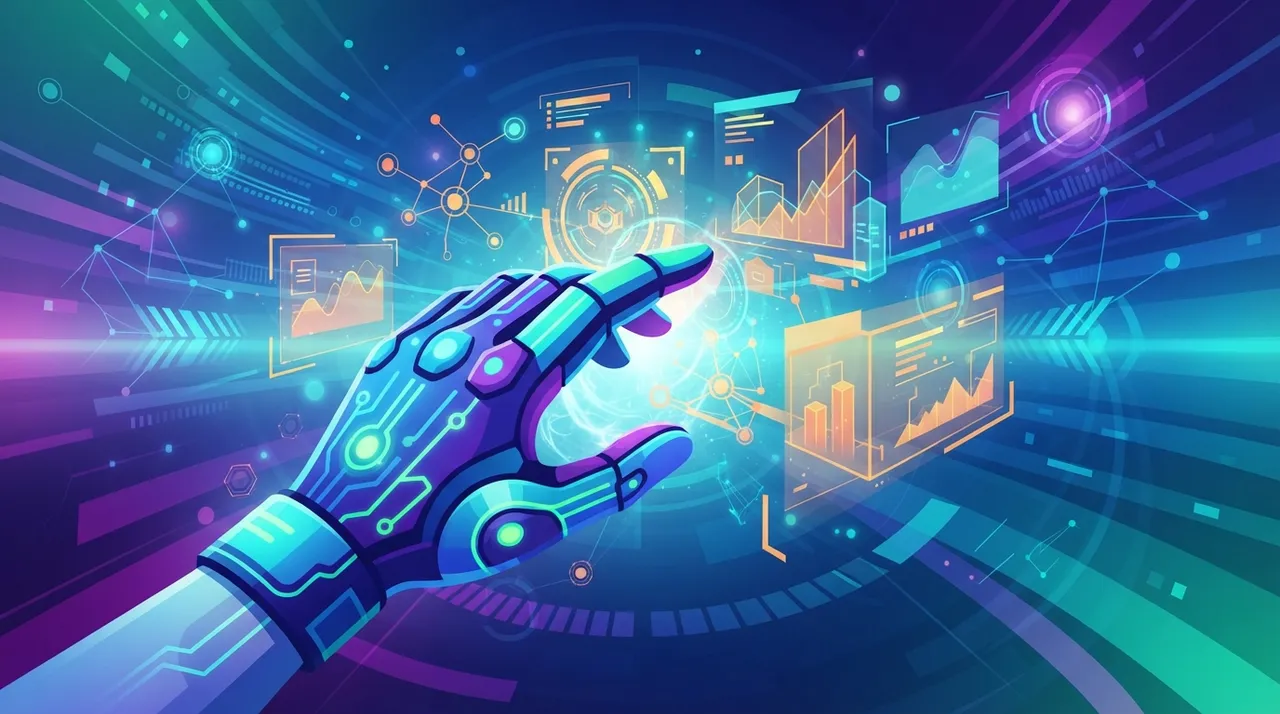
Touch has always been a fundamental part of how we interact with the world around us. In the realm of technology, after a period dominated by flat, visual interfaces, haptic feedback is making a strong comeback, becoming a cornerstone in user experience design. It's no longer just simple vibrations; it's a new world of interaction that bridges the digital and physical realms in ways we never imagined.
What's New
Haptic feedback technologies have seen significant advancements in 2026, moving beyond traditional vibrations to deliver more precise and rich tactile experiences. Current innovations include:
- AI-Enhanced Haptic Feedback: In prosthetics, AI-powered algorithms help devices interpret touch more naturally by processing pressure, motion, and contact in real-time. This allows users to perform precise tasks with confidence, without relying on visual cues.
- Flexible Haptics Using Advanced Materials: Flexible tactile materials enable the integration of haptic feedback into curved and wearable surfaces, such as clothing and gloves, without sacrificing comfort. For example, companies like HaptX are building wearable haptic gloves with flexible silicone panels and tactile actuators that recreate detailed touch sensations on the skin.
- Touchscreens That Feel Real: Touchscreens are moving beyond smooth glass and basic vibration. Advanced haptic systems now simulate texture and physical cues through electrostatic modulation and micro actuation delivered directly to the fingertip. For instance, engineers at Northwestern University developed the VoxeLite fingertip device to recreate detailed tactile sensations as users interact with flat surfaces.
- Multi-layered Haptics: These technologies combine mechanical feedback, vibration, and surface textures to create richer, more nuanced interactions. These interfaces are common in automotive and industrial systems, where confirming actions through touch improves safety and reduces errors.
- Touchless Haptics: Touchless haptic technologies are being developed to induce tactile sensations remotely, without the need for physical contact, using neurocognitive models and a novel AI framework, making them hygienic, easy to use, and pervasive.
Why It Matters
Haptic feedback is revolutionizing how we interact with technology, offering numerous benefits for both users and products:
- Enhanced User Experience: Haptic feedback adds a tangible, interactive dimension to digital interactions, making them more engaging and intuitive. When a user feels a subtle vibration confirming a button press on a touchscreen, it creates a more satisfying and interactive experience.
- Improved Accessibility: This technology enhances accessibility for individuals with disabilities. By offering tactile cues through vibrations and force responses, haptic feedback supports individuals with visual or hearing impairments, enabling them to receive critical information without relying solely on sight or sound.
- Increased Safety: In applications such as automotive systems and surgical training, haptic feedback enhances safety by providing tactile confirmation for critical actions, reducing visual distraction and increasing confidence.
- Immersion and Realism: In gaming and virtual/augmented reality, haptic feedback creates highly immersive and realistic experiences. It allows users to "feel" the virtual world through interactions with the environment.
- Learning and Training: Tactile simulation is redefining surgical training and skill development across various industries, recreating the feel of tissue resistance and tool interaction, allowing repeated practice without risk.
The haptic technology market is expanding rapidly, with projections to reach $7.3 billion by 2030, growing at a CAGR of approximately 13.6%.
To leverage this technology, developers can integrate haptic feedback into their applications to enhance user experience. Tools and steps include understanding the types of haptic feedback (e.g., vibrations, force, texture) and designing them to be sensitive and responsive. Advanced haptic actuators such as Linear Resonant Actuators (LRAs) and piezoelectric actuators offer precise and power-efficient responses. User research is recommended to identify how these tactile responses can enrich their interaction with the product.





Comments 0
No comments yet — be the first to share your thoughts.
Share your thoughts
To comment, sign in first — we email you a one-time code (no password). This keeps the discussion clean.
Sign in to comment →