
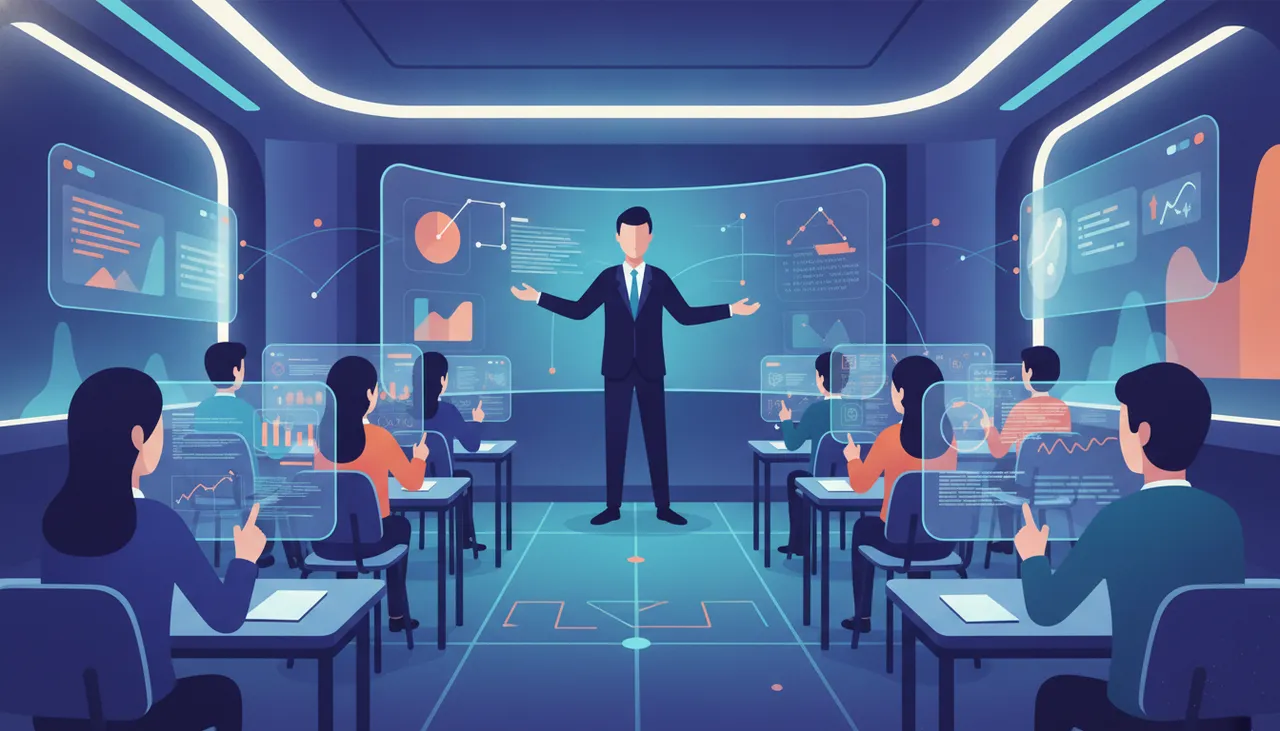
The discussion about artificial intelligence in education is no longer a futuristic vision but a tangible reality reshaping the educational landscape in 2026. With increasing demand for more effective and personalized learning solutions, AI-powered personalized learning has emerged as a leading trend promising an unprecedented educational experience that considers individual differences and radically improves learning outcomes.
What's New
In 2026, personalized learning is no longer just a theoretical concept but a widespread practical application thanks to AI. Research shows that 85% of teachers and 86% of students used AI tools during the 2024-2025 school year, confirming the shift from experimentation to essential reliance on these technologies. The global education technology market size is projected to reach $348.41 billion by 2030, growing at a compound annual growth rate of 13.3%, driven by the demand for personalized learning solutions and modern pedagogical techniques.
AI-powered adaptive learning platforms are moving beyond mere content recommendations to include generating learning materials, personalizing assessments, identifying knowledge gaps, and providing real-time guidance to students through AI assistants. For example, AI can create lesson plans, quiz questions, and interactive exercises in minutes, saving teachers up to 5.9 hours per week.
Why it Matters
The true impact of AI-powered personalized learning lies in its ability to meet the unique needs of each learner. Every student has a unique cognitive profile, varying background knowledge, and different emotional triggers for engagement. In the past, tailoring instruction to 30 or 300 individual students was an impossible task for a single teacher. Now, AI-driven tutoring systems don't just adjust quiz difficulty; they analyze a student's interaction patterns, how long they pause on a specific sentence, which parts of a video they rewatch, and the specific types of errors they make in a coding exercise.
Furthermore, AI frees teachers from routine administrative burdens, such as grading and lesson planning, allowing them to focus more on direct student interaction and personalized mentorship. In 2026, institutions that have fully integrated AI-driven platforms have seen administrative burdens slashed by over 70%. 69% of teachers reported that AI tools improved their teaching methods, and 55% agreed that it gave them more time to interact directly with students.
Moreover, personalized learning promotes inclusivity by removing barriers that historically excluded some learners. Students with disabilities, language barriers, or limited access to quality instruction can now access personalized learning that adapts to their needs. For example, text-to-speech and speech-to-text tools assist students with visual impairments, hearing challenges, or learning differences like dyslexia.
In conclusion, AI-powered personalized learning represents a qualitative shift in education, not only by improving academic outcomes but also by enhancing student engagement and empowerment, while supporting teachers in their core tasks. As these technologies continue to evolve, education will become more accessible, efficient, and tailored to individual needs, paving the way for a brighter educational future.



Comments 0
No comments yet — be the first to share your thoughts.
Share your thoughts
To comment, sign in first — we email you a one-time code (no password). This keeps the discussion clean.
Sign in to comment →