Executive Summary
The project Establishing a Construction and Demolition Waste Recycling Plant in Iraq in the industrial and manufacturing sector in Iraq targets a promising market opportunity. With an investment of ٢٠٬٠٠٠٬٠٠٠٬٠٠٠ IQD, it achieves a net present value of -١٣٬٠٢٢٬٦٨٦٬٨٢٧ IQD, an internal rate of return of -١٩٪, and a payback period of — years.
| Indicator | Value |
|---|---|
| Initial Investment | ٢٠٬٠٠٠٬٠٠٠٬٠٠٠ IQD |
| First Year Revenue | ١٢٬٠٠٠٬٠٠٠٬٠٠٠ IQD |
| Annual Growth (CAGR) | ٥٪ |
| Net Margin (Y1) | -١٨٪ |
| Return on Investment (Avg) | -١٠٪ annually |
| Net Present Value (NPV) | -١٣٬٠٢٢٬٦٨٦٬٨٢٧ IQD |
| Internal Rate of Return (IRR) | -١٩٪ |
| Profitability Index (PI) | ٠ |
| Payback Period | — |
| Breakeven Year | — |
| Expected NPV (Probability-Weighted) | -١٢٬٨٨٣٬١٤٠٬٥٦٤ IQD |
Assumptions and Basis
The figures in this study are specifically derived for this project, sector, and country:
| Assumption | Value |
|---|---|
| Initial Capital | ٢٠٬٠٠٠٬٠٠٠٬٠٠٠ IQD |
| First Year Revenue | ١٢٬٠٠٠٬٠٠٠٬٠٠٠ IQD |
| Annual Growth | ٥٪ |
| Cost of Goods Sold (COGS) | ٥٥٪ of Revenue |
| Operating Expenses | ٣٠٪ of Revenue |
| Tax/Zakat | ١٥٪ |
| Discount Rate (WACC) | ١٣٪ |
| Study Horizon | ٥ years |
Basis of Assumptions: These figures are based on the average costs of establishing and operating waste recycling plants in Iraq and the region, considering recycled raw material prices and the expected growth of the construction sector in Iraq (4.8% annually for the period 2026-2029).
Project Description and Opportunity
Iraq faces significant challenges in managing construction and demolition (C&D) waste resulting from urban growth and reconstruction. This project aims to establish a modern plant for recycling this waste and converting it into valuable building materials such as recycled concrete aggregate (RCA) for use in infrastructure and construction projects. The opportunity lies in meeting the increasing demand for building materials at competitive prices, while contributing to environmental sustainability. The business model relies on collecting waste from construction and demolition sites, processing it, and selling the recycled products to contracting companies, municipalities, and concrete plants. Target customers are large and small contracting companies, government projects, and real estate developers.
Market and Demand Study
The construction sector in Iraq is experiencing significant growth, driven by government efforts for reconstruction and infrastructure development, in addition to investments in the oil and gas and housing sectors. The sector is expected to grow by 4.8% annually during the period 2026-2029. This growth generates huge quantities of construction and demolition waste, with some studies estimating that Iraq generates about 100 million tons of construction waste annually, and Baghdad alone produces more than 1.5 million tons of solid waste annually. Concrete, aggregate, wood, and bricks constitute the largest proportion of this waste. The demand for recycled building materials is increasing due to companies' awareness of the importance of sustainability, the search for economic solutions, and government trends towards promoting the circular economy. There is also an urgent need to reduce pressure on landfills and provide raw materials for local industries.
Market Sizing (TAM / SAM / SOM)
Market sizing is based on estimating the annual volume of construction and demolition waste generated in Iraq, the percentage that can be recycled, and the average selling price of recycled materials. This is based on reports and studies that estimate the quantities of construction waste in Iraq, in addition to the expected growth rates for the construction sector. The Total Addressable Market (TAM) is determined by estimating the total value of all building materials that can be replaced by recycled materials. The Serviceable Available Market (SAM) represents the portion of the TAM that the project can reach, considering operational and distribution capabilities. The Serviceable Obtainable Market (SOM) is the market share that the project can realistically achieve within the first five years, considering competition and marketing capacity.
| Level | Annual Size | Description |
|---|---|---|
| TAM — Total Addressable Market | 1000000.0 million IQD | Total serviceable demand |
| SAM — Serviceable Available Market | 300000.0 million IQD | The portion your model can reach |
| SOM — Serviceable Obtainable Market | 60000.0 million IQD | Your realistic early share |
Sizing Basis: The size of the building materials market in Iraq is estimated at trillions of Iraqi Dinars, with increasing demand for recycled materials as a sustainable and economic alternative.
Unit Economics
Measures the profitability of each unit sale/customer — the most accurate feasibility indicator:
| Unit Metric | Value |
|---|---|
| Unit of Sale | Ton of recycled materials |
| Avg. Price/Revenue per Unit | ٨٠٬٠٠٠ IQD |
| Customer Acquisition Cost (CAC) | ١٥٬٠٠٠ IQD |
| Customer Lifetime Value (LTV) | ٤٠٠٬٠٠٠ IQD |
| LTV/CAC Ratio | ٢٦٫٧× (Healthy) |
| Contribution Margin | ٤٥٪ |
Competitive Analysis
Despite the great need, the infrastructure for construction and demolition waste recycling in Iraq is still in its early stages. There are some initiatives and small recycling centers, in addition to some companies that have started in the field of recycling other types of waste such as plastics and metals. The main competition may come from traditional landfills with currently low costs, and the lack of strict legislation to encourage recycling. The sustainable advantage of our plant lies in using the latest technologies to produce high-quality materials that comply with Iraqi and international standards (such as ASTM, NEC, NEMA, BSI, NFPA, and ISO), building strong relationships with major contracting companies, providing integrated waste management solutions, and focusing on environmental commitment as an added value.
Market Entry and Pricing Strategy
The market entry plan includes targeting large contracting companies involved in reconstruction and infrastructure projects, government projects, and real estate developers. Marketing will be through:
- Direct Relationships: Building strong relationships with key stakeholders in the construction sector.
- Exhibitions and Events: Participating in specialized trade fairs in construction and environment in Iraq.
- Content and Awareness: Publishing case studies and awareness materials about the benefits of using recycled materials.
- Competitive Pricing: Offering competitive prices compared to traditional raw materials, with a focus on quality and sustainability.
- Channels: Direct sales (B2B) to companies and projects, and establishing a distribution network for recycled materials.
Capacity and Operations
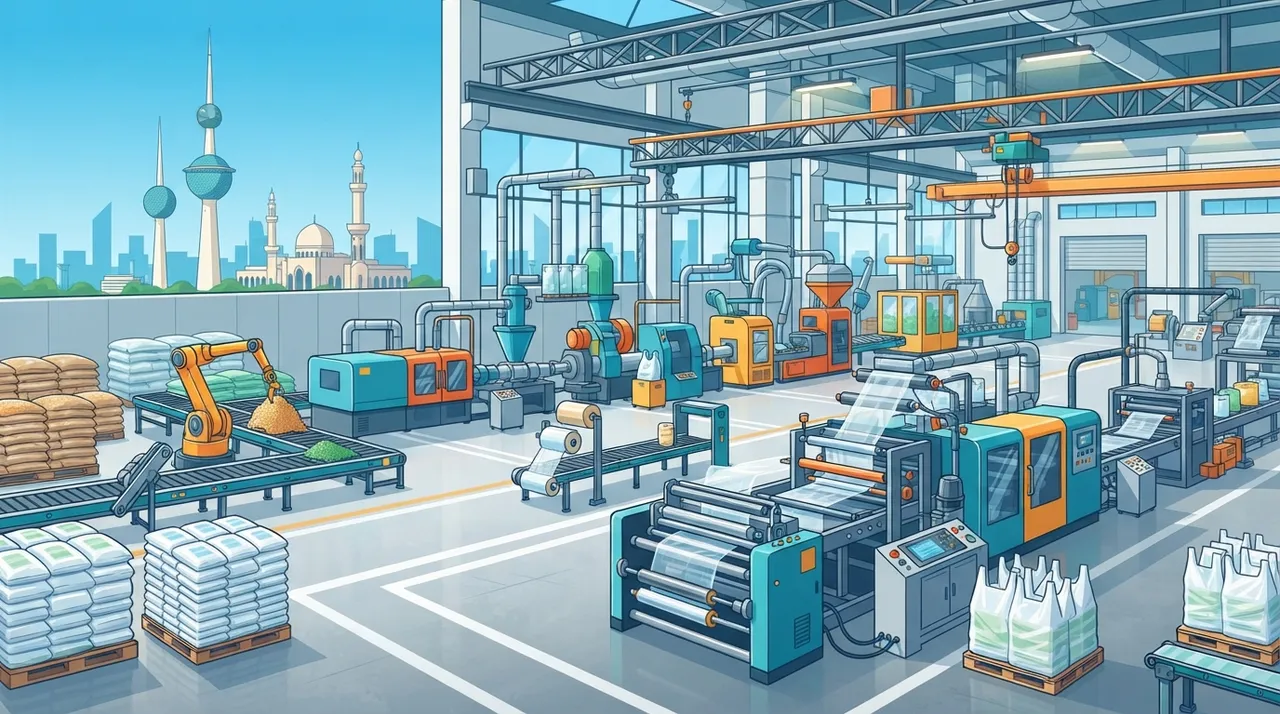
Production capacity starts at 150,000 tons annually (approximately 500 tons daily), with plans for gradual expansion to increase utilization to 70% in the third year and then 90% in the fifth year, taking advantage of the huge quantities of available construction and demolition waste.
Daily operations include collecting construction and demolition waste, manual and mechanical sorting, crushing it into different sizes, washing, impurity separation, and storing final products. Strict quality control standards will be applied to ensure that recycled products (such as recycled concrete aggregate) comply with the technical specifications required for use in construction and road projects. The work team will be trained on best practices in waste management and equipment operation to ensure operational efficiency and safety. Plans for periodic maintenance of equipment will also be put in place to reduce downtime and improve productivity.
The technical aspect of the project will require a strategic location that is easily accessible from major construction and demolition sites in major cities such as Baghdad, Dhi Qar, and Mosul, to reduce transportation costs. Waste will be obtained through contracts with contracting companies and municipalities. The main components of the plant include primary sorting units, crushing and screening units, magnetic and air separation units, washing and quality control equipment, in addition to storage areas for raw materials and final products. Equipment will be supplied by international suppliers specialized in construction waste recycling technologies. Emphasis will be placed on modern technologies that ensure separation efficiency and final product quality.
Projected Income Statement (5 Years)
| Item \ Year | Y1 | Y2 | Y3 | Y4 | Y5 |
|---|---|---|---|---|---|
| Revenues | ١٢٬٠٠٠٬٠٠٠٬٠٠٠ IQD | ١٢٬٥٧٦٬٠٠٠٬٠٠٠ IQD | ١٣٬١٧٩٬٦٤٨٬٠٠٠ IQD | ١٣٬٨١٢٬٢٧١٬١٠٤ IQD | ١٤٬٤٧٥٬٢٦٠٬١١٧ IQD |
| Cost of Sales | (٦٬٦٠٠٬٠٠٠٬٠٠٠ IQD) | (٦٬٩١٦٬٨٠٠٬٠٠٠ IQD) | (٧٬٢٤٨٬٨٠٦٬٤٠٠ IQD) | (٧٬٥٩٦٬٧٤٩٬١٠٧ IQD) | (٧٬٩٦١٬٣٩٣٬٠٦٤ IQD) |
| Gross Profit | ٥٬٤٠٠٬٠٠٠٬٠٠٠ IQD | ٥٬٦٥٩٬٢٠٠٬٠٠٠ IQD | ٥٬٩٣٠٬٨٤١٬٦٠٠ IQD | ٦٬٢١٥٬٥٢١٬٩٩٧ IQD | ٦٬٥١٣٬٨٦٧٬٠٥٣ IQD |
| Operating Expenses | (٣٬٦٠٠٬٠٠٠٬٠٠٠ IQD) | (٣٬٧٧٢٬٨٠٠٬٠٠٠ IQD) | (٣٬٩٥٣٬٨٩٤٬٤٠٠ IQD) | (٤٬١٤٣٬٦٨١٬٣٣١ IQD) | (٤٬٣٤٢٬٥٧٨٬٠٣٥ IQD) |
| EBITDA | ١٬٨٠٠٬٠٠٠٬٠٠٠ IQD | ١٬٨٨٦٬٤٠٠٬٠٠٠ IQD | ١٬٩٧٦٬٩٤٧٬٢٠٠ IQD | ٢٬٠٧١٬٨٤٠٬٦٦٦ IQD | ٢٬١٧١٬٢٨٩٬٠١٨ IQD |
| Tax | (٠ IQD) | (٠ IQD) | (٠ IQD) | (٠ IQD) | (٠ IQD) |
| Net Profit | -٢٬٢٠٠٬٠٠٠٬٠٠٠ IQD | -٢٬١١٣٬٦٠٠٬٠٠٠ IQD | -٢٬٠٢٣٬٠٥٢٬٨٠٠ IQD | -١٬٩٢٨٬١٥٩٬٣٣٤ IQD | -١٬٨٢٨٬٧١٠٬٩٨٢ IQD |
| Net Margin | -١٨٪ | -١٧٪ | -١٥٪ | -١٤٪ | -١٣٪ |
Investment Cost Structure
| Item | Cost | Percentage |
|---|---|---|
| Equipment and Machinery | ٨٬٠٠٠٬٠٠٠٬٠٠٠ IQD | ٤٠٪ |
| Construction and Infrastructure Costs | ٥٬٠٠٠٬٠٠٠٬٠٠٠ IQD | ٢٥٪ |
| Initial Working Capital | ٤٬٠٠٠٬٠٠٠٬٠٠٠ IQD | ٢٠٪ |
| Licenses, Studies, and Consulting | ١٬٠٠٠٬٠٠٠٬٠٠٠ IQD | ٥٪ |
| Waste Collection and Transport System | ٢٬٠٠٠٬٠٠٠٬٠٠٠ IQD | ١٠٪ |
Cash Flow and Breakeven Point
| Year | Operating Cash Flow | Cumulative Cash Flow |
|---|---|---|
| Year 1 | ١٬٨٠٠٬٠٠٠٬٠٠٠ IQD | -١٨٬٢٠٠٬٠٠٠٬٠٠٠ IQD |
| Year 2 | ١٬٨٨٦٬٤٠٠٬٠٠٠ IQD | -١٦٬٣١٣٬٦٠٠٬٠٠٠ IQD |
| Year 3 | ١٬٩٧٦٬٩٤٧٬٢٠٠ IQD | -١٤٬٣٣٦٬٦٥٢٬٨٠٠ IQD |
| Year 4 | ٢٬٠٧١٬٨٤٠٬٦٦٦ IQD | -١٢٬٢٦٤٬٨١٢٬١٣٤ IQD |
| Year 5 | ٢٬١٧١٬٢٨٩٬٠١٨ IQD | -١٠٬٠٩٣٬٥٢٣٬١١٧ IQD |
Estimated breakeven point at annual revenue ≈ ١٦٬٨٨٨٬٨٨٨٬٨٨٩ IQD (~١٤١٪ of Year 1 revenue), with a contribution margin of ٤٥٪. Cumulative cash breakeven is beyond the study horizon.
Funding Structure
| Funding Source | Percentage | Amount |
|---|---|---|
| Equity | ٦٠٪ | ١٢٬٠٠٠٬٠٠٠٬٠٠٠ IQD |
| Debt Financing (١١٪ interest) | ٤٠٪ | ٨٬٠٠٠٬٠٠٠٬٠٠٠ IQD |
Sensitivity Analysis (Revenue × Operating Costs)
Impact of changes in revenue and costs together on Net Present Value:
| Revenue \ Operating Costs | −10٪ | −5٪ | Base | +5٪ | +10٪ |
|---|---|---|---|---|---|
| −20٪ | -١٠٬٦٩٦٬٩١٥٬٧٧٠ IQD | -١٢٬٥٥٧٬٥٣٢٬٦١٦ IQD | -١٤٬٤١٨٬١٤٩٬٤٦٢ IQD | -١٦٬٢٧٨٬٧٦٦٬٣٠٨ IQD | -١٨٬١٣٩٬٣٨٣٬١٥٤ IQD |
| −10٪ | -٩٬٥٣٤٬٠٣٠٬٢٤٢ IQD | -١١٬٦٢٧٬٢٢٤٬١٩٣ IQD | -١٣٬٧٢٠٬٤١٨٬١٤٥ IQD | -١٥٬٨١٣٬٦١٢٬٠٩٧ IQD | -١٧٬٩٠٦٬٨٠٦٬٠٤٨ IQD |
| Base | -٨٬٣٧١٬١٤٤٬٧١٣ IQD | -١٠٬٦٩٦٬٩١٥٬٧٧٠ IQD | -١٣٬٠٢٢٬٦٨٦٬٨٢٨ IQD | -١٥٬٣٤٨٬٤٥٧٬٨٨٥ IQD | -١٧٬٦٧٤٬٢٢٨٬٩٤٣ IQD |
| +10٪ | -٧٬٢٠٨٬٢٥٩٬١٨٤ IQD | -٩٬٧٦٦٬٦٠٧٬٣٤٨ IQD | -١٢٬٣٢٤٬٩٥٥٬٥١١ IQD | -١٤٬٨٨٣٬٣٠٣٬٦٧٤ IQD | -١٧٬٤٤١٬٦٥١٬٨٣٧ IQD |
| +20٪ | -٦٬٠٨٧٬٣٤٤٬٥٥٩ IQD | -٨٬٨٣٦٬٢٩٨٬٩٢٥ IQD | -١١٬٦٢٧٬٢٢٤٬١٩٣ IQD | -١٤٬٤١٨٬١٤٩٬٤٦٢ IQD | -١٧٬٢٠٩٬٠٧٤٬٧٣١ IQD |
Scenario Analysis
| Scenario | Probability | NPV | Assessment |
|---|---|---|---|
| Pessimistic | ٢٥٪ | -١٥٬٥٣٤٬٥١٩٬٥٧٠ IQD | Unfeasible |
| Base | ٥٠٪ | -١٣٬٠٢٢٬٦٨٦٬٨٢٨ IQD | Unfeasible |
| Optimistic | ٢٥٪ | -٩٬٩٥٢٬٦٦٩٬٠٣٢ IQD | Unfeasible |
Expected Present Value (Weighted): -١٢٬٨٨٣٬١٤٠٬٥٦٤ IQD.
Risk Analysis and Management
| Risk | Probability | Impact | Mitigation |
|---|---|---|---|
| Price instability of recycled raw materials | Medium | High | Long-term contracts with suppliers and customers, diversification of revenue sources. |
| Challenges in waste collection and sorting | High | Medium | Developing an efficient logistics network, partnership contracts with municipalities and demolition companies. |
| Competition from traditional disposal methods | Medium | High | Focus on product quality, raising awareness of environmental and economic benefits, lobbying for government incentives for recycling. |
| Operational challenges and maintenance | Medium | Medium | Hiring a qualified technical team, providing original spare parts, and comprehensive preventive maintenance plans. |
| Changes in environmental policies and legislation | Medium | Medium | Continuous monitoring of legislative changes, participation in government dialogues on environmental and circular economy policies. |
Organizational Structure and Team
The organizational structure consists of senior management (General Manager, Operations Manager, Sales and Marketing Manager, Financial Manager), a plant operations team (operations engineers, technicians, workers), a logistics team (drivers, loading and unloading workers), and a quality management team. Iraqi cadres with experience in civil, mechanical, and environmental engineering will be recruited, with continuous training provided on the latest recycling technologies. The plant can provide approximately 100 direct job opportunities.
Legal and Regulatory Aspects
The project requires obtaining the necessary licenses from relevant Iraqi government agencies, including the Ministry of Environment, the Ministry of Industry, and municipalities. Compliance with Law No. 27 of 2009 for the protection and improvement of the environment is mandatory, which requires an Environmental Impact Assessment (EIA) for all new projects and hazardous waste management. Compliance with local regulations related to industrial plant licenses and occupational safety standards is also required. Company registration and compliance with a 15% corporate tax on income are essential.
Expansion and Sustainability Plan
The expansion plan involves gradually increasing the plant's production capacity to meet increasing market demand, with the possibility of establishing additional processing units or sub-plants in other densely populated Iraqi regions. Expansion into producing other types of recycled materials, such as tire recycling and non-construction plastics, is also possible. Strategic partnerships with major construction companies and government agencies will contribute to ensuring the project's sustainability and expansion.
Environmental, Social, and Governance (ESG) Impact
The project will have a significant positive environmental impact by:
- Waste Reduction: Diverting huge quantities of construction and demolition waste from landfills, reducing visual pollution and soil and water contamination.
- Natural Resource Conservation: Reducing the need for extracting natural raw materials (such as sand and gravel), thereby preserving the environment.
- Carbon Emission Reduction: Lowering emissions associated with the production of new building materials and waste transportation to landfills.
Conclusions and Recommendations
The project to establish a construction and demolition waste recycling plant in Iraq has high economic viability and a promising market opportunity, given the continuous growth in the construction sector and the urgent need for sustainable waste management solutions. The project is expected to generate rewarding returns with a positive contribution to the environment and society. Therefore, we recommend proceeding with this project.
Sources and Disclaimer
- World Bank Reports
- United Nations Environment Programme (UNEP) Reports
- Feasibility studies for similar projects in the region
- Construction sector reports in Iraq
- Iraqi Ministry of Planning data
Disclaimer: This is a guiding study based on sector-specific assumptions and criteria at the time of preparation; verify numbers locally before any investment decision.