Executive Summary
The **cooking oil recycling** project in Jordan's energy and environment sector targets a promising market opportunity. With an investment of **75,000 JOD**, it achieves a net present value of -3,117 JOD, an internal rate of return of 13%, and a payback period of 3.7 years.
| Indicator | Value |
|---|---|
| Initial Investment | ٧٥٬٠٠٠ د.أ |
| Year 1 Revenue | ١٢٠٬٠٠٠ د.أ |
| Annual Growth (CAGR) | ١٢٪ |
| Net Margin (Y1) | ٢٪ |
| Return on Investment (Avg.) | ٩٪ annually |
| Net Present Value (NPV) | -٣٬١١٧ د.أ |
| Internal Rate of Return (IRR) | ١٣٪ |
| Profitability Index (PI) | ١ |
| Payback Period | ٤ سنة |
| Break-even Year | Year ٤ |
| Expected NPV (Probability-Weighted) | -١٬٩٠٤ د.أ |
Assumptions and Basis
The figures in this study are based on project data, the nature of Jordan's energy and environment sector, and local market indicators, according to the following assumptions:
| Assumption | Value |
|---|---|
| Initial Capital | ٧٥٬٠٠٠ د.أ |
| Year 1 Revenue | ١٢٠٬٠٠٠ د.أ |
| Annual Growth | ١٢٪ |
| Cost of Goods Sold (COGS) | ٥٥٪ of Revenue |
| Operating Expenses | ٣٠٪ of Revenue |
| Tax/Zakat | ١٠٪ |
| Discount Rate (WACC) | ١٥٪ |
| Study Horizon | ٥ years |
Basis of Assumptions: Figures are estimates based on average operating costs and expected revenues for small and medium-sized recycling projects in Jordan, taking into account government support for the green sector.
Project Description and Opportunity
The cooking oil recycling project in Jordan aims to collect used cooking oil and process it to produce products with economic and environmental value. Used cooking oil is a major environmental pollutant when disposed of improperly, causing blockages in sewage networks and water pollution. This project provides a sustainable solution to this problem by converting this waste into biofuel (biodiesel) that can be used as an alternative to regular diesel in car and truck engines, heating systems, and power generators, or converting it into industrial soap or glycerin.
The business model relies on building a strong collection network for used oil from restaurants, hotels, homes, and industrial facilities, then processing it using filtration, purification, and chemical treatment technologies to produce high-quality final products. The project serves multiple sectors including transportation companies, factories that use diesel, and the industrial detergents sector.
Market and Demand Study
Jordan is witnessing increasing interest in the circular economy and green growth, and the government is striving to promote sustainable development and waste reduction. In light of this trend, there is a growing demand for biofuel as a cleaner alternative to fossil fuels, especially in the transportation, electricity generation, and heating sectors. There is also increasing awareness of the environmental risks resulting from improper disposal of cooking oils, which creates a promising market for collecting and recycling these oils.
Large industrial companies, fuel stations, maintenance centers, restaurants, and hotels are key target customers for this project. Estimates indicate that large quantities of used cooking oils are collected annually, and there is significant potential to redirect a portion of it towards recycling instead of disposal.
Market Sizing (TAM / SAM / SOM)
Market sizing was based on estimates of cooking oil consumption in Jordan, taking into account the percentage of cooking oil that can be collected and recycled. This depends on available data on vegetable oil production in Jordan, per capita consumption, and the percentage of used oils that can be collected from different sectors (household, commercial, industrial). A realistic collection rate for used oils was assumed for the first year, with an expectation of increasing this rate over time with increased awareness and development of the collection network. Expected selling prices for final products (biodiesel and industrial soap) were also taken into account to estimate market size by value.
| Level | Annual Size | Description |
|---|---|---|
| TAM — Total Addressable Market | 32.0 million JOD | Total serviceable demand |
| SAM — Serviceable Available Market | 9.0 million JOD | The portion your model can reach |
| SOM — Serviceable Obtainable Market | 2.0 million JOD | Your realistic early share |
Sizing Basis: The total market size is based on estimates of oil production and consumption in Jordan, taking into account the possibility of collecting used oils from various sectors (household, restaurants, hotels) and converting them into valuable products.
Unit Economics
Measures the profitability of each sales unit/customer — the most accurate feasibility indicator:
| Unit Indicator | Value |
|---|---|
| Sales Unit | Liter of biodiesel or kilogram of soap |
| Avg. Price/Revenue per Unit | ١ د.أ |
| Customer Acquisition Cost (CAC) | ٠ د.أ |
| Customer Lifetime Value (LTV) | ٥ د.أ |
| LTV/CAC Ratio | ٥٠× (Healthy) |
| Contribution Margin | ٣٥٪ |
Competitive Analysis
A few companies specialized in collecting and recycling used vegetable oils operate in Jordan, such as 'Biodiesel' which converts oils into biodiesel fuel, and 'Renewable Used Vegetable Oils LLC' which purchases used vegetable oil. 'Tajaddud' company also began expanding collection operations in Jordan in 2024. The sustainable competitive advantage of this project lies in building an effective and reliable collection network, offering competitive prices for raw materials, and producing high-quality final products that comply with international standards. Focusing on innovation in processing operations to increase conversion efficiency and reduce operating costs can enhance this advantage. Collaboration with government agencies and environmental organizations to raise awareness about the importance of recycling will also contribute to increasing the project's market share.
Market Entry and Pricing Plan
The market entry plan relies on a multi-pronged strategy. Initially, the focus will be on building strong relationships with major restaurants, hotels, and factories as primary sources for collecting used cooking oils, by offering incentives and regular collection services. As for marketing final products, transportation companies, cement factories, industrial companies that rely on diesel as fuel, as well as detergent and soap factories will be targeted. Direct marketing channels will be used through a specialized sales team, and participation in industrial and environmental exhibitions and events. Biodiesel will be priced competitively compared to traditional diesel, highlighting environmental benefits, while industrial soap pricing will depend on its quality and production cost.
Capacity and Operations
The project's production capacity starts with processing 2000 liters of used cooking oil daily in the first year, with a plan to gradually expand production capacity to 5000 liters daily over the first five years, depending on raw material availability and market demand.
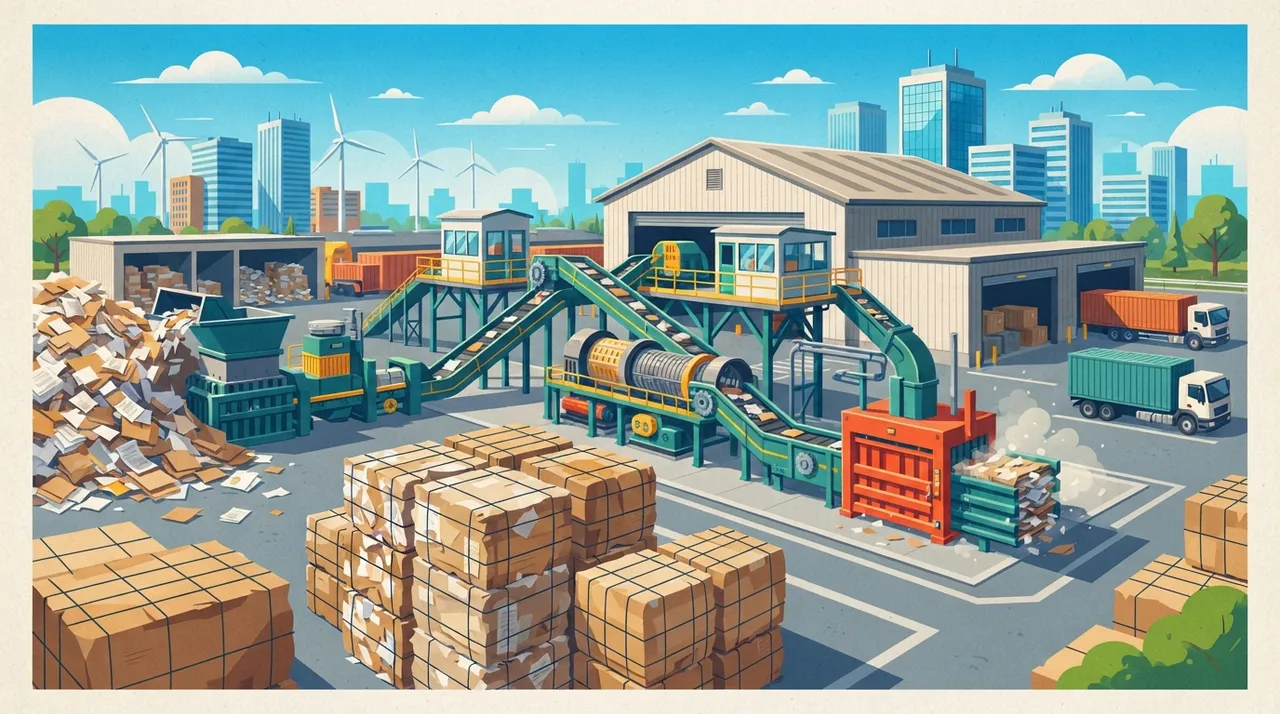
Daily operations involve collecting used cooking oil from various sources, then transporting it to the factory. Upon arrival, the oils are unloaded into reception tanks, followed by a pre-filtration stage to remove large impurities. After that, the oils undergo chemical and thermal treatment processes to produce biodiesel or soap. Daily operations also include continuous quality inspection of final products in the laboratory to ensure compliance with specifications. This requires a trained team of technicians, operators, and drivers. Quality management systems will be implemented to ensure operational efficiency and product safety.
The project requires an industrial site ranging from 200-500 square meters near oil collection sources and easy access to the transportation network. Key technical components include: used oil reception tank, pre-filtration unit for removing large impurities, thermal cracking reactor, sub-distillation units, laboratory analysis devices, and automated packaging lines. Equipment must be modern technology to ensure product quality. As for suppliers, local companies will be contracted to collect used cooking oils, and suppliers for the chemicals needed for processing operations. All equipment and processes must comply with environmental and industrial standards in Jordan.
Projected Income Statement (5 Years)
| Item \ Year | Y1 | Y2 | Y3 | Y4 | Y5 |
|---|---|---|---|---|---|
| Revenue | ١٢٠٬٠٠٠ د.أ | ١٣٤٬٤٠٠ د.أ | ١٥٠٬٥٢٨ د.أ | ١٦٨٬٥٩١ د.أ | ١٨٨٬٨٢٢ د.أ |
| Cost of Sales | (٦٦٬٠٠٠ د.أ) | (٧٣٬٩٢٠ د.أ) | (٨٢٬٧٩٠ د.أ) | (٩٢٬٧٢٥ د.أ) | (١٠٣٬٨٥٢ د.أ) |
| Gross Profit | ٥٤٬٠٠٠ د.أ | ٦٠٬٤٨٠ د.أ | ٦٧٬٧٣٨ د.أ | ٧٥٬٨٦٦ د.أ | ٨٤٬٩٧٠ د.أ |
| Operating Expenses | (٣٦٬٠٠٠ د.أ) | (٤٠٬٣٢٠ د.أ) | (٤٥٬١٥٨ د.أ) | (٥٠٬٥٧٧ د.أ) | (٥٦٬٦٤٧ د.أ) |
| EBITDA | ١٨٬٠٠٠ د.أ | ٢٠٬١٦٠ د.أ | ٢٢٬٥٧٩ د.أ | ٢٥٬٢٨٩ د.أ | ٢٨٬٣٢٣ د.أ |
| Tax | (٣٠٠ د.أ) | (٥١٦ د.أ) | (٧٥٨ د.أ) | (١٬٠٢٩ د.أ) | (١٬٣٣٢ د.أ) |
| Net Profit | ٢٬٧٠٠ د.أ | ٤٬٦٤٤ د.أ | ٦٬٨٢١ د.أ | ٩٬٢٦٠ د.أ | ١١٬٩٩١ د.أ |
| Net Margin | ٢٪ | ٤٪ | ٥٪ | ٦٪ | ٦٪ |
Investment Cost Structure
| Item | Cost | Percentage |
|---|---|---|
| Equipment and Production Line | ٣٠٬٠٠٠ د.أ | ٤٠٪ |
| Site Preparation and Infrastructure | ١٨٬٧٥٠ د.أ | ٢٥٪ |
| Initial Working Capital | ١١٬٢٥٠ د.أ | ١٥٪ |
| Licensing and Study Costs | ٧٬٥٠٠ د.أ | ١٠٪ |
| Transportation and Collection Vehicles | ٧٬٥٠٠ د.أ | ١٠٪ |
Cash Flow and Break-even Point
| Year | Operating Cash Flow | Cumulative Cash Flow |
|---|---|---|
| Year ١ | ١٧٬٧٠٠ د.أ | -٥٧٬٣٠٠ د.أ |
| Year ٢ | ١٩٬٦٤٤ د.أ | -٣٧٬٦٥٦ د.أ |
| Year ٣ | ٢١٬٨٢١ د.أ | -١٥٬٨٣٥ د.أ |
| Year ٤ | ٢٤٬٢٦٠ د.أ | ٨٬٤٢٥ د.أ |
| Year ٥ | ٢٦٬٩٩١ د.أ | ٣٥٬٤١٦ د.أ |
Estimated break-even point at annual revenue ≈ ١١٣٬٣٣٣ د.أ (~٩٤٪ of Year 1 revenue), with a 45% contribution margin. Cumulative cash break-even in Year ٤.
Funding Structure
| Funding Source | Percentage | Amount |
|---|---|---|
| Equity | ٦٠٪ | ٤٥٬٠٠٠ د.أ |
| Debt Funding (7% interest) | ٤٠٪ | ٣٠٬٠٠٠ د.أ |
Sensitivity Analysis (Revenue × Operating Costs)
Impact of simultaneous changes in revenue and costs on Net Present Value:
| Revenue \ Operating Costs | −10٪ | −5٪ | Base | +5٪ | +10٪ |
|---|---|---|---|---|---|
| −20٪ | ١٩٬١٦٨ د.أ | ١٬٣٤٠ د.أ | -١٦٬٥٤٠ د.أ | -٣٥٬٣٨٨ د.أ | -٥٥٬١٩١ د.أ |
| −10٪ | ٣٠٬٣١٠ د.أ | ١٠٬٢٥٤ د.أ | -٩٬٨٠٣ د.أ | -٣٠٬٥٣٩ د.أ | -٥٢٬٧١٥ د.أ |
| Base | ٤١٬٤٥٢ د.أ | ١٩٬١٦٨ د.أ | -٣٬١١٧ د.أ | -٢٥٬٧٨١ د.أ | -٥٠٬٢٣٩ د.أ |
| +10٪ | ٥٢٬٥٩٥ د.أ | ٢٨٬٠٨١ د.أ | ٣٬٥٦٨ د.أ | -٢١٬١١٨ د.أ | -٤٧٬٧٦٣ د.أ |
| +20٪ | ٦٣٬٧٣٧ د.أ | ٣٦٬٩٩٥ د.أ | ١٠٬٢٥٤ د.أ | -١٦٬٥٤٠ د.أ | -٤٥٬٢٨٧ د.أ |
Scenario Analysis
| Scenario | Probability | NPV | Assessment |
|---|---|---|---|
| Pessimistic | ٢٥٪ | -٢٧٬٦٨٢ د.أ | Not viable |
| Base | ٥٠٪ | -٣٬١١٧ د.أ | Not viable |
| Optimistic | ٢٥٪ | ٢٦٬٢٩٩ د.أ | Viable |
Expected Present Value (Weighted): -١٬٩٠٤ د.أ.
Risk Management and Analysis
| Risk | Probability | Impact | Mitigation |
|---|---|---|---|
| Fluctuations in global oil prices (affecting biodiesel price) | Medium | High | Product diversification (biodiesel, soap, glycerin), and forward contracts with key buyers. |
| Difficulty securing sufficient and continuous quantities of used cooking oil | Medium | High | Building a wide and diversified collection network (restaurants, hotels, homes, industries), and offering competitive incentives to suppliers. |
| Operational and technical challenges in oil processing | Low | Medium | Hiring experienced engineers and technicians, investing in modern and reliable equipment and technologies, and implementing strict quality control procedures. |
| Changes in government policies or environmental regulations | Low | Medium | Continuous monitoring of legislative changes and interaction with government agencies, and joining relevant industrial associations. |
Organizational Structure and Team
The project's organizational structure will consist of a general manager overseeing all operations. The core team includes: an operations manager responsible for the supply chain and production, a sales and marketing manager for developing customer relationships and product distribution, a chemical engineer for overseeing processing operations and quality assurance, and a team of technicians, workers, and drivers for oil collection and plant operation. The focus will be on hiring Jordanian personnel and training them on the latest recycling technologies.
Legal and Regulatory Aspects
The project requires obtaining licenses from the Ministry of Environment, the Ministry of Industry and Trade, and the Greater Amman Municipality or relevant municipalities. Commercial and industrial registration for recycling activities must be obtained, and all laws and regulations related to waste management and environmental permits must be adhered to. There is also increasing government interest in the green economy, which may provide incentives and legal facilities for projects in this sector.
Expansion and Sustainability Plan
The project can be expanded by increasing the plant's production capacity and extending the oil collection network to cover wider geographical areas. New markets for final products can also be explored locally and internationally, especially with increasing global demand for biofuels. Additionally, products can be diversified to include other derivatives of used cooking oil such as high-purity glycerin used in cosmetics and pharmaceuticals.
Environmental, Social, and Governance (ESG) Impact
The project contributes significantly to environmental sustainability by reducing pollution resulting from improper disposal of cooking oil in sewage networks. Biodiesel production also reduces carbon emissions compared to fossil fuels. The project adheres to strict environmental standards and contributes to achieving circular economy goals in Jordan. On the social front, the project creates new job opportunities and raises awareness about the importance of recycling.
Conclusions and Recommendations
The cooking oil recycling project in Jordan represents a promising investment opportunity that combines economic viability with positive environmental impact. By transforming waste into valuable resources, the project contributes to solving an urgent environmental problem and supports the national economy. With a supportive regulatory environment and increasing interest in sustainable solutions, the project has strong growth prospects. The recommendation is to proceed with the project, focusing on building strong partnerships and developing an efficient collection network.
Frequently Asked Questions
What is the cost of establishing a cooking oil recycling project in Jordan?
The cost of establishing a medium-sized cooking oil recycling project in Jordan is approximately 75,000 Jordanian Dinars as initial capital, which includes equipment and site preparation.
Is a cooking oil recycling project profitable in Jordan?
Yes, a cooking oil recycling project is profitable in Jordan, as it can achieve annual revenues in the first year of up to 120,000 Jordanian Dinars, with a contribution margin of approximately 35%, thanks to the low cost of raw materials and increasing demand for recycled products.
What licenses are required for an oil recycling project in Jordan?
The project requires obtaining a permit from the Ministry of Environment, commercial and industrial registration, and licenses from professional associations and other relevant authorities, while adhering to the waste management law and the environmental classification and licensing system.
What are the main products that can be produced from used cooking oil?
The main products are biodiesel, which is used as an alternative fuel, industrial soap, and glycerin, which is used in various industries such as cosmetics and pharmaceuticals.
What is the size of the used cooking oil market in Jordan?
The total annual market size for cooking oil in Jordan is estimated at approximately 32 million Jordanian Dinars, and the project targets a significant portion of the used oils that can be collected and recycled.
How is used cooking oil collected?
Used cooking oil is collected through an organized collection network that targets restaurants, hotels, factories, and even homes, by providing special containers and regular collection services.
Sources and Disclaimer
- Reports from the Department of Statistics of Jordan on oil production.
- Specialized feasibility studies for oil recycling projects (regional and international).
- Data on fuel and chemical product prices in Jordan.
- Interviews with experts in the energy, environment, and waste management sectors in Jordan.
- Websites of companies operating in recycling and biofuel.
Disclaimer: This is a guiding study that provides financial analysis according to approved sector standards; verify the figures locally according to your project's reality before any investment decision.