Executive Summary
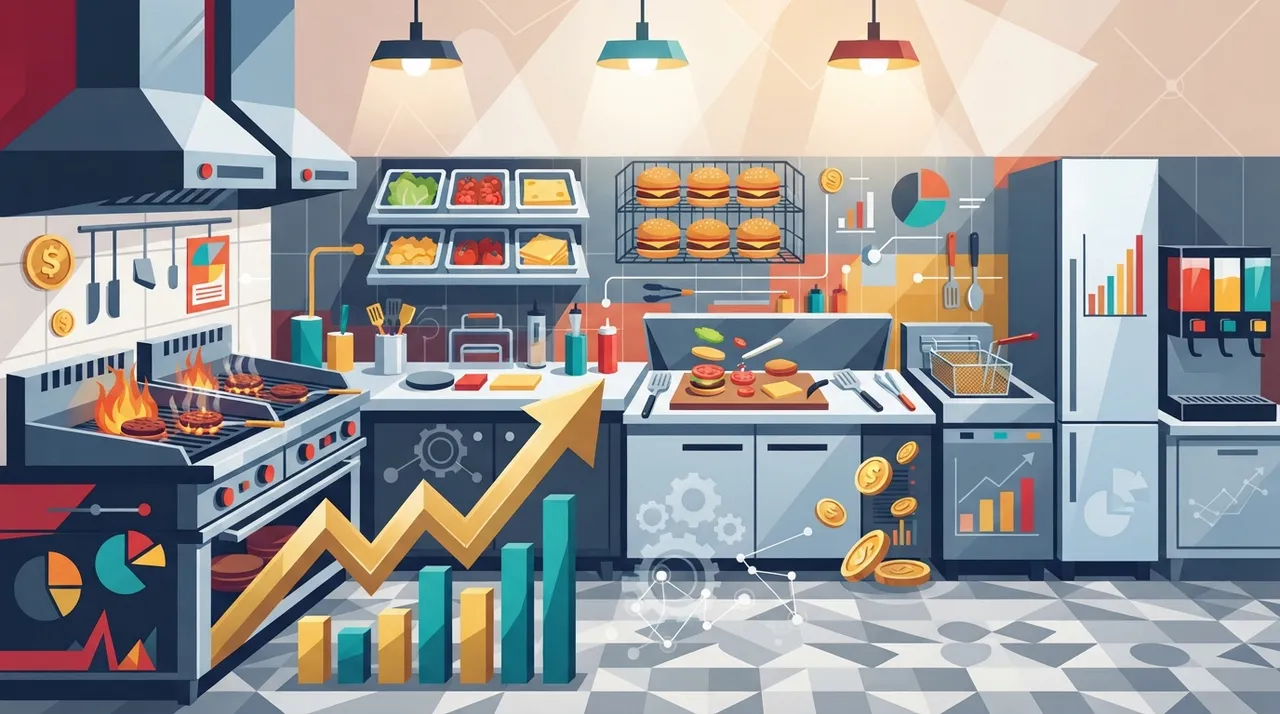
The project A cloud kitchen specializing in traditional Syrian cuisine with a modern twist, aiming to provide ready-to-order meals for delivery via smart applications, focusing on the quality of local ingredients in the restaurants and food sector in Syria targets a promising market opportunity. With an investment of ٢٥٠٬٠٠٠٬٠٠٠ ل.س, it achieves a net present value of -٤١٬٣٢٣٬٤١٧ ل.س, an internal rate of return of ١١٪, and a payback period of 3.9 years.
| Indicator | Value |
|---|---|
| Initial Investment | ٢٥٠٬٠٠٠٬٠٠٠ ل.س |
| First-Year Revenue | ٣٥٠٬٠٠٠٬٠٠٠ ل.س |
| Annual Growth (CAGR) | ١٥٪ |
| Net Margin (Y1) | ١٪ |
| Return on Investment (Avg.) | ٨٪ annually |
| Net Present Value (NPV) | -٤١٬٣٢٣٬٤١٧ ل.س |
| Internal Rate of Return (IRR) | ١١٪ |
| Profitability Index (PI) | ١ |
| Payback Period | ٤ سنة |
| Break-even Year | Year ٤ |
| Expected NPV (Probability-Weighted) | -٣٥٬٧٧٩٬٨٩١ ل.س |
Assumptions and Basis
The figures in this study are based on project data, the nature of the restaurants and food sector in Syria, and local market indicators, according to the following assumptions:
| Assumption | Value |
|---|---|
| Initial Capital | ٢٥٠٬٠٠٠٬٠٠٠ ل.س |
| First-Year Revenue | ٣٥٠٬٠٠٠٬٠٠٠ ل.س |
| Annual Growth | ١٥٪ |
| Cost of Goods Sold (COGS) | ٤٠٪ of Revenue |
| Operating Expenses | ٤٥٪ of Revenue |
| Tax/Zakat | ٥٪ |
| Discount Rate (WACC) | ١٨٪ |
| Study Horizon | ٥ years |
Basis of Assumptions: Figures are estimates based on averages for the restaurant and cloud kitchen sector in Syria, considering economic challenges and opportunities available in the Syrian market for 2026.
Project Description and Opportunity
The cloud kitchen project specializing in traditional Syrian cuisine with a modern twist is a business model focused on preparing and serving authentic Syrian dishes, such as Kibbeh, Yabraq, Syrian Mandi, Fattat, and others, with a creative touch in presentation or ingredients, delivered directly to customers via smart applications. The opportunity lies in the increasing demand for and accessibility of food delivery services, especially given the challenges faced by traditional restaurants. The business model relies on reducing traditional restaurant operating costs (such as rent, decorations, dining room labor) and focusing on product quality and delivery speed. The target customer includes individuals and working families, returning expatriates, tourists seeking an authentic and convenient Syrian dining experience, as well as companies ordering meals for their employees or meetings.
Market and Demand Study
The Syrian market in 2026 is experiencing a gradual improvement in economic activity, with expected economic growth of 12.8% according to the Syrian government, and IMF estimates exceeding 10%. The services and trade sector is among the fastest sectors to benefit from this recovery. Consumers are increasingly relying on ordering food through applications and online platforms, making the cloud kitchen model a promising investment opportunity. Despite rising prices and inflation, which represent an ongoing challenge, there is a growing demand for high-quality ready-to-eat meals. Demand is significantly affected by rising nominal incomes, although these may not fully keep pace with improvements in purchasing power and living standards.
Market Sizing (TAM / SAM / SOM)
Market sizing is done qualitatively by analyzing multiple factors: population size in major cities that can be covered by delivery service, average household spending on dining out, and consumer preferences for traditional Syrian cuisine. The focus is on high-density cities such as Damascus and Aleppo, where a relative infrastructure for delivery services is available and local delivery applications such as BeeOrder, Movo, Postajji, and Etlbni operate in Syria. The expected growth of the digital sector and the increased use of the internet and smartphones for ordering and delivery are also considered.
| Level | Annual Size | Description |
|---|---|---|
| TAM — Total Addressable Market | 1000000.0 million ل.س | Total serviceable demand |
| SAM — Serviceable Available Market | 100000.0 million ل.س | Portion accessible by your model |
| SOM — Serviceable Obtainable Market | 20000.0 million ل.س | Your realistic early share |
Basis of Sizing: Estimating the Total Addressable Market (TAM) based on total food and beverage spending in Syria, the Serviceable Available Market (SAM) represents a percentage of this market accessible via delivery apps, and the Serviceable Obtainable Market (SOM) represents a realistic share the project can achieve in the initial years.
Unit Economics
Measures the profitability of each sales unit/customer — the most accurate feasibility indicator:
| Unit Metric | Value |
|---|---|
| Sales Unit | Dish |
| Avg. Price/Revenue per Unit | ٣٠٬٠٠٠ ل.س |
| Customer Acquisition Cost (CAC) | ٦٠٬٠٠٠ ل.س |
| Customer Lifetime Value (LTV) | ١٨٠٬٠٠٠ ل.س |
| LTV/CAC Ratio | ٣× (Healthy) |
| Contribution Margin | ٦٠٪ |
Competitive Analysis
Competitors include traditional Syrian restaurants that offer delivery service, other specialized or general cloud kitchens, and local food delivery applications that may contract with different kitchens. The sustainable advantage of the project lies in: 1. Specialization and Modern Touch: Offering authentic Syrian cuisine with high quality and innovative presentation methods. 2. Quality Local Ingredients: Relying on fresh, local products to support the economy and provide a distinctive flavor. 3. Effective Digital Marketing: Building a strong presence on social media and smart applications. 4. Operational Efficiency: Focusing on speed of preparation and delivery and maintaining food quality during transport.
Market Entry and Pricing Strategy
The market entry plan aims for initial focus on major cities experiencing significant economic activity and offering advanced delivery services, such as Damascus and Aleppo. The marketing strategy relies on building a strong online brand through: 1. Digital Advertising: Utilizing the reactivation of Meta's sponsored ads and Google Cloud services in Syria to target local audiences. 2. Partnership with Local Delivery Applications: Collaborating with applications such as BeeOrder, Movo, Postajji, and Etlbni to expand customer reach. 3. Influencer Marketing: Collaborating with local food influencers to raise awareness. 4. Offers and Discounts: Providing introductory offers and discounts for new customers, and loyalty programs for regular customers. 5. Pricing: Pricing is based on a value-for-money strategy, considering high ingredient costs and economic challenges.
Capacity and Operations
Production capacity begins at 100-150 dishes per day, with the potential for gradual expansion to 300 dishes per day within three years, based on increasing demand and investment in additional equipment and staff training.
Daily operations center around receiving orders through smart applications, preparing meals according to specific recipes and quality standards, packaging meals in a way that preserves their heat and quality during delivery, and handing them over to delivery companies or drivers. The focus is on applying the highest standards of hygiene and food safety at all stages of preparation, packaging, and delivery, with periodic monitoring of ingredient quality and final products. Operational efficiency relies on training the work team and developing smooth work mechanisms to ensure quick order fulfillment and customer satisfaction.
The project requires a fully equipped commercial kitchen that complies with food health and safety standards in Syria. The location includes sufficient space for preparation, cooking, packaging, and storage, and should preferably be in an easily accessible area for delivery services. Essential equipment includes industrial ovens, fryers, refrigerators and freezers, stainless steel preparation tables, various kitchen tools, and an efficient ventilation system. Supplier selection depends on the quality of fresh local ingredients, with strong relationships built to ensure continuity of supply at competitive prices. Technical aspects also include point-of-sale (POS) systems that integrate with delivery applications and accounting software.
Projected Income Statement (5 Years)
| Item \ Year | Y1 | Y2 | Y3 | Y4 | Y5 |
|---|---|---|---|---|---|
| Revenue | ٣٥٠٬٠٠٠٬٠٠٠ ل.س | ٤٠٢٬٥٠٠٬٠٠٠ ل.س | ٤٦٢٬٨٧٥٬٠٠٠ ل.س | ٥٣٢٬٣٠٦٬٢٥٠ ل.س | ٦١٢٬١٥٢٬١٨٧ ل.س |
| Cost of Sales | (١٤٠٬٠٠٠٬٠٠٠ ل.س) | (١٦١٬٠٠٠٬٠٠٠ ل.س) | (١٨٥٬١٥٠٬٠٠٠ ل.س) | (٢١٢٬٩٢٢٬٥٠٠ ل.س) | (٢٤٤٬٨٦٠٬٨٧٥ ل.س) |
| Gross Profit | ٢١٠٬٠٠٠٬٠٠٠ ل.س | ٢٤١٬٥٠٠٬٠٠٠ ل.س | ٢٧٧٬٧٢٥٬٠٠٠ ل.س | ٣١٩٬٣٨٣٬٧٥٠ ل.س | ٣٦٧٬٢٩١٬٣١٢ ل.س |
| Operating Expenses | (١٥٧٬٥٠٠٬٠٠٠ ل.س) | (١٨١٬١٢٥٬٠٠٠ ل.س) | (٢٠٨٬٢٩٣٬٧٥٠ ل.س) | (٢٣٩٬٥٣٧٬٨١٢ ل.س) | (٢٧٥٬٤٦٨٬٤٨٤ ل.س) |
| EBITDA | ٥٢٬٥٠٠٬٠٠٠ ل.س | ٦٠٬٣٧٥٬٠٠٠ ل.س | ٦٩٬٤٣١٬٢٥٠ ل.س | ٧٩٬٨٤٥٬٩٣٧ ل.س | ٩١٬٨٢٢٬٨٢٨ ل.س |
| Tax | (١٢٥٬٠٠٠ ل.س) | (٥١٨٬٧٥٠ ل.س) | (٩٧١٬٥٦٢ ل.س) | (١٬٤٩٢٬٢٩٧ ل.س) | (٢٬٠٩١٬١٤١ ل.س) |
| Net Profit | ٢٬٣٧٥٬٠٠٠ ل.س | ٩٬٨٥٦٬٢٥٠ ل.س | ١٨٬٤٥٩٬٦٨٧ ل.س | ٢٨٬٣٥٣٬٦٤١ ل.س | ٣٩٬٧٣١٬٦٨٧ ل.س |
| Net Margin | ١٪ | ٢٪ | ٤٪ | ٥٪ | ٧٪ |
Investment Cost Structure
| Item | Cost | Percentage |
|---|---|---|
| Kitchen Equipment and Tools | ١٠٠٬٠٠٠٬٠٠٠ ل.س | ٤٠٪ |
| Raw Materials and Food Ingredients | ٧٥٬٠٠٠٬٠٠٠ ل.س | ٣٠٪ |
| Rent and Site Operating Costs | ٣٧٬٥٠٠٬٠٠٠ ل.س | ١٥٪ |
| Salaries and Wages of Employees | ٢٥٬٠٠٠٬٠٠٠ ل.س | ١٠٪ |
| Marketing and Promotion | ١٢٬٥٠٠٬٠٠٠ ل.س | ٥٪ |
Cash Flow and Break-even Point
| Year | Operating Cash Flow | Cumulative Cash Flow |
|---|---|---|
| Year ١ | ٥٢٬٣٧٥٬٠٠٠ ل.س | -١٩٧٬٦٢٥٬٠٠٠ ل.س |
| Year ٢ | ٥٩٬٨٥٦٬٢٥٠ ل.س | -١٣٧٬٧٦٨٬٧٥٠ ل.س |
| Year ٣ | ٦٨٬٤٥٩٬٦٨٧ ل.س | -٦٩٬٣٠٩٬٠٦٣ ل.س |
| Year ٤ | ٧٨٬٣٥٣٬٦٤١ ل.س | ٩٬٠٤٤٬٥٧٨ ل.س |
| Year ٥ | ٨٩٬٧٣١٬٦٨٧ ل.س | ٩٨٬٧٧٦٬٢٦٥ ل.س |
Estimated break-even point at annual revenue ≈ ٣٤٥٬٨٣٣٬٣٣٣ ل.س (~٩٩٪ of first-year revenue), with a ٦٠٪ contribution margin. Cumulative cash break-even in Year ٤.
Funding Structure
| Funding Source | Percentage | Amount |
|---|---|---|
| Equity | ٧٠٪ | ١٧٥٬٠٠٠٬٠٠٠ ل.س |
| Debt Financing (١٢٪ interest) | ٣٠٪ | ٧٥٬٠٠٠٬٠٠٠ ل.س |
Sensitivity Analysis (Revenue × Operations)
Impact of simultaneous changes in revenue and costs on Net Present Value:
| Revenue \ Operations | −10٪ | −5٪ | Base | +5٪ | +10٪ |
|---|---|---|---|---|---|
| −20٪ | ٢٥٬٦٢٩٬٤٦٨ ل.س | -٢٧٬٩٣٢٬٨٤٠ ل.س | -٨١٬٨٩٥٬١٧٧ ل.س | -١٣٧٬٢٣٧٬٢٤٦ ل.س | -١٩٣٬٦١٨٬٦٢٣ ل.س |
| −10٪ | ٥٩٬١٠٥٬٩١٠ ل.س | -١٬١٥١٬٦٨٦ ل.س | -٦١٬٥٢٥٬٨٠٨ ل.س | -١٢٣٬٢٥٣٬٢٢٧ ل.س | -١٨٦٬٥٧٠٬٩٥١ ل.س |
| Base | ٩٢٬٥٨٢٬٣٥٣ ل.س | ٢٥٬٦٢٩٬٤٦٨ ل.س | -٤١٬٣٢٣٬٤١٧ ل.س | -١٠٩٬٣٧٤٬٩٨٨ ل.س | -١٧٩٬٥٢٣٬٢٧٩ ل.س |
| +10٪ | ١٢٦٬٠٥٨٬٧٩٥ ل.س | ٥٢٬٤١٠٬٦٢٢ ل.س | -٢١٬٢٣٧٬٥٥٢ ل.س | -٩٥٬٥٧٨٬٥٩٤ ل.س | -١٧٢٬٤٧٥٬٦٠٧ ل.س |
| +20٪ | ١٥٩٬٥٣٥٬٢٣٨ ل.س | ٧٩٬١٩١٬٧٧٦ ل.س | -١٬١٥١٬٦٨٦ ل.س | -٨١٬٨٩٥٬١٧٧ ل.س | -١٦٥٬٤٢٧٬٩٣٥ ل.س |
Scenario Analysis
| Scenario | Probability | NPV | Assessment |
|---|---|---|---|
| Pessimistic | ٢٥٪ | -١٣١٬٦٣٠٬١٦٠ ل.س | Unfeasible |
| Base | ٥٠٪ | -٤١٬٣٢٣٬٤١٧ ل.س | Unfeasible |
| Optimistic | ٢٥٪ | ٧١٬١٥٧٬٤٣٠ ل.س | Feasible |
Expected Present Value (Weighted): -٣٥٬٧٧٩٬٨٩١ ل.س.
Risk Analysis and Management
| Risk | Probability | Impact | Mitigation |
|---|---|---|---|
| Fluctuations in the Syrian pound exchange rate and rising raw material costs. | High | High | Diversify suppliers, negotiate long-term contracts, regularly review prices, and implement a flexible pricing policy. |
| Intense competition in the food delivery market. | Medium | Medium | Focus on unique product quality, effective marketing, and excellent customer service to build customer loyalty. |
| Infrastructure and logistics challenges in Syria (electricity, transportation). | High | High | Invest in alternative energy sources (e.g., solar power), own a delivery fleet or establish strategic partnerships with reliable delivery companies, and design a menu less affected by power outages. |
| Difficulty in obtaining government licenses and approvals. | Medium | Medium | Collaborate with legal consultants specialized in the Syrian market to ensure compliance with all requirements. |
| Shortage of skilled labor or difficulty in retaining it. | Medium | Medium | Offer competitive incentives, continuous training and development programs, and create an attractive work environment. |
Organizational Structure and Team
The organizational structure consists of a project manager, responsible for general management and marketing, and a head chef with experience in traditional Syrian cuisine capable of developing an innovative menu, in addition to a team of assistant chefs and preparation and packaging workers. A person responsible for order management and coordination with delivery companies can be appointed. The focus is on hiring qualified local personnel and providing continuous training on quality and safety standards.
Legal and Regulatory Aspects
The project requires obtaining the necessary commercial and health licenses from relevant Syrian government bodies, such as the Ministry of Economy and Trade and the Directorate of Internal Trade and Consumer Protection. This includes the commercial register, municipal license, and health certificates for employees. Compliance with food safety and consumer protection legislation, which imposes strict control over product quality, is mandatory. Contracts with delivery applications must also be reviewed and their terms complied with.
Expansion and Sustainability Plan
The future expansion plan includes increasing the production capacity of the current kitchen and opening additional cloud kitchens in other Syrian cities to expand coverage. Consideration can also be given to developing sub-brands offering different types of cuisine from the same cloud kitchen. Sustainability aims to build a loyal customer base through high quality and excellent service, continuous adaptation to market changes and consumer preferences, in addition to continuous improvement of operational efficiency and cost control.
Environmental, Social, and Governance (ESG) Impact
The project focuses on using local ingredients to reduce the carbon footprint from transportation. Practices will be implemented to minimize food waste and recycle waste as much as possible. Socially, the project provides job opportunities for local youth and supports local farmers and suppliers. The project is also committed to social responsibility by contributing to the local community and providing healthy meals.
Conclusions and Recommendations
The cloud kitchen project specializing in traditional Syrian cuisine with a modern twist represents a promising investment opportunity in the Syrian market for 2026. Despite economic challenges, the increasing demand for food delivery services and expected economic growth provide a favorable environment for success. With a focus on quality, innovation, and operational efficiency, the project can achieve significant profits and contribute to supporting the local economy. The recommendation is to proceed with project implementation with a detailed study of target locations and building strong partnerships with delivery applications and suppliers.
Frequently Asked Questions
What is the cost of establishing a cloud kitchen in Syria?
The estimated cost of establishing a medium-sized cloud kitchen specializing in Syria is around 250,000,000 ل.س, including equipment and initial licenses.
Is a cloud kitchen project profitable in Syria?
Yes, a cloud kitchen project is considered profitable in Syria, especially with the increasing demand for food delivery and reduced operating costs compared to traditional restaurants. The expected operating profit margin can reach 15-25%.
What are the required cloud kitchen licenses in Syria?
The project requires a commercial register, a municipal and technical license for the location, and health certificates for all employees, in addition to adherence to food safety standards.
What is the average price of a Syrian meal on delivery applications?
The average price of a traditional Syrian meal with a modern twist via delivery applications in Syria is estimated at around 30,000 ل.س, considering the high cost of ingredients.
What are the main challenges for a cloud kitchen in Syria?
The main challenges include price fluctuations and raw material costs, competition, infrastructure challenges (such as electricity and transportation), and difficulty in obtaining certain licenses.
How can a cloud kitchen be marketed in Syria?
Marketing can be done through digital advertising on social media platforms, partnering with local delivery applications such as BeeOrder, Movo, Postajji, and Etlbni, offering promotions and discounts, and collaborating with local influencers.
Sources and Disclaimer
- Syrian Economic Reports for 2026 (Syrian Ministry of Finance, International Monetary Fund)
- Specialized feasibility studies for cloud kitchens in the region
- Data from local food delivery applications in Syria (e.g., BeeOrder, Movo, Etlbni)
- Interviews with experts in the restaurant and food sector in Syria
- Market Price Index in Syria for 2026
Disclaimer: This is a guiding study that provides financial analysis according to approved industry standards; verify figures locally according to your project's reality before making any investment decision.