Executive Summary
The Paper and Cardboard Recycling project in the energy and environment sector in Jordan targets a promising market opportunity. With an investment of ٧٥٬٠٠٠ JOD, it achieves a net present value of -٢٥٨ JOD, an internal rate of return of ٩٪, and a payback period of 4 years.
| Indicator | Value |
|---|---|
| Initial Investment | ٧٥٬٠٠٠ JOD |
| First-Year Revenue | ١١٢٬٥٠٠ JOD |
| Annual Growth (CAGR) | ١٠٪ |
| Net Margin (Year 1) | ١٪ |
| Return on Investment (Avg.) | ٦٪ annually |
| Net Present Value (NPV) | -٢٥٨ JOD |
| Internal Rate of Return (IRR) | ٩٪ |
| Profitability Index (PI) | ١ |
| Payback Period | ٤ years |
| Break-even Year | Year ٥ |
| Expected NPV (Probability-Weighted) | ٥٨٣ JOD |
Assumptions and Basis
The figures in this study are based on project data, the nature of Jordan's energy and environment sector, and local market indicators, according to the following assumptions:
| Assumption | Value |
|---|---|
| Initial Capital | ٧٥٬٠٠٠ JOD |
| First-Year Revenue | ١١٢٬٥٠٠ JOD |
| Annual Growth | ١٠٪ |
| Cost of Goods Sold (COGS) | ٥٥٪ of Revenue |
| Operating Expenses | ٣٠٪ of Revenue |
| Tax/Zakat | ٢٠٪ |
| Discount Rate (WACC) | ٩٪ |
| Study Horizon | ٥ years |
Basis of Assumptions: These figures are based on estimates for a medium-sized paper recycling project in Jordan, considering initial operating costs, raw material and recycled product prices, and corporate tax rates in Jordan.
Project Description and Opportunity
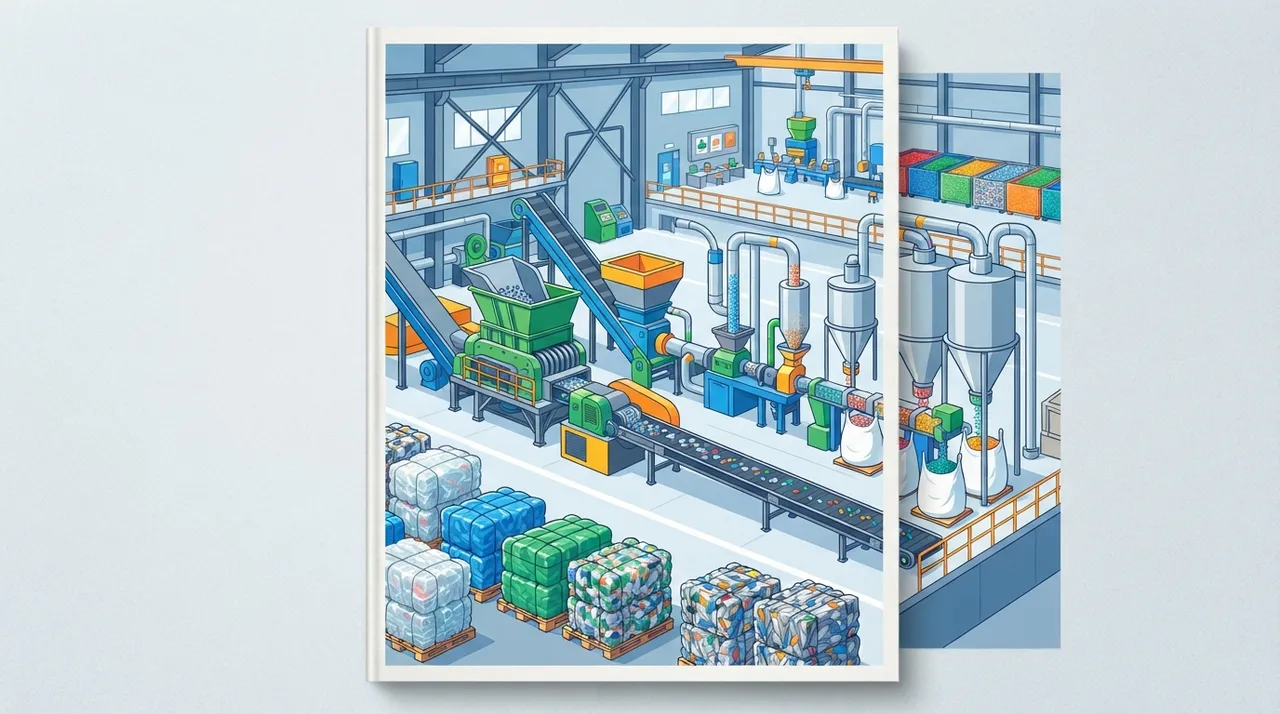
The paper and cardboard recycling project in Jordan is an industrial project aimed at collecting and processing paper and cardboard waste to convert it into new, usable products. The opportunity is based on increasing environmental awareness and demand for sustainable products, in addition to the urgent need for waste management in the Kingdom. The business model relies on purchasing paper waste from various sources (companies, schools, printing presses, commercial stores), then sorting, cleaning, pressing, and re-processing it to produce paper pulp or other paper products (such as cardboard, packaging paper). The project initially targets local factories that use recycled paper as a raw material, packaging companies, and institutions interested in environmentally friendly products.
Market and Demand Study
The paper recycling market in Jordan is experiencing significant growth driven by increasing demand for sustainable paper products and companies' shift towards sustainability. The packaging and paper sector in Jordan is approximately 1.55 billion USD in 2025, with local industry meeting 77% of total consumption. Estimates indicate that the average Jordanian produces about 50 kilograms of paper annually, representing a huge amount of waste that is not fully recycled. There is growing awareness of the importance of recycling among consumers and producers, and the Jordanian government supports circular economy projects and waste management.
Market Sizing (TAM / SAM / SOM)
The market sizing methodology relies on analyzing the volume of paper and cardboard waste generated in Jordan, and the current and future demand for recycled paper products. Total Addressable Market (TAM) is estimated based on the total value of the paper and packaging sector. The Serviceable Available Market (SAM) is determined by estimating the quantity of recyclable paper and cardboard waste that can be collected. The Serviceable Obtainable Market (SOM) focuses on a realistic percentage of available waste that the project can acquire, considering the project's operational capacity and competitors' share.
| Level | Annual Size | Description |
|---|---|---|
| TAM — Total Market | 1550.0 million JOD | Total serviceable demand |
| SAM — Available Market | 200.0 million JOD | The portion your model reaches |
| SOM — Realistic Target | 20.0 million JOD | Your realistic early share |
Basis of Sizing: Market sizing is based on the size of the packaging and paper sector in Jordan, and an expected share of the total paper and cardboard waste that can be collected and recycled locally.
Unit Economics
Measures the profitability of each sales unit/customer — the most accurate feasibility indicator:
| Unit Indicator | Value |
|---|---|
| Sales Unit | Ton of recycled paper |
| Avg. Price/Revenue per Unit | ٢٥٠ JOD |
| Customer Acquisition Cost (CAC) | — |
| Customer Lifetime Value (LTV) | — |
| LTV/CAC Ratio | — |
| Contribution Margin | ١٥٪ |
Competitive Analysis
There are a few paper recycling companies in Jordan, some of which focus on collecting and sorting paper for sale to local factories or for export. This industry faces challenges such as high fuel costs, which have led some of these industries to migrate to neighboring countries in the past. The sustainable advantage of the project lies in focusing on the quality of the final product, building strong relationships with suppliers (waste generators) and buyers, and providing integrated solutions for paper waste management. The project can also benefit from the government's direction to support the circular economy and provide incentives for investment in this sector.
Market Entry and Pricing Plan
The market entry plan involves building a strong network for collecting paper and cardboard from companies, factories, educational institutions, and commercial centers. Marketing will be conducted through direct channels via sales representatives to communicate with potential factories and buyers, and by participating in industrial and environmental exhibitions. Products will be priced competitively, taking into account product quality and operating costs, with the possibility of offering long-term contracts to key buyers. There will also be a focus on building a strong brand that emphasizes sustainability and quality.
Capacity and Operations
The project's production capacity starts with processing 25 tons per month in the first year and gradually increases to 40 tons per month by the fifth year, with a focus on operational efficiency to ensure the quality of the final product.
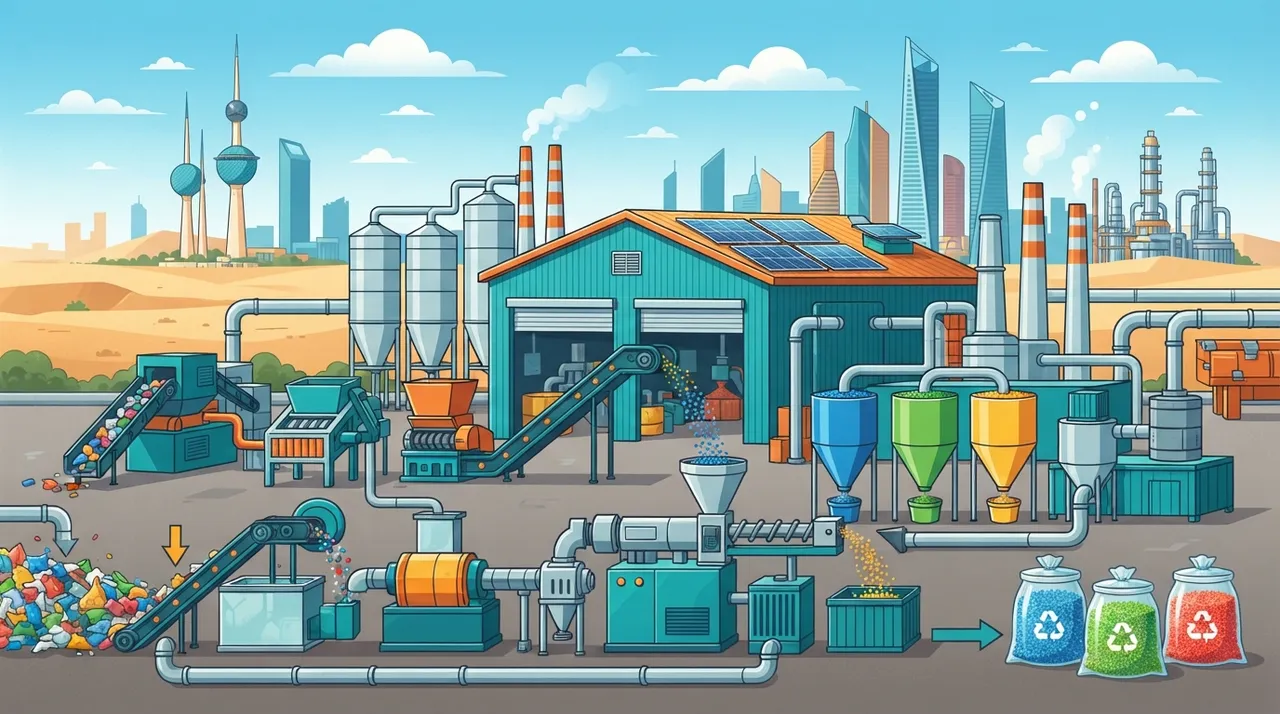
Daily operations involve receiving paper waste, sorting it manually or automatically by type and quality, then feeding it into processing lines. The paper is then shredded and pulped with water to remove impurities and inks, followed by paper pulp formation and drying. Quality control is emphasized at every stage to ensure the final product meets the required specifications for buyers. Equipment will be regularly maintained to ensure production continuity and reduce breakdowns.
The technical aspects of the project include selecting a suitable location in an industrial area away from population density, with easy access to transportation. The project requires equipment for sorting and collection lines, shredding and tearing machines, pulping tanks, impurity and ink removal units, forming systems, and thermal dryers. Equipment suppliers will be chosen based on quality, efficiency, and availability of after-sales services. Contracts will be made with local companies for collecting and supplying paper waste, and government initiatives can be leveraged to enhance waste collection.
Projected Income Statement (٥ Years)
| Item \ Year | Y1 | Y2 | Y3 | Y4 | Y5 |
|---|---|---|---|---|---|
| Revenue | ١١٢٬٥٠٠ JOD | ١٢٣٬٧٥٠ JOD | ١٣٦٬١٢٥ JOD | ١٤٩٬٧٣٨ JOD | ١٦٤٬٧١١ JOD |
| Cost of Sales | (٦١٬٨٧٥ JOD) | (٦٨٬٠٦٣ JOD) | (٧٤٬٨٦٩ JOD) | (٨٢٬٣٥٦ JOD) | (٩٠٬٥٩١ JOD) |
| Gross Profit | ٥٠٬٦٢٥ JOD | ٥٥٬٦٨٨ JOD | ٦١٬٢٥٦ JOD | ٦٧٬٣٨٢ JOD | ٧٤٬١٢٠ JOD |
| Operating Expenses | (٣٣٬٧٥٠ JOD) | (٣٧٬١٢٥ JOD) | (٤٠٬٨٣٨ JOD) | (٤٤٬٩٢١ JOD) | (٤٩٬٤١٣ JOD) |
| EBITDA | ١٦٬٨٧٥ JOD | ١٨٬٥٦٣ JOD | ٢٠٬٤١٩ JOD | ٢٢٬٤٦١ JOD | ٢٤٬٧٠٧ JOD |
| Tax | (٣٧٥ JOD) | (٧١٣ JOD) | (١٬٠٨٤ JOD) | (١٬٤٩٢ JOD) | (١٬٩٤١ JOD) |
| Net Profit | ١٬٥٠٠ JOD | ٢٬٨٥٠ JOD | ٤٬٣٣٥ JOD | ٥٬٩٦٩ JOD | ٧٬٧٦٥ JOD |
| Net Margin | ١٪ | ٢٪ | ٣٪ | ٤٪ | ٥٪ |
Investment Cost Structure
| Item | Cost | Percentage |
|---|---|---|
| Production Equipment and Machinery | ٣٠٬٠٠٠ JOD | ٤٠٪ |
| Site Preparation and Infrastructure | ١٥٬٠٠٠ JOD | ٢٠٪ |
| Initial Working Capital | ١٥٬٠٠٠ JOD | ٢٠٪ |
| Collection and Transport Vehicles | ٧٬٥٠٠ JOD | ١٠٪ |
| Establishment and Licensing Fees | ٧٬٥٠٠ JOD | ١٠٪ |
Cash Flow and Break-even Point
| Year | Operating Cash Flow | Cumulative Cash Flow |
|---|---|---|
| Year ١ | ١٦٬٥٠٠ JOD | -٥٨٬٥٠٠ JOD |
| Year ٢ | ١٧٬٨٥٠ JOD | -٤٠٬٦٥٠ JOD |
| Year ٣ | ١٩٬٣٣٥ JOD | -٢١٬٣١٥ JOD |
| Year ٤ | ٢٠٬٩٦٩ JOD | -٣٤٧ JOD |
| Year ٥ | ٢٢٬٧٦٥ JOD | ٢٢٬٤١٩ JOD |
Estimated break-even point at annual revenue ≈ ١٠٨٬٣٣٣ JOD (~٩٦٪ of first-year revenue), with a contribution margin of ٤٥٪. Cumulative cash break-even in Year ٥.
Funding Structure
| Funding Source | Percentage | Amount |
|---|---|---|
| Equity | ٦٠٪ | ٤٥٬٠٠٠ JOD |
| Debt Financing (١٠٪ interest) | ٤٠٪ | ٣٠٬٠٠٠ JOD |
Sensitivity Analysis (Revenue × Operations)
The impact of changes in revenue and costs together on Net Present Value:
| Revenue \ Operations | −10٪ | −5٪ | Base | +5٪ | +10٪ |
|---|---|---|---|---|---|
| −20٪ | ٢٠٬٧٦٧ JOD | ٣٬٩٤٧ JOD | -١٣٬١٧٣ JOD | -٣٢٬٩٥١ JOD | -٥٣٬٩٧٦ JOD |
| −10٪ | ٣١٬٢٧٩ JOD | ١٢٬٣٥٧ JOD | -٦٬٥٦٥ JOD | -٢٧٬٦٩٥ JOD | -٥١٬٣٤٧ JOD |
| Base | ٤١٬٧٩١ JOD | ٢٠٬٧٦٧ JOD | -٢٥٨ JOD | -٢٢٬٦٣٠ JOD | -٤٨٬٧١٩ JOD |
| +10٪ | ٥٢٬٣٠٣ JOD | ٢٩٬١٧٧ JOD | ٦٬٠٥٠ JOD | -١٧٬٧٩٧ JOD | -٤٦٬٠٩١ JOD |
| +20٪ | ٦٢٬٨١٦ JOD | ٣٧٬٥٨٦ JOD | ١٢٬٣٥٧ JOD | -١٣٬١٧٣ JOD | -٤٣٬٤٦٣ JOD |
Scenario Analysis
| Scenario | Probability | NPV | Assessment |
|---|---|---|---|
| Pessimistic | ٢٥٪ | -٢٤٬٦٤٧ JOD | Not Feasible |
| Base | ٥٠٪ | -٢٥٨ JOD | Not Feasible |
| Optimistic | ٢٥٪ | ٢٧٬٤٩٥ JOD | Feasible |
Expected Present Value (Weighted): ٥٨٣ JOD.
Risk Analysis and Management
| Risk | Probability | Impact | Mitigation |
|---|---|---|---|
| Fluctuation in raw material prices (used paper) | Medium | High | Enter into long-term agreements with key suppliers, and diversify supply sources. |
| Difficulty in collecting sufficient quantities of high-quality raw materials | Medium | High | Develop a broad collection network, and educate the local community about the importance of source separation. |
| Fluctuation in recycled product prices in the market | Medium | Medium | Diversify customer base, offer higher value-added products, and long-term sales contracts. |
| Operational challenges related to final product quality | Medium | Medium | Invest in modern equipment, train labor, and implement strict quality control standards. |
| Competition from virgin paper products | Medium | High | Focus on the competitive advantage of price, quality, and sustainability, and leverage government support for recycled products. |
Organizational Structure and Team
The project's organizational structure will consist of a General Manager, an Operations Manager, a Procurement Officer (for raw material collection), a Sales Officer, and a team of technicians and operating staff. Experienced personnel in recycling and industrial machinery operation will be hired, and necessary training will be provided to workers to enhance operational efficiency and reduce waste. The project can create green job opportunities and contribute to supporting local communities.
Legal and Regulatory Aspects
The project requires obtaining necessary licenses from the Ministry of Environment and other relevant government entities in Jordan, including an industrial activity license, waste management licenses, and occupational health and safety licenses. The legal framework for waste management in Jordan is based on Waste Management Law No. 16 of 2020, which supports the transition towards a circular economy.
Expansion and Sustainability Plan
Future expansion of the project can be achieved by increasing production capacity to process larger quantities of waste and expanding the scope of paper collection to cover wider geographical areas. It is also possible to expand into producing different types of recycled products, or to enter into partnerships with other factories to leverage expertise and technology. Export opportunities for recycled paper products can also be explored, as there is increasing global demand.
Environmental, Social, and Governance (ESG) Impact
The project directly contributes to reducing the amount of waste sent to landfills, preserving natural resources (reducing deforestation), and decreasing energy consumption and greenhouse gas emissions. The project also supports Jordan's circular economy goals, which focus on resource reuse and waste recycling. The project has a positive social impact by providing job opportunities, supporting local communities, and increasing environmental awareness.
Conclusions and Recommendations
The paper and cardboard recycling project in Jordan is a promising investment opportunity that combines profitable economic returns with a positive environmental impact. Given the increasing government support for the circular economy and growing demand for sustainable products, the project has strong economic viability and the ability to achieve sustainable profits. It is recommended to proceed with this project, focusing on operational efficiency, building strong relationships with suppliers and customers, and exploring future expansion opportunities.
Frequently Asked Questions
Is paper recycling profitable in Jordan?
Yes, paper recycling is considered profitable in Jordan, with expected profit margins ranging between 20% and 40% of revenues, due to continuous demand for recycled paper products and the relatively low cost of raw materials.
How much does it cost to set up a small paper recycling plant in Jordan?
The cost of setting up a small paper recycling plant in Jordan ranges from 75,000 Jordanian Dinars for startup projects, and may increase depending on the production capacity and type of equipment.
What licenses are required for a paper recycling project in Jordan?
The project requires licenses from the Ministry of Environment, an industrial practice license, and occupational health and safety licenses, in addition to compliance with Waste Management Law No. 16 of 2020.
What products can be produced from recycling paper and cardboard?
A wide range of products can be produced, including cardboard sheets, newspaper and magazine paper, tissue paper rolls, paper bags, and printing and packaging paper.
Are there government incentives for recycling projects in Jordan?
Yes, the Jordanian government supports recycling and circular economy projects through national plans and investment incentives to encourage the private sector to expand in this field.
What is the size of the paper recycling market in Jordan?
The paper recycling market in Jordan is part of the packaging and paper sector, which had local sales of 1.55 billion US dollars in 2025, and there is increasing demand for recycled products.
Sources and Disclaimer
- Reports of the Jordan Chamber of Industry
- Specialized feasibility studies for recycling projects in the region
- Data from the Jordanian Ministry of Environment
- Reports from the World Bank and the International Monetary Fund on the Jordanian economy
- Interviews with sector experts and recycling companies in Jordan
Disclaimer: This is a guiding study that provides financial analysis according to approved sector standards; verify the figures locally according to your project's reality before any investment decision.