Executive Summary
The project Integrated Plant for Processing and Recycling Used Lubricating Oils using Vacuum Distillation Technology to Produce High-Quality Base Oils, with a Focus on Meeting Growing Industrial Demand in the energy and environment sector in Saudi Arabia targets a promising market opportunity. With an investment of SAR ١٢٬٠٠٠٬٠٠٠, it achieves a Net Present Value of SAR -٦٬٠٨٢٬٧٥٧, an Internal Rate of Return of -١٢٪, and a payback period of — years.
| Indicator | Value |
|---|---|
| Initial Investment | ١٢٬٠٠٠٬٠٠٠ ر.س |
| First Year Revenue | ٩٬٠٠٠٬٠٠٠ ر.س |
| Annual Growth (CAGR) | ٨٪ |
| Net Margin (Y1) | -١٢٪ |
| Return on Investment (Average) | -٧٪ annually |
| Net Present Value (NPV) | -٦٬٠٨٢٬٧٥٧ ر.س |
| Internal Rate of Return (IRR) | -١٢٪ |
| Profitability Index (PI) | ٠ |
| Payback Period | — |
| Breakeven Year | — |
| Expected NPV (Probability-Weighted) | -٥٬٩٦٥٬٥٧٠ ر.س |
Assumptions and Basis
The figures in this study are based on project data, the nature of the energy and environment sector in Saudi Arabia, and local market indicators, according to the following assumptions:
| Assumption | Value |
|---|---|
| Initial Capital | ١٢٬٠٠٠٬٠٠٠ ر.س |
| First Year Revenue | ٩٬٠٠٠٬٠٠٠ ر.س |
| Annual Growth | ٨٪ |
| Cost of Goods Sold (COGS) | ٥٥٪ of Revenue |
| Operating Expenses | ٣٠٪ of Revenue |
| Tax/Zakat | ٣٪ |
| Discount Rate (WACC) | ١٠٪ |
| Study Horizon | ٥ years |
Basis of Assumptions: Figures are based on average costs for establishing and operating oil recycling plants, and average selling prices for base oils in the Saudi market, considering expected industrial growth and Vision 2030.
Project Description and Opportunity
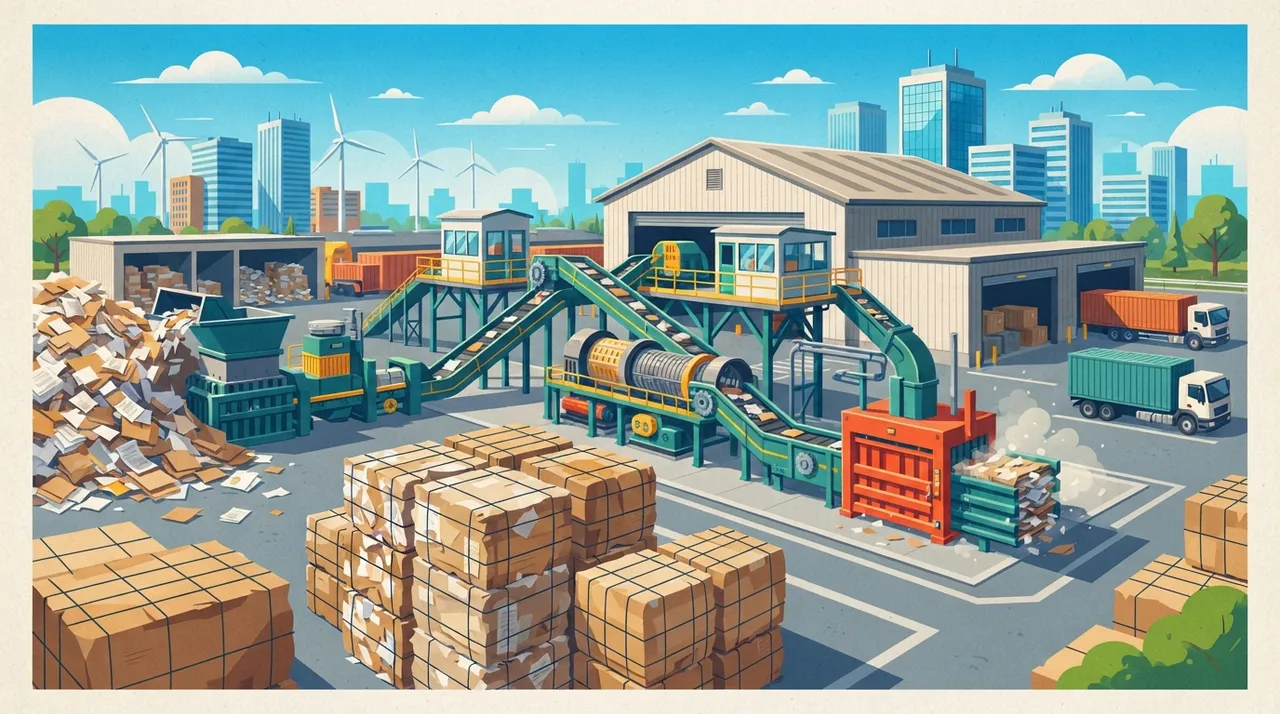
The project for an integrated plant for processing and recycling used lubricating oils in Saudi Arabia represents a promising investment opportunity within the Kingdom's drive towards a circular economy and environmental sustainability. The business model relies on collecting used lubricating oils from diverse sources such as car maintenance workshops, transport fleets, and industrial facilities, then processing them using vacuum distillation technology to produce high-quality base oils. These base oils can be used in the production of new lubricating oils, hydraulic oils, or industrial fuels. The target customer includes large industrial companies, grease manufacturers, and power plants. The project contributes to reducing environmental pollution resulting from improper disposal of used oils and lowers the consumption of natural resources.
Market Study and Demand
The lubricating oil market in Saudi Arabia is experiencing continuous growth, with its estimated size reaching USD 1.39 billion in 2026, and it is expected to reach USD 1.72 billion by 2034, with a compound annual growth rate (CAGR) of 2.69% between 2026 and 2034. This growth is attributed to the rapid expansion of vehicle fleets, industrial activities within Vision 2030, and the consumption of lubricating oils in the oil and gas sector. Engine oils dominate 44.8% of the market, and the automotive sector accounts for 52.6% of consumption. There is increasing demand for recycled products due to their competitive prices and quality, in addition to growing environmental awareness. Government regulations and trends towards a circular economy are also driving the recycling of used oils in Saudi Arabia.
Market Sizing (TAM / SAM / SOM)
The market was sized based on estimates of the total lubricating oil market volume in Saudi Arabia at current prices, taking into account expected market growth. The percentage available for recycling represents a portion of the total lubricating oil market that can be effectively collected and processed. The realistic target market was estimated based on the project's competitiveness, the technologies used, and the expected market share the project can capture, considering current and potential competitors.
| Level | Annual Size | Description |
|---|---|---|
| TAM — Total Addressable Market | 5212.5 million SAR | Total serviceable demand |
| SAM — Serviceable Available Market | 1563.8 million SAR | The segment your model reaches |
| SOM — Serviceable Obtainable Market | 234.6 million SAR | Your realistic early share |
Sizing Basis: The Total Addressable Market (TAM) is based on estimates of the lubricating oil market in Saudi Arabia (USD 1.39 billion in 2026, approximately SAR 5.21 billion). The Serviceable Available Market (SAM) represents 30% of TAM based on the potential to recycle a significant portion of used oils, and the Serviceable Obtainable Market (SOM) represents 15% of SAM as a realistic achievable share.
Unit Economics
Measures the profitability of each sales unit/customer — the most accurate feasibility indicator:
| Unit Indicator | Value |
|---|---|
| Sales Unit | Ton of Base Oil |
| Average Price/Revenue per Unit | ٣٬٠٠٠ ر.س |
| Customer Acquisition Cost (CAC) | ١٬٠٠٠ ر.س |
| Customer Lifetime Value (LTV) | ١٥٬٠٠٠ ر.س |
| LTV/CAC Ratio | ١٥× (Healthy) |
| Contribution Margin | ٤٠٪ |
Competitive Analysis
The Saudi market for oil recycling is experiencing increasing competition, but there is an opportunity for differentiation through product quality and technology used. Current competitors may face challenges in operational efficiency and product quality. The project's sustainable advantage lies in using advanced vacuum distillation technology to produce high-quality base oils, which may surpass the quality of recycled products using less developed technologies. Additionally, there will be a focus on building strong relationships with suppliers (used oil collectors) and industrial customers to ensure continuity of supply and demand. Adherence to high environmental standards and providing a sustainable product enhances competitive advantage.
Market Entry and Pricing Plan
The market entry plan will focus on targeting industrial customers, grease manufacturers, and power plants. Marketing will be conducted through direct channels via specialized sales teams to build strong relationships with large companies, in addition to participating in specialized industrial exhibitions. Emphasis will be placed on the high quality of base oils produced using vacuum distillation technology, and their environmental and economic benefits. The pricing strategy will be competitive, offering attractive pricing packages for large quantities and long-term contracts. Partnerships with governmental and private entities supporting environmental initiatives will enhance the project's reach.
Capacity and Operations
The proposed initial production capacity of the plant is approximately 3000 metric tons per year of base oils. Occupancy is expected to gradually increase from 60% in the first year to 85% in the fifth year.
Daily operations include receiving and inspecting used lubricating oils, storing them, and then processing them through vacuum distillation stages. Strict quality control procedures will be applied at each stage to ensure that the produced base oils meet the required specifications. The focus will be on energy consumption efficiency and reducing waste generated from the treatment process. Regular maintenance plans for equipment will also be put in place to ensure continuous operation and minimize breakdowns.
The project relies on Vacuum Distillation technology for processing used lubricating oils. This technology allows for the separation of heavy components and the production of high-quality base oils at low temperatures, preventing thermal degradation of oils. Key equipment includes used oil receiving tanks, pumps, filtration and water/sediment separation units, industrial boilers, condensers, and vacuum distillation machines. The site will require an area of no less than 500 square meters in an industrial zone, close to main roads and raw material sources to reduce transportation costs. Suppliers will be selected based on their ability to provide raw materials (used lubricating oils) of consistent quality and quantity.
Projected Income Statement (5 Years)
| Item \ Year | Y1 | Y2 | Y3 | Y4 | Y5 |
|---|---|---|---|---|---|
| Revenue | ٩٬٠٠٠٬٠٠٠ ر.س | ٩٬٧٢٠٬٠٠٠ ر.س | ١٠٬٤٩٧٬٦٠٠ ر.س | ١١٬٣٣٧٬٤٠٨ ر.س | ١٢٬٢٤٤٬٤٠١ ر.س |
| Cost of Sales | (٤٬٩٥٠٬٠٠٠ ر.س) | (٥٬٣٤٦٬٠٠٠ ر.س) | (٥٬٧٧٣٬٦٨٠ ر.س) | (٦٬٢٣٥٬٥٧٤ ر.س) | (٦٬٧٣٤٬٤٢٠ ر.س) |
| Gross Profit | ٤٬٠٥٠٬٠٠٠ ر.س | ٤٬٣٧٤٬٠٠٠ ر.س | ٤٬٧٢٣٬٩٢٠ ر.س | ٥٬١٠١٬٨٣٤ ر.س | ٥٬٥٠٩٬٩٨٠ ر.س |
| Operating Expenses | (٢٬٧٠٠٬٠٠٠ ر.س) | (٢٬٩١٦٬٠٠٠ ر.س) | (٣٬١٤٩٬٢٨٠ ر.س) | (٣٬٤٠١٬٢٢٢ ر.س) | (٣٬٦٧٣٬٣٢٠ ر.س) |
| EBITDA | ١٬٣٥٠٬٠٠٠ ر.س | ١٬٤٥٨٬٠٠٠ ر.س | ١٬٥٧٤٬٦٤٠ ر.س | ١٬٧٠٠٬٦١١ ر.س | ١٬٨٣٦٬٦٦٠ ر.س |
| Tax | (٠ ر.س) | (٠ ر.س) | (٠ ر.س) | (٠ ر.س) | (٠ ر.س) |
| Net Profit | -١٬٠٥٠٬٠٠٠ ر.س | -٩٤٢٬٠٠٠ ر.س | -٨٢٥٬٣٦٠ ر.س | -٦٩٩٬٣٨٩ ر.س | -٥٦٣٬٣٤٠ ر.س |
| Net Margin | -١٢٪ | -١٠٪ | -٨٪ | -٦٪ | -٥٪ |
Investment Cost Structure
| Item | Cost | Percentage |
|---|---|---|
| Equipment and Machinery Costs (Vacuum Distillation) | ٥٬٤٠٠٬٠٠٠ ر.س | ٤٥٪ |
| Construction and Infrastructure Costs | ٣٬٠٠٠٬٠٠٠ ر.س | ٢٥٪ |
| Initial Working Capital and Inventory | ١٬٨٠٠٬٠٠٠ ر.س | ١٥٪ |
| Licenses, Studies, and Consulting Costs | ٦٠٠٬٠٠٠ ر.س | ٥٪ |
| Initial Marketing and Sales Costs | ٦٠٠٬٠٠٠ ر.س | ٥٪ |
| Contingency and Unexpected Expenses | ٦٠٠٬٠٠٠ ر.س | ٥٪ |
Cash Flow and Breakeven Point
| Year | Operating Cash Flow | Cumulative Cash Flow |
|---|---|---|
| Year 1 | ١٬٣٥٠٬٠٠٠ ر.س | -١٠٬٦٥٠٬٠٠٠ ر.س |
| Year 2 | ١٬٤٥٨٬٠٠٠ ر.س | -٩٬١٩٢٬٠٠٠ ر.س |
| Year 3 | ١٬٥٧٤٬٦٤٠ ر.س | -٧٬٦١٧٬٣٦٠ ر.س |
| Year 4 | ١٬٧٠٠٬٦١١ ر.س | -٥٬٩١٦٬٧٤٩ ر.س |
| Year 5 | ١٬٨٣٦٬٦٦٠ ر.س | -٤٬٠٨٠٬٠٨٩ ر.س |
Estimated breakeven point at annual revenue ≈ ١١٬٣٣٣٬٣٣٣ ر.س (~١٢٦٪ of first year revenue), with a contribution margin of ٤٥٪. Cumulative cash breakeven is beyond the study horizon.
Funding Structure
| Funding Source | Percentage | Amount |
|---|---|---|
| Equity | ٦٠٪ | ٧٬٢٠٠٬٠٠٠ ر.س |
| Debt Funding (7% interest) | ٤٠٪ | ٤٬٨٠٠٬٠٠٠ ر.س |
Sensitivity Analysis (Revenue × Operations)
The combined impact of changes in revenue and costs on Net Present Value:
| Revenue \ Operations | −10٪ | −5٪ | Base | +5٪ | +10٪ |
|---|---|---|---|---|---|
| −20٪ | -٤٬١١١٬١٠١ ر.س | -٥٬٦٨٨٬٢٧٤ ر.س | -٧٬٢٦٦٬٢٠٥ ر.س | -٨٬٨٤٤٬١٣٧ ر.س | -١٠٬٤٢٢٬٠٦٨ ر.س |
| −10٪ | -٣٬١٣٢٬٢٢٢ ر.س | -٤٬٨٩٩٬٣٠٨ ر.س | -٦٬٦٧٤٬٤٨١ ر.س | -٨٬٤٤٩٬٦٥٤ ر.س | -١٠٬٢٢٤٬٨٢٧ ر.س |
| Base | -٢٬١٦٠٬٤٤١ ر.س | -٤٬١١١٬١٠١ ر.س | -٦٬٠٨٢٬٧٥٦ ر.س | -٨٬٠٥٥٬١٧١ ر.س | -١٠٬٠٢٧٬٥٨٥ ر.س |
| +10٪ | -١٬١٩٥٬٤٨٠ ر.س | -٣٬٣٢٧٬٥٤٥ ر.س | -٥٬٤٩١٬٠٣٢ ر.س | -٧٬٦٦٠٬٦٨٨ ر.س | -٩٬٨٣٠٬٣٤٤ ر.س |
| +20٪ | -٢٣٣٬٩٢٨ ر.س | -٢٬٥٤٨٬٤٩٦ ر.س | -٤٬٨٩٩٬٣٠٨ ر.س | -٧٬٢٦٦٬٢٠٥ ر.س | -٩٬٦٣٣٬١٠٣ ر.س |
Scenario Analysis
| Scenario | Probability | NPV | Assessment |
|---|---|---|---|
| Pessimistic | ٢٥٪ | -٨٬٢١٢٬٩٦٤ ر.س | Not feasible |
| Base | ٥٠٪ | -٦٬٠٨٢٬٧٥٦ ر.س | Not feasible |
| Optimistic | ٢٥٪ | -٣٬٤٨٣٬٨٠٤ ر.س | Not feasible |
Expected Present Value (Weighted): -٥٬٩٦٥٬٥٧٠ ر.س.
Risk Analysis and Management
| Risk | Probability | Impact | Mitigation |
|---|---|---|---|
| Fluctuations in raw material prices (used lubricating oils) | Medium | High | Long-term contracts with suppliers, diversification of supply sources. |
| Intense market competition | Medium | Medium | Focus on high product quality, building strong customer relationships, effective marketing strategies. |
| Regulatory and environmental changes | Low | High | Continuous monitoring of regulations, adherence to highest environmental standards, flexibility in adaptation. |
| Challenges in securing specialized technical staff | Medium | Medium | Investment in training and development, attracting talent, partnering with educational institutions. |
Organizational Structure and Team
The organizational structure will include a general manager for the project, a technical operations manager with experience in oil refining, chemical engineers, and specialized technicians for operating and maintaining vacuum distillation equipment, in addition to an administrative team and accountants. Investment will be made in training staff to ensure the application of best practices in operation, quality, and safety.
Legal and Regulatory Aspects
The project requires obtaining industrial and environmental licenses from relevant government agencies in Saudi Arabia, such as the Ministry of Industry and Mineral Resources, the Ministry of Environment, Water and Agriculture, and the Zakat, Tax and Customs Authority. Strict adherence to environmental regulations and standards related to industrial waste treatment and recycling is mandatory.
Expansion and Sustainability Plan
The future expansion plan includes increasing the plant's production capacity to meet growing demand in the local and regional markets. This can be achieved by adding additional distillation units or improving the efficiency of existing units. The possibility of producing other types of specialized lubricating oils or high-value-added by-products can also be explored, as well as exploring new export markets in GCC countries.
Environmental, Social, and Governance (ESG) Impact
The project has a significant positive environmental impact, as it contributes to reducing pollution resulting from improper disposal of used lubricating oils and protects soil and groundwater from contamination by toxic pollutants. It also supports circular economy principles by converting waste into valuable resources and reduces the consumption of natural resources and energy required to produce base oils from crude oil. Best practices in environmental and social governance will be applied, and occupational safety and health standards will be adhered to.
Conclusions and Recommendations
The project for a plant to process and recycle used lubricating oils using vacuum distillation technology demonstrates high economic and environmental feasibility in Saudi Arabia. With expected industrial growth and a shift towards sustainability, the project offers a profitable investment opportunity that contributes to achieving the goals of Vision 2030. It is recommended to proceed with the project, focusing on operational efficiency and high product quality.
Frequently Asked Questions
What is the cost of establishing a lubricating oil recycling plant using vacuum distillation technology in Saudi Arabia?
The cost of establishing a medium-sized lubricating oil recycling plant using vacuum distillation technology in Saudi Arabia ranges between SAR 700,000 to SAR 1,200,000 for the core machine, and the total project cost may reach approximately SAR 12 million including construction, other equipment, and working capital.
What is the expected return from an oil recycling project in Saudi Arabia?
An oil recycling project in Saudi Arabia can achieve an investment return exceeding 20% annually, with expected first-year revenues of around SAR 9 million for a project with an investment size of SAR 12 million, and a breakeven point achievable within 3 to 5 years.
Is an oil recycling project profitable in Saudi Arabia?
Yes, an oil recycling project is considered highly profitable in Saudi Arabia, where plants can achieve profits of up to 50% of the total cost per cycle, and may exceed 70% depending on oil purity and daily production volume.
What licenses are required for an oil recycling project in Saudi Arabia?
The project requires obtaining industrial licenses from the Ministry of Industry and Mineral Resources, and environmental licenses from the Ministry of Environment, Water and Agriculture, in addition to complying with the regulations of the Zakat, Tax and Customs Authority.
What funding sources are available for such projects in Saudi Arabia?
Funding can be obtained from the Saudi Industrial Development Fund (SIDF) through initiatives such as 'Promising Factories' which offers facilitated financing up to 50% of the project cost and a grace period of up to 24 months, in addition to Sharia-compliant financing programs from entities like 'Lindo'.
Sources and Disclaimer
- IMARC Group and Mordor Intelligence reports on the lubricating oil market in Saudi Arabia
- Specialized feasibility studies in oil recycling
- Information on vacuum distillation technology and equipment costs
- Data from the Zakat, Tax and Customs Authority in Saudi Arabia
- Saudi Industrial Development Fund and industrial support initiatives
Disclaimer: This is a guiding study that provides financial analysis according to approved sector standards; verify the figures locally according to your project's reality before any investment decision.