Executive Summary
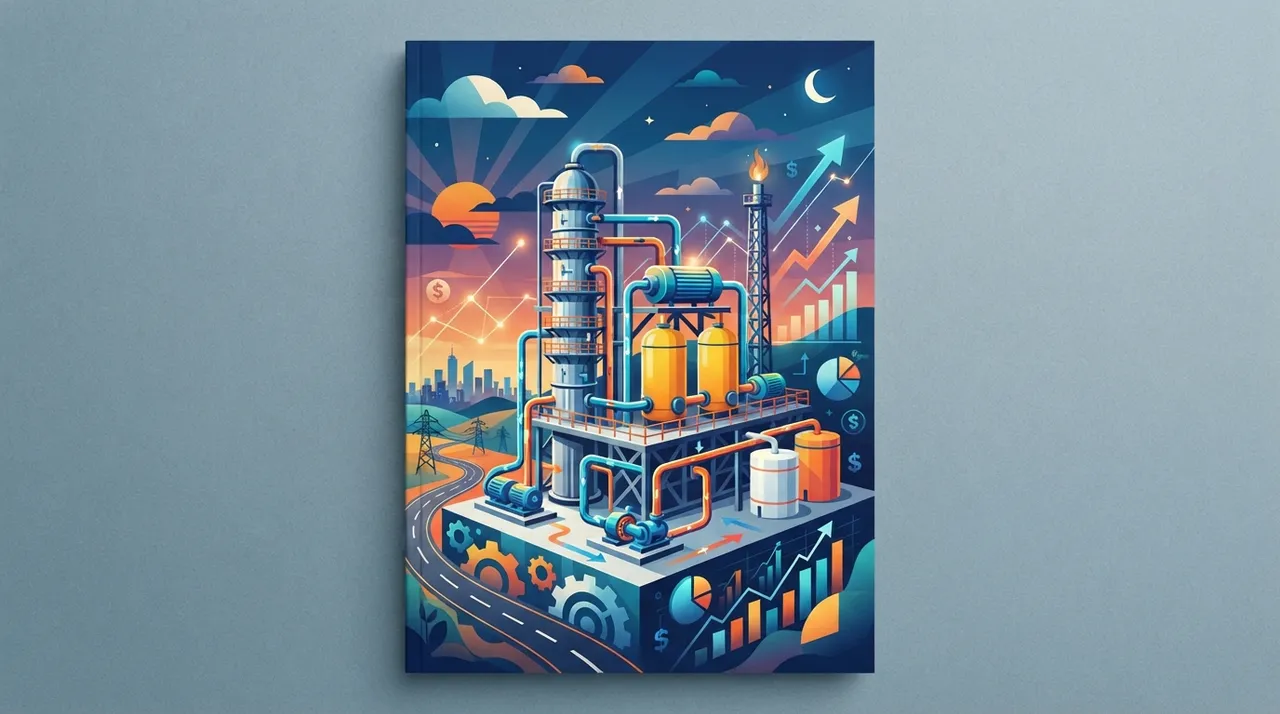
The project Integrated Green Hydrogen Production Plant from Seawater using Sustainable Electrolysis Technology in the Sultanate of Oman, with a Focus on Utilizing Abundant Solar Energy in Oman's energy and environment sector targets a promising market opportunity. With an investment of ٢٥٠٬٠٠٠٬٠٠٠ OMR, it achieves a Net Present Value of -٢٣٨٬٧٨٢٬٦١٧ OMR, an Internal Rate of Return of -٥٢٪, and a payback period of — years.
| Indicator | Value |
|---|---|
| Initial Investment | ٢٥٠٬٠٠٠٬٠٠٠ OMR |
| Year 1 Revenue | ١٥٬٠٠٠٬٠٠٠ OMR |
| Annual Growth (CAGR) | ١٢٪ |
| Net Margin (Y1) | -٣١٨٪ |
| Return on Investment (Avg.) | -١٩٪ annually |
| Net Present Value (NPV) | -٢٣٨٬٧٨٢٬٦١٧ OMR |
| Internal Rate of Return (IRR) | -٥٢٪ |
| Profitability Index (PI) | ٠ |
| Payback Period | — |
| Break-even Year | — |
| Expected NPV (Probability-Weighted) | -٢٣٨٬٦٣٣٬٠٥٢ OMR |
Assumptions and Basis
The figures in this study are based on project data, the nature of Oman's energy and environment sector, and local market indicators, according to the following assumptions:
| Assumption | Value |
|---|---|
| Initial Capital | ٢٥٠٬٠٠٠٬٠٠٠ OMR |
| Year 1 Revenue | ١٥٬٠٠٠٬٠٠٠ OMR |
| Annual Growth | ١٢٪ |
| Cost of Goods Sold (COGS) | ٦٥٪ of Revenue |
| Operating Expenses | ٢٠٪ of Revenue |
| Tax/Zakat | ١٥٪ |
| Discount Rate (WACC) | ٨٪ |
| Study Horizon | ٥ years |
Basis of Assumptions: The figures are estimates for a large-scale renewable energy project in Oman, considering government support, increasing global demand for green hydrogen, and the expected profit margin in the initial years before achieving economies of scale.
Project Description and Opportunity
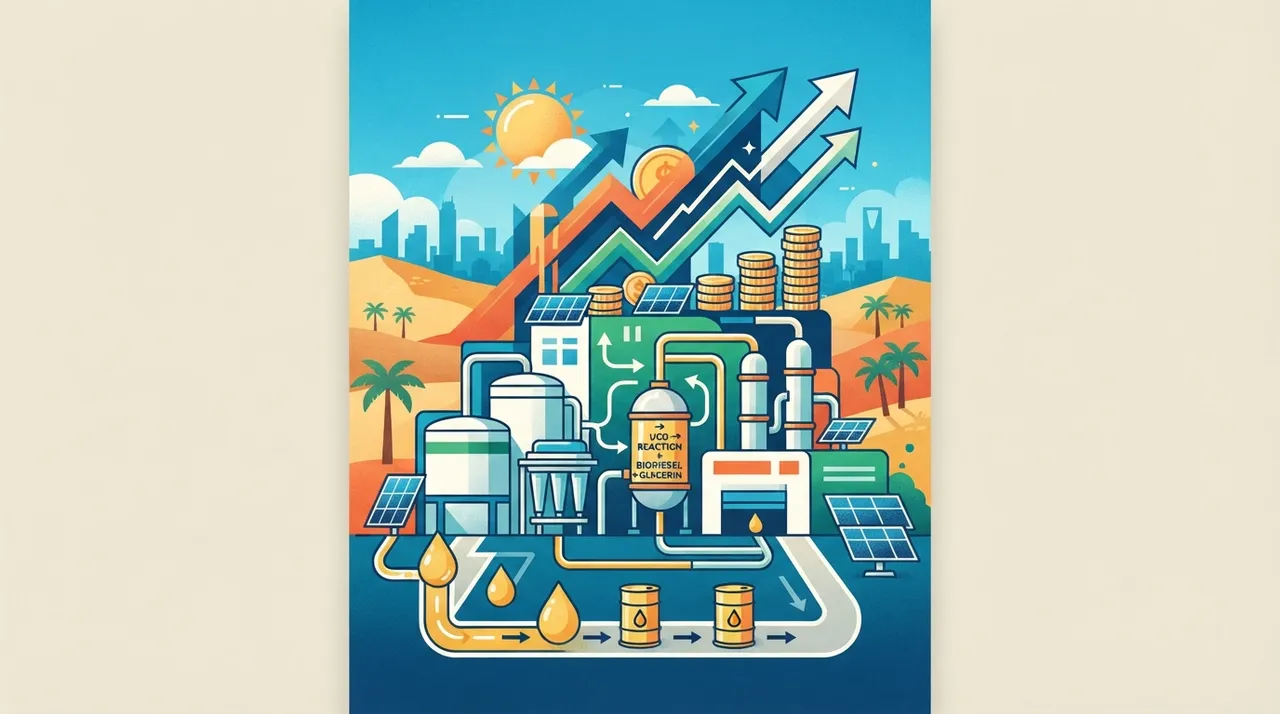
The project aims to establish an integrated green hydrogen production plant in the Sultanate of Oman, leveraging its strategic location and abundant solar energy resources. The business model relies on seawater electrolysis using renewable energy, with a focus on exporting to global markets transitioning towards carbon neutrality. Target customers include major industrial companies, the maritime transport sector, and power generation plants seeking to reduce their carbon footprint.
Market Study and Demand
The green hydrogen market is experiencing accelerated growth regionally and internationally, driven by global efforts to combat climate change and transition towards low-carbon economies. The Sultanate of Oman aims to be a major hub for green hydrogen production and export, benefiting from high solar irradiance and stable wind speeds, in addition to existing port and pipeline infrastructure. Oman is also allocating vast land areas for green hydrogen projects in regions such as Duqm, Salalah, and Al Jazer.
Market Sizing (TAM / SAM / SOM)
Market sizing was conducted based on global growth forecasts for the green hydrogen sector, considering national strategies of countries like Germany, Japan, and South Korea, which aim to import large quantities of green hydrogen to meet their industrial and transport sector needs. Existing and future projects in Oman, targeting annual production of millions of tons of green hydrogen and its derivatives, were also considered.
| Level | Annual Size | Description |
|---|---|---|
| TAM — Total Addressable Market | 770000.0 million OMR | Total serviceable demand |
| SAM — Serviceable Available Market | 500.0 million OMR | The portion reachable by your model |
| SOM — Serviceable Obtainable Market | 50.0 million OMR | Your realistic early share |
Basis of Sizing: The Total Addressable Market (TAM) reflects global forecasts for the green hydrogen market, while the Serviceable Available Market (SAM) and Serviceable Obtainable Market (SOM) focus on regional and international opportunities available to Oman as an export hub.
Unit Economics
Measures the profitability of each unit sale/customer — the most accurate feasibility indicator:
| Unit Indicator | Value |
|---|---|
| Unit of Sale | Metric ton of Green Hydrogen |
| Average Price/Revenue per Unit | ٦٠٠ OMR |
| Customer Acquisition Cost (CAC) | — |
| Customer Lifetime Value (LTV) | — |
| LTV/CAC Ratio | — |
| Contribution Margin | ١٥٪ |
Competitive Analysis
The Sultanate of Oman possesses a sustainable competitive advantage due to its abundant renewable energy sources (solar and wind) and strategic geographical location facilitating exports to Asian and European markets. Oman competes with other countries in the region seeking to enter the green hydrogen market. However, a clear national strategy and the establishment of companies like 'Hydrogen Oman' (Hydrom) to regulate the sector provide it with a competitive edge.
Market Entry and Pricing Plan
The market entry plan relies on signing long-term off-take agreements with key consumers in Europe and Asia. Marketing efforts will focus on highlighting the competitive advantage of Omani green hydrogen in terms of low cost, high quality, and sustainability. Direct channels will be used to communicate with companies and government institutions, in addition to participation in specialized international conferences and events. The pricing strategy will be determined based on Oman's competitive production costs, which are among the lowest globally.
Capacity and Operations
Phase one: Production of 25,000 metric tons of green hydrogen annually, with a plan for gradual expansion to increase production capacity to 100,000 metric tons annually within 5 years. The expected occupancy rate starts at 60% in the first year and gradually increases to 90% with improved operational efficiency and demand.
Daily plant operations will include continuous monitoring of electrolyzer and solar power plant performance, and periodic maintenance of equipment to ensure the highest levels of efficiency and reliability. Strict quality, safety, and environmental management systems will be applied according to international standards, with a focus on safety in handling compressed hydrogen.
The technical aspect of the project includes a seawater desalination plant using reverse osmosis technology to provide the pure water needed for the electrolysis process. Advanced electrolyzers will be used to produce hydrogen and oxygen. The plant relies on solar energy generated from large-scale solar farms, with the possibility of integrating wind energy. The proposed location will be in one of Oman's special economic zones, such as Duqm, which has strong infrastructure and suitable natural resources. Cooperation with global suppliers of electrolysis and renewable energy technologies will be established.
Projected Income Statement (5 years)
| Item \ Year | Y1 | Y2 | Y3 | Y4 | Y5 |
|---|---|---|---|---|---|
| Revenues | ١٥٬٠٠٠٬٠٠٠ OMR | ١٦٬٨٠٠٬٠٠٠ OMR | ١٨٬٨١٦٬٠٠٠ OMR | ٢١٬٠٧٣٬٩٢٠ OMR | ٢٣٬٦٠٢٬٧٩٠ OMR |
| Cost of Sales | (٩٬٧٥٠٬٠٠٠ OMR) | (١٠٬٩٢٠٬٠٠٠ OMR) | (١٢٬٢٣٠٬٤٠٠ OMR) | (١٣٬٦٩٨٬٠٤٨ OMR) | (١٥٬٣٤١٬٨١٤ OMR) |
| Gross Profit | ٥٬٢٥٠٬٠٠٠ OMR | ٥٬٨٨٠٬٠٠٠ OMR | ٦٬٥٨٥٬٦٠٠ OMR | ٧٬٣٧٥٬٨٧٢ OMR | ٨٬٢٦٠٬٩٧٧ OMR |
| Operating Expenses | (٣٬٠٠٠٬٠٠٠ OMR) | (٣٬٣٦٠٬٠٠٠ OMR) | (٣٬٧٦٣٬٢٠٠ OMR) | (٤٬٢١٤٬٧٨٤ OMR) | (٤٬٧٢٠٬٥٥٨ OMR) |
| EBITDA | ٢٬٢٥٠٬٠٠٠ OMR | ٢٬٥٢٠٬٠٠٠ OMR | ٢٬٨٢٢٬٤٠٠ OMR | ٣٬١٦١٬٠٨٨ OMR | ٣٬٥٤٠٬٤١٩ OMR |
| Tax | (٠ OMR) | (٠ OMR) | (٠ OMR) | (٠ OMR) | (٠ OMR) |
| Net Profit | -٤٧٬٧٥٠٬٠٠٠ OMR | -٤٧٬٤٨٠٬٠٠٠ OMR | -٤٧٬١٧٧٬٦٠٠ OMR | -٤٦٬٨٣٨٬٩١٢ OMR | -٤٦٬٤٥٩٬٥٨١ OMR |
| Net Margin | -٣١٨٪ | -٢٨٣٪ | -٢٥١٪ | -٢٢٢٪ | -١٩٧٪ |
Investment Cost Structure
| Item | Cost | Percentage |
|---|---|---|
| Renewable Energy Plants (Solar and Wind) | ١١٢٬٥٠٠٬٠٠٠ OMR | ٤٥٪ |
| Electrolysis Units and Water Treatment Equipment | ٧٥٬٠٠٠٬٠٠٠ OMR | ٣٠٪ |
| Storage and Transportation Infrastructure (Pipelines and Ports) | ٣٧٬٥٠٠٬٠٠٠ OMR | ١٥٪ |
| Civil and Construction Works | ١٢٬٥٠٠٬٠٠٠ OMR | ٥٪ |
| Engineering, Consulting, and Licensing Fees | ١٢٬٥٠٠٬٠٠٠ OMR | ٥٪ |
Cash Flow and Break-even Point
| Year | Operating Cash Flow | Cumulative Cash Flow |
|---|---|---|
| Year 1 | ٢٬٢٥٠٬٠٠٠ OMR | -٢٤٧٬٧٥٠٬٠٠٠ OMR |
| Year 2 | ٢٬٥٢٠٬٠٠٠ OMR | -٢٤٥٬٢٣٠٬٠٠٠ OMR |
| Year 3 | ٢٬٨٢٢٬٤٠٠ OMR | -٢٤٢٬٤٠٧٬٦٠٠ OMR |
| Year 4 | ٣٬١٦١٬٠٨٨ OMR | -٢٣٩٬٢٤٦٬٥١٢ OMR |
| Year 5 | ٣٬٥٤٠٬٤١٩ OMR | -٢٣٥٬٧٠٦٬٠٩٣ OMR |
Estimated break-even point at annual revenue ≈ ١٥١٬٤٢٨٬٥٧١ OMR (~١٬٠١٠٪ of Year 1 revenue), with a contribution margin of ٣٥٪. Cumulative cash break-even is beyond the study horizon.
Funding Structure
| Funding Source | Percentage | Amount |
|---|---|---|
| Equity | ٤٠٪ | ١٠٠٬٠٠٠٬٠٠٠ OMR |
| Debt Financing (6% interest) | ٦٠٪ | ١٥٠٬٠٠٠٬٠٠٠ OMR |
Sensitivity Analysis (Revenue × Operations)
Impact of combined changes in revenue and costs on Net Present Value:
| Revenue \ Operations | −10٪ | −5٪ | Base | +5٪ | +10٪ |
|---|---|---|---|---|---|
| −20٪ | -٢٣٥٬٠٤٣٬٤٩٠ OMR | -٢٣٨٬٠٣٤٬٧٩٢ OMR | -٢٤١٬٠٢٦٬٠٩٤ OMR | -٢٤٤٬٠١٧٬٣٩٦ OMR | -٢٤٧٬٠٠٨٬٦٩٨ OMR |
| −10٪ | -٢٣٣٬١٧٣٬٩٢٦ OMR | -٢٣٦٬٥٣٩٬١٤١ OMR | -٢٣٩٬٩٠٤٬٣٥٦ OMR | -٢٤٣٬٢٦٩٬٥٧٠ OMR | -٢٤٦٬٦٣٤٬٧٨٥ OMR |
| Base | -٢٣١٬٣٠٤٬٣٦٢ OMR | -٢٣٥٬٠٤٣٬٤٩٠ OMR | -٢٣٨٬٧٨٢٬٦١٧ OMR | -٢٤٢٬٥٢١٬٧٤٥ OMR | -٢٤٦٬٢٦٠٬٨٧٢ OMR |
| +10٪ | -٢٢٩٬٤٣٤٬٧٩٨ OMR | -٢٣٣٬٥٤٧٬٨٣٩ OMR | -٢٣٧٬٦٦٠٬٨٧٩ OMR | -٢٤١٬٧٧٣٬٩١٩ OMR | -٢٤٥٬٨٨٦٬٩٦٠ OMR |
| +20٪ | -٢٢٧٬٥٦٥٬٢٣٥ OMR | -٢٣٢٬٠٥٢٬١٨٨ OMR | -٢٣٦٬٥٣٩٬١٤١ OMR | -٢٤١٬٠٢٦٬٠٩٤ OMR | -٢٤٥٬٥١٣٬٠٤٧ OMR |
Scenario Analysis
| Scenario | Probability | NPV | Assessment |
|---|---|---|---|
| Pessimistic | ٢٥٪ | -٢٤٢٬٢٢٢٬٦١٥ OMR | Not Feasible |
| Base | ٥٠٪ | -٢٣٨٬٧٨٢٬٦١٧ OMR | Not Feasible |
| Optimistic | ٢٥٪ | -٢٣٤٬٧٤٤٬٣٦٠ OMR | Not Feasible |
Expected Present Value (Weighted): -٢٣٨٬٦٣٣٬٠٥٢ OMR.
Risk Analysis and Management
| Risk | Likelihood | Impact | Mitigation |
|---|---|---|---|
| Fluctuations in global green hydrogen prices | Medium | High | Signing long-term off-take agreements with fixed or flexible pricing mechanisms acceptable to both parties. |
| Technical and operational challenges related to large-scale seawater desalination and electrolysis | Medium | Medium | Engaging specialized experts and proven technologies, and implementing strict preventive maintenance programs. |
| Changes in government policies or regulatory frameworks related to renewable energy and green hydrogen | Low | Medium | Closely monitoring legislative developments, building strong relationships with relevant government entities, and leveraging current government support. |
| Competition from other green hydrogen projects in the region or globally | Medium | Medium | Focusing on reducing production costs, improving efficiency, and developing value-added derivative products. |
| Safety risks related to handling hydrogen (flammability and leakage) | Low | High | Implementing the highest industrial safety and security standards, regular staff training, and using advanced detection and monitoring systems. |
Organizational Structure and Team
The project's organizational structure will include a highly efficient administrative, engineering, and operational team, comprising experts in renewable energy, electrolysis, and large-scale project management. International and local expertise will be leveraged to ensure efficient project implementation and operation. The Sultanate of Oman is committed to localizing industries and developing national competencies in this sector.
Legal and Regulatory Aspects
The project requires obtaining multiple licenses from relevant government entities in the Sultanate of Oman, such as the Ministry of Energy and Minerals, the Environment Authority, and the Public Services Regulatory Authority. These licenses will include construction and operating permits, water usage licenses, and electricity grid connection licenses. Adherence to local and international environmental and legal standards is essential to ensure compliance.
Expansion and Sustainability Plan
The company plans future expansion by increasing the plant's production capacity and exploring opportunities to produce green hydrogen derivatives such as green ammonia and green methanol, which are experiencing increasing global demand. Partnership opportunities with international companies to develop additional projects in the Sultanate of Oman can also be explored.
Environmental, Social, and Governance (ESG) Impact
The project will have a significant positive environmental and social impact, contributing to carbon emission reduction and supporting Oman's efforts to achieve carbon neutrality by 2050. Best environmental practices will be applied in the plant's design and operation, including waste management and water treatment. The project will create new job opportunities and contribute to local community development through social responsibility programs.
Conclusions and Recommendations
The green hydrogen plant project in the Sultanate of Oman demonstrates promising economic and environmental feasibility, given abundant natural resources, strong government support, and increasing global demand for clean energy. The recommendation is to proceed with the project, focusing on securing the necessary funding and signing long-term sales agreements to ensure its sustainability and success.
Frequently Asked Questions
How much does it cost to build a green hydrogen production plant in the Sultanate of Oman?
The estimated cost of an integrated green hydrogen production plant project in the Sultanate of Oman is approximately 250 million Omani Rials, and can reach up to 750 million US dollars (approximately 288.75 million Omani Rials) for larger projects.
Is the green hydrogen project profitable in the Sultanate of Oman?
Yes, the green hydrogen project is considered promising in the Sultanate of Oman due to the availability of abundant natural renewable energy resources and the expected low production cost (around 1.60 USD per kilogram by 2030), which enhances its competitiveness in global markets.
What licenses are required for a green hydrogen project in the Sultanate of Oman?
The project requires licenses from the Ministry of Energy and Minerals, the Environment Authority, and the Public Services Regulatory Authority, including construction and operating permits, water usage, and electricity grid connection licenses.
What are the main risks of green hydrogen projects?
Key risks include price fluctuations, technical challenges of seawater electrolysis, regulatory changes, competition, and safety risks related to handling hydrogen.
What is the industrial electricity price in the Sultanate of Oman?
Industrial electricity prices vary in the Sultanate of Oman, with cost-reflective tariffs for consumption over 100 kWh, or 21 Baisa per kWh in winter and 29 Baisa in summer for lower consumption.
Sources and Disclaimer
- Green Hydrogen Organisation Reports
- Ministry of Energy and Minerals in the Sultanate of Oman Reports
- International Energy Agency (IEA) Analyses
- Feasibility studies for green hydrogen projects in the MENA region
- Public Services Regulatory Authority in the Sultanate of Oman Data
Disclaimer: This is a guiding study providing financial analysis according to approved industry standards; verify figures locally according to your project's reality before any investment decision.