Executive Summary
A hydroponics farming project in the agricultural sector in Iraq targets a promising market opportunity. With an investment of ٧٥٬٠٠٠٬٠٠٠ IQD, it achieves a Net Present Value (NPV) of -٣٬١١٧٬٢٢١ IQD, an Internal Rate of Return (IRR) of ١٣٪, and a payback period of 3.7 years.
| Indicator | Value |
|---|---|
| Initial Investment | ٧٥٬٠٠٠٬٠٠٠ IQD |
| First Year Revenue | ٩٠٬٠٠٠٬٠٠٠ IQD |
| Annual Growth (CAGR) | ١٢٪ |
| Net Margin (Y1) | ٣٪ |
| Return on Investment (Avg.) | ٩٪ annually |
| Net Present Value (NPV) | -٣٬١١٧٬٢٢١ IQD |
| Internal Rate of Return (IRR) | ١٣٪ |
| Profitability Index (PI) | ١ |
| Payback Period | ٤ years |
| Break-even Year | Year ٤ |
| Expected NPV (Probability-weighted) | -١٬٧٦٠٬١٩٩ IQD |
Assumptions and Basis
The figures in this study are based on project data, the nature of the agricultural sector in Iraq, and local market indicators, according to the following assumptions:
| Assumption | Value |
|---|---|
| Initial Capital | ٧٥٬٠٠٠٬٠٠٠ IQD |
| First Year Revenue | ٩٠٬٠٠٠٬٠٠٠ IQD |
| Annual Growth | ١٢٪ |
| Cost of Goods Sold (COGS) | ٣٥٪ of Revenue |
| Operating Expenses | ٤٥٪ of Revenue |
| Tax/Zakat | ١٠٪ |
| Discount Rate (WACC) | ١٥٪ |
| Study Horizon | ٥ years |
Basis of Assumptions: Figures are based on estimates of average construction and operating costs in Iraq, and local agricultural product selling prices, taking into account government support for the agricultural sector and economic diversification trends. Taxes are calculated based on projected profits, and the discount rate reflects the risks and investment opportunities in the Iraqi agricultural market.
Project Description and Opportunity
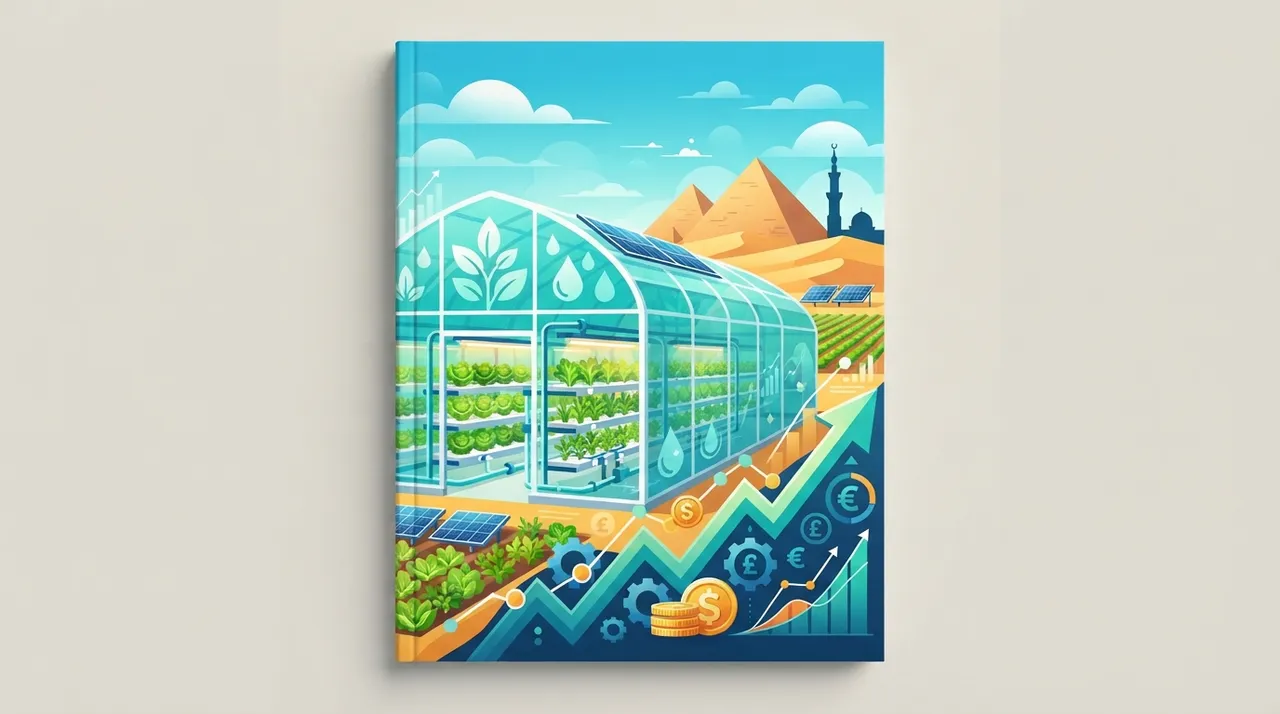
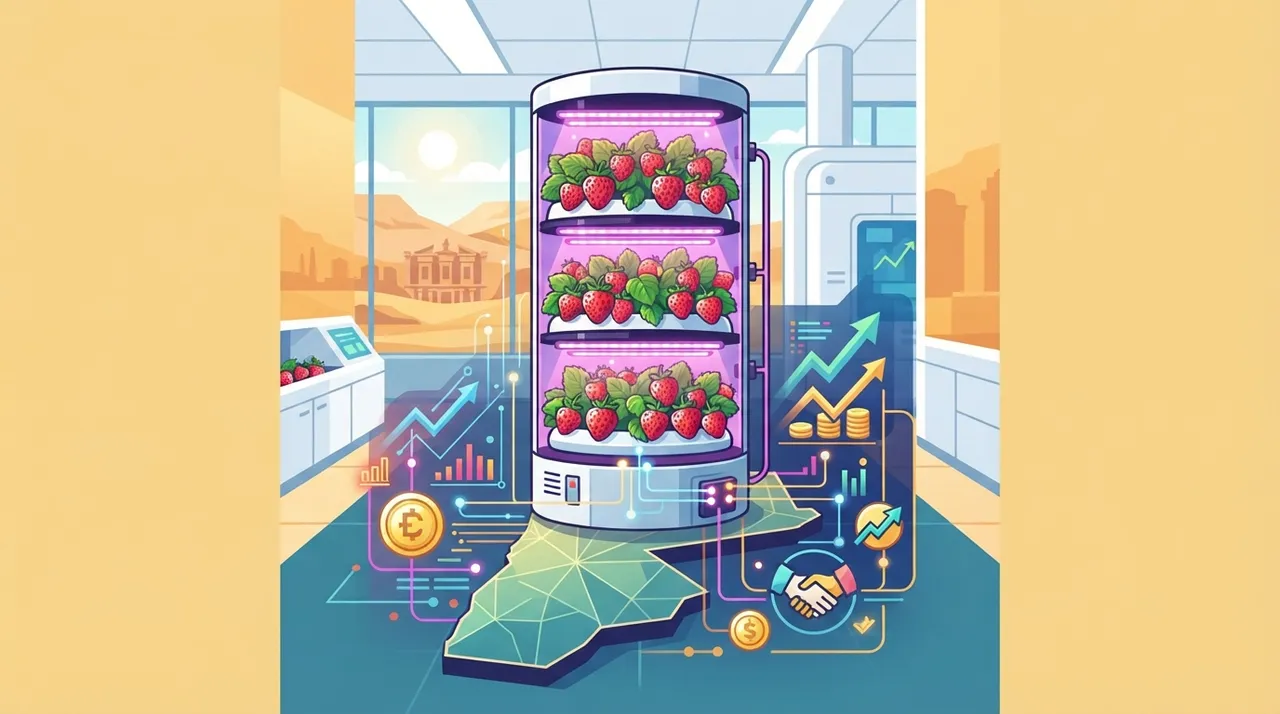
The project aims to establish an integrated hydroponic farm in Iraq, focusing on the production of leafy greens (such as lettuce, arugula, spinach) and small fruits (such as strawberries, cherry tomatoes) which are characterized by high year-round demand and high quality. The project addresses traditional agricultural challenges in Iraq such as water scarcity and soil quality, and provides fresh, healthy products to the local market. Initially, the project targets high-end restaurants, hotels, and specialized retailers who appreciate organic and pesticide-free products. The business model relies on efficient and sustainable production, with a focus on resource use efficiency and providing added value to customers through quality and consistent delivery.
Market Study and Demand
The Iraqi market is experiencing increasing demand for fresh and high-quality agricultural products, with a gap in local supply that meets these needs, especially for products grown using modern, environmentally friendly techniques. Traditional agriculture in Iraq suffers from challenges such as water scarcity, soil degradation, and climate fluctuations, leading to heavy reliance on imports, particularly from neighboring countries. This reliance creates opportunities for local projects that can continuously provide fresh produce. There is also increasing consumer awareness in Iraq about the importance of healthy, pesticide-free food, supporting the growth of the organic and sustainably grown products market. Current trends in vegetable prices indicate a continuous rise, which enhances the feasibility of local production.
Market Sizing (TAM / SAM / SOM)
The market sizing methodology is based on an analysis of available data on consumer spending on vegetables and fruits in Iraq. The Total Addressable Market (TAM) is estimated based on total annual spending. The Serviceable Available Market (SAM) is then determined by estimating the percentage of this market that hydroponics can target, considering the increasing awareness of healthy and sustainable products. The Serviceable Obtainable Market (SOM) realistically focuses on the segment reachable in the project's early years, which includes restaurants, hotels, and specialized retailers, taking into account their purchasing power and desire for distinctive products. Data is collected from local and international market reports, as well as interviews with agricultural sector experts and wholesale and retail traders to estimate expected demand and prices.
| Level | Annual Volume | Description |
|---|---|---|
| TAM — Total Market | 1000000.0 million IQD | Total serviceable demand |
| SAM — Addressable Market | 100000.0 million IQD | The portion your model addresses |
| SOM — Realistic Target | 10000.0 million IQD | Your realistic early share |
Sizing Basis: The Total Addressable Market (TAM) reflects the total annual spending on fresh vegetables and fruits in Iraq. The Serviceable Available Market (SAM) represents the share of hydroponics in this market, while the Serviceable Obtainable Market (SOM) focuses on the segment of restaurants, hotels, and luxury markets seeking high-quality products year-round.
Unit Economics
Measures the profitability of each sales unit/customer — the most accurate feasibility indicator:
| Unit Indicator | Value |
|---|---|
| Sales Unit | Kilogram |
| Average Price/Revenue per Unit | ٢٬٠٠٠ IQD |
| Customer Acquisition Cost (CAC) | ١٥٠ IQD |
| Customer Lifetime Value (LTV) | ٣٠٬٠٠٠ IQD |
| LTV/CAC Ratio | ٢٠٠× (Healthy) |
| Contribution Margin | ٦٠٪ |
Competitive Analysis
The main competitors for the project are large traditional farms that rely on seasonal production, and importers who bring vegetables and fruits from neighboring countries. The sustainable competitive advantage of the hydroponics project lies in its ability to provide fresh, high-quality products year-round, regardless of climatic conditions. Hydroponically grown products are also typically free from pesticides and soil-borne diseases, giving them a health and environmental advantage. The project can build a strong brand focused on quality and sustainability, and establish direct relationships with target customers to ensure their loyalty. The use of modern technologies reduces water consumption and improves production efficiency, contributing to lower long-term costs.
Market Entry and Pricing Strategy
The market entry plan relies on targeting customers from restaurants, hotels, and specialized retailers in the first phase. Direct relationships will be built with these customers through presentations and product samples, focusing on quality and fresh taste. Marketing channels will include participation in local agricultural exhibitions, digital marketing through social media, and creating a website showcasing products and the benefits of hydroponics. Special offers can be provided for large orders or long-term contracts. Pricing will be based on the high quality of products and production costs, while maintaining a competitive profit margin compared to imported products or lower-quality local products. Distinctive packaging bearing the project's brand can be offered to enhance brand awareness.
Capacity and Operations
Phase one: Establishment of an experimental production unit on an area of 300-500 square meters with an initial production capacity of 3-5 tons per month of leafy greens and small fruits. Phase two: Gradual expansion to increase production capacity to 10-15 tons per month within 3 years, with the possibility of adding new crop types.
Daily operations include continuous supervision of hydroponic systems, including monitoring nutrient solution levels, pH, and water temperature. Seeds and seedlings are planted, plant growth is monitored, and crops are harvested at peak times to ensure maximum quality. Strict hygiene and sterilization protocols must be applied to prevent the spread of pests and diseases. Product quality requires periodic water and nutrient testing, as well as visual inspection of crops. Labor will be trained on best practices in hydroponics, including equipment handling, solution preparation, harvesting, and packaging.
The technical aspect involves selecting the most suitable hydroponic system, such as Nutrient Film Technique (NFT) or Deep Water Culture (DWC), that is compatible with the target crops. The project requires greenhouses to control environmental conditions such as temperature, humidity, and lighting. A location that is easily accessible and has reliable sources of electricity and water must be chosen. Reliable suppliers will be contracted for high-quality seeds, specialized hydroponic nutrient solutions, and necessary equipment (pumps, pipes, tanks, sensors). The project also requires an automated control system to monitor and adjust nutrient levels, pH, and environmental conditions to ensure optimal plant growth.
Projected Income Statement (٥ Years)
| Item \ Year | Y1 | Y2 | Y3 | Y4 | Y5 |
|---|---|---|---|---|---|
| Revenue | ٩٠٬٠٠٠٬٠٠٠ IQD | ١٠٠٬٨٠٠٬٠٠٠ IQD | ١١٢٬٨٩٦٬٠٠٠ IQD | ١٢٦٬٤٤٣٬٥٢٠ IQD | ١٤١٬٦١٦٬٧٤٢ IQD |
| Cost of Sales | (٣١٬٥٠٠٬٠٠٠ IQD) | (٣٥٬٢٨٠٬٠٠٠ IQD) | (٣٩٬٥١٣٬٦٠٠ IQD) | (٤٤٬٢٥٥٬٢٣٢ IQD) | (٤٩٬٥٦٥٬٨٦٠ IQD) |
| Gross Profit | ٥٨٬٥٠٠٬٠٠٠ IQD | ٦٥٬٥٢٠٬٠٠٠ IQD | ٧٣٬٣٨٢٬٤٠٠ IQD | ٨٢٬١٨٨٬٢٨٨ IQD | ٩٢٬٠٥٠٬٨٨٣ IQD |
| Operating Expenses | (٤٠٬٥٠٠٬٠٠٠ IQD) | (٤٥٬٣٦٠٬٠٠٠ IQD) | (٥٠٬٨٠٣٬٢٠٠ IQD) | (٥٦٬٨٩٩٬٥٨٤ IQD) | (٦٣٬٧٢٧٬٥٣٤ IQD) |
| EBITDA | ١٨٬٠٠٠٬٠٠٠ IQD | ٢٠٬١٦٠٬٠٠٠ IQD | ٢٢٬٥٧٩٬٢٠٠ IQD | ٢٥٬٢٨٨٬٧٠٤ IQD | ٢٨٬٣٢٣٬٣٤٨ IQD |
| Tax | (٣٠٠٬٠٠٠ IQD) | (٥١٦٬٠٠٠ IQD) | (٧٥٧٬٩٢٠ IQD) | (١٬٠٢٨٬٨٧٠ IQD) | (١٬٣٣٢٬٣٣٥ IQD) |
| Net Profit | ٢٬٧٠٠٬٠٠٠ IQD | ٤٬٦٤٤٬٠٠٠ IQD | ٦٬٨٢١٬٢٨٠ IQD | ٩٬٢٥٩٬٨٣٤ IQD | ١١٬٩٩١٬٠١٤ IQD |
| Net Margin | ٣٪ | ٥٪ | ٦٪ | ٧٪ | ٩٪ |
Investment Cost Structure
| Item | Cost | Percentage |
|---|---|---|
| Construction of greenhouses and systems | ٣٠٬٠٠٠٬٠٠٠ IQD | ٤٠٪ |
| Purchase of equipment, pumps, and tanks | ١٨٬٧٥٠٬٠٠٠ IQD | ٢٥٪ |
| Nutrient solutions and seeds | ١١٬٢٥٠٬٠٠٠ IQD | ١٥٪ |
| Initial operating expenses (electricity, water, labor) | ٧٬٥٠٠٬٠٠٠ IQD | ١٠٪ |
| Licenses and administrative expenses | ٣٬٧٥٠٬٠٠٠ IQD | ٥٪ |
| Emergency reserve | ٣٬٧٥٠٬٠٠٠ IQD | ٥٪ |
Cash Flow and Break-even Point
| Year | Operating Cash Flow | Cumulative Cash Flow |
|---|---|---|
| Year ١ | ١٧٬٧٠٠٬٠٠٠ IQD | -٥٧٬٣٠٠٬٠٠٠ IQD |
| Year ٢ | ١٩٬٦٤٤٬٠٠٠ IQD | -٣٧٬٦٥٦٬٠٠٠ IQD |
| Year ٣ | ٢١٬٨٢١٬٢٨٠ IQD | -١٥٬٨٣٤٬٧٢٠ IQD |
| Year ٤ | ٢٤٬٢٥٩٬٨٣٤ IQD | ٨٬٤٢٥٬١١٤ IQD |
| Year ٥ | ٢٦٬٩٩١٬٠١٤ IQD | ٣٥٬٤١٦٬١٢٧ IQD |
Estimated break-even point at annual revenue ≈ ٨٥٬٣٨٤٬٦١٥ IQD (~٩٥٪ of first-year revenue), with a contribution margin of ٦٥٪. Cumulative cash break-even in Year ٤.
Funding Structure
| Funding Source | Percentage | Amount |
|---|---|---|
| Equity | ٦٠٪ | ٤٥٬٠٠٠٬٠٠٠ IQD |
| Debt Financing (٨٪ interest) | ٤٠٪ | ٣٠٬٠٠٠٬٠٠٠ IQD |
Sensitivity Analysis (Revenue × Operating Costs)
Impact of changes in revenue and costs together on Net Present Value:
| Revenue \ Operating Costs | −10٪ | −5٪ | Base | +5٪ | +10٪ |
|---|---|---|---|---|---|
| −20٪ | ١٠٬٢٥٣٬٦٨٨ IQD | -٣٬١١٧٬٢٢١ IQD | -١٦٬٥٤٠٬٣٠٤ IQD | -٣٠٬٥٣٩٬٣٤٤ IQD | -٤٥٬٢٨٦٬٨٦٨ IQD |
| −10٪ | ٢٠٬٢٨١٬٨٧٠ IQD | ٥٬٢٣٩٬٥٩٧ IQD | -٩٬٨٠٢٬٦٧٦ IQD | -٢٥٬١٩٨٬٠٣٠ IQD | -٤١٬٥٧٢٬٧٢٧ IQD |
| Base | ٣٠٬٣١٠٬٠٥٢ IQD | ١٣٬٥٩٦٬٤١٦ IQD | -٣٬١١٧٬٢٢١ IQD | -١٩٬٩٦١٬٢٩٢ IQD | -٣٧٬٨٥٨٬٥٨٥ IQD |
| +10٪ | ٤٠٬٣٣٨٬٢٣٤ IQD | ٢١٬٩٥٣٬٢٣٤ IQD | ٣٬٥٦٨٬٢٣٤ IQD | -١٤٬٨٢٩٬٨١٠ IQD | -٣٤٬١٧٣٬١٧٣ IQD |
| +20٪ | ٥٠٬٣٦٦٬٤١٦ IQD | ٣٠٬٣١٠٬٠٥٢ IQD | ١٠٬٢٥٣٬٦٨٨ IQD | -٩٬٨٠٢٬٦٧٦ IQD | -٣٠٬٥٣٩٬٣٤٤ IQD |
Scenario Analysis
| Scenario | Probability | NPV | Assessment |
|---|---|---|---|
| Pessimistic | ٢٥٪ | -٢٩٬١١٠٬٧٦٩ IQD | Not Feasible |
| Base | ٥٠٪ | -٣٬١١٧٬٢٢١ IQD | Not Feasible |
| Optimistic | ٢٥٪ | ٢٨٬٣٠٤٬٤١٦ IQD | Feasible |
Expected Present Value (Weighted): -١٬٧٦٠٬١٩٩ IQD.
Risk Analysis and Management
| Risk | Probability | Impact | Mitigation |
|---|---|---|---|
| Fluctuations in agricultural product prices | Medium | High | Crop diversification, pre-sales contracts with key customers, and regular market price monitoring. |
| Technical failures in hydroponic systems | Low | Medium | Regular maintenance, provision of essential spare parts, training staff to handle minor malfunctions, and contracting specialized technicians. |
| Plant diseases and pests | Medium | Medium | Strict hygiene and sterilization protocols, continuous monitoring of plants, use of natural pest control solutions, and immediate isolation of any infected plants. |
| Difficulties in obtaining licenses and government support | Medium | High | Collaboration with specialized consulting firms for government procedures, continuous follow-up with relevant authorities, and leveraging available support programs. |
| Lack of local technical expertise in hydroponics | Medium | Medium | Attracting hydroponics experts, intensive training of local staff, and collaboration with specialized research institutes and centers. |
Organizational Structure and Team
The project's organizational structure consists of a farm manager with experience in hydroponics and agricultural operations management. The team includes an agricultural engineer specialized in hydroponics to provide technical supervision of systems and operations. Additionally, the project requires trained labor for daily tasks such as planting, harvesting, packaging, and equipment maintenance. Local labor can be hired and trained, or specialized expatriate labor can be utilized. The team should preferably have marketing and sales skills to build relationships with customers and expand the market base.
Legal and Regulatory Aspects
The project requires obtaining necessary licenses from the Iraqi Ministry of Agriculture and relevant government bodies. These licenses include approvals for farm establishment, operation of hydroponic systems, and import permits for seeds and equipment if needed. Compliance with environmental and health standards in Iraq is essential to ensure product safety. The project may also require company registration and provision of all necessary legal documents. Government support programs for agricultural projects offered by the Iraqi government or international organizations can be utilized.
Expansion and Sustainability Plan
The project can expand by increasing the number of hydroponic units or adding new greenhouses. Crop diversification can also be pursued to include other high-demand vegetables and fruits. Opportunities for expansion into other geographical areas within Iraq, or even considering exports to regional markets in the future, can be explored. Value-added products such as pre-cut vegetables or innovative packaging can also be developed. Sustainability is achieved by focusing on resource efficiency (water and energy), continuous innovation in cultivation techniques, and developing long-term relationships with suppliers and customers.
Environmental, Social, and Governance (ESG) Impact
The hydroponics project has a significant positive environmental impact, as it reduces water consumption by up to 90% compared to traditional agriculture. It also reduces the use of fertilizers and pesticides, contributing to the preservation of soil and groundwater quality. Renewable energy (such as solar power) can be used to operate project systems to reduce the carbon footprint. Socially, the project provides local employment opportunities and supports food security in Iraq by providing fresh and healthy products. Good governance ensures transparency and accountability in all aspects of the project, from production to marketing, with adherence to ethical and professional standards.
Conclusions and Recommendations
The hydroponics farming project in Iraq demonstrates high economic feasibility and promising opportunities for success. Given the increasing demand for high-quality agricultural products, the challenges of traditional agriculture, and the environmental and productive advantages of hydroponics, the project represents a strategic investment. With proper planning, effective management, and a focus on quality and marketing, the project can achieve rewarding financial returns and contribute positively to the local economy and food security. The recommendation is to proceed with the project implementation, focusing on building a qualified team, applying the latest technologies, and developing strong relationships with target customers.
Frequently Asked Questions
Is hydroponics profitable in Iraq?
Yes, hydroponics farming is profitable in Iraq due to the increasing demand for fresh, high-quality products and the challenges of traditional agriculture. The project can generate annual revenues exceeding 90,000,000 Iraqi Dinars in the first year.
How much does it cost to set up a hydroponic farm in Iraq?
The estimated initial capital cost for a medium-sized hydroponics project in Iraq is approximately 75,000,000 Iraqi Dinars, including the construction of greenhouses, initial equipment and systems, and nutrient solutions.
What licenses are required for a hydroponics project in Iraq?
The project requires obtaining licenses from the Iraqi Ministry of Agriculture, the National Investment Commission, and relevant government bodies, in addition to environmental and health approvals.
What are the best crops for hydroponics in Iraq?
The best crops for hydroponics in Iraq include leafy greens such as lettuce, spinach, and arugula, and small fruits such as strawberries and cherry tomatoes, as well as some aromatic herbs.
Are there government loans or support for agricultural projects in Iraq?
Yes, the Agricultural Cooperative Bank and the Agricultural Development Fund (EDF-a) of the International Organization for Migration offer loans and grants for agricultural projects, including those that rely on modern technologies such as hydroponics.
Sources and Disclaimer
- Iraqi Ministry of Agriculture Reports (2026)
- Local Market Data for Vegetable and Fruit Prices (2026)
- Feasibility Studies for Hydroponics Projects in the Region
- Economic Reports on Investment in Iraq (2026)
- Interviews with Agricultural Experts and Wholesale Traders in Iraq
Disclaimer: This is a guiding study that provides financial analysis according to approved sector standards; verify the figures locally according to your project's reality before any investment decision.