Executive Summary
The project Project for the production and extraction of high-quality moringa seed oil for food and pharmaceutical purposes in Egypt, with the cultivation of moringa trees in reclaimed desert lands. targets a promising market opportunity in the agricultural sector in Egypt. With an investment of ٢٥٬٠٠٠٬٠٠٠ EGP, it achieves a Net Present Value of -١٨٬٣٩٧٬٠٨٢ EGP, an Internal Rate of Return of -٢٣٪, and a payback period of — years.
| Indicator | Value |
|---|---|
| Initial Investment | ٢٥٬٠٠٠٬٠٠٠ EGP |
| First Year Revenue | ٨٬٠٠٠٬٠٠٠ EGP |
| Annual Growth (CAGR) | ١٢٪ |
| Net Margin (Y1) | -٤٢٪ |
| Return on Investment (Avg.) | -١٢٪ annually |
| Net Present Value (NPV) | -١٨٬٣٩٧٬٠٨٢ EGP |
| Internal Rate of Return (IRR) | -٢٣٪ |
| Profitability Index (PI) | ٠ |
| Payback Period | — |
| Break-even Year | — |
| Expected NPV (Probability-weighted) | -١٨٬٢٨١٬٥٣١ EGP |
Assumptions and Basis
The figures in this study are based on project data, the nature of the agricultural sector in Egypt, and local market indicators, according to the following assumptions:
| Assumption | Value |
|---|---|
| Initial Capital | ٢٥٬٠٠٠٬٠٠٠ EGP |
| First Year Revenue | ٨٬٠٠٠٬٠٠٠ EGP |
| Annual Growth | ١٢٪ |
| Cost of Goods Sold (COGS) | ٤٥٪ of Revenue |
| Operating Expenses | ٣٥٪ of Revenue |
| Tax/Zakat | ٢٣٪ |
| Discount Rate (WACC) | ١٥٪ |
| Study Horizon | ٥ years |
Basis of Assumptions: These figures are based on averages for the agricultural and agro-industrial sectors in Egypt, taking into account the nature of the moringa project, which is characterized by high productivity and high added value for its products.
Project Description and Opportunity
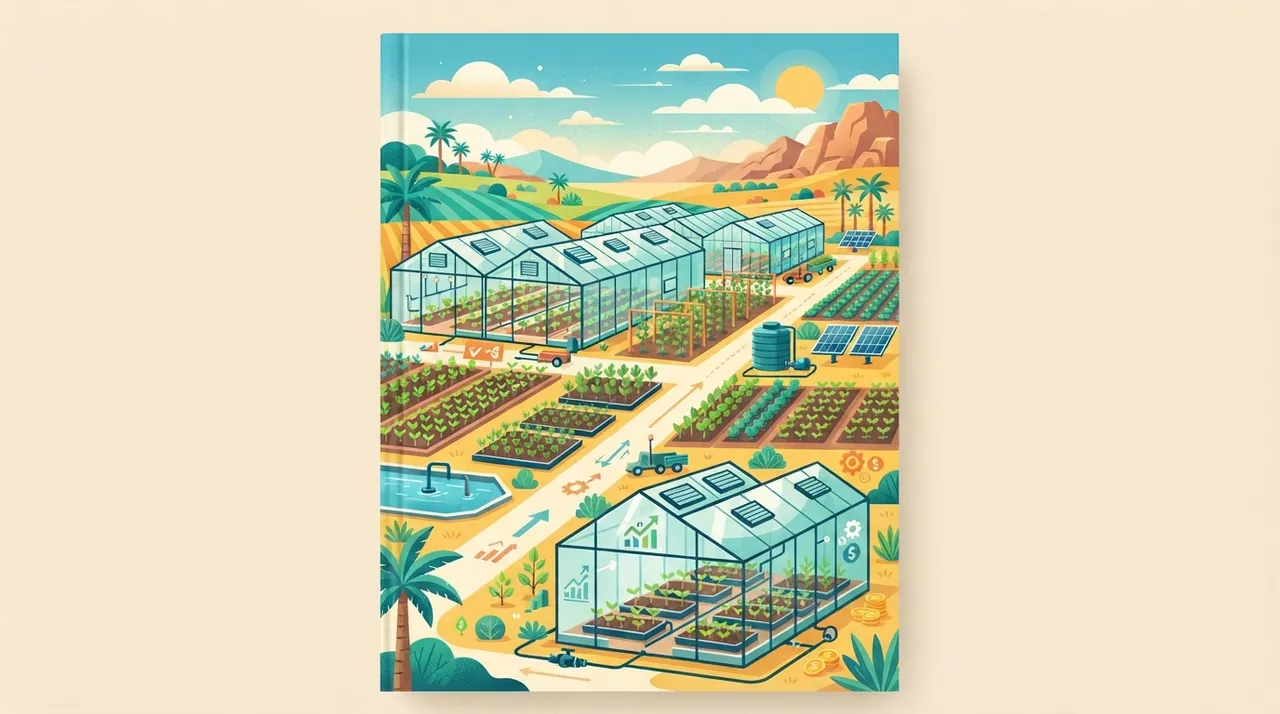
The project aims to establish an integrated facility for cultivating and extracting high-quality moringa seed oil in Egypt. The significant investment opportunity in this field includes the growing demand for natural and organic products, and the known nutritional and pharmaceutical benefits of moringa. The business model relies on cultivating moringa trees in reclaimed desert lands, extracting oil by cold pressing, and packaging and marketing it for food, pharmaceutical, and cosmetic uses. Target customers include pharmaceutical companies, cosmetic companies, specialized health and organic product stores, and individual consumers interested in health and nutrition.
Market and Demand Study
The Egyptian and global markets are witnessing increasing demand for moringa oil and its products due to its numerous health and nutritional benefits. Moringa is rich in vitamins, minerals, and antioxidants, making it an attractive ingredient in the food, pharmaceutical, and cosmetic industries. Egypt consumes more than 2.5 million tons of edible oils annually and imports more than 98% of its needs, creating a significant gap that moringa oil can help fill. Key demand drivers include increasing consumer health awareness, the trend towards natural and organic products, and the search for effective ingredients in medicines and cosmetics. Moringa can be grown in reclaimed desert lands in Egypt and tolerates salinity and drought, making it a promising crop for cultivation in areas such as Halayeb and Shalateen, New Valley, and Sinai.
Market Sizing (TAM / SAM / SOM)
The market sizing methodology relies on analyzing the overall size of the vegetable oil market in Egypt, which amounts to billions of Egyptian pounds annually with a large gap between production and consumption. The available market is determined based on an expected share for healthy and natural oil products, which are increasing in popularity. The realistic target market is estimated based on the project's initial production capacity, available distribution channels, and target customer segments (such as pharmaceutical companies seeking natural ingredients, cosmetic companies, and organic stores). The projected annual growth rate for the global moringa products market, estimated at about 9.5% from 2020 to 2028, is taken into account.
| Level | Annual Size | Description |
|---|---|---|
| TAM — Total Available Market | 2000.0 million EGP | Total serviceable demand |
| SAM — Serviceable Available Market | 600.0 million EGP | Portion accessible by your model |
| SOM — Serviceable Obtainable Market | 120.0 million EGP | Your realistic early share |
Basis of Sizing: Market sizing was based on estimates of the size of the vegetable oil market in Egypt, the increasing demand for natural and organic products, and the consumption of pharmaceutical oils and cosmetics, considering that moringa oil can fill part of the large gap between local production and consumption of oils in Egypt.
Unit Economics
Measures the profitability of each sale unit/customer — the most accurate feasibility indicator:
| Unit Indicator | Value |
|---|---|
| Sales Unit | Liter of Moringa Oil |
| Average Price/Revenue per Unit | ٣٥٠ EGP |
| Customer Acquisition Cost (CAC) | ٧٠ EGP |
| Customer Lifetime Value (LTV) | ١٬٥٠٠ EGP |
| LTV/CAC Ratio | ٢١٫٤× (Healthy) |
| Contribution Margin | ٦٠٪ |
Competitive Analysis
The moringa oil market in Egypt is characterized by a few specialized local producers, in addition to imported products. The project's sustainable advantage lies in focusing on the high quality of locally produced moringa oil using cold-pressing techniques, which ensures the preservation of its nutritional and pharmaceutical properties. A competitive advantage can also be achieved by offering certified organic products and building a strong brand that focuses on the health and environmental benefits of moringa. Partnerships with research centers, such as the National Research Centre in Egypt, which work on developing moringa production and its applications, can contribute to enhancing competitive advantage.
Market Entry and Pricing Strategy
The market entry and marketing plan includes targeting multiple channels. For the food and pharmaceutical market, the focus will be on direct contracts with pharmaceutical and nutritional supplement companies, and healthy food factories. For the end consumer, marketing will be through specialized organic stores, pharmacies, and e-commerce platforms. The pricing strategy will be based on the added value of high-quality, certified moringa oil, taking into account competitors' prices and the purchasing power of target customers. The price of one liter of pure moringa oil can range from 150 EGP to 3000 EGP depending on volume and concentration. The marketing content will focus on highlighting the health and cosmetic benefits of moringa oil and how it is grown in a sustainable desert environment.
Capacity and Operations
The project aims to cultivate about 50 acres of moringa, with an expected yield ranging from 2 to 3 tons of dry leaves per acre annually, in addition to moringa seeds that contain an oil content of up to 40%. An extraction unit will be established with an initial production capacity of 500 liters of oil per month, with the possibility of gradual expansion to reach 1500 liters per month within 3 years, with the remaining cake used as high-protein animal feed.
The daily operations of the project include farm management, from irrigation and fertilization to pest control, and harvesting moringa seeds. Best organic farming practices will be applied to ensure crop quality. In the extraction unit, operations will include sorting, cleaning, cold pressing, filtering, and packaging the oil. Strict quality standards will be applied at all stages of production to ensure pure, high-quality moringa oil that meets food and pharmaceutical requirements. Regular maintenance of equipment and machinery will also be given attention to ensure continuous operation.
The technical aspects of the project include cultivating "Moringa oleifera" trees in reclaimed desert lands, which are characterized by rapid growth and tolerance to drought and salinity. A subsurface drip irrigation system will be used to increase water use efficiency. The core of the technical process is oil extraction using cold-pressing technology, which is the optimal method for preserving oil quality and its natural properties. The project site will be chosen in an area with suitable soil and good water access, such as the New Valley or Sinai regions, where moringa cultivation has proven successful. Contracts will be made with reliable suppliers of high-quality moringa seeds and the necessary equipment for extraction and packaging. The possibility of utilizing the cake (residue after pressing) as protein-rich animal feed or organic fertilizer will also be studied, which reduces waste and increases the economic value of the project.
Projected Income Statement (5 Years)
| Item \ Year | Y1 | Y2 | Y3 | Y4 | Y5 |
|---|---|---|---|---|---|
| Revenues | ٨٬٠٠٠٬٠٠٠ EGP | ٨٬٩٦٠٬٠٠٠ EGP | ١٠٬٠٣٥٬٢٠٠ EGP | ١١٬٢٣٩٬٤٢٤ EGP | ١٢٬٥٨٨٬١٥٥ EGP |
| Cost of Sales | (٣٬٦٠٠٬٠٠٠ EGP) | (٤٬٠٣٢٬٠٠٠ EGP) | (٤٬٥١٥٬٨٤٠ EGP) | (٥٬٠٥٧٬٧٤١ EGP) | (٥٬٦٦٤٬٦٧٠ EGP) |
| Gross Profit | ٤٬٤٠٠٬٠٠٠ EGP | ٤٬٩٢٨٬٠٠٠ EGP | ٥٬٥١٩٬٣٦٠ EGP | ٦٬١٨١٬٦٨٣ EGP | ٦٬٩٢٣٬٤٨٥ EGP |
| Operating Expenses | (٢٬٨٠٠٬٠٠٠ EGP) | (٣٬١٣٦٬٠٠٠ EGP) | (٣٬٥١٢٬٣٢٠ EGP) | (٣٬٩٣٣٬٧٩٨ EGP) | (٤٬٤٠٥٬٨٥٤ EGP) |
| EBITDA | ١٬٦٠٠٬٠٠٠ EGP | ١٬٧٩٢٬٠٠٠ EGP | ٢٬٠٠٧٬٠٤٠ EGP | ٢٬٢٤٧٬٨٨٥ EGP | ٢٬٥١٧٬٦٣١ EGP |
| Tax | (٠ EGP) | (٠ EGP) | (٠ EGP) | (٠ EGP) | (٠ EGP) |
| Net Profit | -٣٬٤٠٠٬٠٠٠ EGP | -٣٬٢٠٨٬٠٠٠ EGP | -٢٬٩٩٢٬٩٦٠ EGP | -٢٬٧٥٢٬١١٥ EGP | -٢٬٤٨٢٬٣٦٩ EGP |
| Net Margin | -٤٢٪ | -٣٦٪ | -٣٠٪ | -٢٤٪ | -٢٠٪ |
Investment Cost Structure
| Item | Cost | Percentage |
|---|---|---|
| Establishment and Licensing Costs | ٢٬٥٠٠٬٠٠٠ EGP | ١٠٪ |
| Land Purchase and Preparation for Cultivation | ٦٬٢٥٠٬٠٠٠ EGP | ٢٥٪ |
| Establishment of Extraction Unit and Equipment | ٨٬٧٥٠٬٠٠٠ EGP | ٣٥٪ |
| Initial Purchase of Moringa Seeds | ١٬٢٥٠٬٠٠٠ EGP | ٥٪ |
| Working Capital (Salaries, Raw Materials, Marketing) | ٦٬٢٥٠٬٠٠٠ EGP | ٢٥٪ |
Cash Flow and Break-even Point
| Year | Operating Cash Flow | Cumulative Cash Flow |
|---|---|---|
| Year 1 | ١٬٦٠٠٬٠٠٠ EGP | -٢٣٬٤٠٠٬٠٠٠ EGP |
| Year 2 | ١٬٧٩٢٬٠٠٠ EGP | -٢١٬٦٠٨٬٠٠٠ EGP |
| Year 3 | ٢٬٠٠٧٬٠٤٠ EGP | -١٩٬٦٠٠٬٩٦٠ EGP |
| Year 4 | ٢٬٢٤٧٬٨٨٥ EGP | -١٧٬٣٥٣٬٠٧٥ EGP |
| Year 5 | ٢٬٥١٧٬٦٣١ EGP | -١٤٬٨٣٥٬٤٤٤ EGP |
Estimated break-even point at annual revenue ≈ ١٤٬١٨١٬٨١٨ EGP (~١٧٧٪ of first-year revenue), with a contribution margin of ٥٥٪. Cumulative cash break-even after the study horizon.
Funding Structure
| Funding Source | Percentage | Amount |
|---|---|---|
| Equity | ٤٠٪ | ١٠٬٠٠٠٬٠٠٠ EGP |
| Debt Financing (١٢٪ interest) | ٦٠٪ | ١٥٬٠٠٠٬٠٠٠ EGP |
Sensitivity Analysis (Revenue × Operations)
Impact of simultaneous changes in revenue and costs on Net Present Value:
| Revenue \ Operations | −10٪ | −5٪ | Base | +5٪ | +10٪ |
|---|---|---|---|---|---|
| −20٪ | -١٧٬٠٧٦٬٤٩٨ EGP | -١٨٬٣٩٧٬٠٨٢ EGP | -١٩٬٧١٧٬٦٦٥ EGP | -٢١٬٠٣٨٬٢٤٩ EGP | -٢٢٬٣٥٨٬٨٣٣ EGP |
| −10٪ | -١٦٬٠٨٦٬٠٦٠ EGP | -١٧٬٥٧١٬٧١٧ EGP | -١٩٬٠٥٧٬٣٧٤ EGP | -٢٠٬٥٤٣٬٠٣٠ EGP | -٢٢٬٠٢٨٬٦٨٧ EGP |
| Base | -١٥٬٠٩٥٬٦٢٣ EGP | -١٦٬٧٤٦٬٣٥٢ EGP | -١٨٬٣٩٧٬٠٨٢ EGP | -٢٠٬٠٤٧٬٨١١ EGP | -٢١٬٦٩٨٬٥٤١ EGP |
| +10٪ | -١٤٬١٠٥٬١٨٥ EGP | -١٥٬٩٢٠٬٩٨٨ EGP | -١٧٬٧٣٦٬٧٩٠ EGP | -١٩٬٥٥٢٬٥٩٣ EGP | -٢١٬٣٦٨٬٣٩٥ EGP |
| +20٪ | -١٣٬١١٤٬٧٤٧ EGP | -١٥٬٠٩٥٬٦٢٣ EGP | -١٧٬٠٧٦٬٤٩٨ EGP | -١٩٬٠٥٧٬٣٧٤ EGP | -٢١٬٠٣٨٬٢٤٩ EGP |
Scenario Analysis
| Scenario | Probability | NPV | Assessment |
|---|---|---|---|
| Pessimistic | ٢٥٪ | -٢٠٬٦٤٢٬٠٧٤ EGP | Unfeasible |
| Base | ٥٠٪ | -١٨٬٣٩٧٬٠٨٢ EGP | Unfeasible |
| Optimistic | ٢٥٪ | -١٥٬٦٨٩٬٨٨٥ EGP | Unfeasible |
Expected Present Value (Weighted): -١٨٬٢٨١٬٥٣١ EGP.
Risk Analysis and Management
| Risk | Probability | Impact | Mitigation |
|---|---|---|---|
| Fluctuations in agricultural product and oil prices | Medium | High | Long-term supply contracts, product diversification (oil, leaves, cake), targeting export markets to reduce risks. |
| Challenges of cultivating moringa in desert lands (soil salinity, water scarcity) | Medium | Medium | Using moringa varieties tolerant to salinity, applying modern and efficient irrigation systems (subsurface drip), regular soil analysis. |
| Difficulties in obtaining licenses and government approvals | Medium | High | Cooperation with specialized consulting firms for agricultural and industrial licenses, continuous follow-up with relevant government agencies. |
| Competition from imported products or alternative products | Medium | Medium | Focus on high quality and organic certifications, building a strong brand, competitive pricing strategy, marketing differentiation. |
| Insufficient funding or difficulty in obtaining additional loans | Low | High | Preparing a strong financial feasibility study, building relationships with agricultural banks (e.g., Agricultural Bank of Egypt), seeking government or international funding programs for agricultural projects. |
Organizational Structure and Team
The organizational structure will consist of a specialized management team including an agricultural expert in moringa cultivation, a chemical engineer specializing in oil extraction, a marketing and sales manager, and a team of trained agricultural and technical labor. Consulting experts from Egyptian universities and research centers can be utilized to ensure the application of the latest technologies and best practices in cultivation and extraction. Emphasis will be placed on building an integrated team with the necessary expertise in all aspects of the project, with continuous training to enhance staff efficiency.
Legal and Regulatory Aspects
The project requires obtaining a set of licenses, including agricultural licenses from the Ministry of Agriculture and Land Reclamation, and industrial licenses for operating the extraction unit from the Industrial Development Authority. It will also require compliance with Egyptian and international quality and food safety standards, especially since the product targets food and pharmaceutical purposes. This may include obtaining ISO certifications and organic product certifications. Regulations related to export should also be studied if the project targets foreign markets.
Expansion and Sustainability Plan
The expansion plan involves gradually increasing the cultivated area and increasing the production capacity of the extraction unit to meet growing demand. Expansion into developing derivative moringa products, such as leaf powder, nutritional supplements, and skin and hair care products, is also possible. Sustainability can be achieved through applying sustainable farming practices, recycling waste, and using renewable energy. Strategic partnerships can also be built with other farms to supply raw materials, or with distribution companies to increase market reach.
Environmental, Social, and Governance (ESG) Impact
The project has a significant positive environmental impact, as moringa cultivation in desert lands contributes to combating desertification and reducing carbon emissions (moringa absorbs carbon dioxide at 4 times the rate of tropical forests). The use of a drip irrigation system also reduces water consumption. Socially, the project will provide employment opportunities for local communities in desert areas and support economic development in these regions. Governance will be based on transparency and accountability in all operations, adherence to environmental and social standards, and building strong relationships with stakeholders.Conclusions and Recommendations
The project for the production and extraction of high-quality moringa seed oil in Egypt is a promising investment opportunity, given the growing demand for moringa products and their numerous benefits, and the possibility of cultivating it in reclaimed desert lands. The project contributes to achieving food security, creating job opportunities, and supporting the local economy. With good planning and adherence to quality standards, the project can achieve viable economic returns and contribute to sustainable development.
Frequently Asked Questions
What is the cost of a moringa oil production project in Egypt?
The proposed initial capital for a high-quality moringa seed oil production and extraction project in Egypt is estimated at approximately 25,000,000 Egyptian Pounds.
How much profit does a moringa oil project make in Egypt?
The project is expected to generate revenues of approximately 8,000,000 Egyptian Pounds in the first year, with an estimated annual growth of 12%, and a contribution margin of 60%.
What are the licenses required for a moringa oil production project in Egypt?
The project requires agricultural licenses from the Ministry of Agriculture, industrial licenses for the extraction unit from the Industrial Development Authority, in addition to quality and food safety certificates.
Is a moringa cultivation project profitable in Egypt?
Yes, a moringa cultivation project is considered profitable in Egypt due to the high demand for its products and its numerous benefits, with the possibility of achieving a profit of over 100,000 Egyptian Pounds per acre in some cases.
What is the average price of moringa oil in Egypt?
The average price of one liter of pure moringa oil in Egypt ranges between 150 Egyptian Pounds and 3000 Egyptian Pounds, depending on the volume, concentration, and brand.
Where can moringa be cultivated in Egypt?
Moringa cultivation thrives in sandy and poor soils and is suitable for cultivation in areas such as Halayeb and Shalateen, New Valley, Upper Egypt, the Red Sea coast, Sinai Peninsula, West Delta, and the Oases.
Sources and Disclaimer
- Reports and research from the National Research Centre on Moringa in Egypt
- Feasibility studies for moringa cultivation projects in Egypt
- Market data for vegetable oils and organic products in Egypt
- Current product prices for moringa oil in the Egyptian market
- Available funding programs for agricultural projects in Egypt
Disclaimer: This is a guiding study that provides financial analysis according to approved sector standards; verify the figures locally according to your project's reality before any investment decision.