Executive Summary
The project Smart vertical farm for producing leafy vegetables and small fruits, with an AI-powered environmental control system and LED lighting to maximize production and minimize water and land consumption in the agricultural sector in Bahrain targets a promising market opportunity. With an investment of BHD 250,000, it achieves a Net Present Value (NPV) of BHD -130,531, an Internal Rate of Return (IRR) of -12%, and a payback period of — years.
| Indicator | Value |
|---|---|
| Initial Investment | ٢٥٠٬٠٠٠ د.ب |
| First-Year Revenue | ١٢٠٬٠٠٠ د.ب |
| Annual Growth (CAGR) | ١٥٪ |
| Net Margin (Year 1) | -٢٢٪ |
| Return on Investment (Avg.) | -٧٪ Annually |
| Net Present Value (NPV) | -١٣٠٬٥٣١ د.ب |
| Internal Rate of Return (IRR) | -١٢٪ |
| Profitability Index (PI) | ٠ |
| Payback Period | — |
| Break-even Year | — |
| Expected NPV (Probability-Weighted) | -١٢٧٬٨٤٣ د.ب |
Assumptions and Basis
The figures in this study are based on project data, the nature of the agricultural sector in Bahrain, and local market indicators, according to the following assumptions:
| Assumption | Value |
|---|---|
| Initial Capital | ٢٥٠٬٠٠٠ د.ب |
| First-Year Revenue | ١٢٠٬٠٠٠ د.ب |
| Annual Growth | ١٥٪ |
| Cost of Goods Sold (COGS) | ٣٥٪ of Revenue |
| Operating Expenses | ٤٥٪ of Revenue |
| Tax/Zakat | ٠٪ |
| Discount Rate (WACC) | ١٠٪ |
| Study Horizon | ٥ years |
Basis of Assumptions: Figures are based on average costs for establishing and operating small to medium-sized vertical farms in the region, considering government support for the agricultural sector in Bahrain.
Project Description and Opportunity
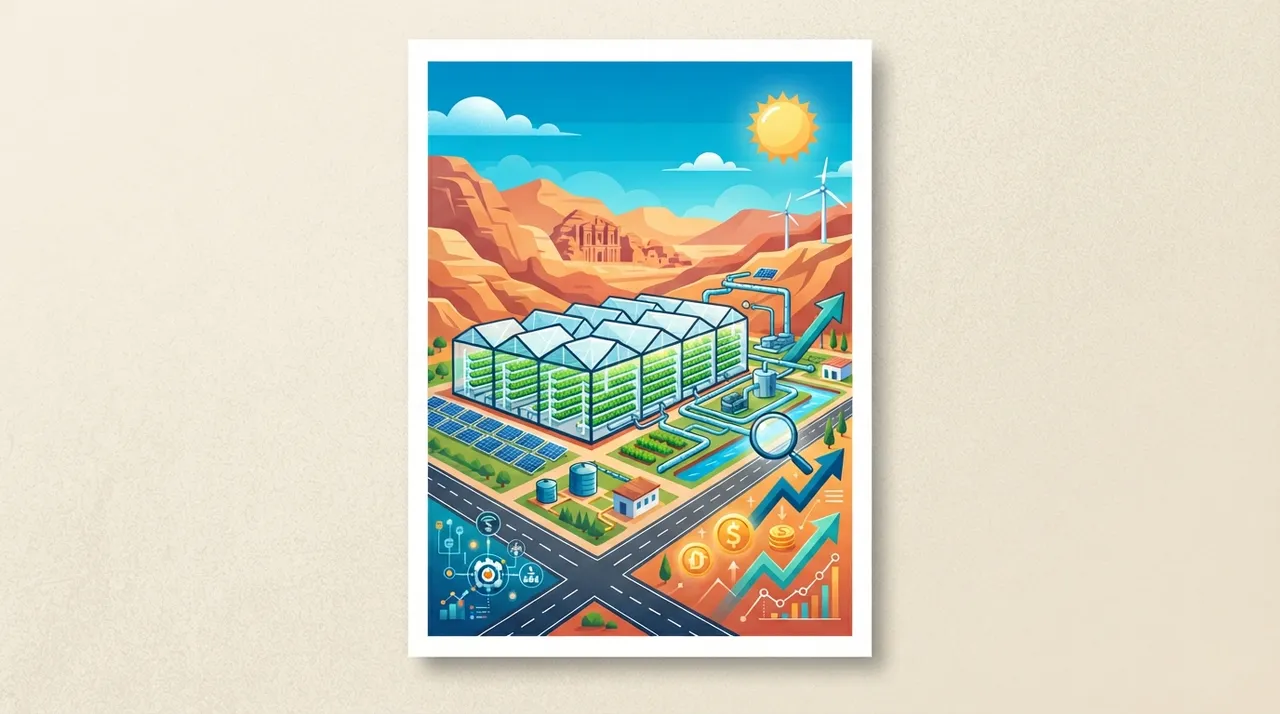
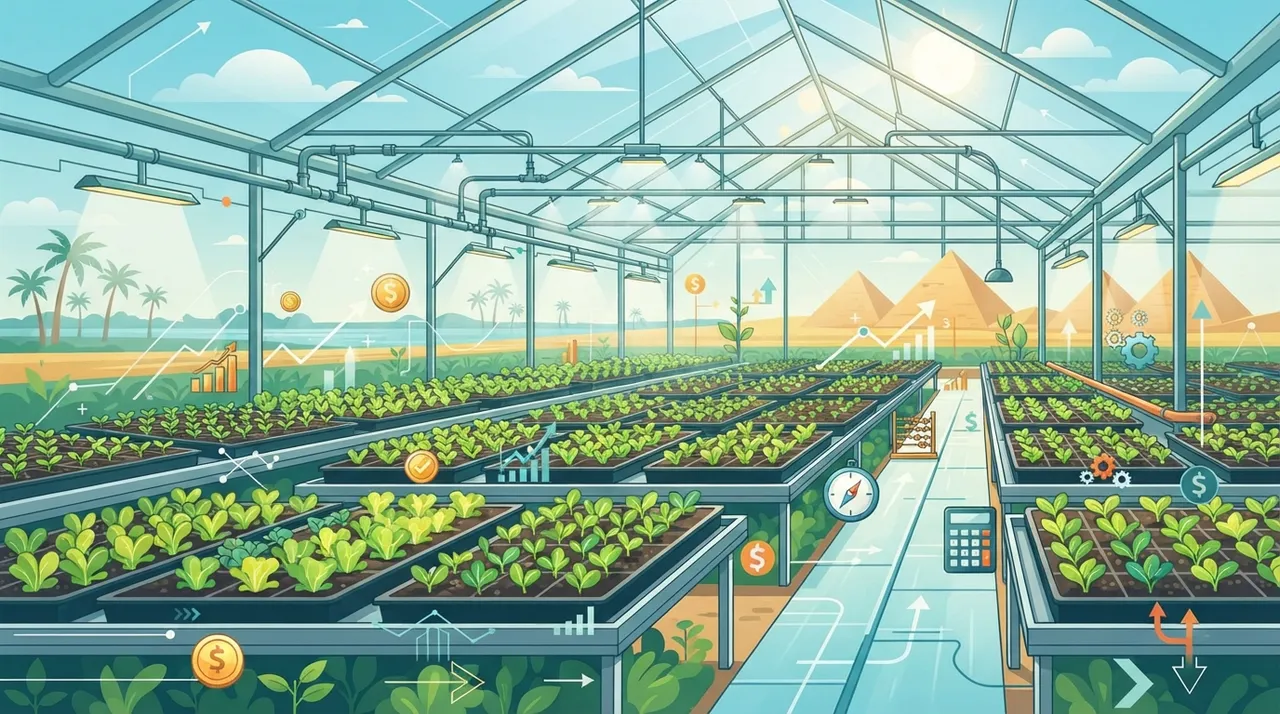
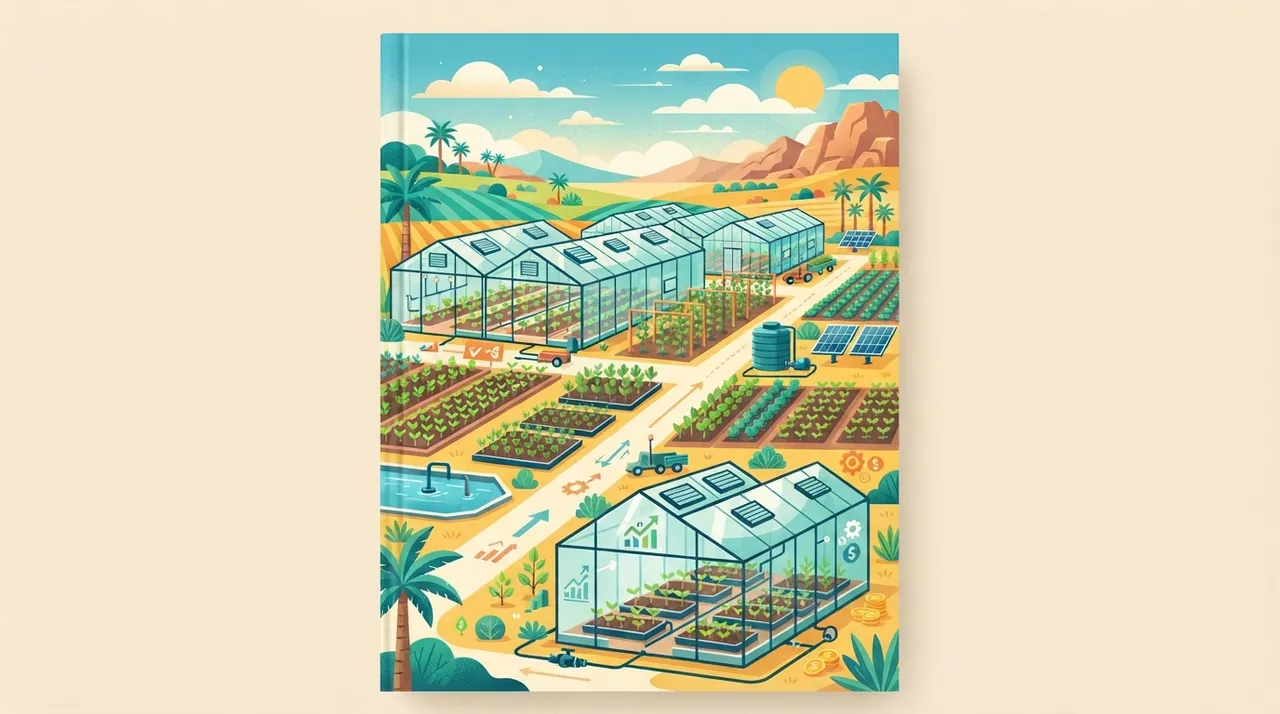
The smart vertical farm project aims to produce high-quality leafy vegetables and small fruits using the latest agricultural technologies. The project addresses the challenges of limited land and water in Bahrain through soilless cultivation (hydroponics) and precise environmental control supported by artificial intelligence and energy-efficient LED lighting. The business model focuses on direct sales to consumers, high-end restaurants, hotels, and supermarkets seeking fresh, local produce. The project targets customers interested in health, sustainability, and organic products.
Market and Demand Study
The Bahraini market is witnessing increasing demand for fresh and high-quality agricultural products, with growing awareness of health and sustainability. A large portion of the current supply relies on imports, creating an opportunity for a project that provides fresh local products year-round. The National Initiative for Agricultural Sector Development in Bahrain supports the adoption of modern agricultural technologies to enhance food security and reduce reliance on imports. These factors contribute to driving the growth of the vertical farming sector in the Kingdom.
Market Sizing (TAM / SAM / SOM)
Market sizing was conducted by estimating the total expenditure on fresh vegetables and fruits in Bahrain, then identifying the available market share for high-quality local products that can be produced using vertical farming techniques. This is based on analyzing consumption and import data, population growth rates, and consumer purchasing trends. The target market was realistically defined based on the farm's initial production capacity, available distribution channels, and the initial marketing strategy to reach key customers.
| Level | Annual Size | Description |
|---|---|---|
| TAM — Total Available Market | 25.0 million BHD | Total addressable demand |
| SAM — Serviceable Available Market | 5.0 million BHD | Portion your model can reach |
| SOM — Serviceable Obtainable Market | ٧٥٠ ألف د.ب | Your realistic early share |
Sizing Basis: Total and serviceable market sizes were estimated based on the size of the vegetable and fruit market in Bahrain, assuming growing demand for fresh and sustainable products. The target market represents a realistic share achievable during the first few years.
Unit Economics
Measures the profitability of each sales unit/customer — the most accurate feasibility indicator:
| Unit Indicator | Value |
|---|---|
| Sales Unit | Kilogram (mix of vegetables and fruits) |
| Avg. Price/Revenue per Unit | ٥ د.ب |
| Customer Acquisition Cost (CAC) | ١٥ د.ب |
| Customer Lifetime Value (LTV) | ١٥٠ د.ب |
| LTV/CAC Ratio | ١٠× (healthy) |
| Contribution Margin | ٦٠٪ |
Competitive Analysis
The project competes indirectly with imported agricultural products, which are often lower in cost but of lesser quality and freshness. It also competes with traditional local farms that may face challenges in providing consistent year-round produce. The smart vertical farm stands out with high product quality, superior freshness, environmental sustainability (lower water and land consumption), and the ability to produce year-round regardless of weather conditions. The project can build a sustainable competitive advantage through organic quality certifications, partnerships with restaurants and hotels that value distinctive local products, and a focus on customer experience and education about the benefits of vertical farming.
Market Entry and Pricing Plan
The market entry plan and marketing channels will initially target high-end restaurants and hotels interested in fresh, local ingredients, as well as direct sales to consumers through dedicated project e-platforms or participation in local farmers' markets at Al-Badaiya Botanical Garden. Social media and digital marketing campaigns can be used to reach customers interested in health and sustainable products. Products will be priced based on superior quality, freshness, and added sustainability value, in line with prices of organic and high-quality imported products in the Bahraini market.
Capacity and Operations
Initial production planning for 5-7 tons annually of leafy vegetables and small fruits, with staggered occupancy starting at 50% in the first year and reaching 90% by the third year, with potential for horizontal and vertical expansion.
Daily operations of the farm include precise monitoring of environmental conditions, managing cultivation and harvest cycles, preparing and packaging products, and distribution. Strict quality and hygiene protocols will be in place to ensure safe and high-quality products. Operations will include technical system maintenance and inventory monitoring. A specialized team in hydroponics and artificial intelligence will be hired to ensure operational efficiency.
Technical aspects rely on the latest vertical hydroponic or aeroponic farming systems to maximize space and water utilization. Multi-layered vertical farming units with custom LED lighting for each crop will be used to ensure optimal growth. The environmental control system includes sensors to monitor temperature, humidity, carbon dioxide, pH, and water nutrients, supported by an AI system to automatically optimize environmental conditions, increase productivity, and reduce resource consumption. The site will be chosen in an industrial or agricultural area with good access to markets and availability of necessary infrastructure. Local and international suppliers will be contracted for farming systems, seeds, nutrients, and environmental control equipment.
Projected Income Statement (5 Years)
| Item \ Year | Year 1 | Year 2 | Year 3 | Year 4 | Year 5 |
|---|---|---|---|---|---|
| Revenue | ١٢٠٬٠٠٠ د.ب | ١٣٨٬٠٠٠ د.ب | ١٥٨٬٧٠٠ د.ب | ١٨٢٬٥٠٥ د.ب | ٢٠٩٬٨٨١ د.ب |
| Cost of Sales | (٤٢٬٠٠٠ د.ب) | (٤٨٬٣٠٠ د.ب) | (٥٥٬٥٤٥ د.ب) | (٦٣٬٨٧٧ د.ب) | (٧٣٬٤٥٨ د.ب) |
| Gross Profit | ٧٨٬٠٠٠ د.ب | ٨٩٬٧٠٠ د.ب | ١٠٣٬١٥٥ د.ب | ١١٨٬٦٢٨ د.ب | ١٣٦٬٤٢٢ د.ب |
| Operating Expenses | (٥٤٬٠٠٠ د.ب) | (٦٢٬١٠٠ د.ب) | (٧١٬٤١٥ د.ب) | (٨٢٬١٢٧ د.ب) | (٩٤٬٤٤٦ د.ب) |
| EBITDA | ٢٤٬٠٠٠ د.ب | ٢٧٬٦٠٠ د.ب | ٣١٬٧٤٠ د.ب | ٣٦٬٥٠١ د.ب | ٤١٬٩٧٦ د.ب |
| Tax | (٠ د.ب) | (٠ د.ب) | (٠ د.ب) | (٠ د.ب) | (٠ د.ب) |
| Net Profit | -٢٦٬٠٠٠ د.ب | -٢٢٬٤٠٠ د.ب | -١٨٬٢٦٠ د.ب | -١٣٬٤٩٩ د.ب | -٨٬٠٢٤ د.ب |
| Net Margin | -٢٢٪ | -١٦٪ | -١١٪ | -٧٪ | -٤٪ |
Investment Cost Structure
| Item | Cost | Percentage |
|---|---|---|
| Establishment and outfitting of vertical systems and environmental control | ١٠٠٬٠٠٠ د.ب | ٤٠٪ |
| Initial construction and site outfitting costs | ٦٢٬٥٠٠ د.ب | ٢٥٪ |
| LED lighting equipment and irrigation systems | ٣٧٬٥٠٠ د.ب | ١٥٪ |
| Labor and training | ٢٥٬٠٠٠ د.ب | ١٠٪ |
| Working capital and initial administrative expenses | ٢٥٬٠٠٠ د.ب | ١٠٪ |
Cash Flow and Break-even Point
| Year | Operating Cash Flow | Cumulative Cash Flow |
|---|---|---|
| Year 1 | ٢٤٬٠٠٠ د.ب | -٢٢٦٬٠٠٠ د.ب |
| Year 2 | ٢٧٬٦٠٠ د.ب | -١٩٨٬٤٠٠ د.ب |
| Year 3 | ٣١٬٧٤٠ د.ب | -١٦٦٬٦٦٠ د.ب |
| Year 4 | ٣٦٬٥٠١ د.ب | -١٣٠٬١٥٩ د.ب |
| Year 5 | ٤١٬٩٧٦ د.ب | -٨٨٬١٨٣ د.ب |
Estimated break-even point at an annual revenue of ≈ BHD 160,000 (~133% of first-year revenue), with a 65% contribution margin. Cumulative cash break-even after the study horizon.
Funding Structure
| Funding Source | Percentage | Amount |
|---|---|---|
| Equity | ٧٠٪ | ١٧٥٬٠٠٠ د.ب |
| Debt Funding (5% interest) | ٣٠٪ | ٧٥٬٠٠٠ د.ب |
Sensitivity Analysis (Revenue × Operations)
Impact of simultaneous changes in revenue and costs on Net Present Value:
| Revenue \ Operations | −10٪ | −5٪ | Base | +5٪ | +10٪ |
|---|---|---|---|---|---|
| −20٪ | -١٠٦٬٦٣٧ د.ب | -١٣٠٬٥٣١ د.ب | -١٥٤٬٤٢٤ د.ب | -١٧٨٬٣١٨ د.ب | -٢٠٢٬٢١٢ د.ب |
| −10٪ | -٨٨٬٧١٦ د.ب | -١١٥٬٥٩٧ د.ب | -١٤٢٬٤٧٨ د.ب | -١٦٩٬٣٥٨ د.ب | -١٩٦٬٢٣٩ د.ب |
| Base | -٧٠٬٧٩٦ د.ب | -١٠٠٬٦٦٣ د.ب | -١٣٠٬٥٣١ د.ب | -١٦٠٬٣٩٨ د.ب | -١٩٠٬٢٦٥ د.ب |
| +10٪ | -٥٢٬٨٧٥ د.ب | -٨٥٬٧٣٠ د.ب | -١١٨٬٥٨٤ د.ب | -١٥١٬٤٣٨ د.ب | -١٨٤٬٢٩٢ د.ب |
| +20٪ | -٣٤٬٩٥٥ د.ب | -٧٠٬٧٩٦ د.ب | -١٠٦٬٦٣٧ د.ب | -١٤٢٬٤٧٨ د.ب | -١٧٨٬٣١٨ د.ب |
Scenario Analysis
| Scenario | Probability | NPV | Assessment |
|---|---|---|---|
| Pessimistic | ٢٥٪ | -١٧٥٬٩٢٩ د.ب | Not feasible |
| Base | ٥٠٪ | -١٣٠٬٥٣١ د.ب | Not feasible |
| Optimistic | ٢٥٪ | -٧٤٬٣٨٠ د.ب | Not feasible |
Expected Present Value (Weighted): -١٢٧٬٨٤٣ د.ب.
Risk Analysis and Management
| Risk | Probability | Impact | Mitigation |
|---|---|---|---|
| Increase in operating costs (especially electricity) | Medium | High | Invest in high-efficiency LED lighting systems and energy-saving technologies, seek renewable energy sources, and negotiate electricity prices for the agricultural sector. |
| Technical failures in environmental control and AI systems | Medium | High | Invest in reliable and high-quality systems, provide regular maintenance contracts with specialists, and train an in-house team to handle basic malfunctions. |
| Difficulty marketing products at competitive prices | Medium | Medium | Focus on distribution channels that value the added value of products (restaurants, hotels), build a strong brand focused on quality and sustainability, and participate in farmers' markets. |
| Lack of local expertise in operating smart vertical farms | High | Medium | Attract specialized talent from abroad in the initial stages, and provide intensive training programs for Bahraini cadres in cooperation with local educational and training bodies. |
| Changes in government policies or agricultural support | Low | Medium | Continuous monitoring of legislative developments, building strong relationships with relevant government bodies, and diversifying income sources to reduce reliance on support. |
Organizational Structure and Team
The proposed organizational structure consists of a Project Manager with experience in business administration and agriculture, an agricultural engineer specializing in vertical or hydroponic farming, and technicians for operating and maintaining smart systems. AI experts and agricultural consultants can be engaged as needed. Emphasis will be placed on recruiting and training Bahraini competencies to enhance the percentage of national labor in the agricultural sector.
Legal and Regulatory Aspects
The project requires obtaining necessary licenses from the Ministry of Municipalities Affairs and Agriculture, commercial registration from the Ministry of Industry and Commerce, in addition to environmental approvals from the Supreme Council for Environment. Compliance with all regulations and laws related to agriculture, food safety, occupational health, and water resource utilization is mandatory.
Expansion and Sustainability Plan
The project can be expanded in the medium and long term by increasing the number of vertical units, expanding the types of crops produced, or establishing additional farm branches in other areas. The possibility of expanding into food processing for surplus products or developing value-added products (such as ready-made salads or fresh juices) can also be explored. Expansion into regional export markets could be a future option with increased production capacity.
Environmental, Social, and Governance (ESG) Impact
The project has a significant positive environmental impact, substantially reducing water consumption (up to 90% compared to traditional farming) and agricultural land. It also reduces the use of pesticides and chemical fertilizers due to the controlled environment. The project contributes to enhancing local food security and reducing the carbon footprint resulting from product imports. The project is committed to good governance practices and social responsibility, including providing sustainable employment opportunities and training national cadres.
Conclusions and Recommendations
Based on the assumptions and analyses, the smart vertical farm project for producing leafy vegetables and small fruits in Bahrain shows promising economic and environmental feasibility. With available government support for the agricultural sector, increasing demand for fresh and local products, and significant opportunities for innovation and expansion, this project represents an attractive investment opportunity to contribute to achieving food security and sustainable development in the Kingdom of Bahrain.
Frequently Asked Questions
How much does it cost to set up a smart vertical farm in Bahrain?
The cost of establishing a medium-sized smart vertical farm in Bahrain ranges around BHD 250,000, and this cost includes constructions, vertical systems, LED lighting, and AI-powered environmental control systems.
Is the vertical farming project profitable in Bahrain?
Yes, the vertical farming project is expected to be profitable in Bahrain due to high demand for fresh and local products, and the potential to achieve good profit margins through high quality and sustainability. First-year revenue is estimated at approximately BHD 120,000 with an anticipated annual growth of 15%.
What licenses are required for a vertical farm project in Bahrain?
The project requires licenses from the Ministry of Municipalities Affairs and Agriculture, commercial registration from the Ministry of Industry and Commerce, in addition to environmental approvals from the Supreme Council for Environment in Bahrain.
How much water and electricity does a vertical farming project consume in Bahrain?
Vertical farming is very water-efficient, reducing consumption by up to 90% compared to traditional farming. However, electricity consumption can be high due to LED lighting and air conditioning systems, which necessitates investment in energy efficiency technologies.
What types of crops can be grown in a vertical farm?
Leafy vegetables such as lettuce, kale, spinach, and aromatic herbs, in addition to some small fruits like strawberries, are among the most suitable crops for cultivation in vertical and hydroponic systems.
Sources and Disclaimer
- Reports of the National Initiative for Agricultural Sector Development in Bahrain
- Feasibility studies for similar vertical farming projects in the Gulf region
- Vegetable and fruit price data from major supermarkets in Bahrain
- Interviews with experts in the local agricultural sector
- Data and guidelines from the Ministry of Municipalities Affairs and Agriculture and the Supreme Council for Environment
Disclaimer: This is a guiding study that provides financial analysis according to approved industry standards; verify figures locally according to your project's reality before any investment decision.