
The world of user interface and user experience (UI/UX) design has witnessed tremendous advancements thanks to artificial intelligence, but Generative UI represents a true qualitative leap. We are no longer talking about static, pre-designed interfaces, but rather intelligent systems that create and modify the interface in real-time, to suit each user and their unique context.
What's New
Generative UI is a front-end architecture where the user interface is built with AI, rather than being hard-coded completely by developers. These interfaces use advanced AI models, such as Large Language Models (LLMs), to build, change, and improve interface layouts in real-time, taking into consideration user behavior, context, and intent. This means the interface can dynamically adapt to the user's immediate needs, presenting interactive tools or adjustable forms instead of just static text.
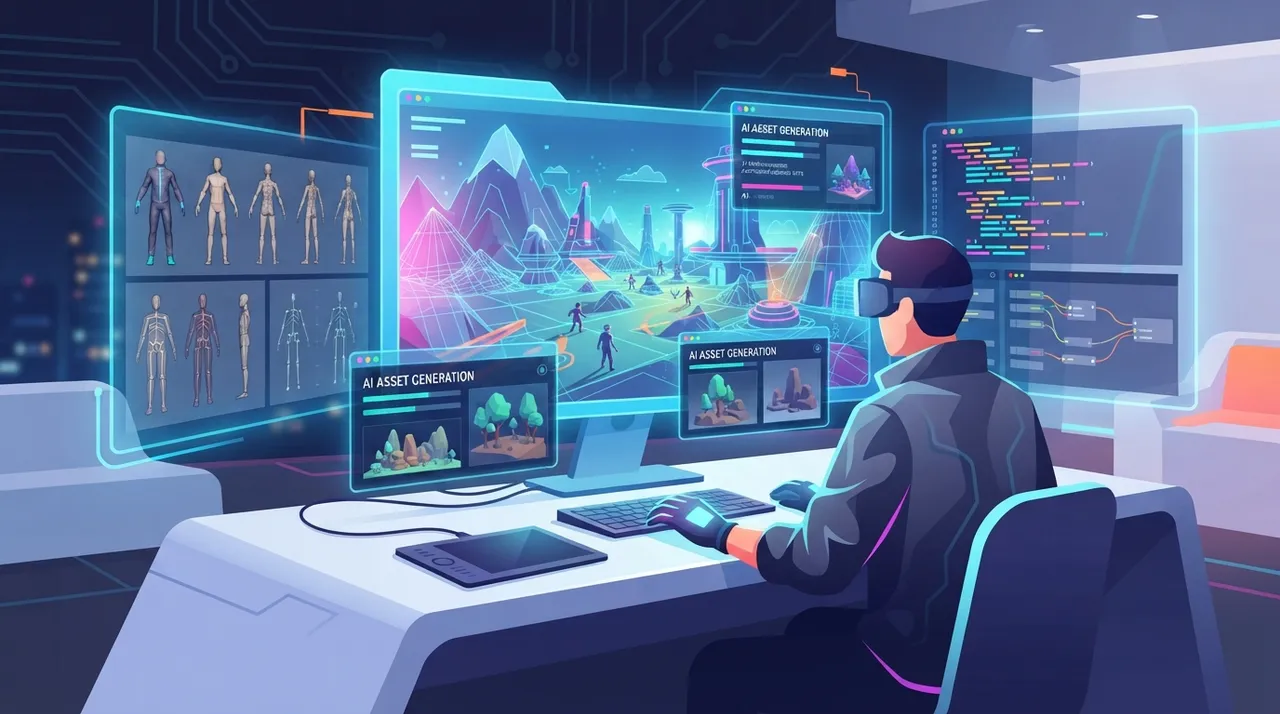
Unlike AI-assisted design tools that help developers write code or generate interface components faster during production, Generative UI is experienced directly by the end-user. Tools like Uizard, Galileo, and Google Stitch (launched at Google I/O 2025 and utilizing Gemini 2.5 Pro's multimodal capabilities) can convert text prompts or uploaded images into UI designs and front-end code. Furthermore, Generative UI is appearing in applications such as the Gemini app and Google Search's AI Mode, where AI models create immersive experiences, interactive tools, and simulations, all generated completely on the fly for any prompt.
Why It Matters
Generative UI is fundamentally transforming user experience and software development for several key reasons:
- Hyper-personalization and Real-time Adaptation: Generative UI enables interfaces to be tailored specifically to individual user behaviors and preferences from day one, which is highly impractical with traditional fixed-code methods. E-commerce sites, for instance, can tailor product recommendations based on browsing history, and content platforms can customize feeds according to user preferences. This real-time adaptation reduces cognitive load by presenting only the tools needed at an exact moment.
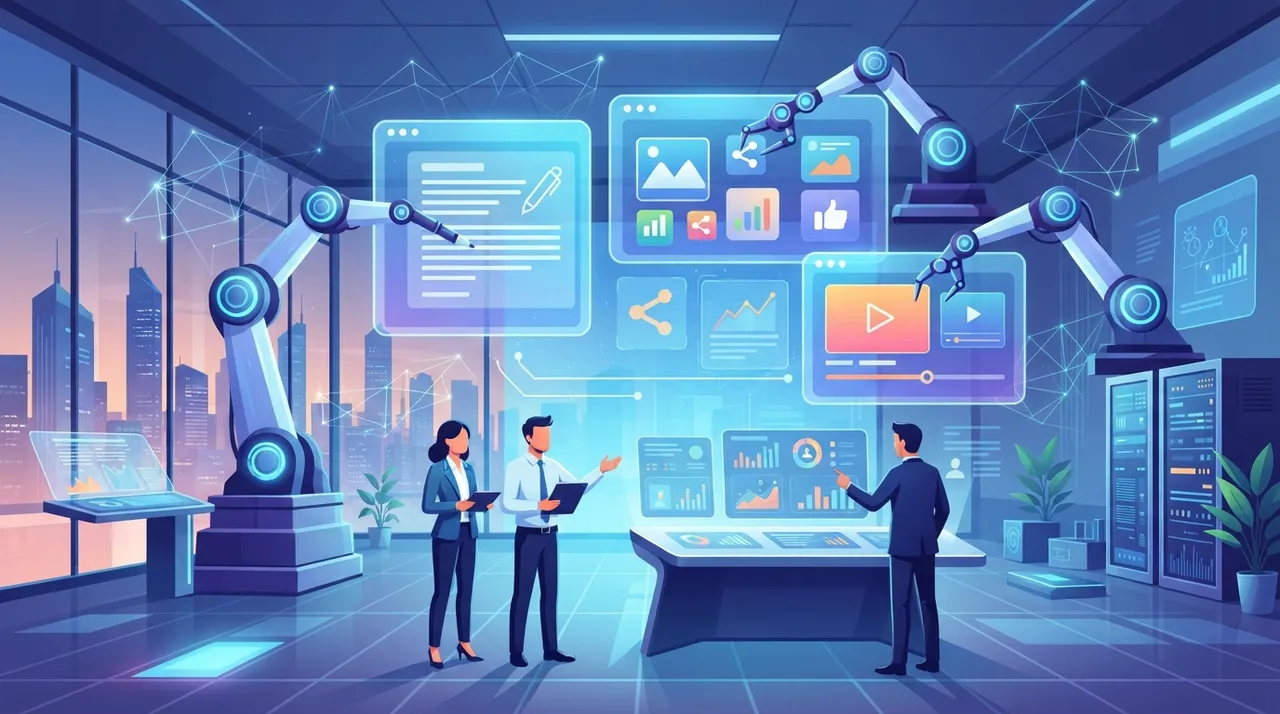
- Evolving Role for Designers and Developers: Rather than replacing designers and developers, Generative UI augments their capabilities. Developers will increasingly focus on defining the “why” and “what” of user experiences, with AI handling the “how” of implementation. This shift fosters smarter, more adaptive, and user-centered digital products.
- Company Role: Businesses leveraging React and AI integration can create interactive web applications that provide seamless, personalized experiences. As AI continues to evolve, developers must balance innovation with ethical considerations, emphasizing privacy, efficiency, and accessibility.
- Faster Development Cycles: By automating the creation and adjustment of interface components on the fly, Generative UI can drastically accelerate development, leading to faster time-to-market and reduced front-end maintenance overhead. Some studies indicate that businesses using AI-driven tools experience up to a 30% increase in productivity.
- Architectural Scalability: Traditional methods require manual front-end updates for every new user scenario. Generative UI allows the interface to scale to edge cases without constant manual CSS/component adjustments.
Generative UI represents a paradigm shift towards a future where our applications interact with our needs naturally and intuitively, enhancing efficiency and satisfaction. Readers should prepare for this change by exploring new tools and adopting design methodologies that focus on outcomes rather than static components.



Comments 0
No comments yet — be the first to share your thoughts.
Share your thoughts
To comment, sign in first — we email you a one-time code (no password). This keeps the discussion clean.
Sign in to comment →