
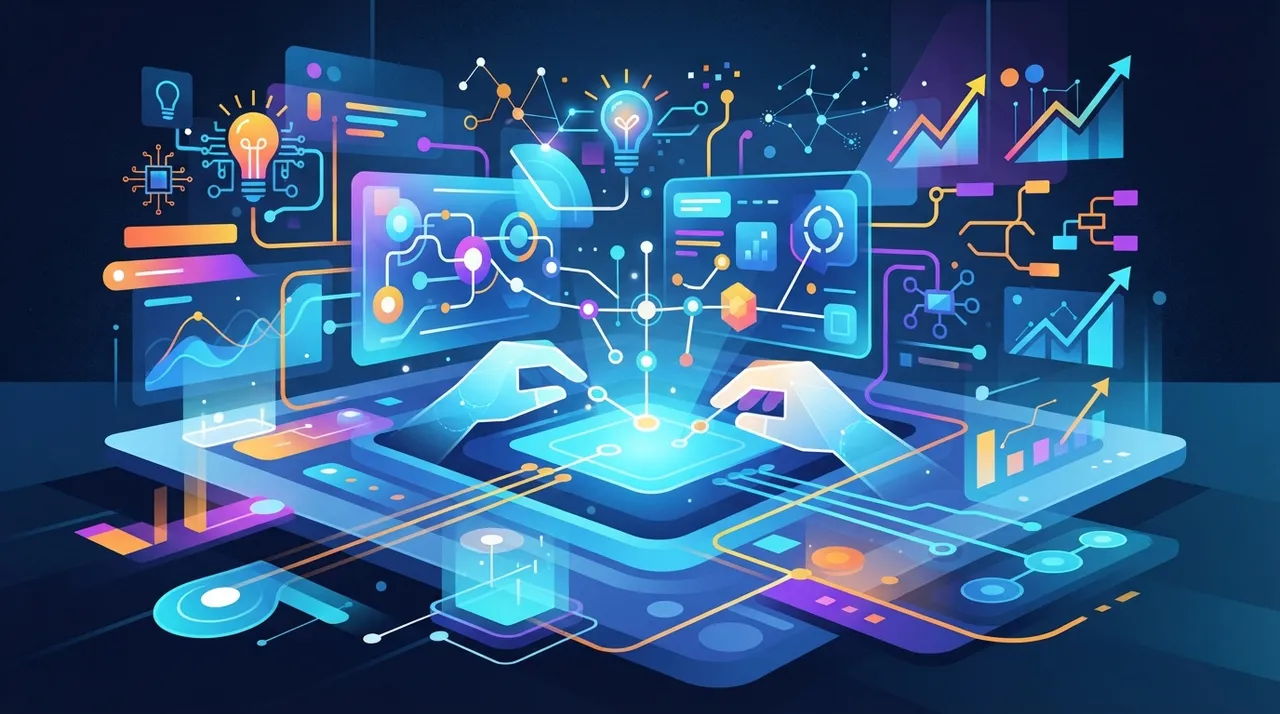
The world of product design and user experience (UI/UX) is undergoing a true revolution in 2026, driven by significant advancements in artificial intelligence. AI is no longer a futuristic concept; it has become an integral part of designers' daily workflows, reshaping how digital products are built and developed.
What's New
The novelty in 2026 is the emergence of integrated AI-powered design systems that go beyond mere image or text generation. Tools are now capable of building complete design systems, from foundational components to complex user flows, while maintaining consistency and flexibility. For instance, tools like Figma Make, Moonchild, and UX Pilot AI allow designers to sync existing design systems with AI-powered design generators to create full screens or interactive prototypes from scratch.
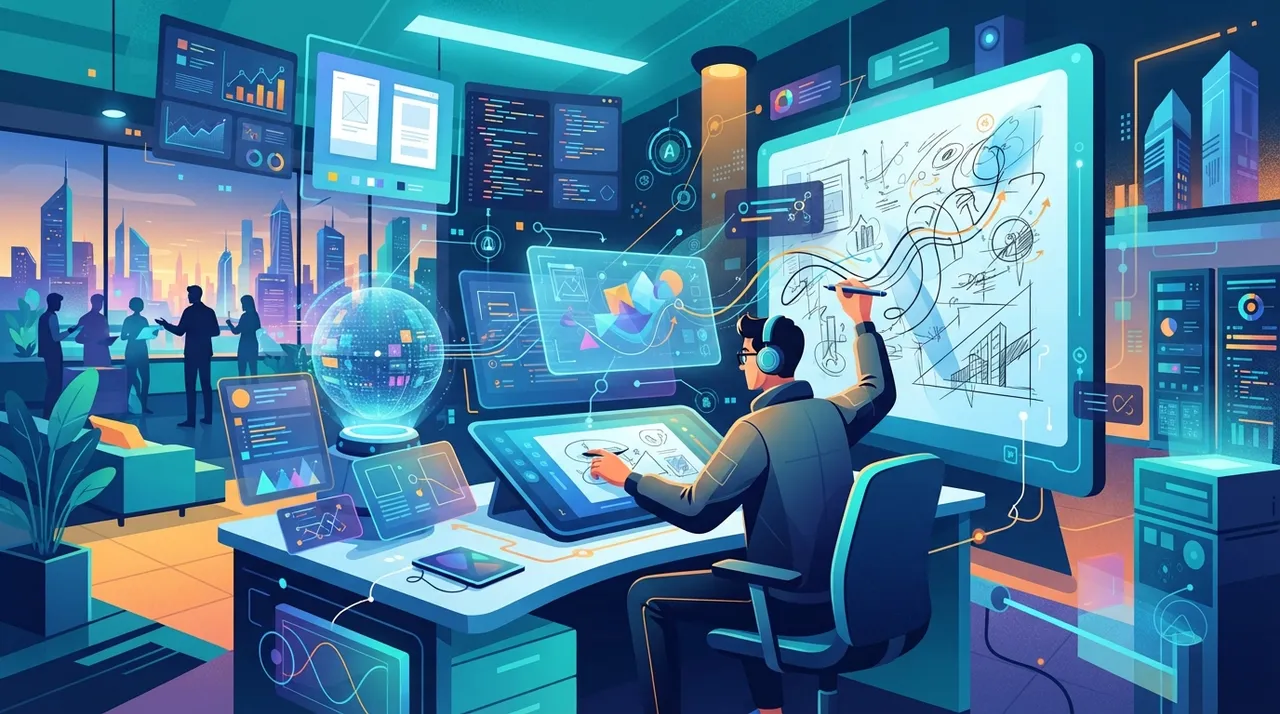
These tools are categorized into key groups: design system generators that rapidly establish project foundations, interactive design tools that transform text ideas or hand-drawn sketches into high-fidelity UI, and tools embedded within existing design environments such as AI features in Figma and Adobe Firefly. These technologies integrate to offer comprehensive solutions, with tools like Google Stitch generating high-fidelity UI from natural language prompts, and Magic Patterns focusing on design-system-aware prototyping.
Why it Matters
AI-powered design systems are crucially important for several reasons:
- Accelerated Design Process: These tools streamline repetitive tasks such as layout generation, automatic layer naming, and content creation, enabling designers to focus on creative thinking and complex problem-solving. Ideas can be transformed into prototypes or functional applications in minutes, rather than hours or days.
- Enhanced Consistency and Quality: By using existing design systems as a reference point, AI tools ensure that new designs are consistent with the product's or brand's visual identity. This reduces errors and guarantees a unified user experience across all platforms.
- Expanded Creative Exploration: Designers can explore a greater number of design options and variations at lightning speed, leading to more innovative and effective solutions. These tools allow for easy experimentation with different styles and layouts, which was previously impossible.
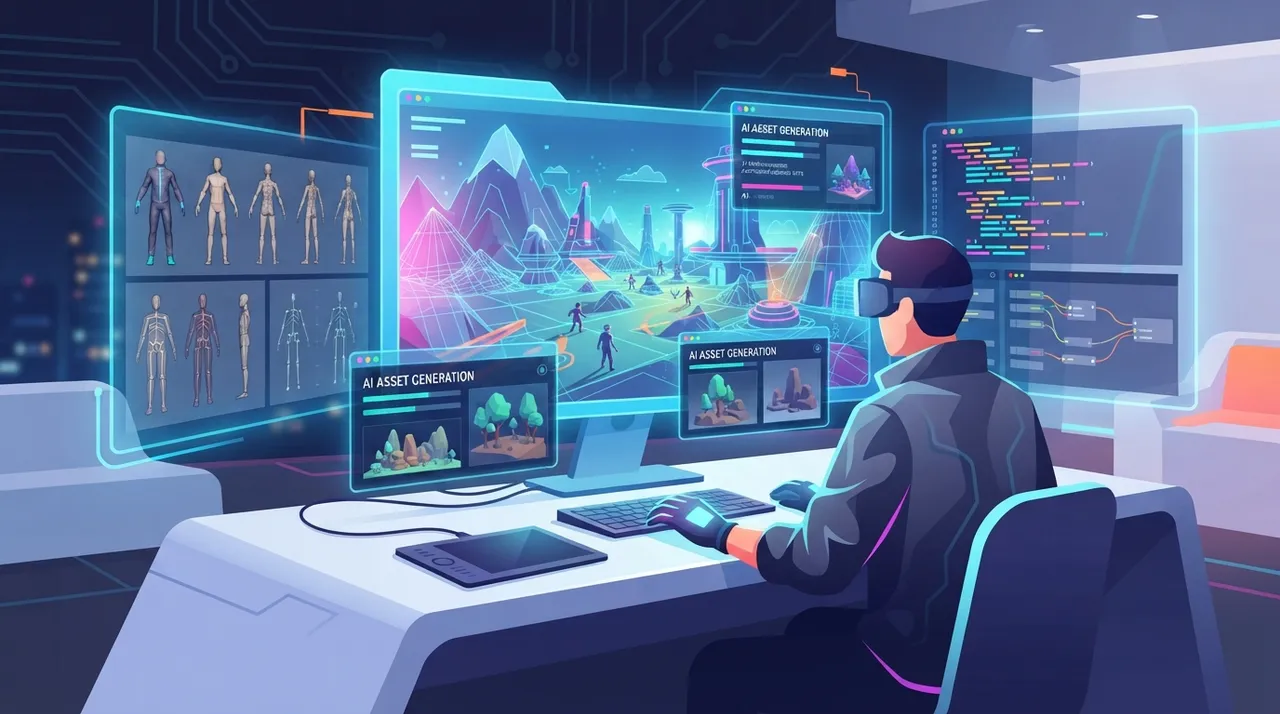
- Bridging the Design-Development Gap: Some new tools, such as Bolt and Lovable, not only create designs but also generate production-ready web applications without requiring code. This mitigates handoff challenges between design and development teams, saving time and effort.
How to Practically Benefit (Tools/Steps):
To maximize the benefits of these advancements, designers and teams can follow these steps:
- Start with Integrated Tools: If you already use Figma, explore its built-in AI features like Figma Make to help generate layouts and components. These tools integrate seamlessly into your current workflow.
- Explore Design System Generators: If you are starting a new project, try tools like Relume or Moonchild to quickly establish the foundations of a design system. These tools provide a strong starting point for defining design directions.
- Leverage Interface Generation Tools: Use tools like UX Pilot AI or Uizard to transform initial ideas (text or sketches) into UI or interactive prototypes. These tools are ideal for brainstorming and concept exploration.
- Integrate AI into Your Workflow: Don't hesitate to use large language models (LLMs) like ChatGPT to support aspects of your design system such as documentation, naming conventions, and code generation. Tools like Claude Code can also help automate complex coding tasks and sync tokens between Figma and code.
- Focus on Human Review and Refinement: Despite the power of AI, initial drafts generated by AI always require a human touch for refinement and to ensure alignment with brand identity and target audience.
AI-powered design systems are not just tools; they are strategic partners for designers in 2026, enabling them to innovate faster, with higher quality, and pushing the boundaries of what's possible in the world of digital product design.

Comments 0
No comments yet — be the first to share your thoughts.
Share your thoughts
To comment, sign in first — we email you a one-time code (no password). This keeps the discussion clean.
Sign in to comment →