

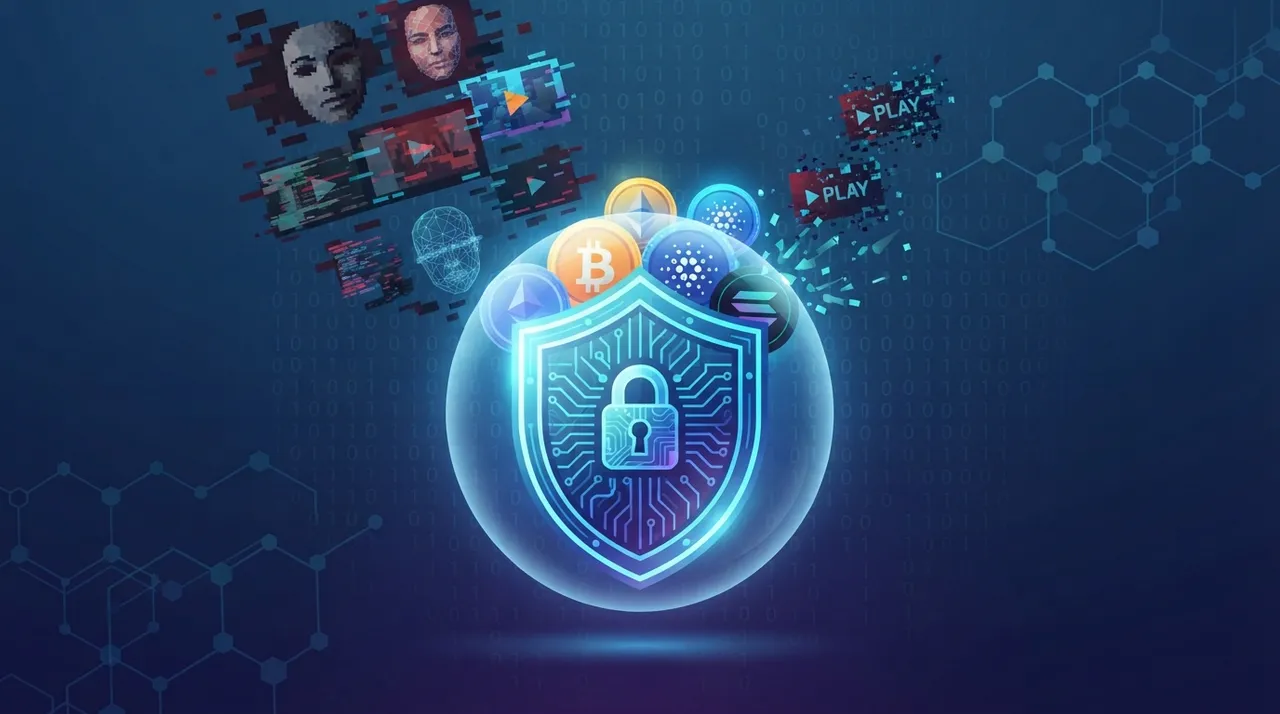
Yemeni freelancers face unique obstacles in receiving digital payments due to banking restrictions and economic instability. Traditional international payment gateways are often inaccessible, forcing many to seek alternative solutions. Cryptocurrencies have emerged as a viable option, offering a decentralized and global medium for transactions. This guide provides a practical framework for freelancers in Yemen to leverage crypto for their earnings, from choosing suitable digital assets to converting them into local currency safely and efficiently.
Understanding the Payment Challenge in Yemen
The economic landscape in Yemen, marked by conflict and sanctions, has severely impacted conventional banking services. International wire transfers are complex, and many popular online payment platforms like PayPal or Stripe either do not operate in Yemen or have stringent restrictions. This creates a significant barrier for freelancers trying to connect with global clients and receive their hard-earned money. The need for a robust, accessible, and reliable payment method is paramount for the growth of the freelance sector in the country.
Why Cryptocurrencies are a Solution
Cryptocurrencies, particularly stablecoins pegged to major fiat currencies like USD (e.g., USDT, USDC), offer a crucial alternative. Their decentralized nature means they are not subject to the same governmental or banking restrictions that plague traditional systems. This allows for:
- Global Accessibility: Transactions can be made and received from anywhere in the world, circumventing geographical and political barriers.
- Lower Fees: Compared to traditional international transfers, crypto transaction fees can be significantly lower, especially for smaller amounts.
- Speed: Crypto transactions typically settle much faster than bank transfers, often within minutes.
- Security: With proper precautions, cryptocurrencies offer a high level of security, protecting funds from traditional banking system vulnerabilities.
Choosing the Right Cryptocurrency for Freelancers
For Yemeni freelancers, the choice of cryptocurrency is critical. Focus on stablecoins for their price stability, which mitigates the risk of value fluctuations inherent in more volatile cryptocurrencies like Bitcoin (BTC) or Ethereum (ETH).
- USDT (Tether): Widely used, high liquidity, and pegged to the US dollar. Available on multiple blockchain networks (e.g., Tron TRC-20, Ethereum ERC-20). TRC-20 is often preferred for its lower transaction fees.
- USDC (USD Coin): Another reputable stablecoin pegged to the US dollar, known for its transparency and regulatory compliance.
- BUSD (Binance USD): A stablecoin issued by Binance, also pegged to the US dollar.
When selecting, consider the liquidity of the chosen stablecoin in local markets and the transaction fees associated with its blockchain network.
Practical Steps for Receiving Crypto Payments
- Set Up a Secure Cryptocurrency Wallet: This is your digital bank account. Options include:
- Hardware Wallets (e.g., Ledger, Trezor): Most secure for large amounts, but require an initial investment.
- Software Wallets (e.g., Trust Wallet, MetaMask): Convenient for daily use, but ensure they support your chosen stablecoins and networks. Always keep your seed phrase offline and secure.
- Exchange Wallets (e.g., Binance, Bybit): Integrated into exchanges, good for trading, but carry the risk of exchange hacks. It's generally safer to move funds to a private wallet after receiving them.
- Communicate with Clients: Clearly inform your clients that you prefer crypto payments, specifying the stablecoin (e.g., USDT TRC-20) and providing your wallet address. Double-check the address before sharing.
- Receive Payments: Once your client sends the funds, they will appear in your wallet. Confirm the transaction on a blockchain explorer (e.g., Tronscan for TRC-20 transactions) using the transaction ID provided by the client.
- Secure Your Funds: For larger amounts, consider transferring funds from an exchange wallet to a hardware or private software wallet for enhanced security.
Converting Crypto to Local Currency in Yemen
This is often the most challenging step. Due to banking restrictions, direct exchange to Yemeni Rials (YER) through official channels is difficult. Freelancers typically rely on over-the-counter (OTC) services and local peer-to-peer (P2P) networks.
- Local Crypto Exchanges/Brokers: Seek out reputable local individuals or small businesses that facilitate crypto-to-fiat conversions. These operate informally but are crucial in the Yemeni context. Always verify their reputation through local networks.
- Peer-to-Peer (P2P) Platforms: Some international exchanges offer P2P trading where users can directly buy and sell crypto with each other using various payment methods, including local bank transfers or mobile money. However, the availability of specific local payment methods for Yemen might be limited. Always use the platform's escrow service for security.
- Mobile Money Services: In some cases, local brokers might facilitate conversion to mobile money accounts (e.g., MyCash, TeleYemen) if these services are available and accessible for receiving funds.
Important Considerations:
- Verify Trustworthiness: When dealing with local brokers or P2P traders, always start with small amounts to build trust. Ask for references and check local community feedback.
- Security First: Conduct transactions in a secure environment. Avoid sharing sensitive information.
- Exchange Rates: Be aware that local exchange rates for crypto to YER might differ from international market rates. Negotiate for fair rates.
Staying Informed and Adapting
The cryptocurrency landscape and the economic situation in Yemen are constantly evolving. Freelancers must stay informed about new stablecoins, updated security practices, and changes in local regulations or informal exchange methods. Joining local online communities of freelancers can provide valuable real-time information and support.



Comments 0
No comments yet — be the first to share your thoughts.
Share your thoughts
To comment, sign in first — we email you a one-time code (no password). This keeps the discussion clean.
Sign in to comment →