

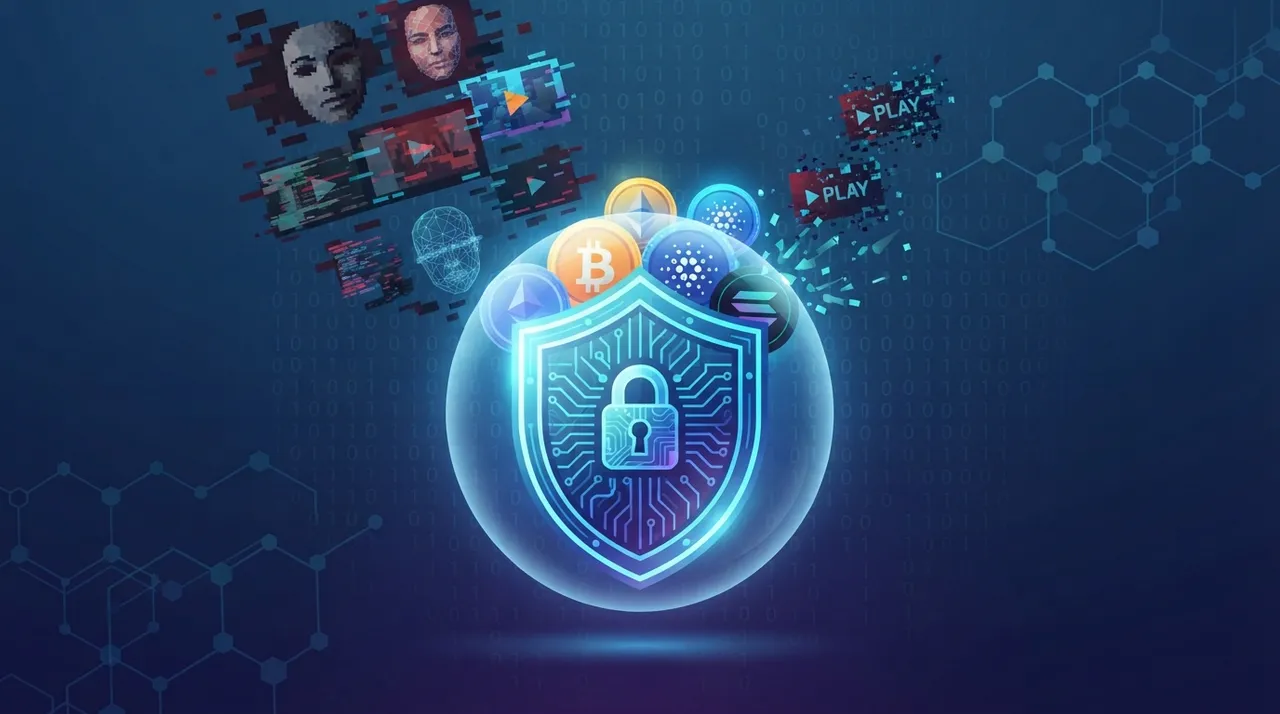
Web3 and decentralized finance (DeFi) are often presented as the ultimate solution to traditional financial systems, promising a world where trust in intermediaries is obsolete. The core idea is compelling: replace human institutions with transparent, immutable smart contracts and distributed ledgers. But is it truly a trustless paradise? This article delves into the realities of trust within Web3 and DeFi, examining where it has been redefined, where it persists, and how users can navigate this evolving landscape.
The Promise of Trustlessness in Web3
At its heart, Web3 aims to shift power from centralized entities to individuals through technologies like blockchain, cryptocurrencies, and smart contracts. The vision is one of financial autonomy, where transactions and agreements are executed automatically and transparently, without the need for banks, brokers, or other third parties.
- Smart Contracts: These self-executing agreements, with terms directly written into code, are designed to remove the need for human intervention and the potential for manipulation. Once deployed, they operate deterministically.
- Blockchain Transparency: All transactions on a public blockchain are verifiable by anyone, promoting an unprecedented level of transparency that theoretically reduces the need to trust individual actors.
- Distributed Consensus: Decisions and validations are made by a network of participants, rather than a single authority, making the system more resilient to censorship and single points of failure.
Where Trust Lingers in DeFi
Despite the rhetoric, a closer look reveals that trust is not entirely eradicated in the Web3 ecosystem; rather, its nature has evolved. Users still need to place trust in various components, albeit often in different forms than in traditional finance.
1. Trust in Code and Developers
Smart contracts are code, and code can have bugs or vulnerabilities. High-profile exploits and hacks in DeFi projects, such as the Poly Network hack in 2021, underscore this point. Users must trust that developers have written secure, audited code and that the underlying protocols are robust.
2. Trust in Oracles and Data Feeds
Many DeFi applications rely on external data (e.g., asset prices, real-world events) fed into smart contracts by oracles. If an oracle is compromised or provides inaccurate data, the entire system can be affected. Users must trust the integrity and reliability of these oracle networks.
3. Trust in Governance and Community
While decentralized autonomous organizations (DAOs) aim for democratic governance, significant power can still be concentrated among large token holders or founding teams. Users must trust that governance participants will act in the best interest of the protocol and its community, rather than for personal gain.
4. Trust in Bridges and Interoperability
As the Web3 ecosystem expands, cross-chain bridges become essential for moving assets between different blockchains. These bridges are complex and have been targets for substantial hacks, such as the Ronin Bridge exploit in 2022. Users must trust the security and operational integrity of these critical infrastructure components.
Practical Steps to Navigate Trust in Web3
For individuals engaging with DeFi, understanding where and how trust operates is crucial. Here are practical steps to mitigate risks and make informed decisions:
- Due Diligence on Protocols: Before committing funds, thoroughly research the project. Look for independent security audits (e.g., from CertiK or Quantstamp), review the team's background, and understand the protocol's tokenomics and governance structure.
- Start Small and Test: Do not invest significant capital into new or unfamiliar protocols immediately. Begin with smaller amounts to understand how the system works and observe its behavior under different market conditions.
- Diversify Your Portfolio: Avoid putting all your assets into a single DeFi protocol or asset. Spreading investments across various reputable projects can reduce the impact of a single failure.
- Understand Smart Contract Risks: Recognize that smart contracts, while powerful, are not infallible. Be aware of the potential for bugs, exploits, and rug pulls, especially with unaudited or newly launched projects.
- Stay Informed: Follow reliable news sources, engage with community forums, and stay updated on security advisories and best practices in the Web3 space. Knowledge is your best defense.
- Secure Your Wallets: Use strong, unique passwords, enable two-factor authentication where available, and consider hardware wallets (Ledger, Trezor) for significant holdings.
The shift to Web3 redefines the landscape of trust, moving it from human intermediaries to code and decentralized networks. While the goal of a trustless system remains aspirational, users must still exercise caution and employ rigorous due diligence. By understanding the inherent risks and taking proactive steps, you can participate more securely and effectively in the evolving world of decentralized finance.





Comments 0
No comments yet — be the first to share your thoughts.
Share your thoughts
To comment, sign in first — we email you a one-time code (no password). This keeps the discussion clean.
Sign in to comment →