

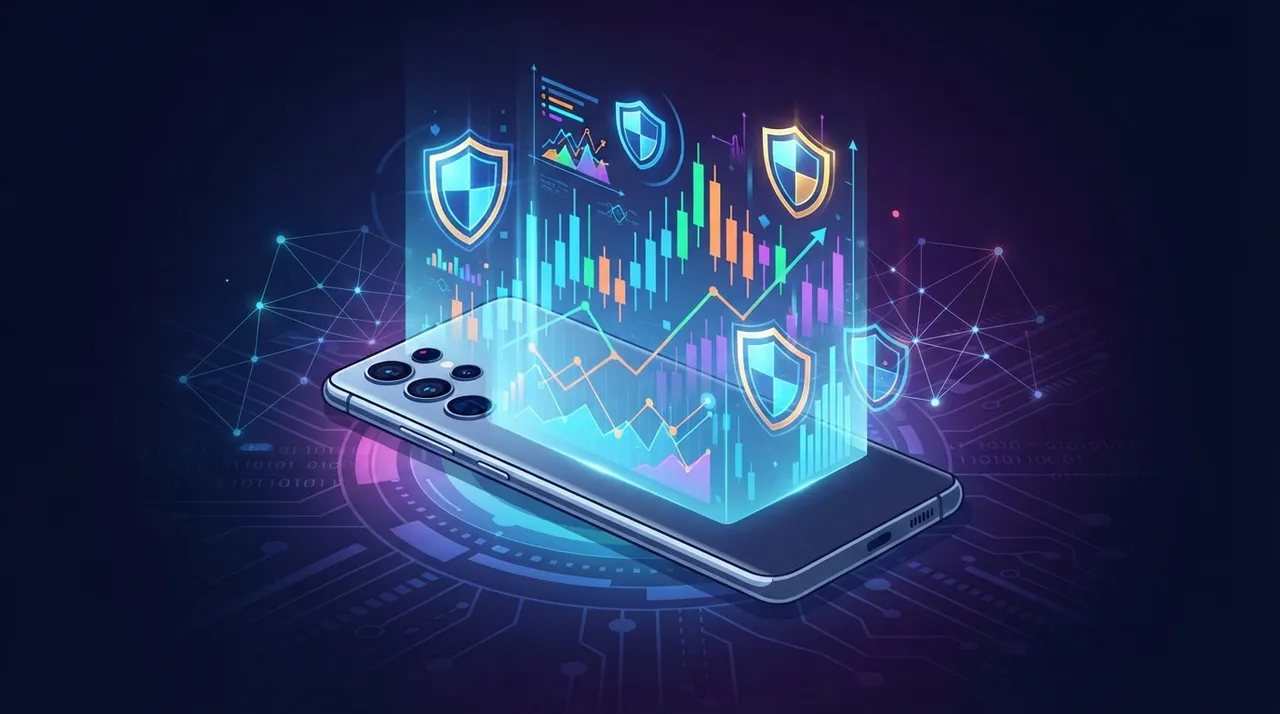
In 2026, creating and launching your own cryptocurrency has evolved beyond a niche technical pursuit to become a viable strategy for businesses aiming to innovate their fundraising, expand their ecosystem, and tap into new revenue streams. Whether you're a startup looking for alternative funding, an established company seeking to reward customer loyalty, or an entrepreneur with a novel blockchain-based idea, a well-executed token launch can be a powerful catalyst for growth and profitability. This guide will walk you through the practical steps to conceptualize, develop, and successfully launch your own digital currency.
Understanding the Value Proposition of Your Crypto
Before diving into the technicalities, it's crucial to define the core value and purpose of your cryptocurrency. This isn't merely about creating a digital asset; it's about solving a problem, enabling a new service, or enhancing an existing business model. Consider these aspects:
- Utility: What specific function will your token serve within your ecosystem? Will it grant access to services, facilitate transactions, or represent ownership?
- Target Audience: Who are you trying to attract? Understanding your potential users will inform your tokenomics and marketing strategy.
- Problem Solved: How does your token address a market gap or improve upon existing solutions? A clear problem-solving narrative is essential for adoption.
- Sustainability: What is the long-term vision for your token and its underlying project? Investors and users seek projects with clear roadmaps and sustainable growth potential.
For instance, a gaming company might launch a token used for in-game purchases and governance, while a content platform might use a token to reward creators and users for engagement.
Choosing the Right Blockchain and Token Standard
The choice of blockchain platform significantly impacts your token's functionality, security, and potential for adoption. Each platform offers different advantages and disadvantages:
- Ethereum (ERC-20): Still the most popular choice for fungible tokens due to its established ecosystem, extensive developer tools, and broad wallet support. However, transaction fees (gas fees) can be high during periods of network congestion.
- Binance Smart Chain (BEP-20): Offers lower transaction fees and faster block times compared to Ethereum, making it attractive for projects seeking cost-effectiveness and speed.
- Solana: Known for its high throughput and low transaction costs, suitable for applications requiring rapid and frequent transactions.
- Polygon: A layer-2 scaling solution for Ethereum, offering faster and cheaper transactions while leveraging Ethereum's security.
- Avalanche: Features subnets, allowing projects to launch application-specific blockchains with customizable rules and fees.
Thoroughly research each platform's developer community, security audits, and existing projects to ensure it aligns with your project's technical requirements and strategic goals.
Developing Your Tokenomics and Smart Contract
Tokenomics, or token economics, is the design of your token's supply, distribution, and utility. A well-designed tokenomics model is critical for long-term success:
- Total Supply: Decide on the maximum number of tokens that will ever exist. A fixed supply can create scarcity, while an inflationary supply might be used for ongoing rewards.
- Distribution Model: How will tokens be allocated? Common methods include initial coin offerings (ICOs), airdrops, staking rewards, and allocations for the team, advisors, and community.
- Utility and Incentives: Define how users will interact with the token and what incentives encourage holding and usage. This might include staking for passive income, governance rights, or discounts on services.
- Vesting Schedules: Implement vesting periods for team members and early investors to prevent large-scale token dumps that could depress the price.
The smart contract is the code that governs your token's rules and functionality. It's deployed on the blockchain and ensures transparency and immutability. Engaging experienced blockchain developers to audit your smart contract is paramount to identify and rectify any vulnerabilities before launch.
Strategic Fundraising and Marketing
Successfully launching your cryptocurrency requires a robust fundraising strategy and effective marketing to build community and attract investors:
- Whitepaper: A comprehensive document detailing your project's vision, technology, tokenomics, roadmap, and team. It serves as the primary source of information for potential investors.
- Community Building: Establish a strong presence on platforms like Telegram, Discord, and Twitter. Engage with your community, answer questions, and foster a sense of shared purpose.
- Initial Coin Offering (ICO) or Initial Exchange Offering (IEO): These are common methods for raising capital. An ICO involves selling tokens directly to the public, while an IEO is conducted through a cryptocurrency exchange, often providing greater legitimacy and reach.
- Strategic Partnerships: Collaborating with other blockchain projects, traditional businesses, or influencers can expand your reach and lend credibility to your project.
- Regulatory Compliance: Understand the legal and regulatory landscape in your target jurisdictions. Different countries have varying regulations regarding cryptocurrency offerings, and compliance is crucial to avoid legal issues.
Post-Launch Management and Evolution
The launch is just the beginning. Long-term success hinges on continuous development, community engagement, and adaptability:
- Roadmap Execution: Deliver on the promises outlined in your whitepaper. Timely execution of development milestones builds trust and sustains interest.
- Community Engagement: Maintain active communication with your community. Solicit feedback, address concerns, and involve them in governance decisions where applicable.
- Exchange Listings: Listing your token on reputable cryptocurrency exchanges increases its liquidity and accessibility to a broader audience.
- Security Audits: Regular security audits of your smart contract and platform are essential to protect against vulnerabilities and maintain user trust.
- Adaptation: The cryptocurrency market is dynamic. Be prepared to adapt your strategy, introduce new features, and respond to market trends and technological advancements.
Building a successful cryptocurrency is a marathon, not a sprint. It requires a clear vision, robust technology, a strong community, and diligent management. By following these steps, you can significantly increase your chances of launching a profitable and impactful digital asset in 2026.




Comments 0
No comments yet — be the first to share your thoughts.
Share your thoughts
To comment, sign in first — we email you a one-time code (no password). This keeps the discussion clean.
Sign in to comment →