

Generative AI, once a futuristic concept, has become a tangible reality and an essential driver of business transformation in 2026. It's no longer about the possibilities of AI, but about how it's effectively deployed to boost productivity, enhance decision-making, and deliver exceptional customer experiences. This year marks a paradigm shift from merely experimenting with models to integrating generative AI as an integral part of companies' operational infrastructure.
What's New
In 2026, generative AI has evolved from an experimental technology to an essential business infrastructure across enterprises. Organizations deploying custom AI solutions are seeing measurable improvements in productivity, decision-making, and customer engagement. The global generative AI market is projected to reach $110 billion by 2030, driven by enterprise adoption. Custom Large Language Models (LLMs) and domain-specific AI models are proving significantly more effective than generic solutions.
The integration of generative AI is now strategic, with companies racing to deploy it at scale ahead of competitors. McKinsey estimates that generative AI could contribute $2.6 to $4.4 trillion annually to the global economy through productivity gains, improved decision-making, and new product innovation. Notably, over 80% of enterprises will have used generative AI APIs or deployed generative AI-enabled applications in production environments by 2026.
Why It Matters
This development is crucial because it is fundamentally reshaping how organizations operate. Instead of simply automating tasks, generative AI enables systems to create, reason, and adapt across functions that once required human judgment. This leads to faster innovation cycles, reduced development costs, and higher success rates for new products and services. For example, pharmaceutical companies are leveraging AI to identify potential drug candidates, predict molecular interactions, and design clinical trials.
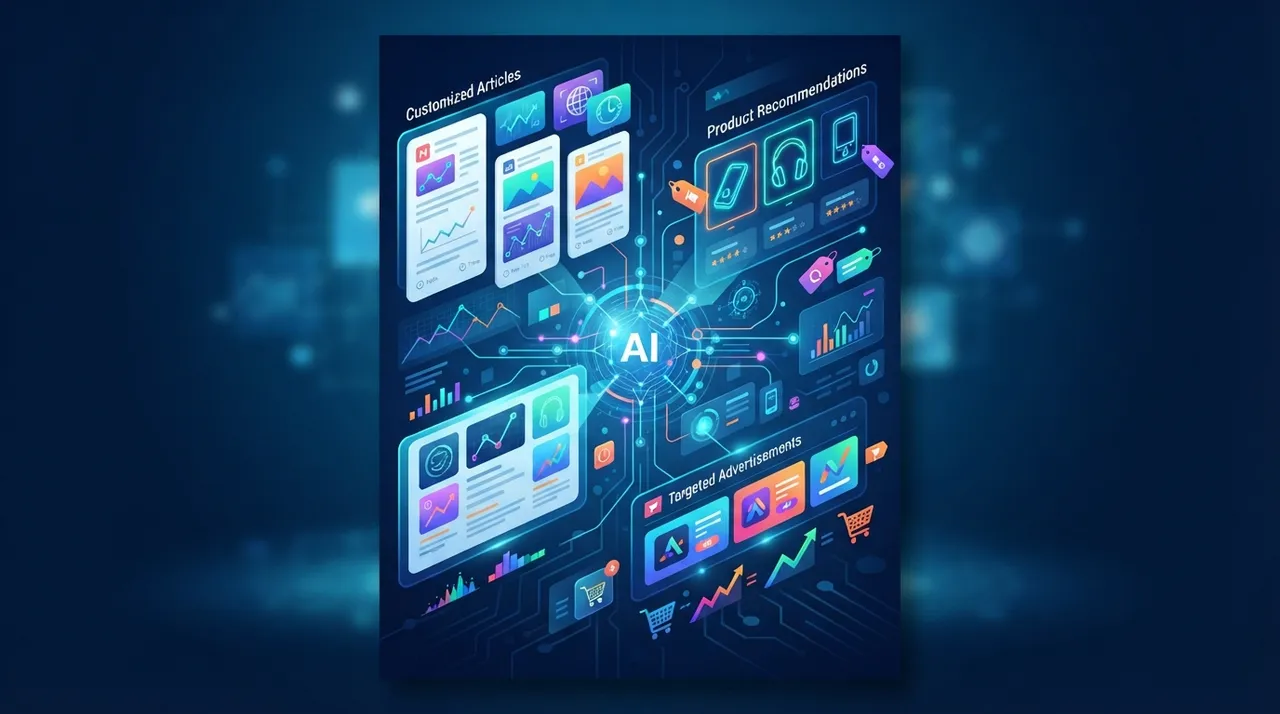
In customer service, generative AI is revolutionizing assistance by providing faster, smarter, and more personalized support. AI-powered chatbots and virtual assistants handle routine inquiries 24/7, reducing wait times and increasing first-contact resolution rates. Generative AI also enables highly personalized marketing campaigns, creating individualized messages, offers, and content for each customer based on their behavior and preferences.
For the reader, this trend offers practical opportunities to enhance efficiency and innovation. Popular generative AI tools in 2026 include platforms like ChatGPT, Microsoft Copilot, Google Gemini, Claude, and GitHub Copilot. These tools can be used to automate workflows, generate content, assist developers, and enhance decision-making through AI-powered insights.
To leverage generative AI, readers can focus on:
- Exploring Tools: Experiment with tools like Google AI Studio, which offers free tiers to start building applications with Gemini models. NotebookLM can also be used to create a personalized AI assistant that provides insights from uploaded data.
- Strategic Integration: Instead of using AI tools in isolation, integrate them into existing workflows and systems to achieve maximum impact.
- Focusing on Value: Identify specific business problems that generative AI can solve and measure the Return on Investment (ROI) to ensure tangible results.
- Skill Development: With increasing demand for AI-related skills, professionals can invest in learning how to utilize these tools in their respective fields.
In conclusion, generative AI is no longer just a promising technology, but a strategic imperative for companies seeking to stay ahead of the curve. By understanding what it is, why it's spreading now, and how to practically benefit from it, individuals and businesses can transform challenges into unprecedented growth and innovation opportunities.






Comments 0
No comments yet — be the first to share your thoughts.
Share your thoughts
To comment, sign in first — we email you a one-time code (no password). This keeps the discussion clean.
Sign in to comment →