

In today's fast-paced digital world, traditional perimeter-based cybersecurity models are no longer sufficient to protect distributed assets. The threat landscape has grown more complex, and attack surfaces have expanded to include cloud computing, remote work, and the Internet of Things (IoT). Here, Cybersecurity Mesh Architecture (CSMA) emerges as a new and effective paradigm, redefining how resilient cyber defenses are built in our era.
What's New
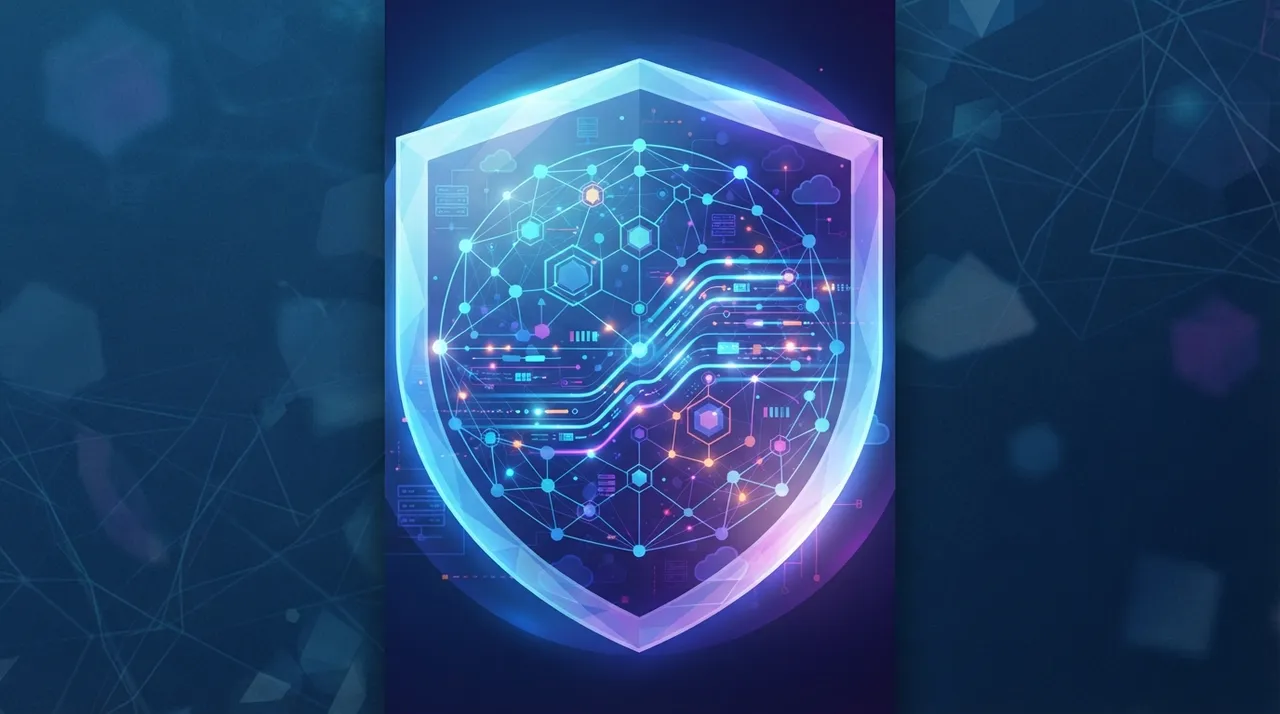
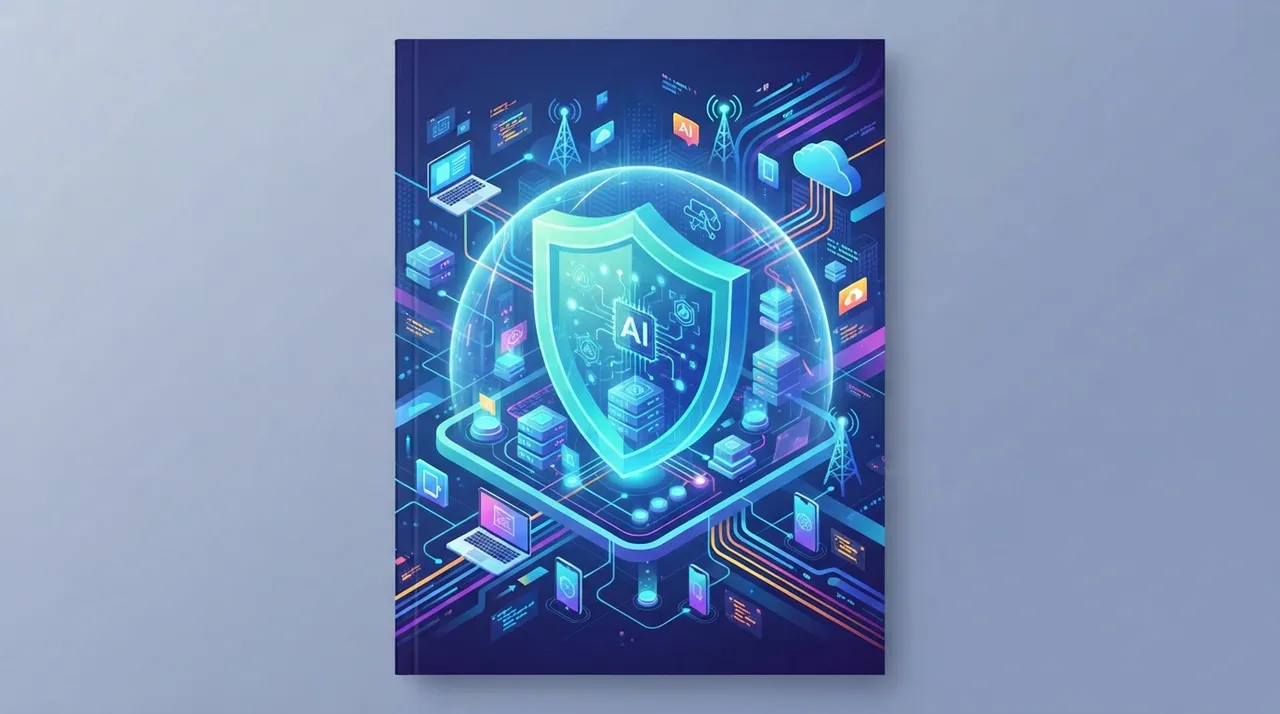
Cybersecurity Mesh Architecture (CSMA) is a modern security approach that creates a flexible, scalable network of security controls. Instead of relying on a single central defense point, CSMA moves away from traditional perimeter-focused models to secure individual access points and devices across a distributed network. A recent report from February 2026 indicates that enterprise adoption of CSMA has reached 31%, up from just 8% in 2024, driven by remote work, cloud migration, and Zero Trust requirements. This shift aims to protect individual identities (human or device) and provide a more flexible and adaptive security framework.
CSMA separates the decision-making component of security (policy orchestration) from the action-taking component (policy enforcement), allowing centralized control over security policies while enabling distributed and localized policy implementation. This architecture leverages the principles of mesh networking to create a distributed cybersecurity model. This process closely aligns with Zero Trust architecture, emphasizing continuous authentication and authorization. By incorporating microsegmentation, CSMA enhances cloud security and provides granular control over network access.
Why It Matters
Cybersecurity Mesh Architecture offers a set of critical advantages in the current threat environment:
- Flexibility and Scalability: CSMA allows for tailored and adaptable security measures, which can easily scale with organizational growth. This means greater ability to support distributed workforces and hybrid IT environments, providing consistent protection for employees accessing resources from various locations and devices.
- Enhanced Visibility and Control: CSMA offers a more comprehensive view of the entire security ecosystem and more granular control over who can access what resources. It helps in rapid threat detection and response, significantly reducing incident response times.
- Reduced Attack Surface and Breach Containment: By implementing microsegmentation, CSMA reduces the attack surface and limits lateral movement of attackers within the network, thereby minimizing the impact of any potential breach. This allows for defining security perimeters around individual devices or users rather than the entire network.
- Compliance and Policy Standardization: CSMA ensures uniform security policy application across diverse environments (e.g., cloud, on-premises, hybrid), helping organizations meet regulatory requirements more efficiently.
- Integration with Existing Technologies: CSMA is designed to work with existing security tools and can often enhance their effectiveness by providing a framework for integrating various security solutions into a cohesive, distributed security landscape.
CSMA is crucial because it directly aligns with Zero Trust principles, which assume that every access request must be verified, regardless of its origin. CSMA enables the implementation of these principles by providing identity-centric protection, microsegmentation, and identity-level policy enforcement.
How to Benefit Practically (Tools/Steps)
To benefit from Cybersecurity Mesh Architecture, readers can follow these practical steps:
- Assess Current Security Posture: Begin by comprehensively evaluating existing security tools, policies, and processes. Identify specific integration goals and understand how information flows through your systems.
- Adopt Zero Trust Principles: This approach should be an integral part of your strategy. Implement continuous authentication and authorization for every access, regardless of location or device.
- Implement Microsegmentation: Divide your network into smaller, isolated segments, applying custom security controls to each segment. These segments can be as granular as individual devices, applications, or even workloads. This step helps contain potential breaches and prevent lateral movement of attackers.
- Invest in Consolidated Security Platforms: Companies are increasingly offering consolidated security platforms composed of tightly coupled tools that utilize common data and control planes. Look for solutions that support interoperability and integration.
- Leverage AI and Analytics: AI can enhance threat detection, automate policy adjustments, and provide predictive analytics. Use security analytics tools to collect, analyze, and interpret data, and identify potential threats.
- Develop a Detailed Integration Plan: Create a detailed roadmap for connecting systems, and ensure consistent data formats across integrated systems. Start with critical systems and then expand gradually.
Cybersecurity Mesh Architecture is not just another buzzword; it is a critical response to the evolving security challenges of our digital age. By embracing this distributed and intelligent approach, organizations can build robust and resilient defenses, ensuring business continuity and protecting vital assets in the face of increasingly complex threats. As the cyber landscape continues to evolve, CSMA will become the foundational principle for cybersecurity, enabling digital innovation with confidence and security.




Comments 0
No comments yet — be the first to share your thoughts.
Share your thoughts
To comment, sign in first — we email you a one-time code (no password). This keeps the discussion clean.
Sign in to comment →