
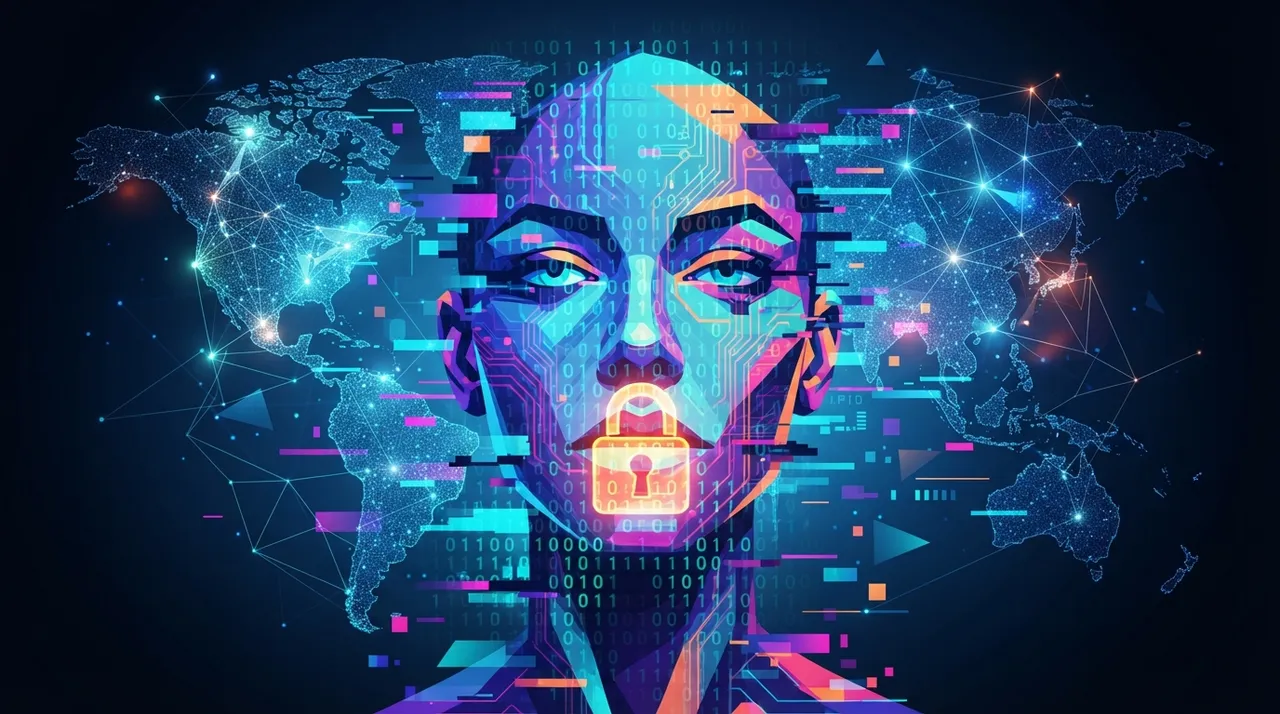
In the constantly evolving cybersecurity landscape, a new, more sophisticated, and convincing threat is emerging: social engineering attacks powered by deepfake technology. It's no longer just about fraudulent emails with detectable grammatical errors; we are now facing live video calls and cloned voices indistinguishable from reality, capable of deceiving even the most vigilant employees.
What's New: Deepfake and Social Engineering 2.0
2026 is witnessing a radical shift in the nature of cyberattacks, as social engineering, which relies on manipulating human psychology, has become more lethal thanks to generative AI. Attackers are using deepfake technologies to create ultra-realistic audio-visual media—videos, images, and audio recordings—that precisely mimic real individuals such as executives or trusted colleagues.
This phenomenon is known as “Social Engineering 2.0,” where attacks no longer rely solely on traditional textual manipulation but have evolved to employ deepfakes to create seemingly authentic content. In 2024, the number of deepfake incidents detected globally quadrupled compared to 2023, and deepfake attacks are projected to increase by 495% by the end of 2026, becoming the single biggest social engineering threat organizations face. These attacks range from cloned voice calls attempting to access customer accounts to fake video meetings deceiving employees into transferring tens of millions of dollars.
Why It Matters
The significance of this development lies in several aspects:
- Erosion of Trust: Human senses are no longer sufficient to verify the authenticity of what we see or hear. Deepfake can undermine trust in digital communication, making it extremely difficult to distinguish between real and fake.
- Ease of Execution and Low Cost: Deepfake creation tools have become accessible, inexpensive, and easy to use, enabling any threat actor with internet access and a modest budget to execute sophisticated attacks. A convincing voice clone can be created from as little as three seconds of audio.
- Devastating Financial Losses: Deepfake attacks have resulted in significant financial losses for companies. In one instance, an engineering firm lost $25 million after an employee was deceived by a synthetic video call impersonating company executives. The average cost of a data breach in 2025 was $4.44 million.
- Bypassing Traditional Defenses: These attacks exploit human trust rather than technical vulnerabilities, rendering traditional security defenses insufficient.
These attacks are spreading rapidly, with AI-powered voice phishing attacks surging by 1600% in Q1 2025 in the United States alone. These attacks specifically target financial, technology, and healthcare sectors due to the direct financial value of the data and transaction authority their employees control.
How Readers Can Practically Benefit (Tools/Steps)
To counter this growing threat, individuals and organizations must adopt a multi-layered defense approach that combines technical solutions with human awareness:
For Individuals:
- Out-of-band Verification: Always confirm high-stakes requests (such as money transfers or sharing sensitive information) through a separate, pre-established communication channel. For example, if you receive a call from your manager requesting an urgent transfer, call them back on their known phone number or email to verify.
- Awareness Training: Learn how to identify deepfake signs, such as unnatural facial movements, unusual blinking patterns, or inconsistent lighting in videos. Be wary of any unexpected or urgent requests.
- Healthy Skepticism: Never trust someone promising huge investment returns or requesting payment only in cryptocurrencies.
- Reporting: Report any suspicious content or attempted fraud to relevant authorities and social media platforms.
For Organizations:
- Develop Hybrid Defense Strategies: Integrate automated technical analysis with human behavioral verification. This means using AI-powered deepfake detection tools in parallel with employee training programs.
- Deepfake Detection Tools: Invest in advanced real-time deepfake detection tools. Examples include CloudSek, Sensity AI, Reality Defender, and Intel FakeCatcher. These tools can analyze video and audio streams to detect any manipulation.
- Implement Zero Trust Principles: These include continuous identity verification, granular access permissions, and monitoring all network activities.
- Employee Training: Regularly train employees on the latest AI-powered social engineering tactics and how to identify and respond to them. Emphasize healthy skepticism and confirming sensitive requests.
- Multi-layered Biometric Verification: In contexts like video Know Your Customer (KYC), use passive and active liveness detection techniques, biometric authentication, and blacklists.
Deepfakes and Social Engineering 2.0 represent a significant challenge requiring constant vigilance and rapid adaptation. By adopting these strategies and tools, we can build stronger defenses and protect ourselves and our organizations from these evolving threats.




Comments 0
No comments yet — be the first to share your thoughts.
Share your thoughts
To comment, sign in first — we email you a one-time code (no password). This keeps the discussion clean.
Sign in to comment →