

In the current digital landscape, marked by an unprecedented acceleration in cloud adoption, remote work, and the Internet of Things, traditional perimeter-based cybersecurity strategies are no longer sufficient. Cyberattacks have become more sophisticated and stealthy, requiring a more flexible and adaptive defensive approach. This is where Cybersecurity Mesh Architecture emerges as a pivotal solution for 2026, offering a new model for fortifying enterprises against evolving threats.
What's New: Distributed Security Mesh
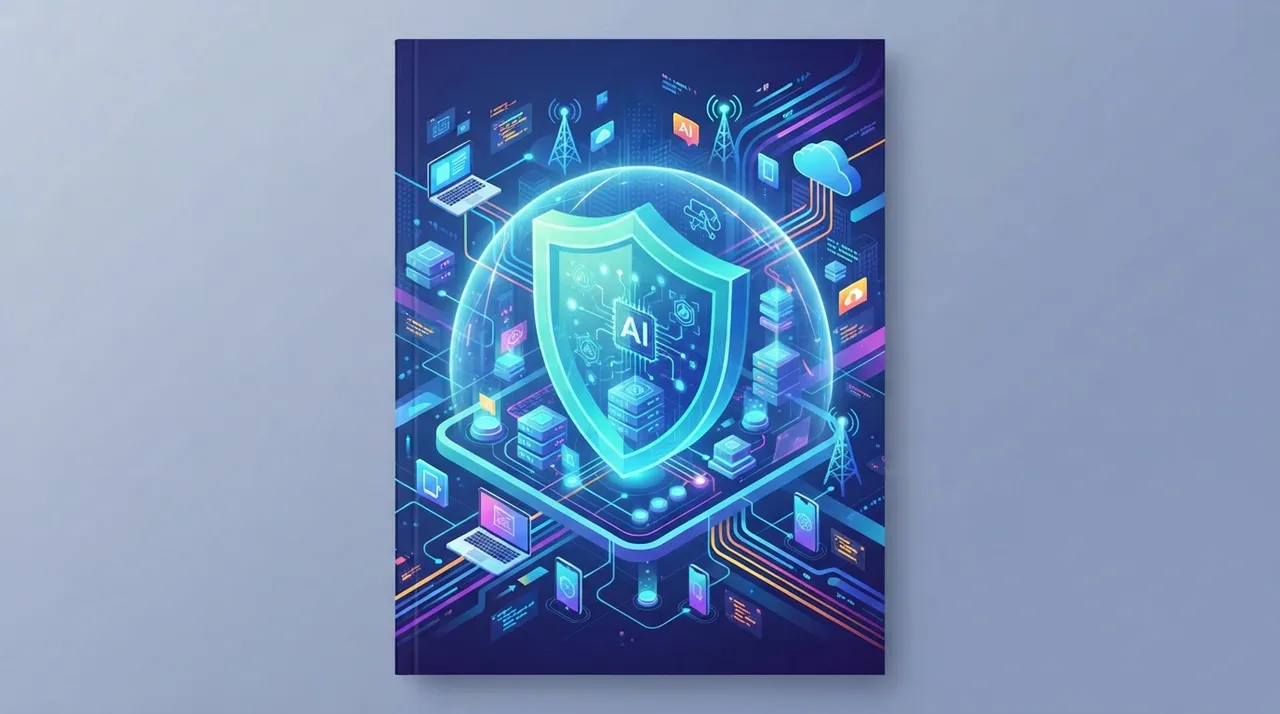
Cybersecurity Mesh Architecture is a distributed architectural approach that secures digital assets through a modular, identity-centric framework—regardless of their physical or digital location. Instead of focusing on perimeter-based defenses, this model ensures that security is applied where the asset or user resides, not just where the traditional firewall sits. Gartner introduced cybersecurity mesh as one of its top strategic technology trends, highlighting its growing importance in modern enterprise environments.
This architecture is characterized by the implementation of Zero Trust principles, which emphasize continuous verification of users, devices, and network traffic, regardless of their origin. It divides the network into isolated security zones at the individual workload or device level, enforcing precise access policies to ensure that only authorized communication occurs. If a device doesn't have explicit permission to reach another device, the connection is denied. This focus on microsegmentation prevents lateral movement by attackers within the network, which occurs in over 70% of successful breaches.
The model also relies on adaptive security principles, where systems and processes continuously monitor, learn from, and adjust to new and evolving threats, vulnerabilities, and environmental changes, rather than relying on static, signature-based defenses. This includes using AI and machine learning to detect behavioral anomalies and automatically respond to threats.
Why It Matters: Addressing 2026 Challenges
Increasingly Complex AI-Powered Attacks: Threat actors now use large language models to craft polymorphic malware, automate phishing campaigns, and probe networks faster than rule-based tools can respond. This demands flexible defenses that continuously adapt and learn. Attacks on Application Programming Interfaces (APIs) have also become a standard part of how businesses get breached, accounting for a significant portion of 311 billion web attacks in 2024, and continuing to rise in the first half of 2025.
Expanding Attack Surface: Hybrid cloud environments, IoT deployments, and remote workforces create dynamic perimeters that static policies cannot adequately protect. This decentralization has significantly broadened the attack surface, with every remote endpoint—laptop, tablet, smartphone—becoming a potential entry point for attackers. Cybersecurity Mesh Architecture provides distributed protection across all endpoints, devices, identities, and applications, regardless of location.
Regulatory Pressure and Talent Shortages: Regulatory frameworks such as the SEC's cybersecurity disclosure rules and the EU's NIS2 Directive require organizations to demonstrate continuous risk intelligence rather than point-in-time compliance. Additionally, companies face a shortage of security talent, making the need for automated and adaptive solutions even more urgent.
How Readers Can Practically Benefit
To maximize the benefits of Cybersecurity Mesh Architecture, readers can follow these steps and tools:
- Adopt Zero Trust Principles: Start by implementing Zero Trust principles throughout your organization. This means always verifying every user, device, and access attempt, even if it's within the network. Identity and Access Management (IAM) tools and Multi-Factor Authentication (MFA) can be crucial in this step.
- Implement Microsegmentation: Divide your network into small, isolated segments. This limits lateral movement by attackers and reduces the impact of any breach. Specialized microsegmentation tools can help automate this process, such as identity-based microsegmentation solutions that enforce policies on every internal communication path.
- Secure APIs: Since APIs are the backbone of modern applications, they must be secured carefully. Implement best practices such as end-to-end encryption (HTTPS/TLS), strong authentication (OAuth 2.0, JWTs), input validation, and rate limiting. NIST recommends identifying and analyzing risk factors in various API lifecycle phases and developing controls and protection measures.
- Embrace Adaptive Security and Predictive Intelligence: Utilize adaptive security solutions that leverage AI and machine learning to continuously monitor, analyze, and respond to threats in real-time. These systems can detect behavioral anomalies and automatically isolate affected systems. Look for cybersecurity platforms that integrate AI-powered threat detection with response automation.
- Develop Employee Awareness: As the human element still accounts for a significant portion of breaches (60% according to Verizon's 2025 report), continuous security awareness programs are critical. These programs should include phishing simulations, deepfake audio and video simulations, and behavioral analytics to assess ongoing human risk.
Cybersecurity Mesh Architecture is a crucial development in cybersecurity, providing a comprehensive and distributed approach to counter the increasingly complex threats of 2026. By adopting Zero Trust principles, microsegmentation, API security, adaptive security solutions, and developing employee awareness, organizations can significantly enhance their cyber resilience and reduce the risk of breaches.





Comments 0
No comments yet — be the first to share your thoughts.
Share your thoughts
To comment, sign in first — we email you a one-time code (no password). This keeps the discussion clean.
Sign in to comment →