
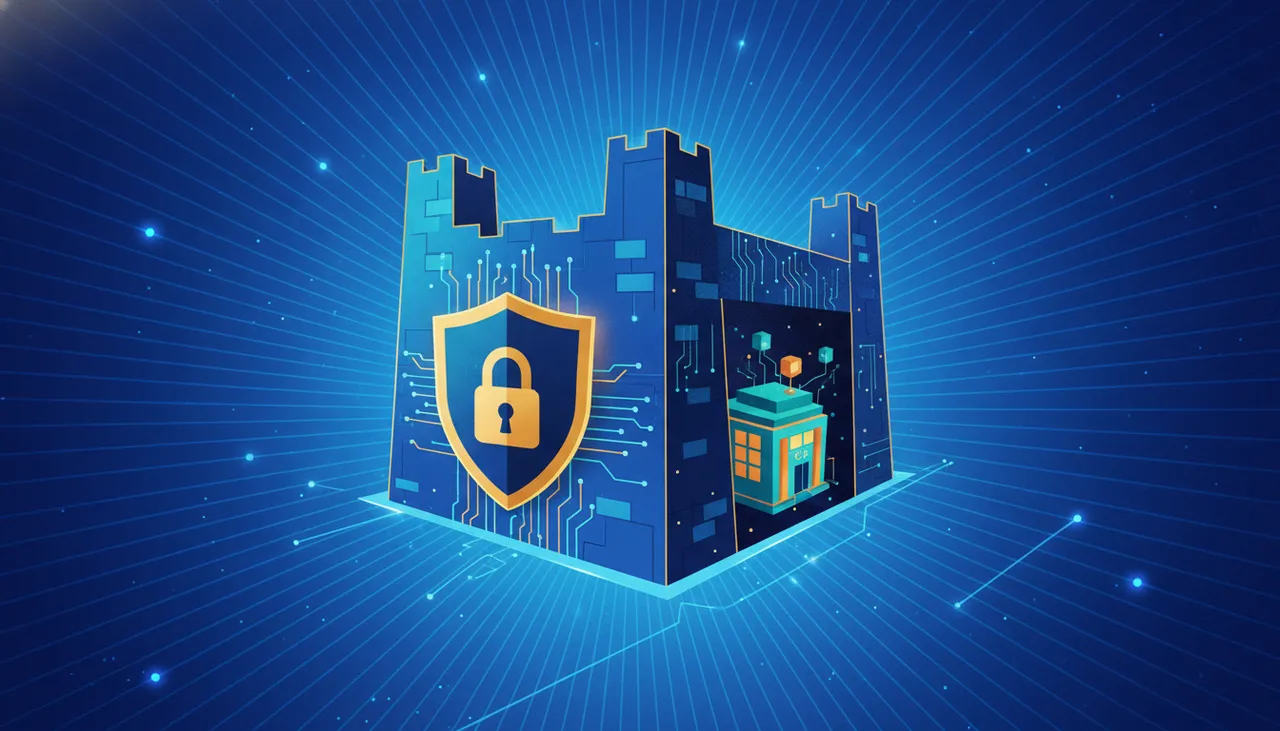
In today's fast-paced digital world, small businesses are no longer immune to cyber threats. Contrary to the common perception that only large corporations are targeted, small and medium-sized enterprises (SMEs) represent an attractive target for hackers, often due to weaker defenses. Ignoring cybersecurity is no longer an option; it's a gamble on the future of your business and reputation.
What's New
The past few years have witnessed a radical shift in the nature of cyberattacks. The focus is no longer solely on financial data theft but has expanded to include extortion via ransomware, supply chain attacks, and sophisticated phishing targeting individual employees. According to multiple reports, the percentage of SMEs experiencing cyberattacks annually is increasing, with some statistics indicating that over 40% have experienced at least one attack in the past year. A notable development is the ease of access to cyberattack tools, meaning criminals no longer need high technical expertise to launch effective attacks. Remote work, imposed by the pandemic, also opened new vulnerabilities exploited by attackers.
Why It Matters To You
As a small business owner or manager in the Arab world, protecting your company from cyber threats is not just a technical issue; it's a direct investment in your business continuity and reputation. Data loss, operational downtime, or loss of customer trust can lead to devastating financial losses, potentially resulting in business closure. Customers in the region are becoming more aware of the importance of their data security, and they expect the businesses they deal with to protect their information. Therefore, building a strong cybersecurity culture within your company is a competitive advantage.
How to Benefit Practically (Tools/Steps)
- Initial Risk Assessment: Start by identifying your most valuable assets (customer data, intellectual property, critical operating systems) and potential vulnerabilities. Free online questionnaires can assist in this assessment.
- Employee Training: Employees are the first line of defense. Regularly train them on how to recognize phishing emails, the importance of strong passwords, and safe browsing practices. Interactive e-learning platforms can provide Arabic content.
- Implement Basic Security Solutions:
- Antivirus and Anti-Malware Software: Ensure they are installed and updated on all devices.
- Firewall: Use a robust firewall to protect your network.
- Regular Backups: Regularly back up your critical data and store it securely and separately (either cloud-based or physical). Ensure it can be restored.
- Software and System Updates: Keep all operating systems, software, and applications updated to prevent the exploitation of known security vulnerabilities.
- Password Management: Encourage the use of strong, unique passwords for each service, and use a secure password manager.
- Multi-Factor Authentication (MFA): Enable MFA wherever possible, especially for email accounts and sensitive systems.
- Seek Expert Help: If the budget allows, consider engaging a cybersecurity consulting firm to assess vulnerabilities and provide tailored solutions. There are local and regional companies specializing in this field.
- Incident Response Plan: Develop a clear plan for what to do in case of a cyberattack, including who to contact and how to restore operations.
Integrating these steps into your operational strategy is not just a preventive measure; it's an essential investment in the resilience and growth of your company in the current digital landscape. Don't wait until you become a victim; be proactive in protecting your business's future.



Comments 0
No comments yet — be the first to share your thoughts.
Share your thoughts
To comment, sign in first — we email you a one-time code (no password). This keeps the discussion clean.
Sign in to comment →