

Generative AI has recently made a qualitative leap, transcending the boundaries of simple conversational applications to become a true engine of innovation. It is no longer limited to large language models that answer questions or write texts but has extended to include generating complex programming code, designing 3D models, and even developing drugs and discovering new materials. This shift indicates a new phase where AI integrates more deeply into creative and operational processes, reshaping the concept of productivity and innovation.
What's New
The most prominent development lies in the ability of modern generative models to understand complex contexts and perform multi-faceted tasks with high accuracy. For example, models like GPT-4 and Gemini are now capable of:
- Code Generation: They are no longer limited to simple suggestions but can write complete software modules, debug errors, and even translate natural language requirements into functional code solutions, significantly accelerating software development cycles.
- Creative Design: From generating artistic images and texts to designing user interfaces (UI/UX) and creating 3D models for games and products, these tools are opening new horizons for designers and artists.
- Scientific Research and Development: In fields such as materials science and drug discovery, generative models are used to predict the properties of new compounds and design molecules with specific functions, significantly reducing the time and cost required for experimental research.
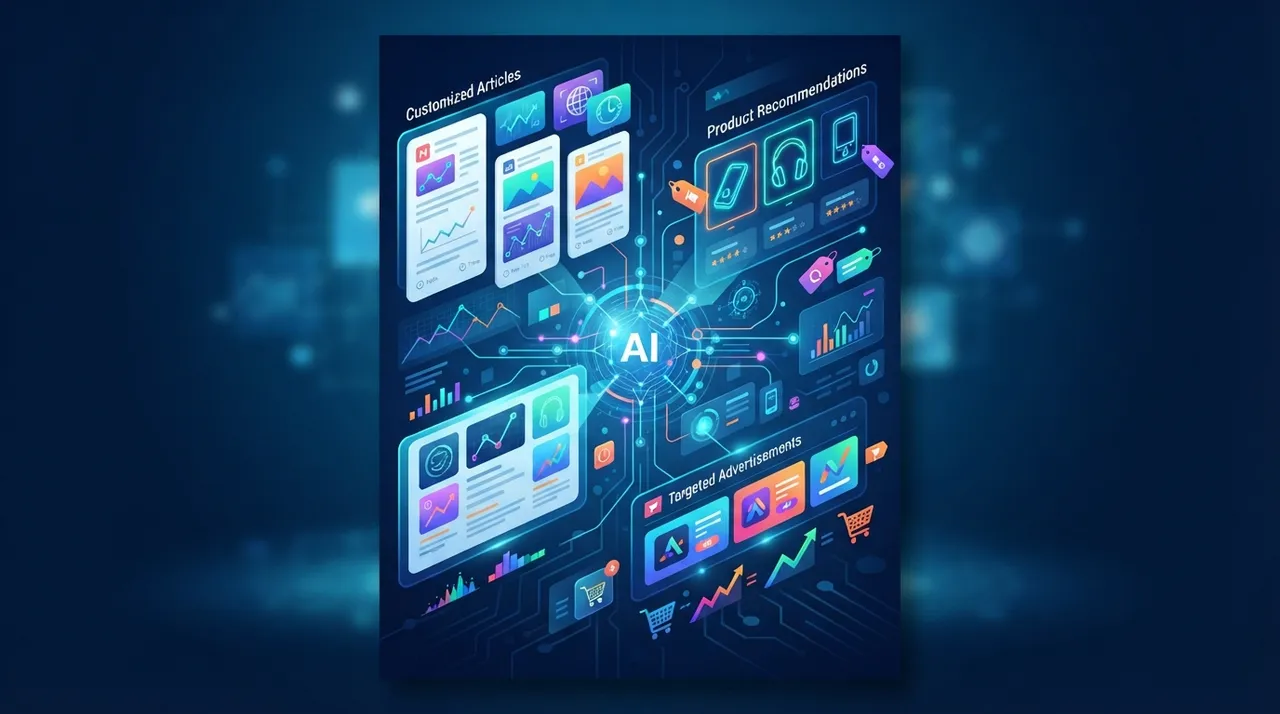
- Hyper-Personalization: The ability to create individually tailored content and experiences for users, whether in marketing, education, or entertainment, based on big data and deep analysis of user behavior.
Why it Matters
The rapid spread of generative AI is due to several fundamental reasons:
- Accessibility: These tools are widely available through simple and user-friendly interfaces, reducing the technical barrier for non-specialists.
- Increased Productivity: Generative models save enormous time and effort in repetitive tasks or those requiring initial creativity, allowing professionals to focus on more complex and strategic aspects.
- Cost Reduction: In many sectors, generative AI can reduce the need for expensive human or time resources to generate content or develop initial solutions.
- Accelerated Innovation: By virtue of their ability to rapidly generate a large number of potential ideas and solutions, these technologies accelerate innovation cycles and open up new areas that were not previously possible.
- Learn Interaction Basics: Mastering the art of prompt engineering is key to getting the best results. Start by experimenting with tools like ChatGPT or Gemini for simple daily tasks.
- Integrate Tools into Workflow: For developers, explore tools like GitHub Copilot for code generation. For designers, try Midjourney or DALL-E to generate visual ideas and images.
- Automation and Optimization: Use AI to generate initial drafts for marketing content, emails, or even project plans. This saves time and allows focusing on editing and refinement.
- Specialize in a Specific Field: Choose one area that interests you (such as content writing, graphic design, or programming) and delve into how to use generative AI to maximize its benefits in that field.
- Stay Informed: Follow tech blogs and specialized conferences to keep up with the latest developments, as this field changes very rapidly.
In conclusion, generative AI is not just a transient technology; it is a structural transformation that redefines how we work and create. By understanding its dimensions and adopting its tools wisely, individuals and businesses alike can unlock new avenues for productivity and innovation, enabling them to compete effectively in the rapidly accelerating digital economy.





Comments 0
No comments yet — be the first to share your thoughts.
Share your thoughts
To comment, sign in first — we email you a one-time code (no password). This keeps the discussion clean.
Sign in to comment →