

As we enter 2026, AI is no longer just an auxiliary tool; it has become a fundamental operating system interwoven into the fabric of work and daily life. The available tools have evolved beyond large language models capable of reasoning and solving complex problems, now encompassing 'Agentic AI' which possesses autonomy and the ability to execute multi-step tasks with minimal human intervention.
What's New
Agentic AI represents the latest advancement in the world of artificial intelligence, going beyond merely responding to simple commands. These intelligent systems take initiative, make decisions, and execute complex workflows with minimal human intervention. Agentic systems act as 'digital employees' capable of managing multi-step processes across different systems, from customer service escalations to data analysis and report generation. Projections indicate that 33% of enterprise software will include agentic AI by the end of 2026, a significant increase from less than 1% in 2023.
Furthermore, AI models are evolving towards specialization, with models trained on domain-specific data outperforming general models in specialized tasks. Multimodal AI systems, which understand text, images, audio, and video concurrently, are also becoming more prevalent, with 95% of new foundational models being multimodal.
Why It Matters
Agentic AI is rapidly spreading for several fundamental reasons. First, it enables businesses to achieve massive productivity gains and significant cost reductions. Estimates suggest that generative AI alone could add up to $4.4 trillion annually to the global economy through productivity gains, cost reductions, and new revenue streams. Second, this development allows for the reimagining of how tasks are accomplished, shifting human focus from routine work to strategic thinking and innovation. Rather than replacing humans, agentic AI augments their capabilities, enabling them to concentrate on higher-value activities such as developing creative concepts, establishing brand strategies, and providing cultural context.
In content creation, for example, agentic AI can significantly accelerate the production process and empower small teams to compete with entire agencies. Voice-based AI tools can transform spoken ideas into polished content, making it easier for creators who may not be comfortable typing long articles. In education, AI assists with personalized learning, lesson creation, and data analysis, giving educators more time to focus on instruction and building relationships with students. Studies have shown that AI-powered personalized learning increases student engagement rates by up to 60% and improves learning efficiency by 57%.
Real-World Examples and Reader Benefits:
- In Business: Companies can use agentic AI to automate tasks such as intelligent document processing, invoice analysis, lead qualification, and supply chain management. These systems can help improve operational efficiency and reduce manual workload. Professionals can use tools like ChatGPT, Google Gemini, or Microsoft Copilot to draft emails, summarize meetings, create agendas, and even assist with coding.
- In Education: Agentic AI is used to provide highly personalized learning experiences that adapt to individual student needs, offer instant feedback, and enhance student engagement. For instance, Stanford University's introductory computer science courses use AI to generate unique, project-based assessments for every student, effectively eliminating plagiarism and increasing student engagement by 40%. Students can leverage these tools to organize ideas, clarify concepts, and learn more efficiently.
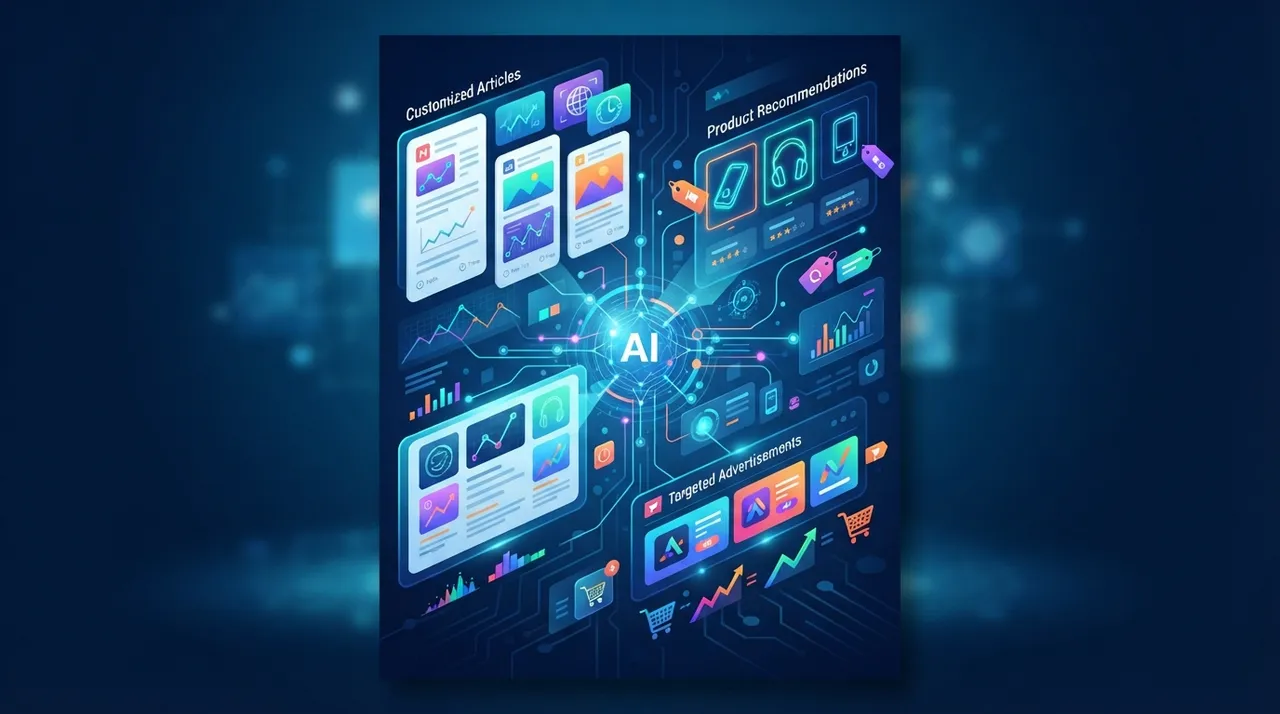
- In Daily Life: AI is integrated into our daily lives in almost invisible ways, from voice assistants like Siri and Alexa to personalized recommendation systems on shopping and streaming platforms. Everyday users can start with user-friendly tools like ChatGPT for daily questions, Google Gemini for Gmail and Google Docs users, or Perplexity AI for concise and direct answers.
Tools and Practical Steps for Utilization:
- Choose the Right Tool: Start with an easy-to-use tool that suits your needs. For writing and planning tasks, begin with ChatGPT or Google Gemini.
- Master Prompt Engineering: The ability to communicate clearly with an AI system is the most crucial skill. Provide context, specify the output format, tone, audience, and include any constraints.
- Integrate AI into Your Daily Workflow: Identify repetitive or time-consuming tasks in your day and ask how AI can assist.
- Use AI as a Thinking Partner: Don't let it do all the thinking for you. Use it to generate ideas, analyze information, and offer different perspectives, but maintain human oversight for final decision-making.
- Always Verify Outputs: Do not blindly trust any AI-generated content. Review and edit it to ensure accuracy and appropriateness.
- Protect Your Privacy and Data: Be cautious about the information you share with AI tools, especially sensitive data.
- Keep Learning: AI is evolving rapidly. Stay updated on the latest developments and new tools.
2026 is the year when agentic AI transforms from an experimental concept into a practical reality that makes a tangible difference in how we work, learn, and live. Consciously and strategically embracing these technologies is key to maximizing the benefits of this intelligent automation revolution.



Comments 0
No comments yet — be the first to share your thoughts.
Share your thoughts
To comment, sign in first — we email you a one-time code (no password). This keeps the discussion clean.
Sign in to comment →