
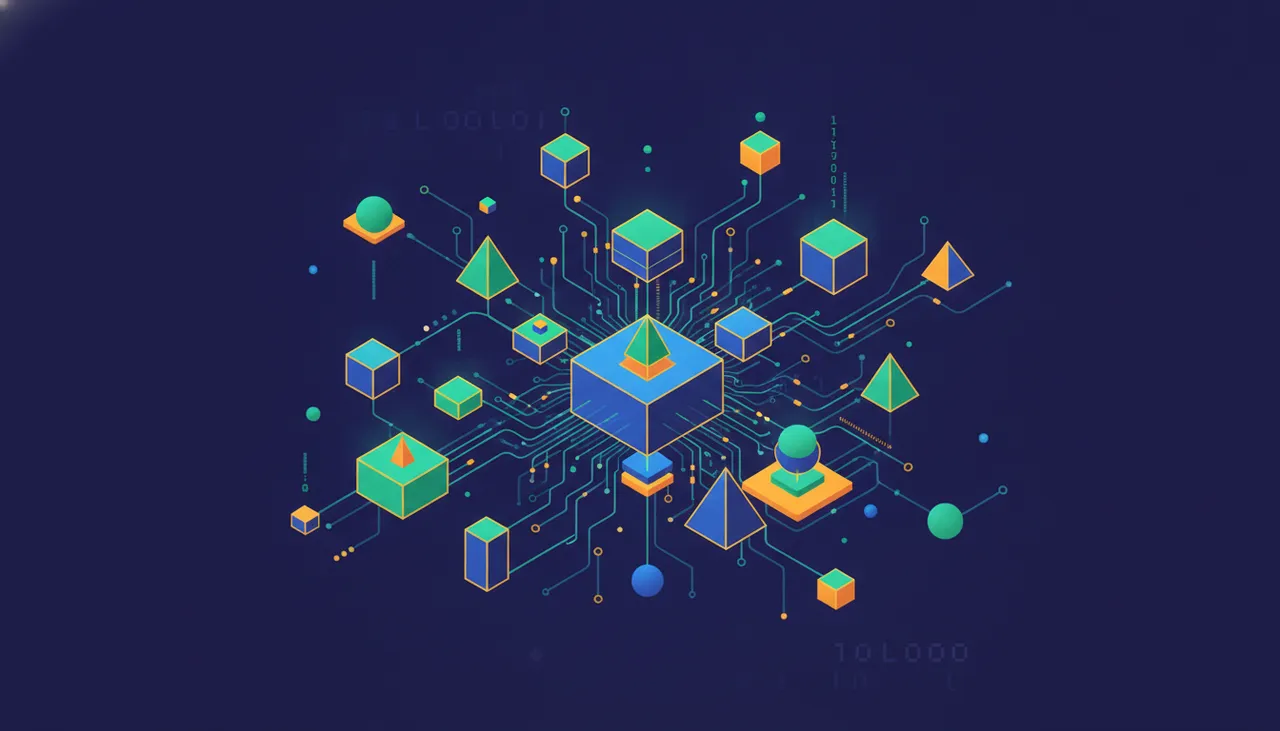
In the ever-evolving landscape of artificial intelligence, we are witnessing a pivotal shift from single-agent systems to multi-agent AI models. This development is not merely a technical upgrade; it represents a qualitative leap in how AI interacts with the real world, offering more flexible and efficient solutions for complex tasks that previously required intensive human intervention.
What's New
Multi-agent intelligent agents are systems composed of several autonomous AI entities that interact with each other and their environment to achieve a common goal or set of goals. Instead of a single AI model attempting to solve an entire problem, the problem is divided into sub-tasks, each handled by a specialized agent. These agents communicate, collaborate, and sometimes compete to collectively solve the larger problem.
One of the most prominent practical examples of this trend is the emergence of tools like AutoGPT and BabyAGI, which demonstrate how AI agents can independently formulate plans, execute tasks, evaluate results, and then re-plan if necessary to achieve a defined end goal. These tools, which leverage large language models (LLMs) as the agents' 'brains,' mark a turning point because they allow AI to perform a sequence of complex actions rather than just responding to a single prompt.
Other applications are emerging in areas such as supply chain management, where autonomous agents can negotiate prices, track shipments, and adapt to disruptions. In electronic chip design, multiple agents can optimize different aspects of the design simultaneously. Even in gaming, multi-agent systems are used to create more realistic environments and unpredictable behaviors for non-player characters.
Why It Matters
The significance of this development lies in its ability to unlock new levels of automation, efficiency, and flexibility. Instead of designing AI systems capable of solving one specific problem, we can now build systems composed of smaller, more specialized components that can adapt and collaborate to solve a wide range of unexpected problems. This approach reduces the need for continuous human intervention and enhances scalability.
How the reader can practically benefit:
- Deeper Understanding of AI Trends: Recognizing that the future is moving towards distributed and collaborative systems prepares you to understand upcoming innovations in the industry.
- Skill Development: If you are a developer, learning how to build and orchestrate multi-agent systems will become a crucial skill. Look into libraries and frameworks like LangChain or Autogen that facilitate building these systems.
- Identifying Business Opportunities: Businesses can explore how multi-agent systems can automate complex tasks they face, such as customer service, market research, or even project management. Consider breaking down large tasks in your business into sub-tasks that independent virtual agents can handle.
- Critical Thinking: While these systems offer immense potential, they also raise questions about control, ethics, and the necessity of oversight. Readers should remain aware of these aspects to ensure responsible use of these technologies.
The era of multi-agent intelligent agents has just begun, promising to reshape how we interact with technology and solve problems. Understanding these models is not merely a technical curiosity but a strategic imperative for businesses and individuals seeking to stay at the forefront of innovation.





Comments 0
No comments yet — be the first to share your thoughts.
Share your thoughts
To comment, sign in first — we email you a one-time code (no password). This keeps the discussion clean.
Sign in to comment →