

Generative AI has transcended its status as an emerging technology to become a fundamental driving force reshaping how content is created, problems are solved, and ideas are brought to fruition. In 2026, the question is no longer whether we will use generative AI, but rather how we can leverage it effectively to enhance creativity and productivity across all aspects of our professional and personal lives.
What's New
In 2026, generative AI has become an integral part of the core infrastructure across numerous industries, moving beyond standalone tools to become an operational layer deeply embedded in workflows. Platforms are no longer limited to generating text or images but can now create multimodal content, encompassing text, images, videos, and interactive elements from a single prompt.
The latest developments demonstrate that generative AI is no longer merely an assistive tool but an enabler of productivity and innovation. 88% of survey respondents reported that AI has positively impacted annual revenue, with over a third (30%) indicating a significant increase exceeding 10%. Furthermore, 93% of marketers are now using AI tools to produce content faster, enabling organizations to publish 40% more content per month compared to traditional workflows.
Why It Matters
Generative AI is profoundly significant for several key reasons:
- Increased Productivity and Efficiency: This technology enables the automation of repetitive tasks such as writing articles, composing emails, summarizing conversations, and generating code snippets, reducing the time and effort required for creation and allowing professionals to focus on strategic and creative endeavors.
- Enhanced Creativity and Innovation: Generative AI acts as an agent, assisting individuals in generating novel ideas, prototyping, and iterating on projects faster. In 2026, the ability to direct AI to create high-quality content is more valuable than simply producing it manually.
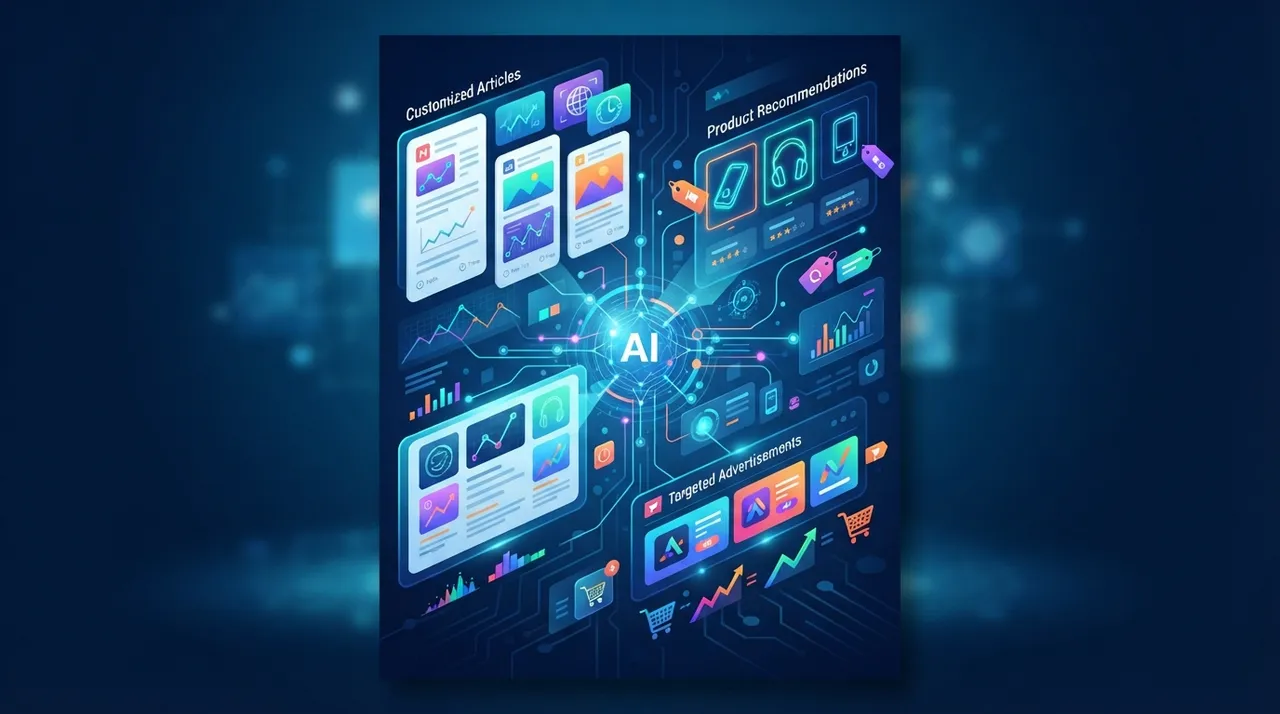
- Hyper-Personalization of Content: Generative AI can analyze user data to develop individually tailored content, from product descriptions and social media posts to comprehensive narratives in entertainment and online games, thereby augmenting engagement and conversion rates.
- Cost Savings: This technology allows businesses to reduce operational costs by replacing manual content production with automated tools.
Real-World Examples:
- Marketing Content Creation: Companies like Coca-Cola use generative AI to create visual and textual advertising campaigns, leading to increased user engagement and content delivery.
- Customer Support: Generative AI-powered chatbots provide instant customer support, answering common queries, handling returns, and providing product and service information.
- Software Development: AI tools assist in writing code, identifying and fixing bugs, and improving code quality and efficiency using natural language prompts.
- Design and Innovation: Designers can use AI to generate new product design concepts, create fashion designs, or even modify and enhance images.
- Healthcare: This technology is used for accelerated drug discovery, generating synthetic patient data for research, and personalizing treatment plans.
How Readers Can Practically Benefit (Tools/Steps):
To leverage generative AI, readers can follow these practical steps:
- Choose the Right Tools: Start with popular generative AI tools like ChatGPT and Google Gemini for text generation, and Midjourney or DALL-E for image creation. Tools like Notion and Canva are useful for boosting productivity and design.
- Learn Effective Prompt Engineering: The quality of outputs is directly related to the quality of prompts. Learn how to write clear, specific, and detailed prompts to achieve the best results. Effective prompts can include specifying the topic, tone, target audience, keywords, and purpose of the content.
- Apply AI to Your Daily Tasks: Use it to summarize long documents, draft emails, generate content ideas, or even develop simple code snippets.
- Always Verify and Review: Despite AI's ability to produce high-quality content, always review and proofread outputs to ensure accuracy, compliance with requirements, ethical standards, and to avoid misinformation or bias.
- Balance Automation with Human Oversight: The best AI-generated content in 2026 will result from structured human-in-the-loop workflows. Teams will review, edit, and approve AI drafts to align with brand voice and organizational objectives.
- Continuous Learning and Staying Updated: AI tools are evolving rapidly. Stay informed about the latest updates and new tools to maximize the benefits of these technologies.
In 2026, generative AI is no longer just a technological addition; it has become a fundamental pillar of innovation and growth. Individuals and businesses that adopt these technologies intelligently and responsibly will be at the forefront of this transformation, achieving unprecedented levels of creativity and productivity.




Comments 0
No comments yet — be the first to share your thoughts.
Share your thoughts
To comment, sign in first — we email you a one-time code (no password). This keeps the discussion clean.
Sign in to comment →