
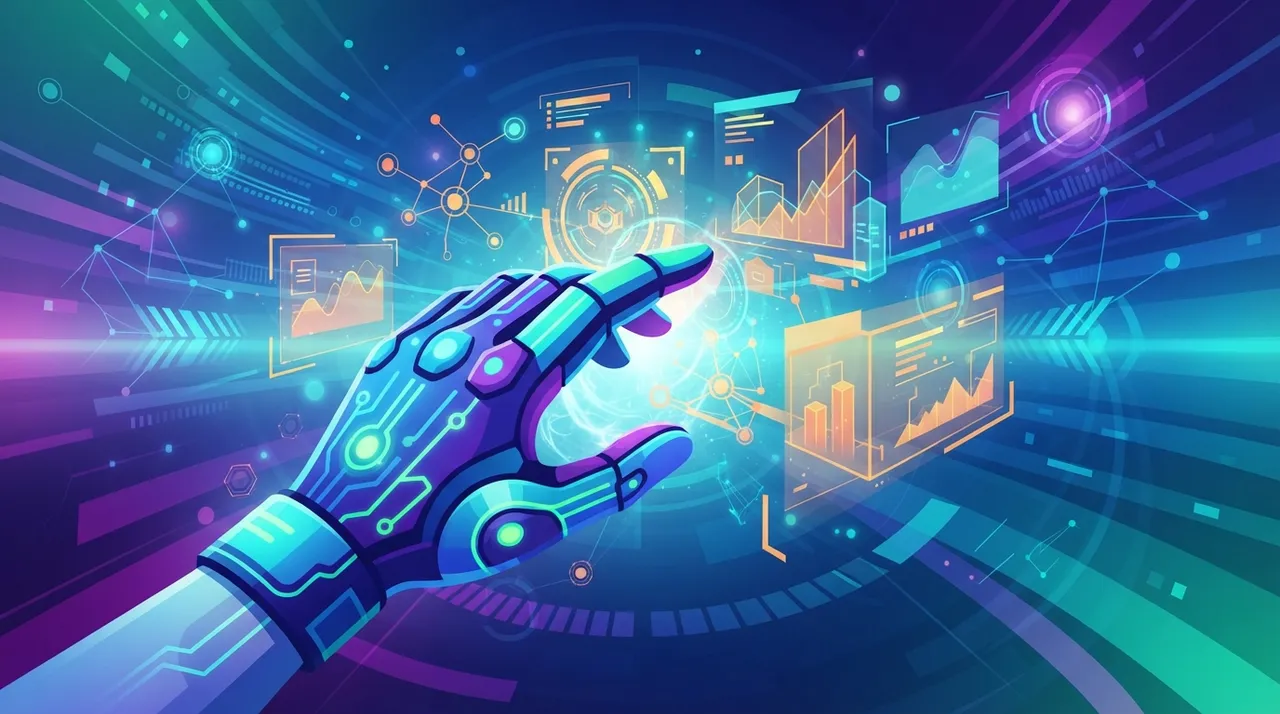
The sense of touch has always been a fundamental part of our interaction with technology. From the physical buttons of old phones to modern touchscreens that vibrate upon tapping, haptic feedback has formed a bridge between the digital and real worlds. Today, we are witnessing a strong resurgence of this technology, but in a more advanced and sophisticated form, becoming an integral part of our digital experience in 2026.
What's New
In 2026, advanced haptic feedback goes beyond simple vibrations to deliver rich, precise tactile experiences that mimic the real world. It's no longer limited to smartphones or game controllers but has expanded to include full haptic gloves and suits, and even touchscreens that can simulate texture and force.
- Ultra-realistic Haptic Gloves and Suits: These gloves and suits, produced by companies like HaptX and SenseGlove, allow users to feel the resistance, pressure, texture, and even temperature of virtual objects. For example, HaptX gloves can provide up to 175 Newtons of pressure per hand, nearly double that of comparable gloves. Some gloves also integrate AI technologies to process haptic feedback in real-time, making interactions more natural and independent.
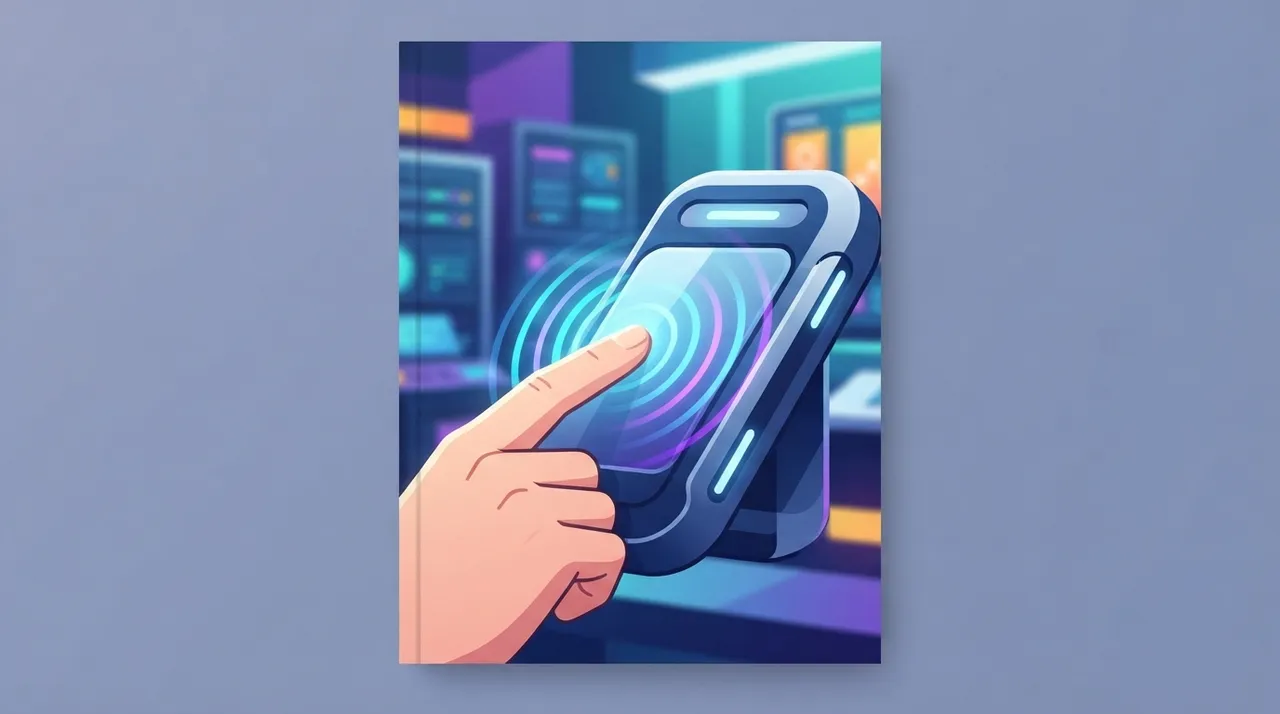
- Touchscreens That Feel Real: Modern screens are moving beyond smooth glass and basic vibrations, simulating texture and physical cues through electrostatic modulation and micro-actuators delivered directly to the fingertip. For instance, engineers at Northwestern University developed the VoxeLite fingertip device to recreate detailed tactile sensations as users interact with flat surfaces.
- AI Integration: Artificial intelligence has become an integral part of haptic system development, helping to interpret touch more naturally, processing pressure, motion, and contact in real time.
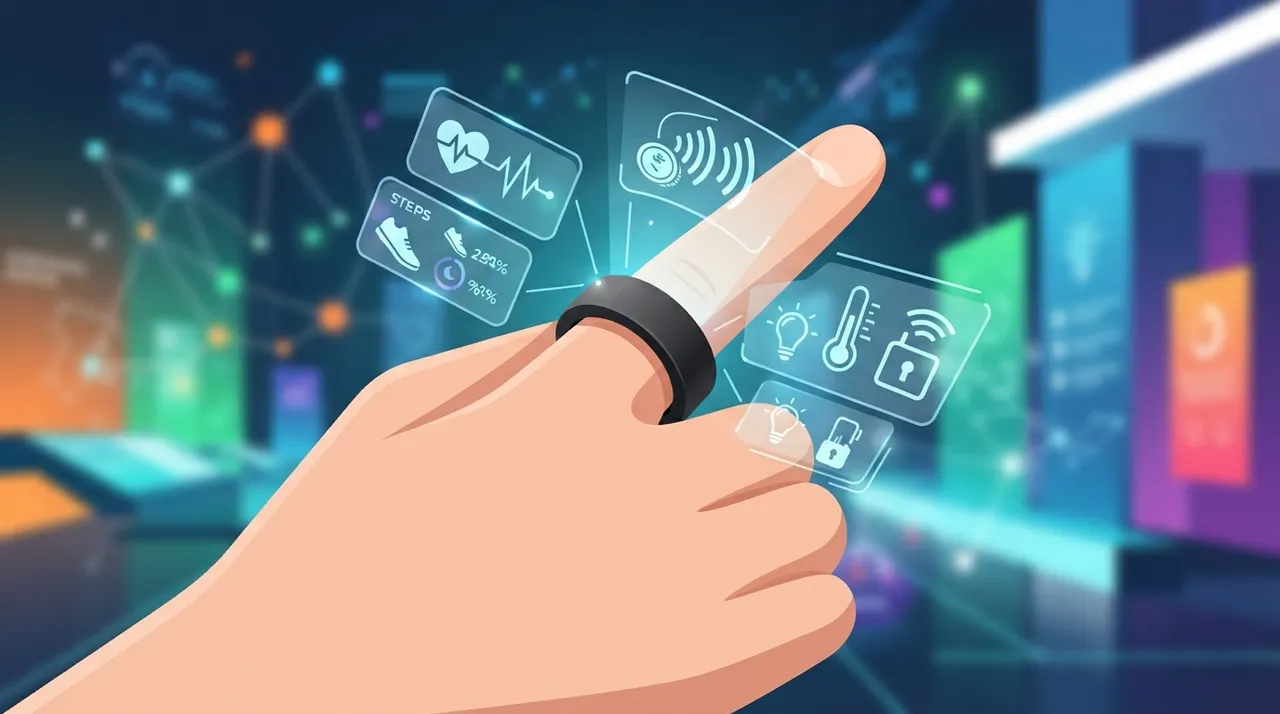
- Flexible Haptic Materials: Flexible haptic materials enable the integration of haptic feedback into curved surfaces and wearable devices such as clothing and bands, extending the technology's reach beyond traditional rigid devices.
Why It Matters
Advanced haptic feedback is crucial for creating more realistic and immersive digital experiences in 2026, especially with the growing reliance on virtual and augmented reality. Here's why it matters:
- Enhanced Immersion and Realism: In gaming, surgical training, and simulations, haptic feedback helps users feel the virtual world as if it were real, increasing immersion and enhancing the user experience. For example, haptic gloves can simulate the resistance of virtual objects, giving the user a sense of weight and texture.
- Improved Performance and Accuracy: In applications such as robotics and remote control, haptic feedback enables users to perform complex tasks with greater precision and control, especially in environments where visual attention may be limited. It can also help build muscle memory and intuition in design and gaming applications.
- Innovative Medical and Training Applications: In healthcare, haptic simulation is revolutionizing surgical training, allowing surgeons to practice delicate procedures with realistic touch and resistance. It is also used in AI-enhanced prosthetics to restore natural interaction and independence for users.
- Enhanced User Experience: Haptic feedback contributes to making digital interactions more intuitive and effective, reducing errors, and increasing user satisfaction. It reinforces trust in systems and provides clear indicators of system status.
The global haptic technology market is expected to grow at a CAGR of approximately 13.6% to reach $7.3 billion by 2030, reflecting the continuous demand for more precise and sensitive interaction methods.
How You Can Practically Benefit
Whether you are a developer, a designer, or simply a tech-savvy user, you can benefit from the evolution of advanced haptic feedback in several ways:
- For Developers and Designers:
- Utilize Dedicated Development Tools: Tools like Apple's Haptics Feedback are available for developers to test and adjust different types of haptic feedback in real-time. There are also tools like Haptics Generator from HAPTICORE that provide a graphical visualization of haptic feedback and allow for easy adjustment. Developers can also use SDKs for engines like Unity and Unreal Engine to integrate haptic feedback into their applications.
- Focus on Holistic Design: Haptic feedback should be designed to complement, not isolate, visual and auditory cues. It should be synchronized with audio and visuals to ensure a cohesive experience.
- Understand Haptic Principles: Keep in mind that touch adds an emotional layer to interactions, but it is effective for brief, clear signals, not for conveying complex information. Haptic memory fades quickly compared to visual and auditory memory, so focus on familiar cues and repetitions.
- For Users:
- Experience New Devices: Look for devices that integrate advanced haptic feedback, such as VR gloves and wearables, to experience a new level of immersion and control.
- Benefit from Specialized Applications: In fields like medical or engineering training, these technologies will provide more realistic simulations that help you learn new skills faster and more effectively.
- Improve Daily Interaction: Even in everyday devices like smartphones, you will notice an improvement in response accuracy and ease of use thanks to advancements in haptic feedback.
As technology continues to evolve, the sense of touch will become an indispensable part of how we interact with the digital world, opening doors to richer and more realistic experiences in every aspect of our lives.





Comments 0
No comments yet — be the first to share your thoughts.
Share your thoughts
To comment, sign in first — we email you a one-time code (no password). This keeps the discussion clean.
Sign in to comment →