

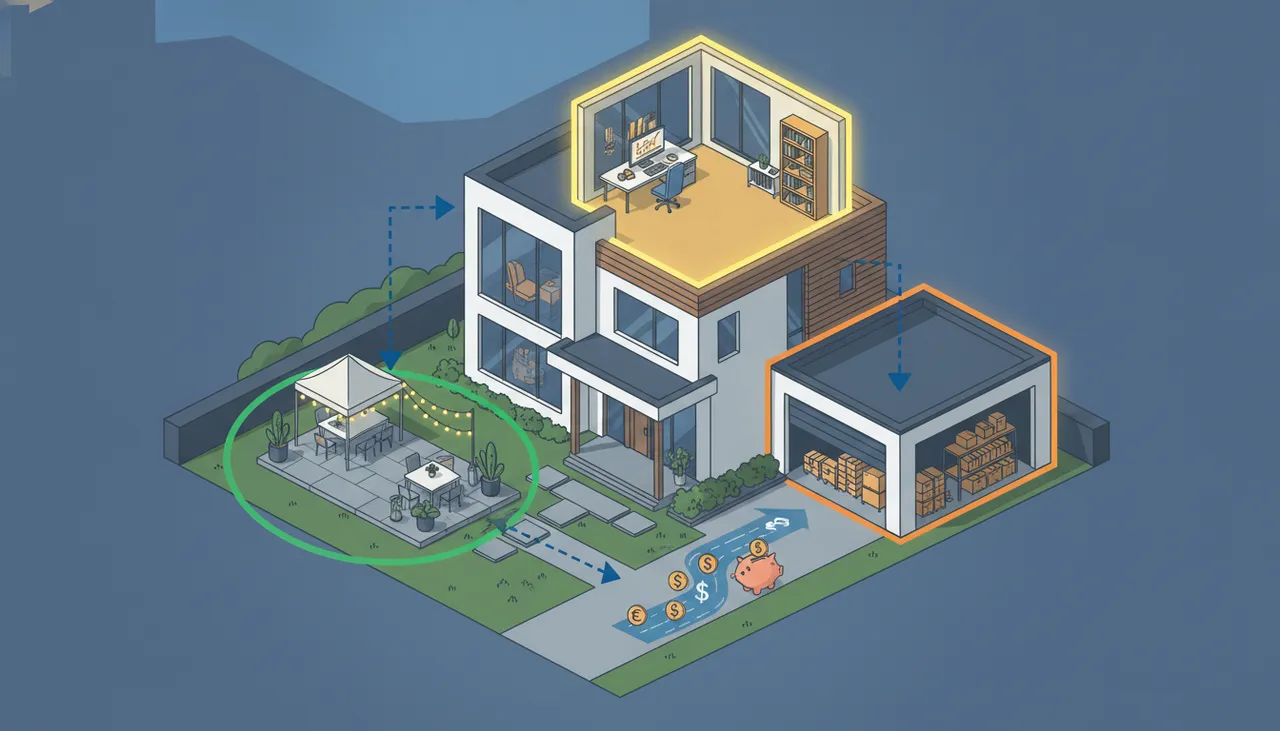
Fractional real estate ownership is an innovative strategy that allows a single property to be divided into multiple ownership units, each representing a share of the property. This approach opens doors for investors to participate in the real estate market with smaller capital, making high-value properties accessible to a broader audience. For property owners, it offers a powerful mechanism to unlock liquidity, diversify risks, and enhance returns from their assets.
Understanding Fractional Ownership Models
There are several models through which fractional ownership can be implemented, each with its own advantages and operational nuances:
- Direct Co-Ownership: Multiple individuals directly own a percentage of the property. This is straightforward but requires clear legal agreements on management and usage.
- Limited Liability Companies (LLCs) or Special Purpose Vehicles (SPVs): Investors purchase shares in a legal entity that owns the property. This provides liability protection and simplifies management, as the entity can appoint a manager.
- Real Estate Investment Trusts (REITs) or Funds: While often associated with larger, diversified portfolios, some REITs or private funds focus on fractional ownership of specific properties, offering units to investors.
- Blockchain-Based Tokenization: This cutting-edge method involves creating digital tokens on a blockchain, each representing a fraction of the property. It offers enhanced liquidity, transparency, and often lower transaction costs.
Benefits for Investors and Property Owners
The fractional ownership model presents significant advantages for both parties involved:
- Accessibility to High-Value Assets: Investors can access prime real estate properties that would otherwise be out of reach due to high entry costs.
- Diversification: With smaller capital, investors can spread their investments across multiple properties, reducing risk compared to owning a single asset outright.
- Liquidity: Depending on the model (especially tokenization), fractional shares can be easier to buy and sell than an entire property.
- Passive Income: Investors can earn rental income or participate in property appreciation without the burdens of direct property management.
- Capital Release for Owners: Property owners can monetize their assets without selling them entirely, retaining some ownership while freeing up capital.
- Broader Investor Base: Owners can attract a wider pool of investors, including international participants, by offering smaller, more flexible investment units.
Practical Steps for Implementing Fractional Ownership
Implementing a fractional ownership strategy requires careful planning and legal expertise. Here are the key steps:
- Property Valuation and Structuring: Obtain a professional valuation of the property. Decide on the fractional units' size and pricing. Determine the legal structure (e.g., LLC, direct co-ownership) that best suits your goals and local regulations.
- Legal and Regulatory Compliance: Consult with legal professionals specializing in real estate and securities law to ensure all necessary permits, licenses, and disclosures are in place. This includes drafting co-ownership agreements, operating agreements for LLCs, or tokenization whitepapers.
- Marketing and Investor Outreach: Develop a compelling offering for potential investors. Utilize digital platforms, real estate investment networks, and crowdfunding platforms to reach a targeted audience.
- Management and Administration: Establish a clear framework for property management, maintenance, and distribution of income. This might involve appointing a professional property manager or an operating committee for an LLC. For tokenized assets, smart contracts can automate many of these processes.
- Exit Strategy: Define how investors can exit their positions. This could include a pre-agreed buy-back option, a secondary market for shares/tokens, or a collective decision to sell the entire property after a specified period.
Leveraging Technology for Fractional Ownership
Technology, especially blockchain, is revolutionizing fractional ownership. Platforms that facilitate tokenization can streamline the process significantly:
- Smart Contracts: Automate the distribution of rental income, manage voting rights, and enforce contractual agreements without intermediaries.
- Digital Wallets: Securely hold and transfer fractional property tokens.
- Decentralized Exchanges: Provide a marketplace for buying and selling property tokens, enhancing liquidity.
This technological integration can lower administrative costs, increase transparency, and broaden the reach of fractional ownership opportunities.
Fractional real estate ownership offers a dynamic pathway for both property owners to unlock value and for investors to access the real estate market with greater flexibility. By understanding the models, benefits, and practical steps, you can strategically leverage this approach to enhance your investment portfolio or maximize returns from your existing properties.



Comments 0
No comments yet — be the first to share your thoughts.
Share your thoughts
To comment, sign in first — we email you a one-time code (no password). This keeps the discussion clean.
Sign in to comment →