
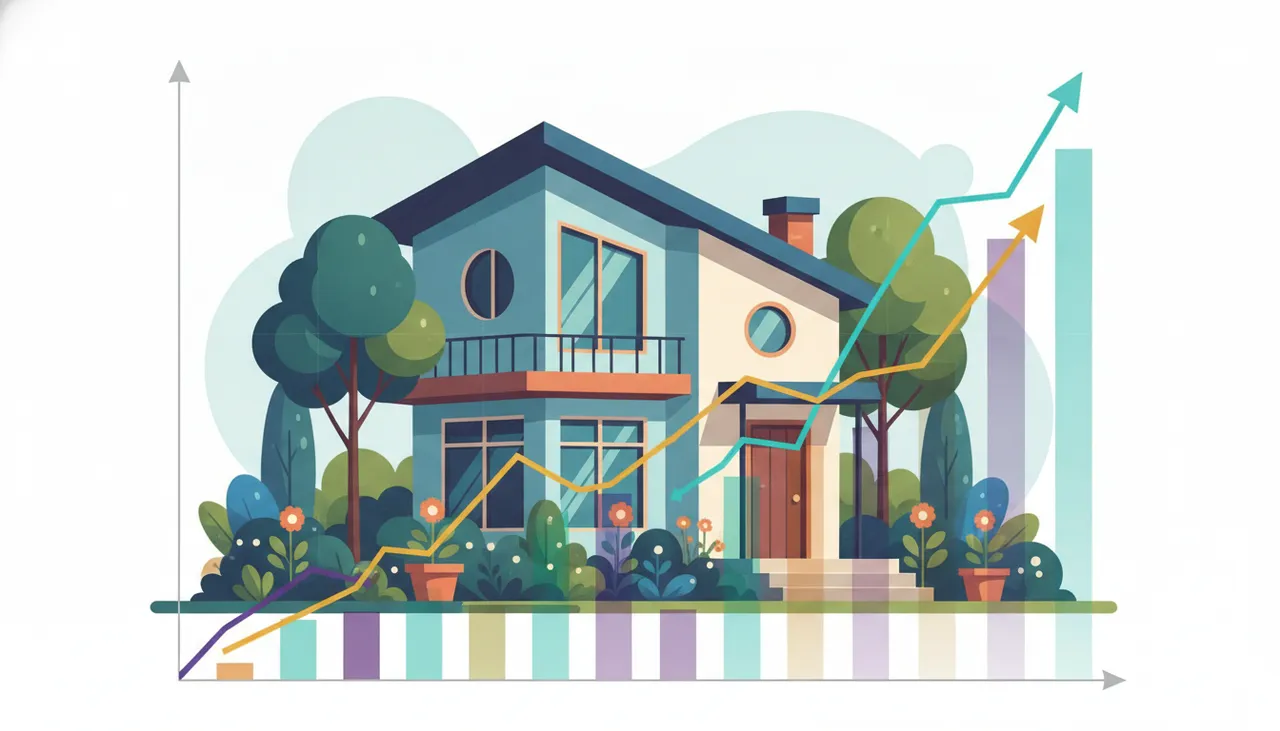
The reverse mortgage, or Home Equity Conversion Mortgage (HECM) as it's known in the U.S., is a unique financial instrument that empowers homeowners, typically those aged 62 or older, to convert a portion of their home equity into tax-free cash. Unlike traditional mortgages where you make payments to the lender, with a reverse mortgage, the lender pays you, either as a lump sum, a line of credit, or monthly installments, without requiring you to sell your home or make regular mortgage payments. The loan becomes due when the last borrower moves out, sells the home, or passes away.
Understanding the Mechanics of a Reverse Mortgage
At its core, a reverse mortgage is a loan secured by your home. The amount you can borrow is influenced by several factors: your age, the current interest rates, and the appraised value of your home. The older you are, and the more valuable your home, the more cash you can typically access. The funds received are generally tax-free, as they are considered a loan advance rather than income. Importantly, you retain ownership of your home and are responsible for property taxes, homeowner's insurance, and maintaining the property in good condition.
Benefits of a Reverse Mortgage for Financial Planning
Reverse mortgages offer several distinct advantages, particularly for those seeking to enhance their financial flexibility without liquidating their primary asset:
- Tax-Free Cash Flow: The funds received are not considered taxable income, providing a significant boost to your financial resources.
- No Monthly Mortgage Payments: This can free up substantial cash flow, especially for retirees on fixed incomes, alleviating financial stress.
- Retain Home Ownership: You continue to live in and own your home, maintaining your lifestyle and comfort.
- Flexibility in Fund Disbursement: You can choose how to receive your funds—as a lump sum, a line of credit for emergencies, or regular monthly payments to supplement income.
- Estate Planning: While the loan needs to be repaid upon certain events, heirs typically have options to repay the loan and keep the home or sell it to cover the loan, without being personally liable for any shortfall if the home's value is less than the loan amount (non-recourse loan).
Practical Applications of a Reverse Mortgage
This strategy can be utilized in various scenarios to achieve specific financial goals:
Supplementing Retirement Income
Many retirees use reverse mortgages to supplement their Social Security or pension income, ensuring a more comfortable lifestyle. The regular payments can cover daily expenses, healthcare costs, or leisure activities without dipping into other savings or investments.
Eliminating Existing Mortgage Payments
If you still have an outstanding mortgage, a reverse mortgage can be used to pay it off completely, eliminating those monthly payments and freeing up significant cash flow. This can be a major relief for those struggling with mortgage debt in retirement.
Funding Major Expenses or Emergencies
The line of credit option provides a flexible safety net. Funds can be drawn as needed for unexpected medical bills, home repairs, or other large expenses, offering peace of mind.
Delaying Social Security Benefits
By using a reverse mortgage to cover living expenses, individuals can delay claiming Social Security benefits until they reach their maximum benefit age, potentially increasing their lifetime income from Social Security.
Choosing the Right Reverse Mortgage Product
Not all reverse mortgages are created equal. The most common type is the HECM, which is federally insured. However, there are also proprietary reverse mortgages offered by private lenders, which may offer higher loan amounts for higher-value homes. It's crucial to compare interest rates, fees, and disbursement options across different lenders and products. Seeking advice from a qualified financial advisor specializing in retirement planning is highly recommended.
Key Considerations and Potential Downsides
While beneficial, reverse mortgages are not without considerations. They come with closing costs, interest accrues over time, and the loan balance grows. It's essential to understand how these factors affect your home equity over the long term. Also, failure to pay property taxes or homeowner's insurance, or to maintain the home, can lead to foreclosure. Therefore, a thorough understanding of the terms and obligations is paramount before committing.
Practical Steps to Accessing a Reverse Mortgage
- Assess Your Eligibility: Confirm you meet the age requirement (typically 62+) and that your home is your primary residence.
- Attend Counseling: Federal regulations often require prospective borrowers to attend a counseling session with a HUD-approved agency to ensure they understand the product.
- Gather Documentation: Prepare necessary financial and property documents, including identification, proof of ownership, and income statements.
- Shop Around for Lenders: Compare offers from multiple lenders to find the most favorable terms, interest rates, and fees.
- Review and Sign: Carefully review all loan documents with legal or financial counsel before signing.
The reverse mortgage strategy offers a compelling avenue for homeowners to unlock the value of their property without relinquishing ownership. When approached with careful planning and due diligence, it can significantly enhance financial security and provide a valuable source of income or liquidity during crucial life stages. It's a strategic tool worth exploring for those looking to optimize their real estate assets for long-term financial well-being.







Comments 0
No comments yet — be the first to share your thoughts.
Share your thoughts
To comment, sign in first — we email you a one-time code (no password). This keeps the discussion clean.
Sign in to comment →